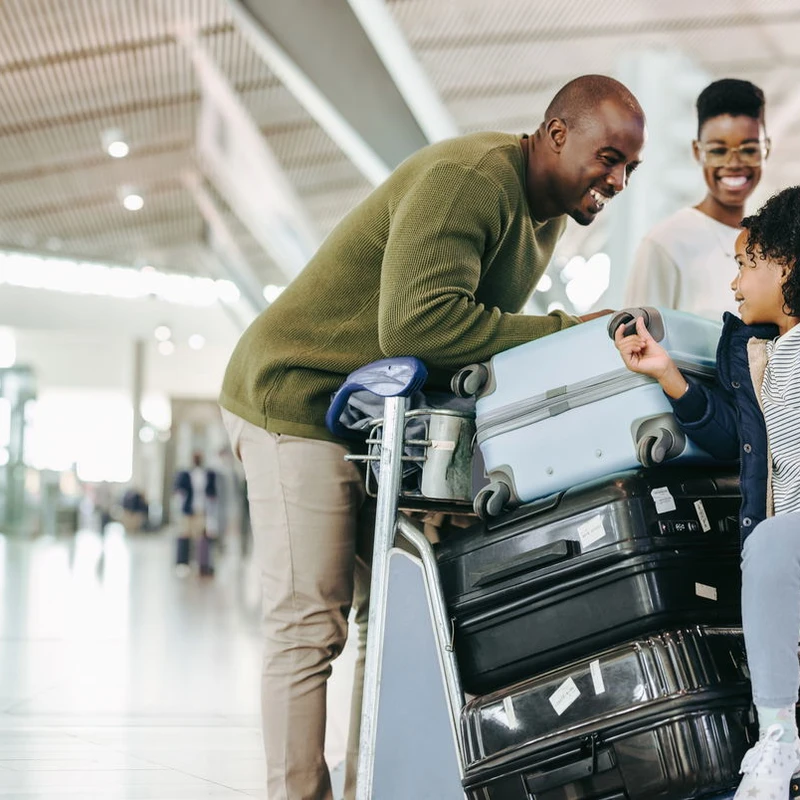
Tag: Flight Cancellations

  • Thanksgiving Travel: 80M Americans Hit the Road!

    Get ready for some serious holiday hustle! Thanksgiving is here, and it’s kicking off one of the busiest travel periods we’ve seen in ages. Millions of Americans are already hitting the roads and skies to get to their holiday destinations. If you’re one of them, buckle up – it’s going to be a busy one!

    The Numbers Don’t Lie: A Massive Migration

    AAA is projecting a huge turnout this year, with nearly 82 million people expected to travel domestically. That’s a significant jump from last year, especially for those hitting the road. Around 73 million folks are planning to drive, which is about 1.3 million more than last Thanksgiving.

    So, what’s the scene like at the airports? As of Monday morning, November 25th, things were looking relatively stable with only a handful of flight cancellations nationwide. However, don’t get too comfortable – hundreds of flights were already experiencing delays, and those numbers are expected to climb as we head into peak travel times.

    A Smoother Ride This Year? Maybe!

    There’s a bit of good news for travelers: the Federal Aviation Administration (FAA) recently lifted an emergency order that had airlines scaling back their schedules. This means carriers can operate at full capacity, which should help reduce the risk of major disruptions. It’s a welcome change after a month of uncertainty for many.

    However, the usual travel hiccups are still very much a possibility. We’re talking about those unpredictable weather events, unexpected mechanical issues with planes, or even just tight turnaround times that can throw a wrench in the works, especially during busy holiday periods.

    Know Your Rights as a Traveler

    The Department of Transportation wants to make sure you’re aware of your passenger rights, especially as traffic intensifies. If your flight gets canceled and you decide not to travel, you’re entitled to a full refund, no matter what kind of ticket you bought. This applies whether the cancellation is due to technical glitches, staffing problems, or even weather.

    If you still want to get to your destination, the airline is obligated to rebook you without charging extra fees. And here’s a big one: if the airline is responsible for the cancellation – think crew shortages or mechanical failures – you might even be eligible for additional accommodations like meal vouchers or a hotel stay. Just remember, compensation isn’t guaranteed in every single situation, especially if the issue is beyond the airline’s control, like severe weather.

    Planning for the Holiday Journey

    Despite the potential for delays, the overall outlook for Thanksgiving air travel seems more stable compared to some recent years that were plagued by storms and staffing shortages. With so many people heading out to see loved ones or enjoy holiday getaways, transportation officials are really emphasizing the importance of arriving early, staying informed about your travel status, and being prepared for crowds.

    • Arrive at the airport or your departure point early.
    • Stay updated on flight statuses and traffic conditions.
    • Plan for potential delays and pack accordingly.
    • Know your passenger rights regarding cancellations and rebooking.

    As airports get packed and highways become congested, it’s clear that the holiday season remains one of the most intense travel periods in the U.S. Safe travels, everyone!

    Are you traveling for Thanksgiving? What are your best tips for navigating the holiday rush? Share your experiences and advice in the comments below!
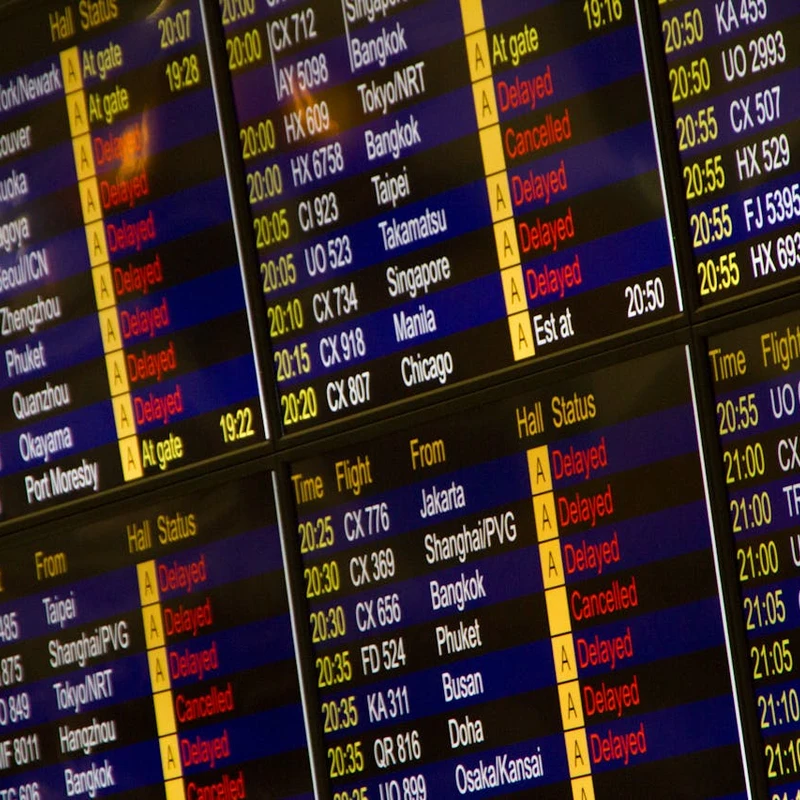
  • Government Shutdown Causes Flight Chaos

    If you’re planning to fly anytime soon, especially with the holidays approaching, you might want to brace yourself. The current government shutdown is wreaking havoc on air travel, leading to a massive wave of flight cancellations and delays that are impacting thousands of passengers nationwide.

    Thousands of Flights Grounded

    As of the evening of November 8th, over 1,500 flights have been completely nixed from the schedules of major airlines like Delta, United, and American. This number has already surpassed the previous day’s cancellations, and with over 6,400 additional delays, flying has become a stressful ordeal for many. It’s a far cry from the smooth holiday travel many were hoping for.

    These disruptions are a direct result of the government shutdown, which has triggered significant staffing shortages, particularly within Air Traffic Control (ATC). Reports indicate that over 40 ATC staffing triggers have occurred across the U.S., leading to mandated flight traffic reductions.

    The Impact on Airlines and Travelers

    The government order mandates a 10% reduction in flight traffic, affecting major airline hubs like Atlanta (ATL), Los Angeles (LAX), and New York (JFK). U.S. Transportation Secretary Sean Duffy expressed his hope for a swift resolution, warning that flight reductions could increase if the shutdown persists. “My hope is that this government shutdown will end soon and we can get back in the business of letting Americans travel,” Duffy stated.

    The core issue stems from airport and ATC workers going without full paychecks since the shutdown began on October 1st. This financial strain has led many to call out, unable to afford reporting for duty. Delta has been hit the hardest, canceling 7% of its flights, while American, United, and Southwest have each seen about 3% of their flights canceled. All major airlines are experiencing delays ranging from 25% to 30%.

    International Travel Less Affected

    On a slightly brighter note, international travel appears to be less impacted by these domestic restrictions. Secretary Duffy mentioned that agreements with international hubs have helped prioritize these flights, preventing them from being removed from schedules. So, if you’re flying abroad, your trip might be more secure.

    However, for those traveling within the U.S., the situation remains uncertain. The potential for further reductions looms if the government doesn’t reopen soon, which could spell even more chaos for travelers trying to reach their destinations during this busy season.

    Are your travel plans being affected by the government shutdown? Share your experiences and tips for navigating these flight disruptions in the comments below!

  • Airline Compensation Plan Scrapped by Trump Admin

    Ever been stuck at the airport for hours, or had a flight canceled at the last minute? You might have been hoping for some compensation, but a recent decision by the Trump administration has put those hopes on hold. The administration has officially withdrawn a consumer protection proposal that aimed to ensure passengers receive payouts for significant flight delays and cancellations. This move effectively scraps a key initiative from the previous Biden administration.

    What Was the Proposed Plan?

    This wasn’t just a minor suggestion; it was a comprehensive framework designed to bring U.S. airline regulations more in line with international standards. Think of what countries like those in the EU, Canada, and Brazil already do for their travelers. The proposal, introduced by the Department of Transportation in May 2023, would have mandated financial compensation for delays exceeding three hours, with amounts potentially ranging from $200 to $775, depending on how long the disruption lasted.

    The public had a chance to weigh in, with comments solicited in December 2024. However, the current administration has decided that the regulation would place an undue burden on airlines. Their concern? That these costs could ultimately be passed on to us, the passengers, in the form of higher ticket prices.

    Industry vs. Advocates: The Debate Heats Up

    Unsurprisingly, the airline industry has applauded this decision. Major carriers, represented by Airlines for America, had voiced strong opposition to the Biden-era proposal, echoing the administration’s concerns about rising ticket prices. A spokesperson for Transportation Secretary Sean Duffy stated that while they will uphold congressionally mandated protections, they intend to re-evaluate rules that they believe go beyond statutory requirements.

    On the flip side, consumer advocates are expressing significant disappointment. Bharat Ramamurti, a former economic adviser to President Biden, criticized the withdrawal, emphasizing that the rule would have been beneficial for passengers and could have helped reduce delays. The New York Times has also reported that the Transportation Department is reviewing other regulations, including those concerning ticket refunds and baggage delivery.

    What This Means for Your Travel Plans

    So, what’s the takeaway for us as travelers? For now, the prospect of automatic compensation for flight delays and cancellations under a federal mandate is off the table. This decision highlights the ongoing tension between airline operational costs and passenger rights. It means we’ll likely continue to rely on individual airline policies and existing, less stringent regulations for recourse when travel plans go awry.

    What are your thoughts on the Trump administration’s decision to withdraw the airline compensation plan? Do you think it will impact your travel? Share your opinions in the comments below!

  • Delta Air Lines Ceases Operations in Midland, Texas

    Delta Air Lines has announced it will completely cease operations at Midland International Air and Space Port beginning in November, citing persistently low passenger demand. This decision marks the end of the airline’s service to the West Texas hub after routes proved financially unsustainable due to consistently disappointing passenger numbers.

    Poor Performance Leads to Market Exit

    The withdrawal from Midland is attributed to load factors consistently remaining below 60 percent over the past year, falling short of the threshold required for profitable operations. Despite operating three daily flights between Midland and Austin Bergstrom International Airport, the routes failed to attract sufficient passenger volume, even with the connection to Texas’s capital city.

    Industry analysts suggest that serving smaller regional markets presents ongoing challenges, with passenger demand often fluctuating based on local economic conditions and seasonal travel patterns. This situation highlights the difficulties airlines face in maintaining service to less populated areas.

    Austin Expansion and Strategic Considerations

    Some aviation observers speculate that Delta’s decision to maintain the Midland routes may have been partly strategic, aimed at securing valuable gate space at the rapidly growing Austin Bergstrom International Airport. This theory suggests that the low-performing Midland service could have been a tool to preserve Delta’s presence and expansion opportunities in Austin, where the airline plans significant future growth. While this strategy can be common in the airline industry to maintain advantages at lucrative hubs, it often proves unsustainable for the less profitable routes.

    Local officials in Midland have expressed disappointment but remain committed to ensuring continued air service for the region. Councilwoman Robin Poole emphasized the dedication of local leaders to maintaining the airport’s operations and supporting economic development in the Permian Basin area, despite the loss of Delta’s premium service.

    Impact on Passengers and Alternatives

    Passengers with existing Delta bookings for Midland flights will receive full refunds. They are advised not to cancel their reservations independently to ensure proper refund processing. Southwest Airlines continues to operate one daily flight between Midland and Austin, offering some continuity for travelers needing to connect between the two cities. However, the reduction in flight options is expected to cause inconvenience, particularly for business travelers who relied on Delta’s multiple daily departures.

    Despite losing Delta’s service, Midland airport officials are proceeding with expansion plans to attract new carriers and enhance the facility’s appeal. Investments in terminal expansion and customer service improvements aim to draw other major airlines to the West Texas market, leveraging the region’s economic activity driven by the energy sector.

    What are your thoughts on Delta’s decision to leave Midland? Do you think regional airports face unique challenges? Share your opinions in the comments below!