Tag: Flag Burning

  • Trump Signs Order: Flag Burning Could Mean Jail Time

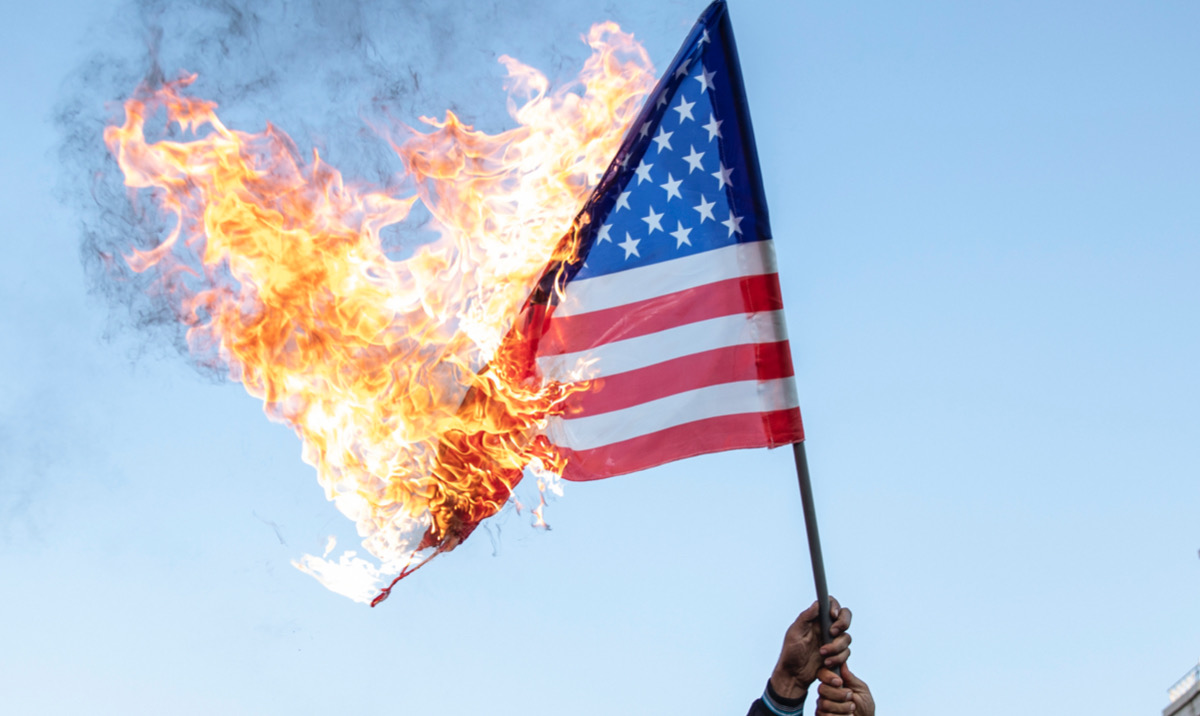
    President Donald Trump has signed a new executive order that could land individuals in jail for a year if they are caught burning the American flag. This move signals a strong stance on patriotism and respect for national symbols, but it’s already igniting significant debate about free speech protections.

    A Year in Jail for Flag Burning?

    Trump stated, “If you burn a flag, you get one year in jail.” This executive order directly challenges long-standing legal precedents. The Supreme Court, in a 1989 decision (Texas v. Johnson), ruled that flag burning is a protected form of political expression under the First Amendment.

    Despite these legal protections, Trump believes his order will effectively stop the act. He has spoken about this issue previously, advocating for jail time for flag burners, particularly in response to protests seen during political conventions. “They say, ‘Sir, that’s unconstitutional,’” Trump remarked. “We’ll make it constitutional.”

    Clash with Constitutional Protections

    This executive order is already sparking heated discussions. For many, burning the flag is seen as deeply disrespectful to the nation and its values. However, for others, it represents a powerful form of protest, a way to voice dissent and call attention to injustices within the country.

    Legal experts are highlighting the potential conflict with the Supreme Court’s ruling, suggesting this order could face significant legal challenges in federal courts. Trump and his supporters, however, argue that protecting the flag is synonymous with protecting America itself, asserting that criminalizing flag burning sends a clear message about patriotism and respect.

    What are your thoughts on President Trump’s new executive order regarding flag burning? Do you believe it aligns with constitutional rights or goes against them? Share your opinions in the comments below!
  • Trump Targets Cashless Bail and Flag Burning with Executive Orders

    President Donald Trump has turned his focus to issues resonating with his conservative base, signing executive orders aimed at cashless bail policies and flag burning. These actions signal a significant federal intervention into local criminal justice practices and First Amendment protections, reflecting the administration’s commitment to public safety and national symbols.

    Challenging Cashless Bail Policies

    The first executive order targets jurisdictions with cashless bail systems, which allow defendants to be released before trial without posting monetary bond. Trump has directed Attorney General Pam Bondi to identify federal funding that could be withheld from areas maintaining these policies. The administration argues that cashless bail poses public safety risks by potentially allowing dangerous individuals to remain free, while advocates contend it prevents wealth-based discrimination in the justice system.

    The order places a particular emphasis on Washington D.C., instructing law enforcement to pursue pretrial detention whenever possible and threatening to withhold funds and services if the city continues its cashless bail practices. This move represents a direct challenge to local governance and could exert significant financial pressure on the district’s budget, reflecting Trump’s broader concerns about perceived lenient criminal justice policies in the capital.

    Flag Burning Order Challenges First Amendment Precedent

    The second executive order addresses flag burning, directing federal prosecutors to pursue charges against individuals who desecrate American flags. It also instructs immigration authorities to detain and remove non-citizens accused of flag desecration. This directive directly confronts the 1989 Supreme Court decision in Texas v. Johnson, which protected flag burning as symbolic speech under the First Amendment.

    Trump’s order asks Attorney General Bondi to identify cases that could potentially challenge this established Supreme Court precedent. Given the current conservative composition of the court, there’s a possibility of revisiting the constitutional questions surrounding flag burning. White House officials cited recent protests, particularly in Los Angeles where flags were burned during demonstrations against ICE operations, as justification for the order, linking immigration enforcement with patriotic symbolism.

    Anticipated Legal and Constitutional Challenges

    Legal experts anticipate immediate court challenges to both executive orders. The flag burning directive, in particular, is expected to face significant opposition based on First Amendment protections. While the cashless bail order might face fewer direct constitutional challenges, it could encounter resistance from state and local governments viewing federal funding threats as coercive overreach. Many jurisdictions have adopted cashless bail based on research suggesting its effectiveness in reducing pretrial incarceration without increasing crime rates.

    These executive orders underscore Trump’s ongoing efforts to leverage federal authority to influence local policies on issues he deems critical to national security and American values. The ultimate impact of these directives will likely be determined through extensive litigation and judicial interpretation of constitutional rights and executive power.

    What are your thoughts on President Trump’s executive orders regarding cashless bail and flag burning? Share your opinions in the comments below!