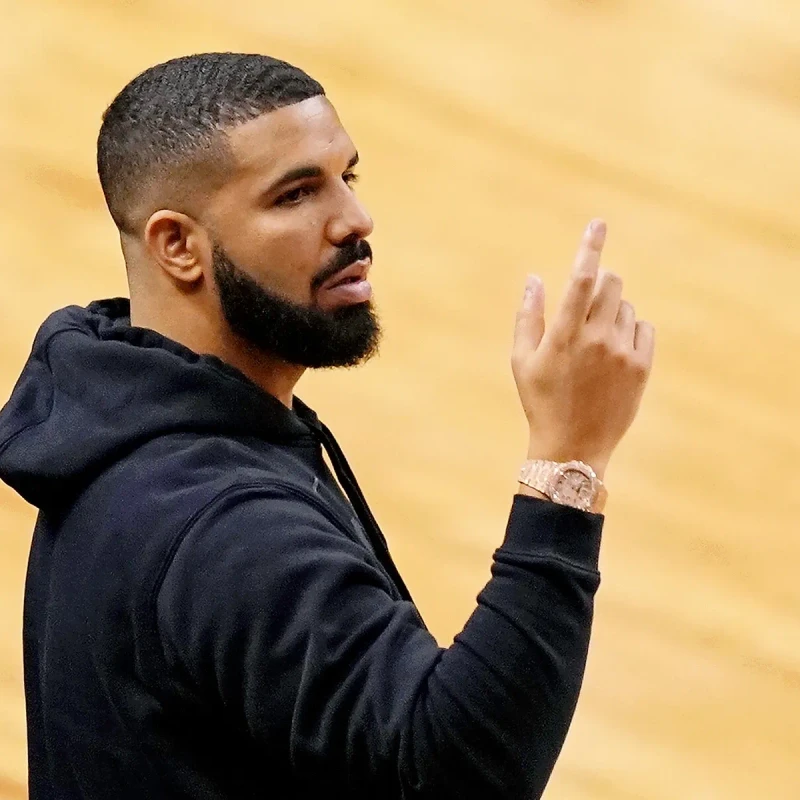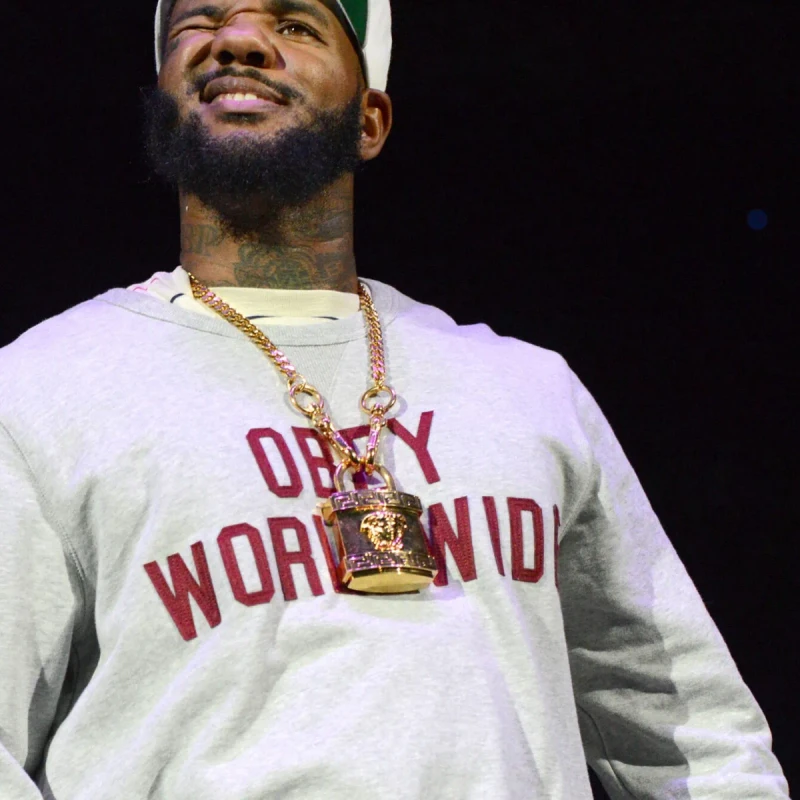
In the midst of the highly publicized Drake and Kendrick Lamar feud, The Game is taking a different approach. While many have weighed in on the lyrical battle, The Game is choosing to celebrate his collaborator Drake’s undeniable commercial success, particularly with his recent ‘ICEMAN’ trilogy.
Celebrating Drake’s Chart Dominance
The Compton rapper took to his Instagram Story to share his admiration for Drake’s projected first-week sales for the ‘ICEMAN’ trilogy. The numbers are impressive: ‘ICEMAN’ itself is projected to hit 460,000 album-equivalent units, with ‘HABIBTI’ and ‘MAID OF HONOUR’ following closely behind at 114,000 and 109,000 units, respectively.
Jayceon Taylor, also known as The Game, captioned his post with a nod to critics, stating, “I remember who said what about who when they thought it was what it wasn’t.” This seems to be a subtle jab at those who have doubted or criticized Drake over the years, suggesting their tune has changed now that his commercial power is so evident.
Navigating Hip-Hop Loyalty
The Game’s public support for Drake, especially during the intense beef with Kendrick Lamar (also from the West Coast), has raised questions about loyalty within hip-hop. In a recent interview with Complex, The Game addressed these concerns directly.
He explained that while some expected him to side strictly with the “West Side,” he believes hip-hop culture can be overly segregated. The Game emphasized the importance of personal friendships and camaraderie, stating, “Let me do me on my type of time, and I’ma let you know how you should walk accordingly when you have camaraderies or real friendships.”
Nuance in Hip-Hop Dynamics
The dynamic between The Game and Kendrick Lamar is often seen as a typical competitive relationship within hip-hop. While some interpret it as genuine beef, The Game’s comments suggest a level of mutual respect and an understanding that artists can have different circles and allegiances.
He encourages a more nuanced perspective when assessing these relationships, rather than applying rigid rules of regional loyalty. It’s a reminder that the hip-hop landscape is complex and personal connections often play a significant role.
What are your thoughts on The Game’s stance? Do you think loyalty in hip-hop should be based on region or personal relationships? Let us know in the comments!