Tag: Federal Reserve

  • Rep. Pressley Urges Fed Action on Black Women’s Unemployment

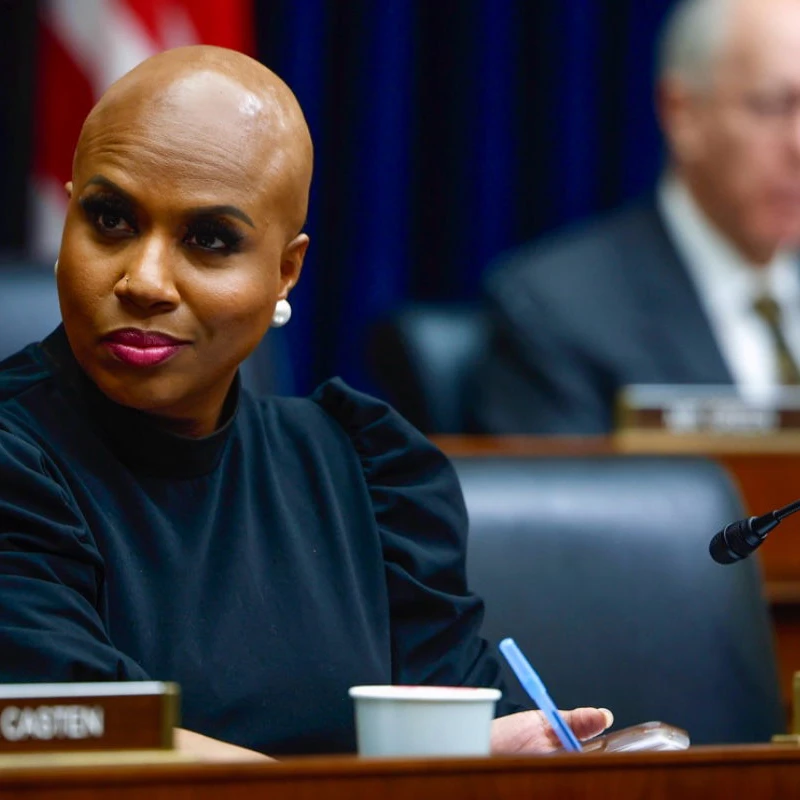
    Following the release of the September jobs report, Congresswoman Ayanna Pressley is sounding the alarm on the disproportionately high unemployment rate affecting Black women. The report, delayed due to the government shutdown, revealed a troubling statistic: Black women face an unemployment rate of 7.5%, significantly higher than the national average.

    A Crisis for Black Women in the Workforce

    Pressley, a member of the House Financial Services Committee, is urging the Federal Reserve to take immediate action. She described the unemployment numbers as “damning” and directly linked the crisis to policies under the Trump administration. “Under Donald J. Trump, Black women continue to face a crisis of disproportionately high unemployment,” Pressley stated, citing “reckless mass firings,” the affordability crisis, and attacks on diversity, equity, inclusion, and accessibility (DEIA) initiatives as contributing factors.

    She emphasized the vital role Black women play in both families and the economy. “As the primary breadwinners for many households, Black women are the backbones of our families and our economy,” Pressley asserted. “Their systematic pushout not only has dangerous consequences for Black women, Black families, Black futures. It is also a glaring red flag for the entire U.S. economy.”

    Economic Slowdown and Layoffs

    The September jobs report, released late after the government shutdown, showed a modest gain of 119,000 jobs. However, experts caution that the numbers indicate a broader slowdown in the labor market. The unemployment rate ticked up to 4.4% from 4.3%, and wage growth decelerated. This economic uncertainty is compounded by major companies like Amazon, General Motors, IBM, and Microsoft announcing tens of thousands of layoffs.

    Experts from the Center for American Progress point to factors such as uncertainty surrounding President Trump’s tariff policies, significant cuts to federal government services, and reductions in healthcare and social programs as contributors to this hiring slowdown and subsequent layoffs.

    A Call for Federal Reserve Intervention

    In a letter addressed to Federal Reserve Chairman Jerome Powell, Pressley formally requested immediate action. She reminded Powell of the Fed’s “statutory mandate to promote maximum employment,” stressing that this must apply to everyone, regardless of race or gender. The congresswoman highlighted that in August 2025, 6.7% of Black women faced unemployment, a rate considerably higher than the national average of 4.3%.

    Pressley concluded by stating, “This disparity should not go overlooked as unemployment of Black women is a key metric of the health of the U.S. economy.” She also noted that Black women are disproportionately represented in higher education, are the fastest-growing group of entrepreneurs, and often serve as the primary breadwinners for their families, underscoring the economic impact of their employment challenges.

    What actions do you think the Federal Reserve should take to address the unemployment rate among Black women? Share your ideas in the comments below!
  • Fed Governor Lisa Cook Denies Mortgage Fraud Claims

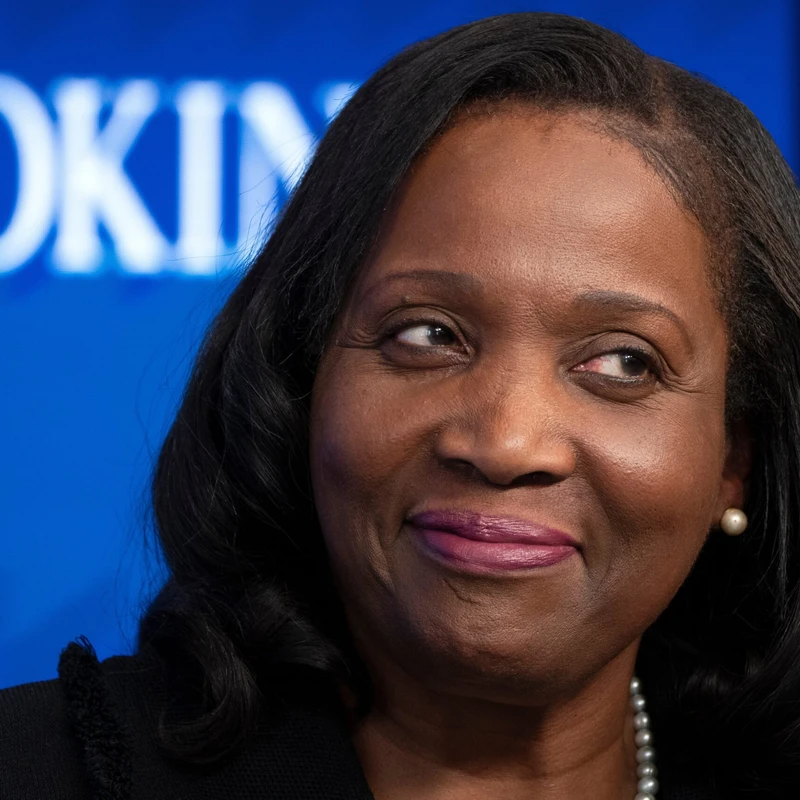
    In the high-stakes world of central banking, accusations can fly, and sometimes they carry political weight. Federal Reserve Governor Lisa Cook is now pushing back against claims of mortgage fraud, allegations that were used by the Trump administration in an attempt to remove her from her influential position. This marks a significant moment, as it’s the first time a president has tried to oust a Fed governor in the institution’s 112-year history.

    A Strong Rebuttal to ‘Baseless’ Claims

    In a formal letter sent to Attorney General Pam Bondi, Cook’s legal team has vehemently denied the accusations. These claims originated from Bill Pulte, the director of the Federal Housing Finance Agency (FHFA), who made a criminal referral in August. Pulte has also leveled similar accusations against prominent Democrats, including New York Attorney General Letitia James and California representatives Adam Schiff and Eric Swalwell.

    The timing of the attempted firing is notable, occurring as President Trump frequently criticized the Federal Reserve for not lowering its key interest rate fast enough. Had Cook been removed, it would have allowed Trump to appoint a fourth member to the seven-person board, potentially securing a presidential majority. However, Cook fought to keep her job, and the Supreme Court ruled she could remain in her position while the legal battle continues, with arguments scheduled for January.

    Focus on a Single Document Reference

    Cook’s attorney, Abbe Lowell, stated in the letter that the case against his client largely hinges on a single, “plainly innocuous” reference in a 2021 mortgage document. He argued that this isolated notation was overshadowed by several other truthful and more specific disclosures about the homes she has purchased. “There is no fraud, no intent to deceive, nothing whatsoever criminal or remotely a basis to allege mortgage fraud,” the letter asserts.

    The Allegations Explained

    The core of Pulte’s accusation, made in August, centers on Cook allegedly declaring two different homes – one in Ann Arbor, Michigan, and another in Atlanta – as her “primary residence.” Such declarations can lead to more favorable mortgage terms, like lower rates or smaller down payments, compared to classifying a property as a second or vacation home. Pulte publicly stated on social media, “Do not declare two principal residences in President Trump’s America. Mortgage fraud is a serious crime and must be prosecuted as such.”

    However, Lowell countered that Pulte has pursued these allegations in a partisan manner, targeting Democrats while allegedly ignoring similar claims against Republicans. Pulte also made a second referral concerning a property in Cambridge, Massachusetts, alleging Cook classified it as a primary residence while renting it out.

    Cook’s Defense and Primary Residence Claims

    Lowell’s letter explains that Cook has primarily lived in the Ann Arbor property since purchasing it in 2005, making it accurate to list it as her primary residence when refinancing in June 2021. A month later, she bought a condo in Atlanta. In a July 2021 document for the Atlanta property, it was also referred to as her “primary residence.” Lowell characterized this as an “isolated notation” without intent to defraud, especially since an earlier mortgage application to the same lender in May 2021 had classified the Atlanta condo as a “vacation home.” Furthermore, Cook disclosed it as a second home in federal filings during her confirmation process for the Fed.

    Regarding the Cambridge home, obtained while Cook worked at Harvard University, Lowell stated there was no fraud. She lived there as her primary residence for about five years after buying it in 2002. When she refinanced the property in 2021, it was correctly redesignated as a second home. Her financial filings for the Fed also listed it as a rental and second home. “Once again, Director Pulte offers no evidence indicating that Governor Cook had the ‘required specific intent to defraud’ in relation to the Cambridge property,” Lowell wrote.

    Questions About Pulte’s Motives

    Lowell pointed out Pulte’s apparent lack of interest in investigating similar allegations against allies of President Trump, including members of his administration and even Pulte’s own father. “One would expect that he would have made referrals to you based on the same types of documents about others,” Lowell wrote. This suggests a potential political bias in Pulte’s investigations.

    Pulte himself has faced scrutiny, including a controversial proposal for a 50-year mortgage and the purging of ethics officials at Fannie Mae and Freddie Mac. His actions have reportedly rattled the housing industry and led to concerns about collusion and data sharing among top executives.

    In a separate but related matter, Lowell, representing New York Attorney General Letitia James in a mortgage fraud investigation, has asked a judge to dismiss a case pushed by Pulte. He described Pulte’s conduct as “outrageous” and accused him of turning the FHFA into a tool against Trump’s political opponents, even when internal investigators found insufficient evidence of fraud.

    What are your thoughts on these mortgage fraud allegations and Lisa Cook’s defense? Do you believe the claims are politically motivated? Share your perspective in the comments below!

  • Why the Federal Reserve Matters

    In recent years, the Federal Reserve (often called the Fed) has been under a microscope, facing immense challenges from the pandemic, economic uncertainty, high inflation, and political pressures. Understanding this central bank’s role is crucial, as its decisions profoundly influence everything from interest rates and employment to the value of your savings.

    The Fed’s Origins: Preventing Financial Crises

    The Federal Reserve was established in 1913 to combat the instability caused by frequent banking crises, like the Panic of 1907. The idea was to create a ‘lender of last resort’ that could provide emergency liquidity to banks, reassuring depositors and preventing bank runs. However, historical analysis suggests the Fed’s early record on financial stability was less than stellar, with significant improvements often attributed to other measures like federal deposit insurance.

    The Fed’s mission has expanded significantly since its inception. Beyond its original mandate, it now plays a major role in financial regulation, influenced by acts like Dodd-Frank. This includes overseeing large financial institutions, conducting stress tests, and monitoring financial threats through its regional banks and the Financial Stability Oversight Council.

    Monetary Policy: The Fed’s Most Visible Role

    The Fed’s most prominent function is controlling the nation’s monetary policy. This is managed by the Federal Open Market Committee (FOMC), which influences short-term interest rates and the money supply. Through tools like quantitative easing (buying financial assets) or adjusting interest rates on bank reserves, the Fed aims to stimulate or moderate the economy.

    When the Fed pursues ‘expansionary’ policy by injecting liquidity or lowering rates, it encourages borrowing, investment, and consumption. Conversely, ‘contractionary’ policy withdraws liquidity, raising interest rates and slowing economic activity. These actions are intended to achieve the Fed’s ‘dual mandate.’

    The ‘Dual Mandate’: Balancing Employment and Prices

    In 1977, Congress tasked the Fed with pursuing both maximum employment and stable prices. These goals, while both desirable, often create a tension. Expansionary policies that boost employment can risk increasing inflation, while contractionary policies aimed at curbing inflation might lead to higher unemployment.

    The challenge lies in balancing these objectives. For instance, keeping interest rates low can help the federal budget by reducing borrowing costs, but it risks fueling inflation. Conversely, raising rates to tame inflation could slow job growth. Periods of both high inflation and high unemployment, like the 1970s, make this balancing act particularly difficult.

    The Problem of Inflation and Market Signals

    The Fed’s historical performance on maintaining stable prices is questionable. Economists note that the value of a typical consumer basket increased dramatically after the Fed’s creation compared to the period before. A key concern is that by intervening in interest rates, the Fed distorts market signals. Austrian economics suggests that interest rates, like other prices, coordinate saving and investment decisions. Artificially low rates can encourage overconsumption and overinvestment, leading to unsustainable economic activity.

    Furthermore, the Fed faces implicit pressure to manage the federal budget deficit through inflation. Resisting political pressure, such as demands for inflationary monetary policies, is crucial for maintaining both macroeconomic and price stability. The Fed’s difficult job involves constant trade-offs, and ongoing discussions about reform are necessary, especially given its track record on inflation.

    What do you think the Federal Reserve’s primary focus should be: maximum employment or stable prices? Share your thoughts in the comments below!

  • Pressley to Powell: Address Black Women’s Unemployment

    Are you keeping an eye on the job market? Because if you are, you might have noticed some concerning trends, especially for Black women. Congresswoman Ayanna Pressley is sounding the alarm, urging Federal Reserve Chair Jerome Powell to take immediate action as the unemployment rate for Black women continues to climb at a disproportionate rate.

    The Alarming Numbers

    In a letter sent on September 8, 2025, Pressley highlighted that in August, a staggering 6.7% of Black women were unemployed. To put that in perspective, it’s significantly higher than the national average of 4.3%, according to the Bureau of Labor Statistics. This isn’t just a blip; it’s a continuation of a worrying trend.

    As AFROTECH™ reported previously, Black women have faced elevated unemployment rates for months. The numbers have steadily increased, from 5.1% in March to a peak of 6.2% in May, before a slight dip in June. Pressley emphasizes that this disparity is a critical indicator of the overall health of the U.S. economy.

    Why This Matters

    Pressley points out that Black women are not only highly represented in higher education and entrepreneurship but also disproportionately serve as the primary breadwinners for their families. When this key demographic faces significant job losses, it sends shockwaves through households and the broader economy.

    She warns that with overall job openings and hires decreasing since July 2024, the current economic outlook should be viewed as a serious red flag for the entire country. This isn’t just about individual job losses; it’s about economic stability for many families.

    Contributing Factors

    Several factors are contributing to this crisis, according to Pressley. She cites mass federal workforce layoffs and ongoing attacks on diversity, equity, and inclusion (DEI) initiatives, particularly those escalated under the Trump administration. Black women are overrepresented in the federal workforce, making them particularly vulnerable to these cuts.

    The numbers are stark: between February and March, Black women experienced the largest job loss since mid-2020. Over the past year, their representation in federal jobs has declined by an estimated 33%, a much steeper drop than the overall federal workforce. This suggests a targeted impact on this demographic.

    A Call for Federal Reserve Action

    Pressley argues that these policies are harming the economy by removing the valuable contributions of Black women. She insists that the Federal Reserve must adjust its approach to ensure a fair economy, especially in light of what she calls “fiscally irresponsible policies from the White House.”

    She has formally requested a detailed plan from Chair Powell by September 30, 2025, outlining how the Fed intends to address the rising unemployment rate among Black women. It’s a clear demand for accountability and proactive measures.

    What do you think the Federal Reserve should do to address the rising unemployment rate among Black women? Share your thoughts in the comments below!

  • Judge Blocks Trump’s Attempt to Fire Fed Governor Lisa Cook

    In a significant legal victory, Federal Reserve Governor Lisa Cook has successfully challenged President Trump’s attempt to remove her from her post. A federal judge has issued a preliminary injunction, blocking the termination and citing a violation of the Federal Reserve Act’s ‘for cause’ provision.

    The ‘For Cause’ Provision: What It Means

    U.S. District Court Judge Jia Cobb, who was appointed by a former President Joe Biden appointee, clarified the ‘for cause’ requirement. She stated that removing a Fed governor requires a legal cause directly related to their conduct or behavior while in office. Actions taken before assuming their role, like alleged mortgage fraud claims made by Federal Housing Finance Agency Director Bill Pulte, do not meet this standard for termination.

    Cook, the first Black female governor on the Federal Reserve Board, denied all allegations of wrongdoing, noting that the documents in question were signed before she joined the agency. Judge Cobb deemed the claims unsubstantiated and insufficient to justify termination.

    A Challenge to Financial Stability?

    Cook’s legal team, led by Abbe Lowell, celebrated the ruling, arguing that Trump’s attempt to remove her based on vague allegations could jeopardize the stability of the financial system and undermine the rule of law. They emphasized that Governor Cook will continue to fulfill her duties.

    Conversely, the White House, through spokesperson Kush Desai, maintained that the removal attempt was lawful and aimed at improving accountability at the Fed. They argued that removing a governor credibly accused of financial misconduct enhances the board’s credibility with markets and the public.

    Precedent and Future Implications

    This case marks the first time a sitting president has attempted to fire a Fed governor for alleged cause. The decision could potentially head to the Supreme Court, setting a significant precedent. If Cook were removed, Trump would gain the opportunity to nominate her successor, potentially giving him a majority of nominees on the seven-member board.

    Cook’s continued presence means she will participate in the Fed’s upcoming meeting on September 16, where a decision on interest rates is anticipated. The board is also set to vote on the nomination of Stephen Miran to fill the vacancy left by Adriana Kugler’s resignation.

    What are your thoughts on the judge’s decision and the implications for the Federal Reserve’s independence? Share your views in the comments below!

  • DOJ Probes Fed Governor Lisa Cook Amid Fraud Claims

    Federal Reserve Governor Lisa Cook is navigating a complex legal battle on multiple fronts. Just days after announcing her intention to sue over former President Donald Trump’s order for her removal, the Justice Department has launched its own investigation into alleged mortgage fraud connected to her past real estate dealings.

    New Investigations Surface Amidst Legal Fight

    On September 4th, an anonymous source revealed that investigators have issued subpoenas related to Cook’s alleged involvement in mortgage fraud. This inquiry follows a criminal referral from a top housing regulator. The timing is particularly significant, as it comes amid Cook’s legal challenge against Trump’s attempt to oust her from the traditionally independent Federal Reserve board.

    Cook’s legal team, led by Abbe David Lowell, argues that the administration is attempting to invent justifications for what they deem an illegal firing and political overreach. “This Justice Department — perhaps the most politicized in American history — will do whatever President Trump demands,” Lowell stated, suggesting the investigation is politically motivated.

    Allegations of Mortgage Fraud

    The probe into Governor Cook stems from allegations made by Bill Pulte, a Trump appointee. Pulte claims that Cook committed mortgage fraud concerning two properties she purchased in 2021, before her appointment to the Federal Reserve. The accusation centers on Cook allegedly claiming both an Ann Arbor, Michigan, home and an Atlanta, Georgia, home as primary residences to secure more favorable loan terms, which are typically lower than those for second homes or rental properties.

    This inquiry is reportedly being led by Ed Martin, who heads the Justice Department’s Weaponization Working Group. Notably, Martin is also overseeing similar mortgage fraud probes into prominent Trump critics, including Senator Adam Schiff and New York Attorney General Letitia James, both of whom deny any wrongdoing.

    The Independence of the Federal Reserve at Stake?

    The Justice Department has asked a Washington federal judge to allow Cook’s immediate removal, dismissing her claims of political control over the Fed as “baseless.” However, Cook’s attorneys argue her firing was unlawful, as Fed governors can only be dismissed “for cause,” such as inefficiency or misconduct, and she was denied a hearing. They maintain she never engaged in mortgage fraud.

    Economists are sounding the alarm, warning that allowing the White House to exert influence over the Federal Reserve could politicize crucial interest rate decisions. This potential politicization could lead to borrowing costs being manipulated to suit a particular political agenda, undermining the Fed’s 112-year history of independence. This case could prove to be a pivotal moment for the institution’s ability to make tough economic decisions, like raising rates to combat inflation, free from political pressure.

    What are your thoughts on the Justice Department’s investigation into Lisa Cook and the potential impact on the Federal Reserve’s independence? Share your views in the comments below.

  • Stock Futures Mixed Ahead of Crucial Jobs Data

    Wall Street futures are showing mixed signals this Friday morning as investors brace for the release of the August employment report. This crucial economic indicator is expected to heavily influence the Federal Reserve’s upcoming policy decisions. Dow Jones Industrial Average futures saw a slight dip of 31 points (0.1% decrease), while S&P 500 futures edged up by 0.2%, and Nasdaq-100 futures climbed 0.5%.

    Key Jobs Data and Fed Rate Expectations

    The August employment report is highly anticipated, with economists predicting that the U.S. economy added approximately 75,000 jobs. The unemployment rate is expected to rise to 4.3%. These projections follow recent weaker private sector employment data, which has cast some doubt on the labor market’s overall strength. Market participants are closely watching this report, as it could be decisive in shaping expectations for Federal Reserve rate policy. Current futures trading data suggests a high probability (97%) of the central bank implementing a benchmark interest rate cut at its September meeting.

    Investment professionals believe the jobs report will provide vital support for these anticipated monetary policy changes. Recent employment figures have indicated a cooling labor market, which many investors interpret as a green light for lower interest rates. However, there’s a dual perspective: while markets may welcome data supporting rate cuts, a significant deterioration in employment numbers could trigger broader economic concerns. This highlights the delicate balance investors are trying to strike between anticipating monetary easing and maintaining economic stability.

    Market Momentum and Individual Stock Movements

    The employment report is being released amidst continued positive momentum in the stock markets. The S&P 500 reached a new record high on Thursday, buoyed by increased risk appetite during afternoon trading. Weekly performance across major indices also indicates sustained strength. Several individual stocks made notable moves in extended trading, offering glimpses into sector trends. Electric vehicle maker Tesla saw a 2% rise in premarket trading following the filing of an ambitious executive compensation plan tied to significant shareholder value creation targets. Semiconductor company Broadcom experienced a more than 4% gain in after-hours trading, driven by better-than-expected quarterly results and an optimistic forward guidance.

    Conversely, athletic apparel company Lululemon saw a significant decline of over 13% after reporting revenue that missed analyst estimates, attributed to a slowdown in U.S. business and tariff concerns. Software company DocuSign, however, gained approximately 5% after surpassing expectations in its quarterly earnings and revenue reports, coupled with optimistic future guidance. Pharmaceutical company Amneal also saw modest gains following FDA approval for a new product, illustrating how regulatory developments can impact specific stocks independently of broader market conditions.

    Bond Market Signals and Weekly Performance

    In the bond market, long-term yields experienced upward pressure throughout the week, with 30-year yields briefly surpassing 5%. Analysts suggest that longer-dated debt could face further upward pressure due to concerns about central bank independence and potential policy shifts. These movements in the bond market reflect investor uncertainty regarding long-term economic conditions and the effectiveness of future monetary policies. Despite the mixed signals from Friday morning’s futures, major stock indices are on track for weekly gains. The S&P 500 is up 0.7% for the week, the Nasdaq Composite has gained 1.2%, and the Dow Jones Industrial Average has seen a more modest 0.2% advance. Investors continue to navigate a landscape where optimism about potential Fed rate cuts is balanced against concerns about underlying economic conditions.

    What are your predictions for the August employment report and its impact on the Federal Reserve’s decisions? Share your thoughts in the comments below!

  • US Job Growth Slows Dramatically, Unemployment Rises

    Hold onto your hats, folks – the latest jobs report from the Bureau of Labor Statistics (BLS) paints a picture of a U.S. economy that’s hitting the brakes. Hiring has slowed down considerably, and it’s raising some serious questions about just how strong our economy really is right now.

    August’s Disappointing Numbers

    In August, the economy only added a mere 22,000 jobs. To put that in perspective, economists were expecting a much higher number, around 76,500. On top of that, the unemployment rate crept up to 4.3%, a slight increase from July’s 4.2%. While still historically low, this is the highest it’s been since October 2021.

    A Fragile Job Market Revealed

    After years of showing incredible resilience, the U.S. job market is starting to look a bit fragile. What’s more concerning are the revisions to previous months’ data. June’s job gains were dramatically revised downwards, turning an initial gain of 14,000 jobs into an actual loss of 13,000. This marks the first monthly decline since December 2020, breaking a streak of nearly five years of uninterrupted job growth.

    Sector-Specific Trends: A Mixed Bag

    Looking at different industries, the picture is quite varied. Sectors like construction and manufacturing saw job losses in August, with manufacturing experiencing its fourth consecutive month of decline despite support efforts. However, the healthcare and social assistance sector continues to be a bright spot, adding nearly 47,000 jobs and accounting for a significant portion of private-sector job creation this year.

    Implications for the Federal Reserve

    This weak jobs report is already influencing expectations for the Federal Reserve. Many investors now anticipate that the hiring slowdown will likely lead to an interest rate cut in September. This move, which the White House has been advocating for due to low inflation, now seems more probable given the sluggish job growth and rising unemployment.

    The next U.S. jobs report, covering September 2025, is scheduled for release on October 3rd. All eyes will be on this data to see if this slowdown is a temporary blip or the start of a more significant trend.

    What do you think this jobs report means for the economy? Share your insights in the comments below!

  • Gold Prices Soar to Record Highs Amid Fed Uncertainty

    Gold prices have reached unprecedented heights, shattering the $3,500 per ounce barrier and surging over 32% year-to-date. This remarkable rally is being fueled by a confluence of factors, including anticipated Federal Reserve interest rate cuts and broader concerns about the global economic landscape, positioning gold as a top-performing asset in an uncertain market.

    The Perfect Storm for Gold

    The precious metal hit a new high of $3,508.50 per ounce on Tuesday, reflecting investor confidence in expected monetary easing from the Federal Reserve later this month. Markets are pricing in a nearly certain 0.25% rate cut at the Fed’s September 17th meeting, according to CME FedWatch data. Lower interest rates typically make non-yielding assets like gold more attractive compared to bonds and savings accounts, creating an ideal environment for its price appreciation.

    Adding to gold’s appeal is a weakening U.S. dollar, which has fallen to a monthly low against major currencies. A softer dollar makes gold more affordable for international buyers, potentially expanding demand beyond traditional Western markets. This currency dynamic, combined with a classic “safe haven” buying trend, is creating what analysts are calling a “perfect storm” for precious metals.

    Political Pressure and Central Bank Dynamics

    The current economic climate is further complicated by political pressures, particularly President Donald Trump’s ongoing criticism of Federal Reserve Chair Jerome Powell. Trump’s attacks on the Fed’s interest rate policies and Powell’s leadership have injected unusual uncertainty into monetary policy discussions. Financial market analysts suggest this political pressure is contributing to a “festering confidence crisis” in dollar assets, raising questions about whether policy decisions are being driven by economic data or political considerations.

    Meanwhile, central banks worldwide are actively increasing their gold reserves as they diversify away from dollar holdings. Nations like China and Russia are significantly boosting their gold purchases, viewing the metal as a hedge against potential financial sanctions or currency crises. This institutional buying provides a stable foundation for gold prices, independent of speculative trading.

    Psychological Milestones and Future Outlook

    The psychological significance of breaching the $3,500 mark cannot be understated, as such milestones often become self-fulfilling prophecies in commodity markets. Traders are increasingly adopting a “buy the dip” mentality, supported by both fundamental and technical indicators suggesting sustained rallies. Gold’s notable lack of correlation with stocks, real estate, and credit markets also makes it an attractive diversification tool for portfolios.

    The SPDR Gold Trust, the world’s largest gold-backed ETF, has seen its holdings rise to their highest level since August 2022, indicating broad participation in the rally. Analysts who previously projected lower average gold prices for 2025 now appear conservative. With the Fed expected to continue rate cuts and geopolitical tensions potentially persisting, some analysts predict gold could reach $3,600 or higher by year-end.

    Key Factors to Watch

    The sustainability of gold’s rally hinges on several converging factors, including continued central bank purchases, robust safe-haven demand, and accommodative monetary policy. However, any unexpected hawkish shift from the Federal Reserve could trigger profit-taking. The upcoming nonfarm payrolls report will be crucial in determining the potential size of the September rate cut. While silver has also seen a rally, platinum and palladium have shown less strength due to industrial demand concerns. Ultimately, gold’s trajectory will depend on the Fed’s actions aligning with market expectations and the persistence of geopolitical risks impacting global economic growth.

    What are your predictions for gold prices by the end of the year? Share your thoughts in the comments below!

  • Fed Governor Lisa Cook Sues Trump Admin Over Firing Attempt

    In an unprecedented move, Federal Reserve Governor Lisa Cook has filed a lawsuit against the Trump administration to block her attempted firing. This legal battle could have significant implications for the Federal Reserve’s long-standing political independence, a cornerstone of its ability to manage the U.S. economy.

    Challenging an Unprecedented Firing

    The lawsuit, filed to seek an injunction blocking her removal, aims to confirm Cook’s status as a member of the Fed’s governing board. Notably, no president has ever attempted to fire a Fed governor in the institution’s 112-year history until President Trump posted a letter announcing Cook’s termination. Trump cited allegations of mortgage fraud in 2021, prior to her appointment, as the reason for the removal.

    However, legal experts point out that the law governing the Fed requires a demonstrated “cause” for removal, typically involving misconduct or neglect of duty, and usually includes a process for the accused to respond. Cook has not been charged with any crime, and the lawsuit argues that unsubstantiated allegations about private mortgage applications do not meet the legal standard for removal.

    Concerns Over Political Interference

    This decision comes amid President Trump’s repeated criticism of Fed Chair Jerome Powell and the committee for not lowering interest rates more aggressively. The current short-term interest rate stands at 4.3%, following a reduction late last year. Powell has indicated a potential rate cut at the upcoming September meeting.

    Critics suggest that the firing of Cook, particularly over allegations from before her confirmation, could be a pretext to appoint a loyalist to the board who would support lower interest rates. Trump has stated his intention to appoint individuals who align with his views on monetary policy.

    The Impact on the Fed’s Independence

    The Federal Reserve wields significant power over the U.S. economy by adjusting interest rates, which influence borrowing costs for mortgages, auto loans, and businesses. If the courts allow Trump’s firing of Cook to stand, it could undermine the Fed’s political independence. This independence allows the Fed to make potentially unpopular decisions, like raising interest rates, to manage inflation. A less independent Fed could lead to higher borrowing costs for Americans as investors demand greater yields to offset potential future inflation.

    What are your thoughts on Lisa Cook’s lawsuit and its potential impact on the Federal Reserve? Share your views in the comments below!