Tag: Federal Grants

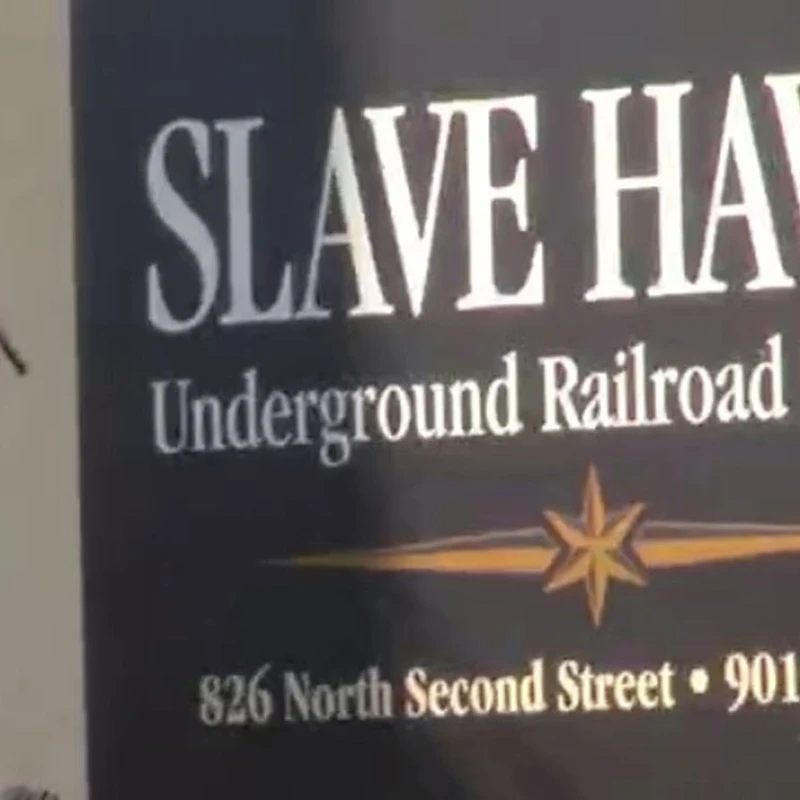
  • Underground Railroad Museum Sues Trump Admin Over Grant

    A significant lawsuit has been filed against the Trump administration by the Underground Railroad Education Center (UREC) in Albany, New York. The museum alleges that a crucial federal grant was revoked not for legitimate reasons, but due to racial discrimination linked to the administration’s anti-Diversity, Equity, and Inclusion (DEI) policies.

    Allegations of Racial Discrimination in Grant Cancellation

    The UREC, a nonprofit dedicated to preserving and educating the public about the history of the Underground Railroad, was initially awarded a $250,000 grant by the National Endowment for the Humanities. However, this funding was abruptly canceled last year. The lawsuit, filed in the U.S. District Court for the Northern District of New York, claims this cancellation violated the First and Fifth Amendments.

    According to the complaint, the decision to revoke the grant was a direct result of an executive order signed by Trump in January 2025, which effectively dismantled DEI initiatives across federal agencies. The museum’s legal team argues that the administration had “no legitimate basis” to cancel the grant and that programs “associated with the Black race” were specifically targeted for cuts.

    Impact on Black Historical Institutions

    The lawsuit asserts that “numerous statements of the current Executive Branch leadership reflect overt and coded racism supporting white supremacy and denigrating Black history in America.” The UREC points out that this policy led to the elimination of approximately 1,400 grants by April of the previous year, many of which supported institutions focused on Black history and culture.

    The UREC, housed in the historic home of abolitionists Stephen and Harriet Myers, has been instrumental in educating the Albany community about this vital part of Black American history since reopening in 2004. The loss of the grant has stalled a $12 million construction project for a neighboring center, impacting the museum’s ability to sustain its communal activities and educational programming.

    A Broader Pattern of Funding Setbacks

    The UREC is not alone in facing funding challenges. The lawsuit notes that other Black historical institutions, from local centers to the National Museum of African American History and Culture, have also experienced the recall of exhibits or funding setbacks due to the administration’s anti-DEI directive. The filing specifically claims the executive order “systematically targeted grantees and programs that sought to increase the public’s understanding of Black history and cultures.”

    • The Underground Railroad Education Center (UREC) is suing the Trump administration.
    • The lawsuit alleges a federal grant was canceled due to racial discrimination.
    • The cancellation is linked to the administration’s anti-DEI executive order.
    • UREC claims the grant repeal violated the First and Fifth Amendments.
    • The museum’s funding issues have stalled construction and impacted programming.

    What are your thoughts on the UREC’s lawsuit and the impact of anti-DEI policies on historical institutions? Share your perspective in the comments below!

  • DOE Cancels $350M in HBCU Grants

    Big news out of the U.S. Department of Education is sending shockwaves across campuses nationwide. The department has confirmed it’s slashing $350 million in federal grants that were allocated for Historically Black Colleges and Universities (HBCUs) and other minority-serving institutions. While the DOE is calling it a “restructuring effort,” many HBCUs are feeling the sting of this decision, viewing it as a significant blow to vital programs.

    What’s Being Cut and Why?

    These cuts target crucial initiatives designed to bolster HBCUs, expand STEM education for underrepresented students, and provide essential institutional support for minority-serving colleges across the country. For many of these institutions, which often operate on tight budgets, losing this funding could mean serious disruptions to everything from classroom resources and lab equipment to the very programs students rely on.

    Secretary Linda McMahon and the Department of Education are framing this as a “re-envisioning” of how they support underserved students. However, critics, including lawmakers and student advocates, argue this perspective overlooks the real-world impact. These grants aren’t just numbers on a spreadsheet; they fund mentorship programs, faculty development, and access to technology that directly benefits thousands of students.

    The High Stakes for HBCUs

    For many HBCUs, these federal grants are the lifeline that keeps essential programs running. Unlike larger universities that might have deeper financial reserves, smaller institutions, many of which are HBCUs, may struggle to absorb such a significant funding shortfall. This could mean stalled STEM pipelines, fewer research opportunities, and a reduction in vital student support services.

    This decision comes at a time when HBCUs are gaining more visibility and recognition, yet still face numerous challenges. The DOE’s move threatens to undo years of progress in diversifying higher education and ensuring equitable access for marginalized students. Lawmakers like Senator Patty Murray have already voiced strong opposition, warning that the department is jeopardizing resources that Congress has historically championed.

    Student Impact and Future Actions

    The consequences for students could be immediate and profound. Reduced funding for tutoring, research facilities, internships, and scholarships translates directly into fewer opportunities for students to succeed. Faculty are concerned that program closures could negatively affect student retention rates and deter prospective students from enrolling.

    This situation adds yet another layer of pressure on HBCUs, which are already grappling with limited funding, rising operational costs, and recent security threats. The backlash is expected to continue, with potential congressional hearings and legislative efforts to restore the funding. While the Department of Education claims it will redirect resources, HBCU leaders are emphasizing the need for stable, consistent support to ensure these institutions can continue empowering the next generation.

    What are your thoughts on the Department of Education’s decision to cut HBCU grants? How do you think this will impact students and institutions? Share your perspective in the comments below!