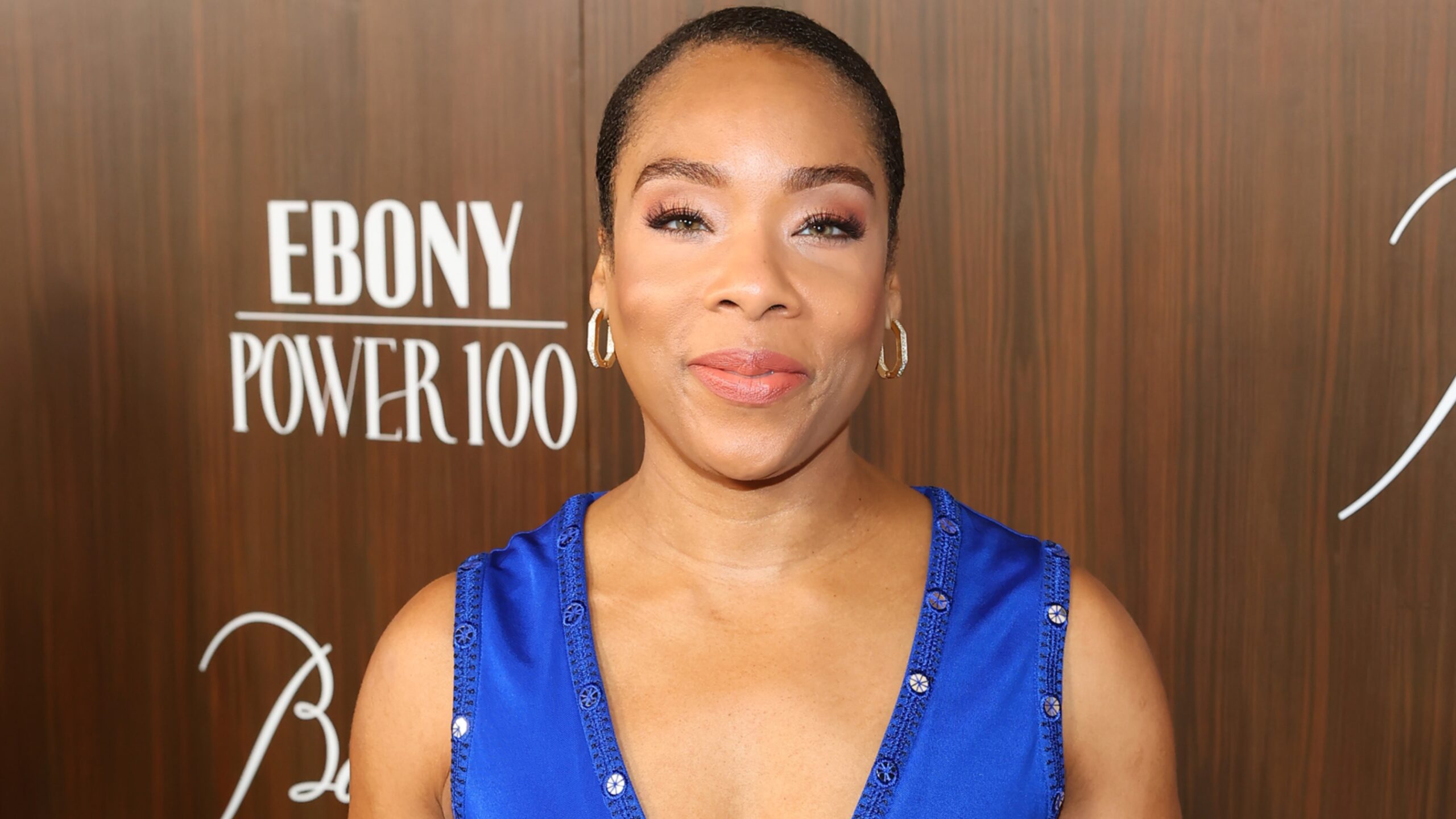
Tag: Fawn Weaver

  • Black Women Entrepreneurs Face Trump-Era Hurdles

    Black women are a powerful force in entrepreneurship, consistently showing resilience and innovation. However, the current economic climate, marked by instability under the Trump administration, is presenting formidable obstacles to their growth and long-term success. Prominent figures like Pinky Cole, founder of Slutty Vegan, and Fawn Weaver, creator of Uncle Nearest Premium Whiskey, are finding themselves restructuring their businesses to safeguard their legacies amidst public scrutiny and high-stakes setbacks.

    Economic Hurdles for Business Owners

    The current economic landscape poses serious challenges for business owners across the board. Unemployment remains a significant concern, with Black Americans facing a disproportionately higher rate of 7.7% compared to the overall rate of 4.4% reported in February. Simultaneously, persistent inflation continues to inflate operating costs, making it increasingly difficult for businesses to maintain profitability.

    Rising prices for goods and services, increased labor expenses, and ongoing supply chain disruptions are forcing many small business owners, about 46% of whom cite inflation as a top concern, to raise their prices while grappling with tighter profit margins. This economic turbulence creates a particularly precarious environment for ventures striving for expansion.

    Pinky Cole’s Journey Through Financial Strain

    Pinky Cole, founder of the popular vegan burger chain Slutty Vegan, recently shared insights into the difficulties following her rapid expansion to 14 locations by 2022, a period coinciding with the pandemic’s peak. This aggressive growth, coupled with soaring operational and overhead costs exacerbated by inflation, led to significant financial strain and a complex legal situation.

    Cole relinquished ownership of the company in February 2025, only to regain control just 43 days later. She filed for Chapter 11 bankruptcy protection in Georgia to restructure over $1.3 million in debt, including substantial amounts owed to the U.S. Small Business Administration and the Georgia Department of Revenue. Cole explained that rapid scaling, without proper positioning of talent, contributed to the business’s pressure.

    Navigating Legal Battles and Regaining Control

    To manage her debts, Cole utilized an Assignment for the Benefit of Creditors (ABC), a process allowing for more efficient liquidation of assets. After regaining ownership, she faced further challenges when a creditor seized her rental property. Despite not owing money on it, the property was locked down due to extended vacancy. Cole ultimately prevailed in court when the creditor failed to appear at a federal bankruptcy hearing, resulting in the property’s return and the creditor being ordered to cover her legal fees.

    This experience, while stressful, provided Cole with valuable lessons about the intricacies of business processes. Her resilience in overcoming these hurdles underscores the determination often required for Black women entrepreneurs, who, despite being the fastest-growing group of entrepreneurs in the U.S., frequently face limited access to capital and legal resources.

    Fawn Weaver’s Fight for Uncle Nearest

    Fawn Weaver, the visionary behind Uncle Nearest Premium Whiskey, is navigating her own set of legal and financial battles. Weaver recently secured a significant victory in her dispute with lender Farm Credit Mid-America, which had accused her and her husband of defaulting on over $108 million in loans. These allegations had led to a court-ordered receivership in 2025.

    However, Weaver announced the receivership’s termination following decisive legal action. She, along with her husband and the company’s largest shareholder, has filed a lawsuit alleging the lender engaged in a smear campaign by spreading false claims about the company’s finances, despite possessing contradictory records. Weaver has assembled a team of ten attorneys to pursue litigation.

    Transparency and Resilience Amidst Adversity

    Like Cole, Weaver also filed for Chapter 11 protection to reorganize debt while safeguarding stakeholders. This process ensures continued operation and allows the company to address legal disputes while pursuing counterclaims. Weaver emphasized that Chapter 11 mandates complete financial transparency, stating, ‘In that courtroom, no one gets to hide behind filings without evidence or accusations without proof.’

    Despite the ongoing legal battles, Uncle Nearest Premium Whiskey continues to thrive, remaining one of the fastest-growing whiskey brands and earning numerous awards. Weaver’s success demonstrates the resilience and determination of Black women entrepreneurs who are not only carving out space at the highest levels of business but are also succeeding despite significant adversity.

    What are your thoughts on the challenges faced by Black women entrepreneurs like Pinky Cole and Fawn Weaver? How can the system better support these vital businesses? Share your insights in the comments below!
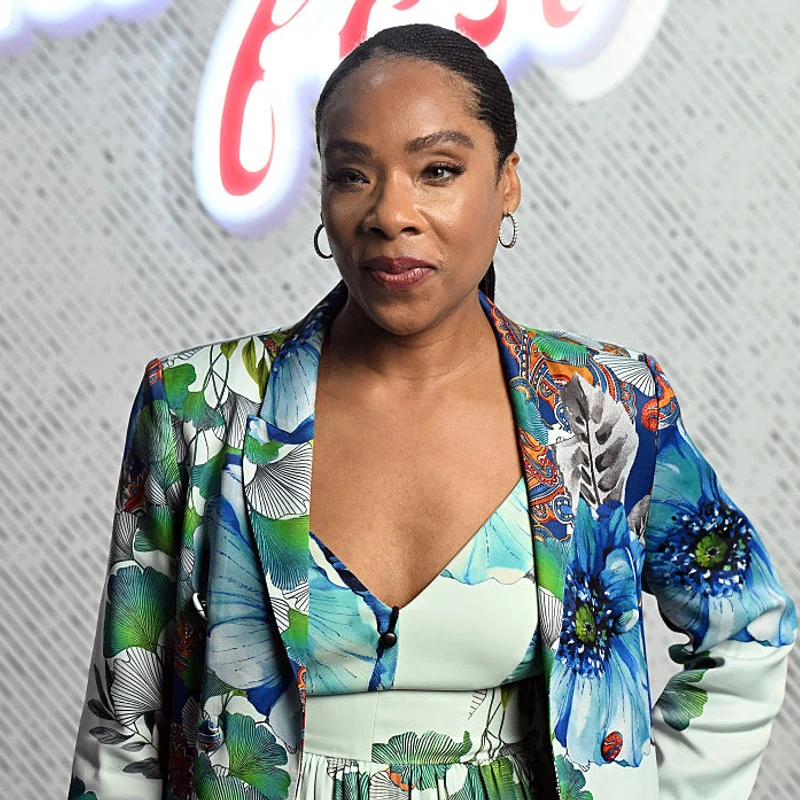
  • Uncle Nearest Lawsuit: Fawn Weaver Fights Back

    There’s a major legal showdown happening behind the scenes of one of America’s fastest-growing whiskey brands. Fawn Weaver, the visionary behind Uncle Nearest Premium Whiskey and the Nearest Green Distillery, has announced a significant victory in her dispute with lender Farm Credit Mid-America. This development marks a crucial step as the company exits receivership, a situation that arose from claims of a substantial loan default.

    A Legal Battle Unfolds

    The conflict began when Farm Credit Mid-America accused Weaver and her husband, Keith Weaver, of defaulting on loans totaling over $108 million. This led to a court-ordered receivership in 2025. However, on March 17, Weaver shared on Instagram that the receivership has officially ended, thanks to decisive legal actions aimed at safeguarding the company’s future.

    In response to the lender’s actions, Weaver, her husband, and the company’s primary shareholder have filed a $100 million lawsuit against Farm Credit Mid-America in the New York State Supreme Court. The suit alleges that the lender engaged in a smear campaign, spreading false information about Uncle Nearest, Inc. This included claims of missing inventory, financial misconduct, negative cash flow, and insolvency, despite the lender allegedly possessing records that disproved these allegations.

    Chapter 11 Protection and Counterclaims

    Weaver’s investment firm, Grant Sidney, Inc., stated that the lender’s accusations were allegedly intended to cover up its own internal errors in managing the credit facility for Uncle Nearest. To navigate this, Weaver filed for Chapter 11 protection, a move designed to reorganize the company’s debt while ensuring the protection of employees, creditors, and shareholders.

    “That filing immediately stayed the earlier lawsuit,” Weaver explained. “Many who read the headlines are understandably concerned about the allegations of financial irregularities… but that’s one of the reasons I approved entering Chapter 11 this morning, because Chapter 11 requires complete financial transparency.”

    Through the Chapter 11 process, Uncle Nearest, Inc. plans to pursue its own claims and counterclaims against Farm Credit Mid-America. The company disputes the stated principal balance of approximately $102.5 million on the loan, arguing that its assets are valued at around $529 million. This legal strategy aims to address the disputed credit facility head-on.

    Continued Operations Amidst Dispute

    Despite the ongoing legal battle, operations at the Nearest Green Distillery and the nationwide distribution of Uncle Nearest Premium Whiskey are set to continue without interruption. This ensures that customers can still enjoy the award-winning whiskey while the company navigates its restructuring and legal challenges.

    False accusations can travel quickly, especially when they involve the founders of a nationally recognized brand. But when accusations are contradicted by the very records already in the accuser’s possession, there must be accountability. — James Williams, Chief Litigator

    The lawsuit details accusations that the company improperly used loan funds, diverted money for a Martha’s Vineyard property purchase, and overstated the value of whiskey inventory. However, Weaver and her legal team are prepared to present evidence to counter these claims and seek accountability from the lender.

    What are your thoughts on this legal battle involving Uncle Nearest? Share your opinions in the comments below!

  • Fawn Weaver Fights Back Against ‘Smear Campaign’

    Uncle Nearest founder and CEO Fawn Weaver is pushing back hard against what she describes as a deliberate ‘smear campaign’ in the ongoing legal battle over her company’s receivership. Speaking at the ‘Inc. 5000 Conference’ on October 24th, Weaver didn’t hold back when discussing the challenges facing her acclaimed Tennessee whiskey brand.

    Addressing the Receivership Battle

    The core of the issue revolves around a reported default on $108 million in loans from Kentucky lender Farm Credit. This led to the Nearest Green Distillery and Uncle Nearest whiskey being placed under receivership in September. Weaver, however, argues that the lender’s actions, including the push to include additional assets in the receivership, are tactics designed to undermine her control.

    Specifically, Weaver called out the inclusion of a Martha’s Vineyard property, purchased in 2023, as a ‘smear campaign tactic.’ She believes the hope was to sway the judge into handing over the keys to her company by portraying the purchase as a misappropriation of funds. Weaver, who founded the company with her husband Keith, firmly opposes the receiver’s request to bring ten additional businesses under court control, arguing they are separate entities not responsible for the distillery’s debts.

    Defending Company Assets and Integrity

    In her filing opposing the receiver’s request, Weaver’s team argued that Uncle Nearest is not insolvent and possesses sufficient assets to cover the defaulted loans without involving other businesses. She highlighted that Farm Credit didn’t secure proper legal steps for collateral on most of their real estate holdings, questioning why seven out of eight properties were not included in the initial security agreement.

    “They didn’t have security over any of our collateral. And the question becomes, why not? Why did you not ask to perfect seven of our eight pieces of real estate? Martha’s Vineyard is just one of them,” Weaver stated. — Fawn Weaver

    Weaver also pointed out that the receivership request ‘ignores critical context,’ suggesting the lender failed to follow proper legal procedures. She emphasized her California roots and her preference for vacation homes in sunny, waterfront locations, framing the Martha’s Vineyard purchase as a personal choice, not a sign of financial impropriety.

    Resilience in Entrepreneurship

    Despite these challenges, Uncle Nearest remains a powerhouse in the whiskey market, celebrated as the second-best-selling Tennessee whiskey in the U.S. after Jack Daniel’s. The brand has achieved significant sales growth and numerous awards, even amidst a post-pandemic downturn in alcohol consumption and declining exports due to trade tensions.

    Weaver views these struggles as inherent risks of entrepreneurship. She shared her philosophy at the conference: ‘Every entrepreneur is going to have a moment in time where it looks like all is lost. The only difference between those who have been the most successful entrepreneurs in American history and those who have failed are those who gave up in the in between.’

    What are your thoughts on Fawn Weaver’s defense against the receivership claims? Do you believe the Martha’s Vineyard property is relevant to the company’s financial situation? Let us know in the comments!

  • Fawn Weaver Fights ‘Smear Campaign’ Over Uncle Nearest

    In the high-stakes world of business, challenges are inevitable, but Fawn Weaver, the visionary founder of Uncle Nearest Premium Whiskey, is calling out what she describes as a deliberate “smear campaign” amidst a contentious receivership battle. Weaver recently spoke out during a fireside chat at the ‘Inc. 5000 Conference’ on October 24th, shedding light on the ongoing legal fight over her company’s assets.

    Defending Against Allegations

    The core of the dispute revolves around Uncle Nearest’s reported default on $108 million in loans from Kentucky lender Farm Credit. This led to the distillery and its whiskey brand being placed under receivership in September. However, the situation escalated when receiver Phillip Young requested a judge to include additional assets in the receivership, such as a restaurant, entertainment venue, and a Martha’s Vineyard property purchased by Weaver and her husband, Keith, in 2023.

    Weaver vehemently denies these claims, arguing that these additional businesses are separate from the distillery and not responsible for its debts. She believes the inclusion of the Martha’s Vineyard property was a tactic to sway the judge. “Martha’s Vineyard was a smear campaign tactic,” Weaver stated, as captured by Inc. “Their hope was that the judge would see it, would accept the smear, and would turn over keys of my company to them.”

    The Fight for Financial Integrity

    In their official response filed on October 21st, the Weavers argued that the receiver’s request to control these extra entities would strip them and others of their financial interests. They maintain that Uncle Nearest is not insolvent and possesses sufficient assets to cover the defaulted loans without involving these other ventures. Weaver also pointed out that Farm Credit did not secure collateral for seven of their eight real estate properties, questioning why this oversight occurred.

    Despite the financial and legal turmoil, Uncle Nearest has continued to thrive, celebrated as the second-best-selling Tennessee whiskey in the U.S. and garnering numerous awards. This success comes even as the broader alcohol industry faces challenges like declining consumption and trade tensions. Weaver remains resolute, viewing these struggles as inherent risks of entrepreneurship.

    Resilience in Entrepreneurship

    Weaver’s message is one of resilience and determination. She shared her philosophy during the conference: “Every entrepreneur is going to have a moment in time where it looks like all is lost. The only difference between those who have been the most successful entrepreneurs in American history and those who have failed are those who gave up in the in between.” Her commitment to her company and her fight against what she perceives as unfair tactics underscore the tenacity required in the business world.

    What are your thoughts on Fawn Weaver’s stance against the ‘smear campaign’? Do you believe the additional assets should be included in the receivership? Let us know in the comments!

  • Op-Ed: Fawn Weaver’s Public Persona vs. Business Acumen

    In today’s business landscape, CEOs often serve as the public face of their companies, a role that requires visibility on social media and engagement with consumers. While this public-facing presence can build trust and brand loyalty, it can also become a significant distraction from the core business operations. The recent controversy surrounding Fawn Weaver and Nearest Green Distillery serves as a potent example of this delicate balance.

    Nearest Green Distillery Faces Receivership

    A Tennessee federal judge recently ordered Nearest Green Distillery to be placed into receivership, granting a third party the authority to manage the company’s finances. This action was taken after Farm-Credit Mid America filed a lawsuit alleging the company defaulted on $108 million in loans. Phillip G. Young, Jr. has been appointed as the receiver.

    It’s a difficult situation for Weaver and the brand, especially given the strong resonance of its story within the Black community. The brand honors Nathan “Nearest” Green, recognized as the first Black master distiller, whose techniques, including the “Lincoln County Process,” were foundational to Tennessee Whiskey and even influenced Jack Daniel. Weaver discovered this history in a New York Times article, which sparked the idea for Uncle Nearest.

    The Challenge of Balancing Roles

    Weaver, a “serial entrepreneur” for 25 years prior to launching Uncle Nearest, is now navigating the complex terrain of being both a public personality and a business professional. Her recent self-reference as the “People’s CEO” raises concerns that her public persona might be overshadowing essential business responsibilities. This situation draws parallels to that of Kimberly Bryant, founder of Black Girls Code.

    Bryant, an electrical engineer, faced allegations of a fear-based leadership style, leading to her removal by the board in 2022. While she initially expressed shock and dismay, Bryant and the board eventually reached an amicable agreement. Both experiences underscore the challenges Black founders can face when increased visibility leads to a greater focus on public personality over professional management, particularly concerning financials.

    Focusing on Financial Security

    The author suggests that founders of color, like Weaver and Bryant, need to be mindful of not becoming so consumed with being the “face” of their companies that they neglect the critical aspect of financial management. Without a solid financial foundation, the business itself cannot thrive, regardless of how strong the public persona may be.

    What are your thoughts on the challenges faced by founders in balancing public image and business operations? Share your insights in the comments below!

  • 5 Ways to Support Uncle Nearest CEO Fawn Weaver

    Fawn Weaver, the trailblazing founder and CEO of Uncle Nearest whiskey, is facing a period of receivership, but her message is one of strength and unwavering resolve. She emphasizes that she built the company, owns it, and runs it, backed by a dedicated leadership team. This moment, she asserts, is not an end but a test of resilience on the path to an even greater legacy. Uncle Nearest represents more than just whiskey; it’s a commitment to honoring history, empowering communities, and redefining leadership in business. Weaver’s team remains “unshaken and unmoved,” and she’s invited the community to stand with her. Here are five powerful ways to show your support:

    1. Clear the Shelves, Fill the Spirit

    Weaver’s simple yet profound call to action is “Clear the shelves.” Every purchase of Uncle Nearest is a tangible vote of confidence in her vision and the legacy of Nearest Green, the first known African American master distiller. By consciously choosing Uncle Nearest at restaurants, bars, and retailers, supporters send a powerful message that the brand’s foundation is robust and valued.

    2. Echo Her Resilience

    The words “unshaken and unmoved,” spoken by Weaver, perfectly encapsulate her leadership and the spirit of Uncle Nearest. Amplifying her message, sharing her powerful quotes, and echoing her resilience on social media helps shape a positive public narrative. This collective voice reminds everyone that true leaders are defined by their strength during adversity, not by avoiding challenges.

    3. Protect the Legacy

    Weaver consistently frames Uncle Nearest as “so much bigger than the current news cycle.” At its core, the company is dedicated to honoring Nearest Green’s descendants and ensuring his historical contributions are never forgotten. Supporters can actively protect this legacy by championing the Nearest Green Foundation, supporting its scholarship programs, and reinforcing that this work is about justice, history, and heritage, extending far beyond mere business transactions.

    4. Celebrate the Team Behind the Vision

    While Fawn Weaver is the prominent face of Uncle Nearest, she consistently highlights her leadership team, many of whom have been with her for six to eight years. In challenging times like these, acknowledging their dedication is vital. Sharing gratitude, supporting their updates, and celebrating their collective achievements underscores the strength and unity that have propelled Uncle Nearest’s remarkable growth.

    5. Invest in the Future Story

    Receivership might be a headline, but it doesn’t define the entire narrative. Uncle Nearest continues to be one of America’s fastest-growing whiskey brands, with a presence in tens of thousands of locations nationwide. Believing in Weaver’s vision means looking beyond the current challenges and recognizing the long-term story of legacy, innovation, and transformation. Supporting her by encouraging partnerships, sharing milestones, or maintaining faith in her leadership is an investment in the future she is determined to build.

    Fawn Weaver’s journey is a powerful reminder that building a lasting legacy often involves facing resistance. Her unwavering spirit and the community’s willingness to stand with her are paramount. Supporting her now is not just about preserving a brand; it’s about affirming a leader who has shattered barriers, honored history, and inspired countless others. In times of trial, we don’t just witness history; we help shape it. And right now, history calls on us to stand with Fawn Weaver.

    How will you support Fawn Weaver and the Uncle Nearest legacy? Share your commitment in the comments below!

  • Fawn Weaver: I Built, Own, and Run Uncle Nearest

    There’s been a lot of chatter lately about Fawn Weaver, the visionary founder of Uncle Nearest Whiskey. Reports have surfaced suggesting she might have lost control of the company after a judge recently placed the distillery under receivership. But Fawn is here to set the record straight, loud and clear!

    Weaver’s Defiant Stand

    In a powerful video shared on Instagram, Fawn Weaver addressed the speculation head-on. She emphasized her unwavering connection to the brand she poured her heart and soul into building. “I built this company. I own this company. I run this company,” she declared, leaving no room for doubt.

    She stood firm, highlighting the dedication of her long-standing leadership team. “My leadership team, who have all been with me for six to eight years, are right here building alongside me,” Weaver stated, showcasing the stability and commitment within the company.

    Resilience in the Face of Challenges

    Weaver acknowledged the current legal situation, which involves a dispute with Farm Credit concerning $108 million in loans. While a receiver has been appointed to temporarily manage the distillery, she wants everyone to know her commitment and leadership remain intact. “Our team remains unshaken and unmoved,” she assured her followers.

    Her message to aspiring entrepreneurs is one of grit and perseverance. “All major challenges are inevitable in ownership. That’s why so many tap out,” Weaver shared. “And my number one piece of advice to would-be entrepreneurs is if you are of the quitting kind, don’t start.”

    A Testament to Entrepreneurial Spirit

    Fawn Weaver’s response is a powerful reminder of the resilience required in the business world. Despite the temporary legal hurdles, her determination to lead and grow Uncle Nearest Whiskey is clear. It’s inspiring to see a founder so dedicated to their vision, especially when navigating complex financial situations.

    What are your thoughts on Fawn Weaver’s stance? Share your insights on entrepreneurship and leadership in the comments below!

  • Uncle Nearest CEO: Lawsuit Won’t Shake Brand

    In the face of a recent lawsuit that has placed her acclaimed whiskey brand, Uncle Nearest, under receivership, CEO Fawn Weaver is sending a clear message to her supporters: the company is as strong as ever. Weaver took to social media to address what she calls “fake news” circulating about her role and the brand’s stability, urging customers to continue their unwavering support.

    Weaver Reaffirms Ownership and Leadership

    Addressing rumors that she no longer owns Uncle Nearest, Weaver stated emphatically in an Instagram Reel, “Let me be clear: I built this company, I own this company, I run this company.” While a court-imposed gag order prevents her from sharing specific lawsuit details, Weaver expressed her commitment to speaking out, guided by her faith. “God didn’t call me to that,” she wrote in the caption. “He called me to live out loud and knew he built me strong enough to take the shots when they came.”

    The legal battle stems from a dispute with lender Farm Credit Mid America, which claims Uncle Nearest defaulted on $108 million in loans. Allegations include misrepresenting barrel inventory for loan increases and misusing funds on a Martha’s Vineyard property. However, a Tennessee judge’s order suggests the Weavers will remain in control of the brand’s marketing, a point Farm Credit reportedly agreed with to mitigate potential brand damage.

    A Call to Action: ‘Clear the Shelves’

    Weaver reiterated a message from an earlier post, encouraging fans to “keep clearing the shelves” at Uncle Nearest distributors as a powerful show of support. She highlighted that the brand is bucking the trend of declining alcohol consumption, with sales reportedly increasing in several states. “Our team remains unshaken and unmoved,” Weaver declared in her recent Reel, promising direct communication if anything changes.

    Building a Legacy Against the Odds

    Fawn Weaver’s journey with Uncle Nearest has been remarkable, transforming it into a $1.1 billion spirits brand. This current challenge underscores her resilience and dedication to the brand’s legacy, built on the story of Nearest Green, the formerly enslaved man who taught Jack Daniel how to make whiskey. The support from customers is crucial as the company navigates this legal period.

    What are your thoughts on Fawn Weaver’s response to the lawsuit? Have you tried Uncle Nearest whiskey? Share your experiences and opinions in the comments below!

  • Nearest Green Distillery Founders Sidelined in Loan Dispute

    This is a tough one. The celebrated, Black-owned Nearest Green Distillery, founded by Fawn and Keith Weaver, is now under the control of a receiver following a significant loan dispute. A federal judge in Tennessee ordered the company into receivership on August 14th, effectively removing the founders from operational management for the time being.

    A $108 Million Loan Default

    The move comes after Farm Credit, the distillery’s lender, claimed the Weavers and their Uncle Nearest brand defaulted on over $108 million in loans. The situation escalated with concerns about impending missed payments, prompting the court’s intervention to “safeguard the disputed assets.”

    The judge acknowledged that the receivership could still allow the Weavers to continue marketing and building the Uncle Nearest brand, potentially mitigating any damage to the brand’s reputation. This comes after a recent gag order prevented the Weavers from selling any Uncle Nearest assets.

    Allegations of Misrepresentation and Deception

    A major point of contention is a $24 million increase in the loan amount, reportedly due to “misrepresentations of Uncle Nearest’s barrel inventory.” The Weavers have blamed their former CFO, Mike Senzaki, for this alleged deception, stating they were unaware of the false numbers. However, the judge found this aspect particularly troubling, noting that the loans might not be adequately secured if the barrels don’t exist as claimed.

    Farm Credit Mid-America initially sued in Tennessee, alleging a default on $100 million in loans. The Weavers, meanwhile, maintain they are “victims of fraud.” Both sides are expected to submit proposed receiver candidates by August 20th.

    This is a complex situation for a pioneering Black-owned business. What are your thoughts on the receivership and the allegations? Share your perspective in the comments below!

  • Uncle Nearest Whiskey Faces Receivership Amid Loan Dispute

    The future of Uncle Nearest, a celebrated Black-owned whiskey brand reportedly valued at a billion dollars, is now uncertain as it has been placed under receivership. This development follows a lawsuit filed by one of its lenders, Farm Credit Mid America, casting a shadow over the role of its founder, CEO Fawn Weaver.

    Loan Default and Legal Action

    According to the New York Times, a federal judge in Tennessee ruled in favor of Farm Credit Mid America, which claimed Uncle Nearest had defaulted on three separate loans totaling $108 million, excluding interest. This default, as per the initial agreement, triggered the grounds for a receivership.

    The lawsuit also alleges that the company misused loan funds, including the purchase of a $2 million estate in Martha’s Vineyard. Furthermore, it’s claimed that barrels of whiskey used as collateral were sold to satisfy outstanding debts with other lenders. The court’s order for receivership aims to safeguard these disputed assets and protect Farm Credit’s investment.

    Weaver’s Role and Brand Defense

    The exact role of CEO Fawn Weaver moving forward remains unresolved. She and her husband, Keith Weaver, founded Uncle Nearest in 2017, inspired by Nathan ‘Nearest’ Green, the first known African American whiskey distiller, who is credited with influencing Jack Daniel’s formula. The judge’s order suggests Weaver could continue to market and build the brand, potentially mitigating damage from the receivership.

    The Weavers have pushed back against the allegations, attributing the financial issues to the company’s former CFO, Mike Senzaki, whom they claim misled them about whiskey barrel inventory, leading to an increased credit line from Farm Credit. They also presented evidence, including emails and travel records, to counter claims of fund misuse on the Martha’s Vineyard property, suggesting Farm Credit representatives were aware of and participated in activities there.

    Fawn Weaver took to Instagram on August 3rd to defend the brand, urging followers to “clear the shelves” to demonstrate demand. She expressed confidence that the truth would gain as much traction as the alleged “intentional misleadings and hit pieces.” Following the judge’s decision, she posted a quote from ‘Black Panther,’ emphasizing resilience and the long game.

    What are your thoughts on the Uncle Nearest receivership situation? Share your perspective in the comments below!