Tag: False Alarm

  • False Alarm: University of Arkansas Library Lockdown

    Panic erupted on the University of Arkansas campus Monday afternoon when students received a RazALERT emergency notification warning of an active shooter at Mullins Library. The alert, sent at 12:27 p.m., instructed students to “avoid the area of Mullins Library due to an active shooter reported. Avoid. Deny. Defend.” This triggered a massive response from multiple law enforcement agencies.

    Rapid Response and Area Lockdown

    The report of an active shooter at the centrally located Mullins Library, adjacent to the Student Union, prompted an immediate and significant law enforcement response. Agencies including campus police, the Fayetteville Police Department, the Washington County Sheriff’s Office, and the FBI established a perimeter around the library. Officers began evacuating students from the library and surrounding buildings as a precautionary measure.

    Razorback Stadium and other campus facilities were also placed under lockdown as part of the emergency protocols. The swift and comprehensive mobilization reflected the seriousness with which such threats are treated on college campuses.

    No Confirmed Shooting, Investigation Continues

    By 1:10 p.m., Sergeant Stephen Mauk of the Fayetteville Police Department provided an update, confirming that there was no confirmed shooting. However, law enforcement continued to meticulously clear the library and surrounding areas to ensure the safety of everyone on campus. The RazALERT system was credited with effectively disseminating the warning, allowing individuals to take immediate safety precautions.

    Despite the all-clear regarding an actual shooting, the incident highlights the effectiveness of the campus’s emergency notification system in alerting the community. The methodical clearing process continued even after the initial assessment, ensuring no potential threats remained undetected.

    False Alarm Confirmed, Community Relief

    After a thorough investigation and clearing of all campus buildings, authorities confirmed that the active shooter report was a false alarm. The University of Arkansas community breathed a sigh of relief as emergency restrictions were lifted. While the incident caused understandable panic, the coordinated response ensured no injuries occurred during the evacuation and investigation.

    What are your thoughts on campus emergency alert systems and the response to potential threats? Share your opinions in the comments below!
  • Villanova Shooter Report: A Cruel Hoax, Confirms President

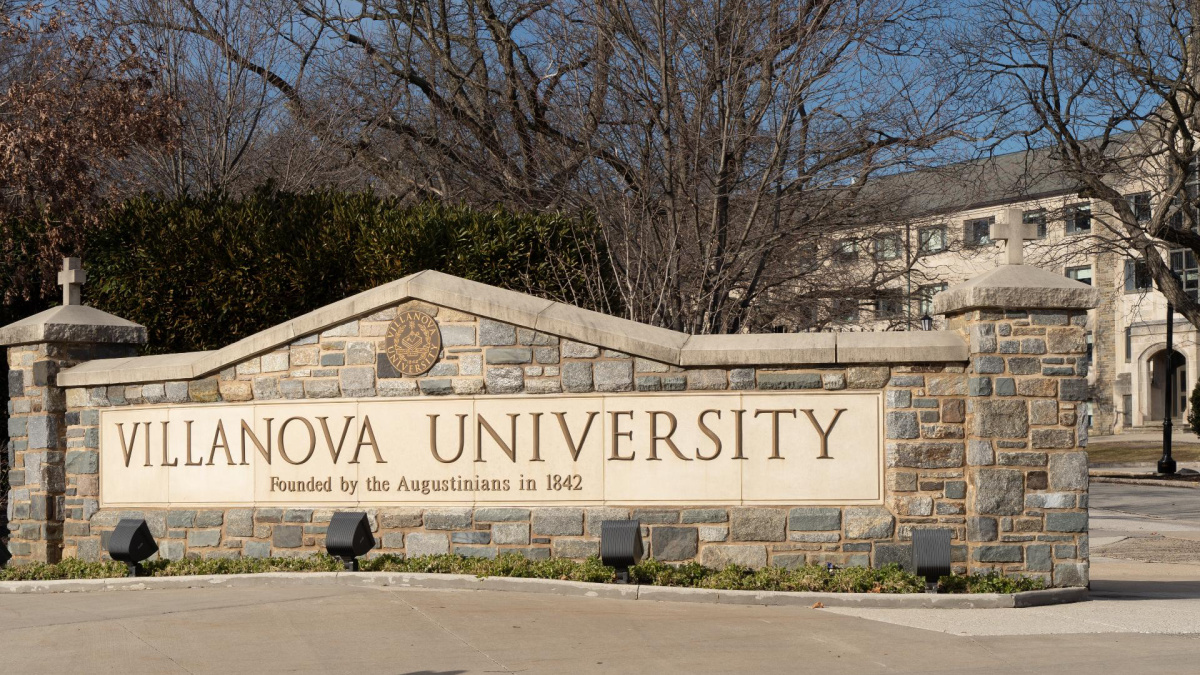
    A wave of panic swept through Villanova University on Thursday when students received urgent alerts about an active shooter on campus, leading to an immediate lockdown. The terrifying situation prompted students to barricade doors and seek secure locations, causing immense fear among students, parents, and faculty. Thankfully, authorities later confirmed the alarming reports were a cruel hoax.

    Campus Locked Down Amid False Reports

    Law enforcement from Radnor Township and surrounding areas responded swiftly to the private Catholic university, located near Philadelphia. Aerial footage showed a heavy police presence, and videos circulating online depicted students being rushed indoors. Authorities conducted thorough sweeps of buildings, going room by room to ensure everyone’s safety. Delaware County District Attorney Jack Stollsteimer initially stated the threat seemed credible, heightening the sense of urgency.

    The incident occurred just as the university was preparing for the new academic year, with new student orientation underway and classes set to begin the following Monday. This timing made the false alarm particularly distressing for students, many of whom were experiencing their first taste of college life.

    No Shooter, No Injuries, Just Fear

    Later that evening, Rev. Peter M. Donohue, the President of Villanova University, issued an official statement confirming the best-case scenario: “There was no active shooter, no injuries, and no evidence of firearms on campus.” He unequivocally labeled the event a “cruel hoax” and acknowledged the profound fear it instilled in the university community.

    The emotional toll of such false threats is immense, especially for young students who are already navigating the transition to college. Professor Brandon Ambrosino, who was off-campus during the incident, shared the anxiety felt by his colleagues trying to understand the unfolding situation in real-time, calling it a “nightmare scenario.”

    The Wider Impact of False Threats

    This disturbing event at Villanova serves as a stark reminder of the real-world consequences of hoaxes that trigger mass panic. Beyond the significant costs associated with emergency responses and campus disruptions, the psychological impact on students, many of whom are away from home for the first time, is immeasurable. Pennsylvania Attorney General Dave Sunday confirmed he was monitoring the situation. As of now, no suspects or motives have been publicly identified. The university and law enforcement are hoping for a swift resolution to find those responsible for this cruel hoax.

    What are your thoughts on the Villanova active shooter hoax? How can universities better prepare for and prevent such false alarms? Share your opinions in the comments below!