Tag: Experience

  • Explore ‘A Knight of the Seven Kingdoms’ Filming Locations in Northern Ireland

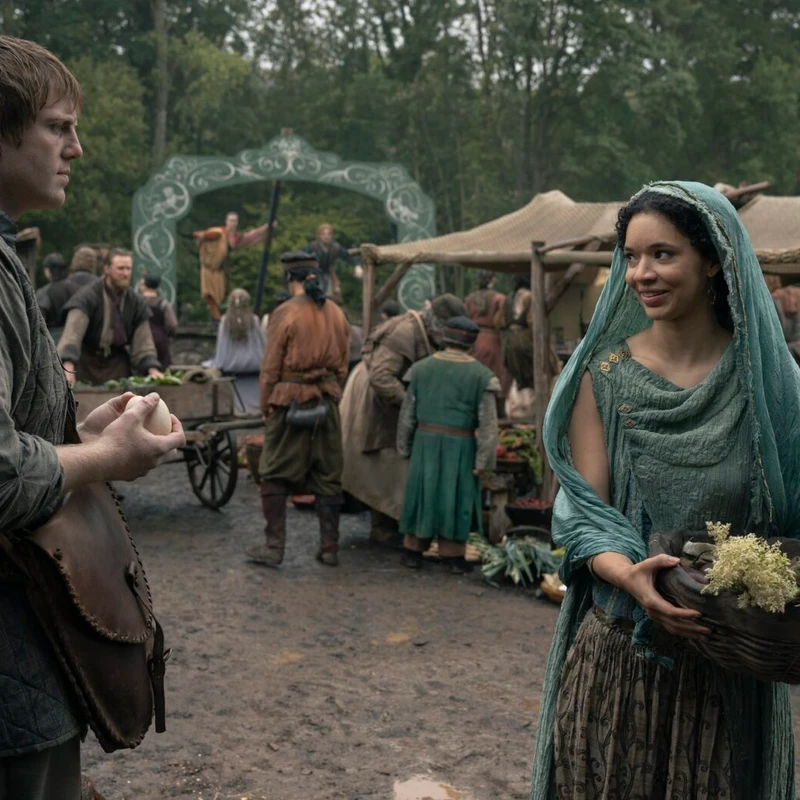
    Fans of HBO’s “A Knight of the Seven Kingdoms,” the “Game of Thrones” spinoff, are captivated by its use of Northern Ireland’s breathtaking scenery. The series, which recently concluded its first season, showcases rolling green hills, authentic castles, and picturesque skies, immersing viewers in the world of Westeros. It’s no surprise that many fans are eager to explore these filming locations themselves.

    Exploring Westeros in Northern Ireland

    Key filming locations for the series include the historic Glenarm Castle, dating back to the 13th century, and the scenic Tollymore Forest Park and Mourne Mountains. Many indoor scenes were captured on soundstages at Titanic Studios in Belfast. While the sets themselves are not open for public tours, fans can visit the Paint Hall building, which was also famously used in “Game of Thrones.”

    For those planning a visit, the summer months (June-August) offer the best weather and access to outdoor events in Belfast. Autumn (September-October) is also a great time to visit, potentially offering more budget-friendly options. Belfast boasts a comprehensive public transit system, making it easy to navigate the city. For exploring areas outside the city center, taxis or rental cars might be useful, though not essential for staying within the city.

    A Shift Towards Intimacy and Earthy Aesthetics

    Showrunner Ira Parker noted that “A Knight of the Seven Kingdoms” intentionally moved away from the sprawling, dragon-heavy scale of “Game of Thrones” to embrace a more “earthy” and intimate aesthetic. Parker emphasized the focus on “one guy and some horses and a few nice trees,” aiming for an audience experience that mirrors the characters’ perspectives. The goal is to make viewers feel the grit, the fear, and the intensity of the moments, such as witnessing knights in “trial by combat” or feeling the weight of a helmet.

    Beyond the filming locations, Belfast offers numerous attractions, including the Ulster Museum, Botanic Gardens, and the Peace Wall. Visitors can also enjoy performances at the Grand Opera House or explore the interactive exhibits at Titanic Belfast. Hop-on hop-off bus tours are available for efficiently seeing the city’s sights. For dining, upscale options like Stix & Stones Belfast, The Northern Whig, and the Michelin-starred EDŌ are recommended, alongside local pubs offering authentic experiences. Lodging in Belfast is relatively affordable, with options like Tara Lodge, Balmoral Hotel, and The Fitzwilliam Hotel Belfast offering reasonable rates.

    • Key filming locations for ‘A Knight of the Seven Kingdoms’ include Glenarm Castle, Tollymore Forest Park, and the Mourne Mountains.
    • Indoor scenes were filmed at Titanic Studios in Belfast.
    • The best time to visit Belfast for optimal weather and events is during the summer months (June-August).
    • Belfast offers a comprehensive public transit system, with taxis and car rentals available for wider exploration.
    • The series intentionally adopted an “earthy” and intimate aesthetic, moving away from the grand scale of ‘Game of Thrones’.

    Are you planning a trip to explore the filming locations of ‘A Knight of the Seven Kingdoms’? What are your favorite spots? Share your travel plans in the comments below!

  • 6 Colorado Weekend Trips for Rest & Reconnection

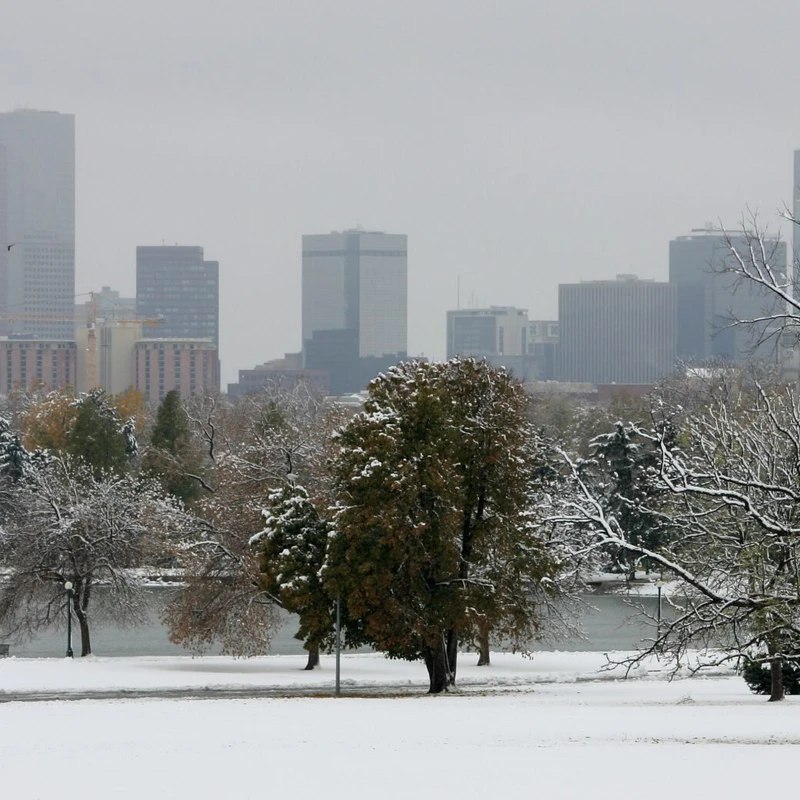
    Think Colorado is just about skiing and towering peaks? Think again! This incredible state is brimming with soul, stunning scenery, and delightful surprises. Whether you’re craving a wellness reset, a culinary adventure, or some heart-pumping excitement, Colorado’s weekend getaways have something for everyone. Beyond those picture-perfect views, Colorado provides a welcoming atmosphere for travelers looking to slow down, reflect, and truly reconnect with themselves and their surroundings.

    Planning Your Colorado Escape: Budget Breakdown

    Wondering about the cost of a Colorado weekend trip? The good news is, it can fit almost any budget! A three-day getaway can range from an affordable $250-$350 per person for budget travelers who focus on free activities like hiking and scenic drives, and perhaps cook some of their own meals. For a more balanced experience with comfortable hotels and dining out, expect to spend around $600-$750 per person. If you’re looking for a luxury escape with boutique hotels, spa treatments, and fine dining, costs can easily exceed $1,300 per person, especially in popular resort towns during peak season.

    To make your trip more budget-friendly, consider traveling during the shoulder seasons (spring or fall), booking accommodations in advance, and prioritizing those amazing outdoor experiences Colorado is famous for. No matter your budget, a memorable weekend awaits!

    Boulder: Mindfulness Meets Mountain Charm

    Just a short 45-minute drive from Denver, Boulder is a vibrant city where spirituality, sustainability, and small-town charm blend seamlessly. Nestled against the iconic Flatirons, it’s the perfect spot for those seeking mindfulness and movement without venturing too far from urban conveniences. Start your mornings with a hike in Chautauqua Park, then find a moment of peace and reflection at the stunning Boulder Dushanbe Teahouse, a unique gift from Boulder’s sister city in Tajikistan.

    Boulder’s food scene is a celebration of organic, locally sourced ingredients. Don’t miss out on delicious vegetarian fare at Leaf Vegetarian Restaurant or a delightful brunch at Snooze. The city also boasts a thriving community of Black-owned wellness brands, yoga studios, and art collectives dedicated to intentional living. Boulder is your go-to for slowing down and recentering.

    Estes Park & Rocky Mountain National Park: Nature’s Embrace

    For an experience of complete nature immersion, Estes Park is your ultimate gateway. Situated at the foot of the majestic Rocky Mountain National Park, this charming town offers access to breathtaking alpine landscapes, serene lakes, and abundant wildlife. Lace up your boots for hikes on trails like Bear Lake Loop or Sky Pond. If you prefer a more relaxed pace, the Trail Ridge Road, one of the highest paved roads in the U.S., provides awe-inspiring views right from your car.

    Settle into a cozy cabin or a welcoming Black-owned bed and breakfast, and cap off your evenings with a sunset picnic or a delightful local wine tasting. Estes Park is where you go to truly get lost in the wild beauty of Colorado.

    Colorado Springs: Art, Adventure, and Afro Vibes

    Colorado Springs masterfully combines dramatic natural landscapes with a vibrant undercurrent of Black excellence. Home to the iconic Pikes Peak, the stunning Garden of the Gods, and the U.S. Olympic Training Center, this city is a playground for the active soul, infused with a rich creative and cultural spirit. Kick off your visit with an exploration of Garden of the Gods, a free public park renowned for its striking red rock formations and incredible photo opportunities.

    Dive deeper into the local culture at the nearby Ute Pass Cultural Center or embark on a Rocky Mountain Food Tour, which shines a spotlight on local, independent businesses. For lodging, consider the Kinship Landing boutique hotel, which offers a blend of community spirit and minimalist comfort, or find a private Airbnb nestled into the mountainside. This destination is perfect for those seeking a mix of nature, history, and creative inspiration.

    Glenwood Springs: Soothing Hot Springs & Healing Energy

    Prepare to melt your stress away in Glenwood Springs, home to some of the most celebrated natural hot springs in the country. Located just three hours west of Denver, this wellness haven offers pure relaxation without any pretense. Indulge in a rejuvenating experience at Iron Mountain Hot Springs, featuring 16 mineral-rich soaking pools with stunning views of the Colorado River. For a complete spa day, the Yampah Vapor Caves offer naturally heated steam rooms designed to promote detoxification and deep breathing.

    Beyond the therapeutic waters, Glenwood Springs invites adventure with whitewater rafting, scenic bike rides along the Glenwood Canyon Trail, and laid-back dining with picturesque mountain vistas. It’s an ideal spot for couples, solo travelers, or best friends on a mission to recharge.

    Palisade: Colorado’s Unique Wine Country

    Welcome to Palisade, the heart of Colorado’s burgeoning wine scene! Situated on the Western Slope near Grand Junction, this sun-drenched town is celebrated for its abundant vineyards, fruitful orchards, and warm, inviting hospitality. Spend your weekend exploring the scenic Fruit & Wine Byway, a delightful route dotted with charming family-run vineyards and artisan farms. Be sure to stop at Maison la Belle Vie, a Black-owned winery offering exquisite reds and seasonal tastings.

    While wine is a highlight, Palisade truly shines during its peach season (July through September), when fresh produce and delicious baked goods are available everywhere you turn. Stay in a cozy vineyard guesthouse or a quaint small inn and embrace a slower, sweeter pace of life. This destination is perfect for a romantic getaway or a low-key luxury reset.

    Telluride: Elevated Luxury and Authentic Charm

    For a truly elevated experience, set your sights on Telluride, one of Colorado’s most breathtaking towns. Tucked away in a box canyon and surrounded by dramatic waterfalls and rugged cliffs, Telluride offers a year-round destination for those who appreciate luxury with a genuine, authentic feel. In winter, it transforms into a skier’s paradise, while summer brings a vibrant hub for hiking and festivals. Don’t miss a visit to Bridal Veil Falls, Colorado’s tallest free-falling waterfall, or catch a live performance at the Telluride Jazz Festival.

    The town is steeped in a rich creative history, evident in its numerous galleries, pop-up music venues, and cozy cafes. The complimentary gondola ride connecting Telluride and Mountain Village provides stunning panoramic views and effortless transportation, making a car unnecessary. It’s an escape that feels both grand and intimately connected to nature.

    Frequently Asked Questions About Visiting Colorado

    • **Best Time to Visit:** May-October for hiking, wine, and festivals; December-March for skiing. Shoulder seasons (April, November) offer fewer crowds and better prices.
    • **First-Timer’s Picks:** Boulder or Colorado Springs offer a great introduction, blending mountain access with city comforts or nature with culture.
    • **Cost:** Colorado can be affordable or expensive. Budget-friendly options exist in towns like Palisade and Glenwood Springs, while resort towns like Aspen and Telluride are pricier. Peak seasons are summer and winter.
    • **Black-Owned Businesses:** Look for them in Boulder, Denver, and Colorado Springs using apps like EatOkra or The Nile List.
    • **What to Pack:** Waterproof jacket, hiking shoes, reusable water bottle, sunscreen. Pack a swimsuit and sandals for hot springs.
    • **Distance from Denver:** Boulder (45 min), Estes Park (1.5 hrs), Colorado Springs (1.5 hrs), Glenwood Springs (3 hrs), Palisade (4 hrs), Telluride (6.5 hrs or 1-hr flight + shuttle).

    Which of these Colorado weekend getaways are you adding to your list? Let us know in the comments below!
  • Visit ‘Hawkins’: Stranger Things Filming Locations

    Netflix’s phenomenon ‘Stranger Things’ has captivated audiences worldwide with its blend of 1980s nostalgia, government conspiracies, and supernatural thrills. The show’s success is partly due to its immersive creation of the fictional town of Hawkins, Indiana. Fans often wonder: where exactly was this iconic setting filmed? If you’re eager to explore the real-world spots that served as the backdrop for the Wheeler house, the eerie Hawkins Lab, or memorable scenes from later seasons, you’re in luck – many of these locations are accessible to visitors.

    Georgia: The Heart of Hawkins

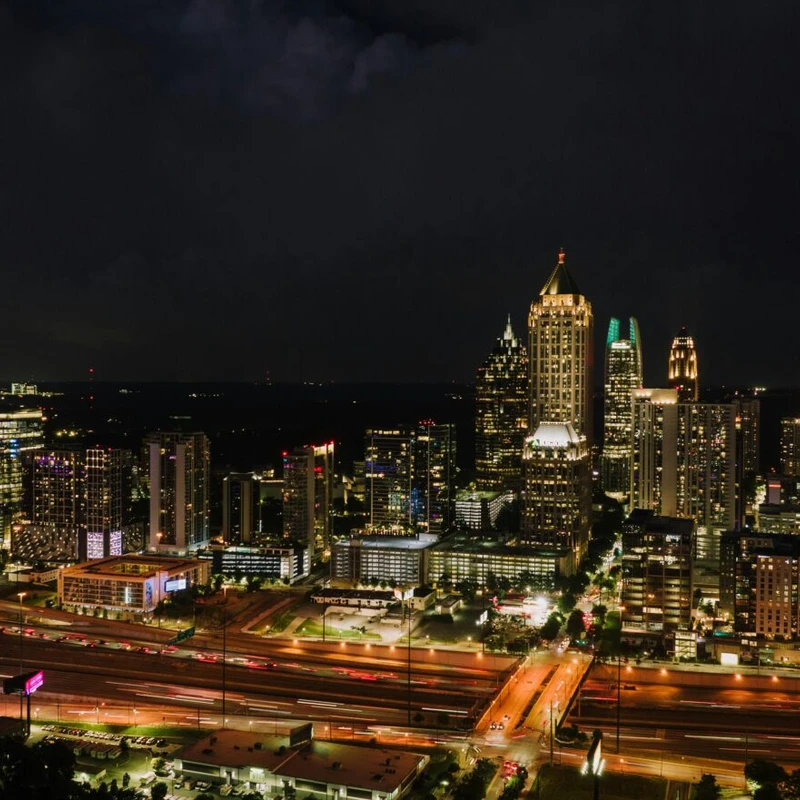
    Since its debut, Georgia, particularly the Atlanta area and surrounding towns, has been the primary filming location for ‘Stranger Things.’ Its versatile backdrops and classic suburban atmosphere provided the perfect canvas to build the world of Hawkins. The state’s blend of suburban architecture, natural landscapes, and film-friendly infrastructure made it an ideal choice, despite being far from the show’s intended Midwestern setting.

    Key landmarks fans can visit include the former Georgia Mental Health Institute on Emory University’s Briarcliff campus, which served as the ominous Hawkins Lab where Eleven was experimented on. The Gwinnett Place Mall in Duluth, Georgia, was transformed into the neon-soaked setting for major battle scenes in later seasons. Both Hawkins Middle School and Hawkins High School were filmed at the Patrick Henry Adult Education Center in Stockbridge, Georgia. Production crews also utilized various homes, stores, and hospitals across Douglasville, Fayetteville, Smyrna, and Atlanta to create the show’s immersive world.

    Exploring Georgia’s ‘Stranger Things’ Connections

    When visiting Atlanta, consider exploring the Atlanta Botanical Garden for its seasonal exhibitions or Centennial Olympic Park, a 20-minute drive from Emory University, known for its water features and walking paths. For dining, The Vortex Bar & Grill offers a casual, iconic burger experience, while Ray’s In the City provides an upscale seafood and steak dinner with live jazz. Accommodation options range from the centrally located Atlanta Marriott Marquis to the more economical Home2 Suites by Hilton Atlanta Downtown.

    New Mexico: Desert Terrain and California Suburbs

    As the scope of ‘Stranger Things’ expanded, so did its filming locations. In season four, the production team utilized Albuquerque, New Mexico, and its surroundings to double for both sunny Southern California suburbs and the vast Nevada desert, giving the show a fresh visual identity. Albuquerque’s unique terrain proved to be the perfect stand-in for the fictional ‘Lenora Hills,’ where characters relocated.

    Fans will recognize Eldorado High School as the real-life setting for Lenora High, the site of intense bullying scenes involving Eleven. In a remarkable visual feat, the production also transformed the desert landscape into snowy Alaska for scenes featuring Joyce and Murray’s rescue of Hopper. Production designer Chris Trujillo noted the enchanting quality of the desert landscape, making it a memorable location for the cast and crew.

    Experiencing New Mexico’s Filming Sites

    When visiting Albuquerque, consider exploring the Valles Caldera, a stunning nature preserve about two hours from the city center. The Albuquerque Museum offers insights into local history and culture. For dining, the Sawmill Market provides a variety of food court-style options, while La Guelaguetza offers authentic Mexican cuisine. Accommodation choices include the culturally decorated Hotel Albuquerque at Old Town or the more affordable Arrive Albuquerque.

    Lithuania: Snowy Russian Backdrops

    For the scenes set in a snowy Russian prison camp, the production team traveled to Vilnius, Lithuania. Despite geographical differences, Lithuania’s landscapes provided an authentic backdrop for these darker storylines. The most iconic location used was Lukiškės Prison, a real-life prison with an eerie atmosphere that perfectly suited the intense gulag scenes featuring Hopper.

    The Lithuanian countryside also played a significant role, with its forests described as feeling ‘larger and older’ than those in the U.S., contributing a distinct, moody look to the scenes. For nightlife, ‘Who Hit John’ was a favorite hangout for the cast and crew. The Vilnius Museum of Illusions offers immersive exhibitions and unique photo opportunities.

    Visiting Vilnius and Its Filming Sites

    The best times to visit Vilnius for pleasant weather and fewer crowds are late spring (May to June) or early fall (September to October). The city has an extensive public bus and trolleybus network, with taxis and ride-sharing services also readily available. For dining, Etno Dvaras offers affordable, authentic Lithuanian cuisine, while Galo do Porto provides a taste of Portuguese dishes. Highly-rated accommodations include the historic Hotel Pacai in Old Town or the more economical Artis.

    Frequently Asked Questions

    • **Season One Release:** Season one of ‘Stranger Things’ premiered on Netflix on July 15, 2016.
    • **Season Four Filming:** Filming for season four began in early 2020, faced pandemic delays, and wrapped up in 2021.

    Which ‘Stranger Things’ filming location are you most excited to visit? Let us know in the comments below!
  • Where Was ‘Squid Game: The Challenge’ Filmed?

    The global phenomenon that is ‘Squid Game’ took a thrilling turn with ‘Squid Game: The Challenge,’ bringing the high-stakes games to real contestants for a massive cash prize. While the show perfectly replicates the dystopian aesthetic of the original Korean drama, you might be wondering where all this intense competition actually took place. Forget South Korea; the production set up shop in the UK, transforming massive studios into the show’s signature eerie world. Let’s uncover the real locations behind the games!

    Wharf Studios, Barking, East London: The Dystopian Dorms

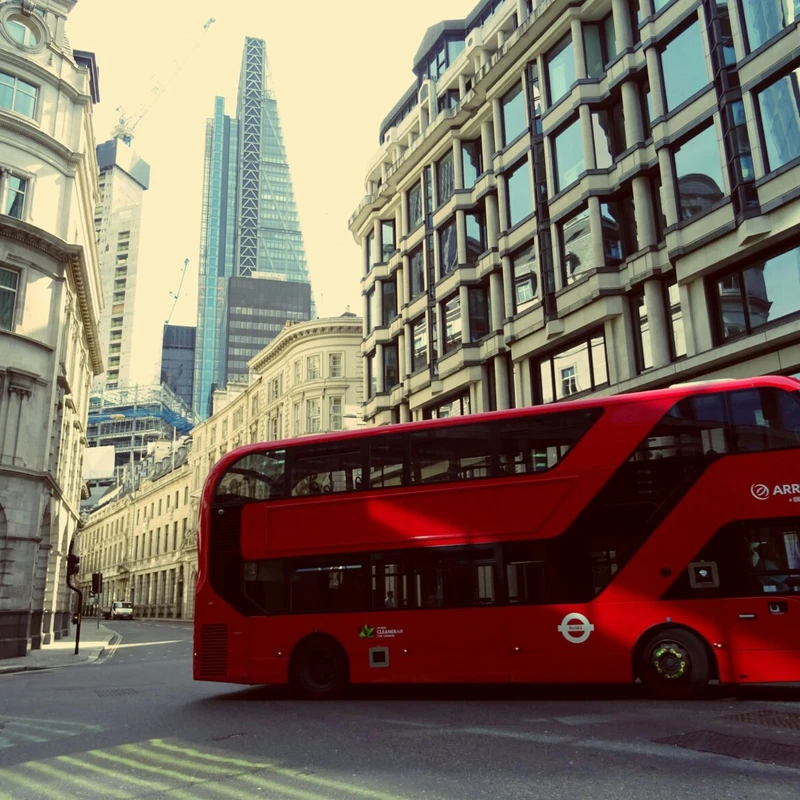
    The majority of “Squid Game: The Challenge” was filmed at Wharf Studios in Barking, East London. This sprawling 10-acre facility boasts six large, interconnected soundstages that were masterfully transformed to mirror the show’s iconic look. Here, the dystopian dormitories, mind-bending geometric corridors, and the unforgettable piggy bank set piece were brought to life.

    Filming took place over 16 intense days in 2023. To heighten the psychological pressure, contestants lived within the sets under strict lockdown, forbidden from leaving unless eliminated – mirroring the isolation of the original series. The production chose London for its experienced workforce and favorable tax incentives. While the studio itself isn’t open to the public, the Barking area offers pleasant spring and early autumn weather for exploration. Getting around is easy via the Overground, buses, or ride-share services.

    Cardington Studios, Bedford: The ‘Red Light, Green Light’ Arena

    For the show’s most massive challenges, production moved to Cardington Studios in Bedford, about an hour north of London. This location is famous for its two enormous aircraft hangars, originally built in the 1920s and 1930s. These colossal spaces, holding the title for the largest indoor areas in Europe, were essential for recreating the iconic ‘Red Light, Green Light’ game.

    These historic hangars have a serious Hollywood pedigree, having hosted blockbusters like ‘The Dark Knight’ and ‘Inception.’ For ‘Squid Game: The Challenge,’ their sheer size was crucial for accommodating hundreds of contestants simultaneously. While the studios are closed to the public, the charming town of Bedford offers attractions like the historic Castle Mound and Priory Country Park. The best time to visit the region is late spring or early autumn.

    Is ‘Squid Game: The Challenge’ Scripted?

    Unlike the fictional drama, ‘Squid Game: The Challenge’ is a genuine reality competition. Contestants are real people, and eliminations are based solely on performance. However, the environment was carefully engineered. Production designer Mathieu Weekes used strict lighting controls and blacked-out spaces, like the stairwell to the glass bridge, to disorient players and amplify the fear of the unknown, ensuring very real reactions.

    Do Contestants Get Paid?

    In true ‘Squid Game’ fashion, the reality competition follows a ‘winner-takes-all’ format. Contracts explicitly stated that only the single winner receives the $4.56 million prize. Participants received no appearance fees or stipends, though Netflix covered travel and accommodation to the UK studios. As one contestant confirmed on TikTok, many walked away with ‘literally zero’ – a brutal, yet fitting, twist.

    What did you think of the filming locations for ‘Squid Game: The Challenge’? Share your thoughts in the comments below!

  • Explore ‘Maintenance Required’ Filming Locations

    Ever watched a movie and found yourself captivated not just by the story, but by the stunning scenery? Prime Video’s ‘Maintenance Required,’ starring Madelaine Petsch and Jacob Scipio, does just that! This enemies-to-lovers tale, packed with car culture and corporate intrigue, whisks viewers from the industrial heart of England to the sun-drenched highways of California. Let’s take a road trip and explore the real-life locations that bring this film to life.

    California Dreaming: Big Sur’s Coastal Charm

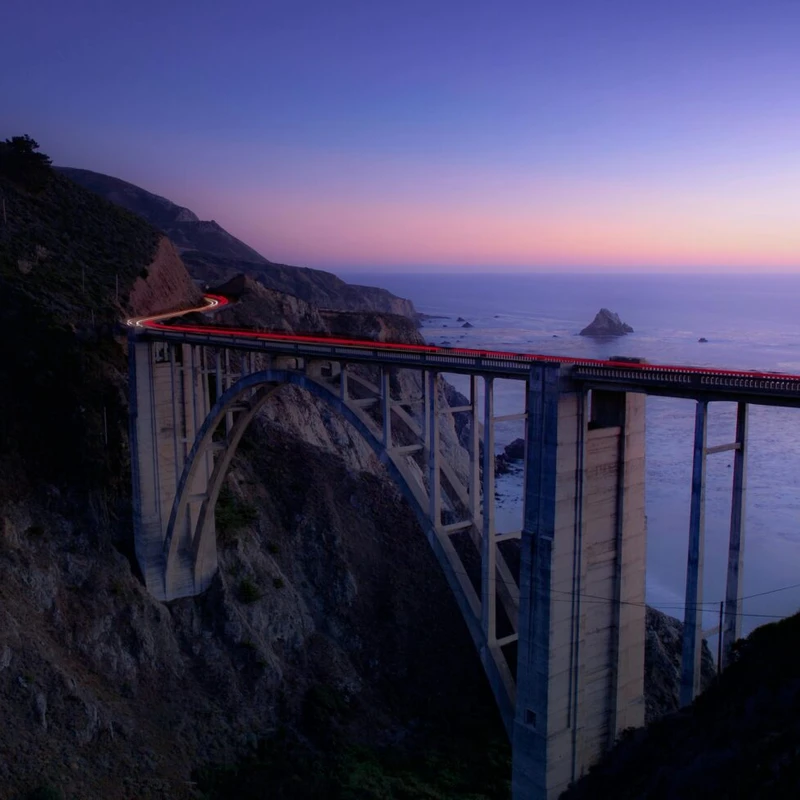
    The film uses California’s legendary Central Coast to represent the sleek corporate world and the freedom of the open road. Sweeping aerial shots and romantic driving sequences were captured along Highway 1, particularly south of Big Sur in Monterey County. This iconic 90-mile stretch, known for its dramatic cliffs meeting the Pacific, has been a cinematic favorite for decades, appearing in films like ‘Basic Instinct’ and ‘Ruby Sparks.’

    For the best experience, plan your visit between April and October to enjoy pleasant weather and avoid potential winter road closures. Renting a car is a must here, as public transit is limited. Driving south from Monterey or north from San Luis Obispo offers the classic Highway 1 experience. Don’t miss Julia Pfeiffer Burns State Park for the breathtaking McWay Falls, the historic Bixby Creek Bridge for photos, and Pfeiffer Big Sur State Park for redwood hikes.

    San Francisco’s Urban Energy

    The film also captures San Francisco’s slick, urban aesthetic, using it for key scenes like the corporate headquarters’ exterior, waterfront moments, and urban romance sequences. The production team filmed around the iconic Transamerica Pyramid in the Financial District, which serves as the intimidating HQ of the corporation threatening Charlie’s auto shop.

    For authentic city vibes, scenes were shot along The Embarcadero. While San Francisco is charming year-round, September to November offers the warmest, sunniest weather. Getting around is easy thanks to excellent public transit like MUNI and BART, so you might not even need a rental car. Explore world-class museums, incredible food, and iconic sights like the Golden Gate Bridge and Alcatraz.

    Yorkshire, England: Industrial Roots and Polished Charm

    Across the Atlantic, Yorkshire, England, provided the gritty authenticity for the film’s independent mechanics and industrial history. The city of Leeds served as a practical hub, with filming taking place at Versa Leeds Studio. Its industrial character made it the perfect backdrop for the automotive shop sequences.

    In contrast, the nearby spa town of Harrogate offered a more polished aesthetic with its Victorian architecture and tree-lined streets, providing elegant settings for character moments. The best time to visit Yorkshire is from May to September, though summers can be hot. Getting around is easy with coaches, trains, and rideshares, and exploring on foot is often the best way to see the sights.

    What is ‘Maintenance Required’ About?

    The film centers on Charlie (Petsch), who runs an all-female auto repair shop. Her livelihood is threatened when a slick corporate chain opens across the street. She finds connection in an online car enthusiast forum, chatting with ‘Beau’ (Scipio), only to discover he’s the face of the corporation aiming to shut her down.

    Which of these filming locations would you love to visit? Let us know in the comments below!
  • Explore ‘The Smashing Machine’ Filming Locations

    Get ready to step into the ring and explore the world of UFC legend Mark Kerr! Dwayne ‘The Rock’ Johnson delivers a career-defining performance in A24’s ‘The Smashing Machine,’ directed by Benny Safdie. This gripping true story chronicles Kerr’s journey through championship wins and personal battles with addiction. While the film’s emotional core is powerful, its diverse filming locations add another layer of intrigue. Let’s dive into where this epic sports drama came to life.

    Vancouver, Canada: The Fight Capital

    Vancouver, British Columbia, played a crucial role in recreating the electrifying atmosphere of late 1990s Japanese MMA events. Production crews transformed the Pacific Coliseum and Rogers Arena into authentic venues for the Pride Fighting Championships. While the film depicts fights in Japan, Vancouver’s versatile arenas allowed the filmmakers to create a convincing illusion without leaving Canada.

    Beyond the fight sequences, Vancouver served as the backdrop for gym training montages and intimate scenes between Mark Kerr (Johnson) and his wife, Dawn Staples (Emily Blunt). Production ran from May to July 2024, utilizing local gyms and even the Pan Pacific Hotel for press conference recreations. The best time to visit Vancouver for pleasant weather is between May and September. Getting around is easy with car rentals and the efficient SkyTrain system.

    Albuquerque, New Mexico: Grounding the Story

    To capture the grittier, domestic side of Mark Kerr’s life, production headed to Albuquerque, New Mexico. While Vancouver stood in for the Japanese fight venues, Albuquerque served as Kerr’s home base in Phoenix, providing the backdrop for intense American training camps and fight preparations. This landscape was essential for grounding the narrative and contrasting with the chaos of the fight arenas.

    Filmed in July 2024, Albuquerque’s authentic Southwestern architecture and vast desert landscapes offered a stark visual contrast. Director Benny Safdie employed a mix of 16mm, 65mm film, and vintage VHS cameras to give these sequences a raw, grainy texture, mirroring the style of the original 2002 HBO documentary. The best time to visit Albuquerque is during the shoulder seasons (March-May or September-November) for mild temperatures. Renting a car is recommended for exploring the spread-out city and surrounding areas.

    Tokyo, Japan: Capturing the Authentic Vibe

    While Vancouver’s arenas provided the setting for the fights, the filmmakers knew the soul of Mark Kerr’s legendary run in Japan needed to be captured on location. The cast and crew traveled to Tokyo to film essential exterior shots, bringing the neon-lit energy of the city streets and the specific atmosphere surrounding the Pride Fighting Championships to the screen.

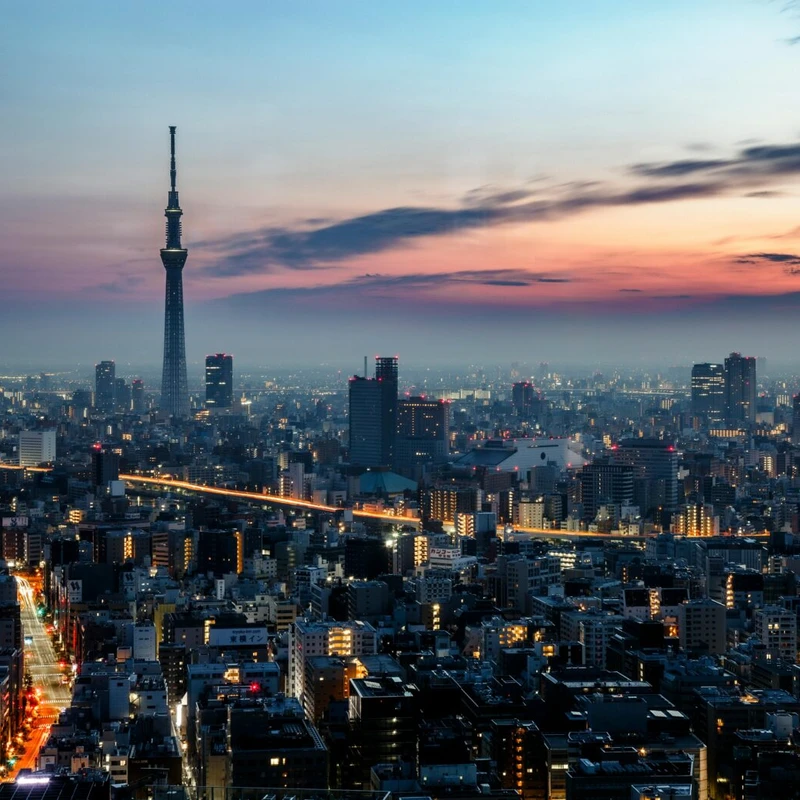
    Filming in Tokyo ensured the sequences felt true to Kerr’s career peak. The city’s unique blend of ultra-modernity and tradition perfectly encapsulated the vibe of the late ’90s MMA boom. To experience Tokyo at its best, plan your visit between March-May or October-November for mild weather and stunning cherry blossoms or fall foliage. Tokyo’s extensive train and subway system makes navigating the city incredibly efficient.

    Behind the Transformation

    Dwayne Johnson underwent a significant physical transformation for the role, spending hours daily in makeup and wearing extensive prosthetics to embody Mark Kerr. The film’s commitment to authenticity, from the fight choreography to the detailed recreation of locations, makes ‘The Smashing Machine’ a compelling watch for both sports fans and cinephiles.

    Which of these filming locations are you adding to your travel bucket list? Share your thoughts in the comments below!

  • Disney Imagineers Explore Meta AI Glasses for Parks

    Imagine stepping into a Disney theme park and having a virtual guide seamlessly integrated into your view, offering insights and enhancing your storytelling experience without ever needing to pull out your phone. That future might be closer than you think, thanks to a collaboration between Disney Imagineers and Meta.

    A New Era of Theme Park Immersion

    Disney’s renowned Imagineering team is actively researching and developing new ways to innovate guest experiences, and a key part of this involves exploring cutting-edge technology. Their partnership with Meta aims to leverage the capabilities of Ray-Ban Meta AI Glasses to create a more magical and interactive theme park adventure.

    These aren’t just ordinary glasses; they’re equipped with cameras, microphones, and speakers, enabling a host of functions. For guests, this could mean having an AI-powered virtual guide offering real-time information about attractions, architectural details of the park’s iconic buildings, or even details about merchandise while shopping. The goal is to enrich the narrative of the park and provide layers of information without breaking the immersive spell.

    Enhancing the Guest and Imagineer Experience

    Bruce Vaughn, president of Walt Disney Imagineering, highlighted a crucial aspect: maintaining connection. “A big differentiator for us is that you’re there together with friends and family… And every time you have to look down at a device or a phone, it breaks that spell,” he explained. By using extended reality through these glasses, the aim is to keep guests engaged with their surroundings and companions, making the experience less disruptive and more present.

    The benefits extend to the Imagineers themselves. Vaughn noted that the AI glasses could aid employees in visualizing and developing new spaces and experiences, improving the previsualization process during the design and creation phases. This technology could help them better conceptualize and bring the magic of Disney to life.

    Prototyping the Future

    Disney is known for its continuous exploration of new technologies, and this partnership with Meta is part of that ongoing effort. While the Ray-Ban Meta AI Glasses currently range from $224.25 to $799, Disney is reportedly always “exploring, learning, and prototyping” technologies that could eventually be rolled out to their vast consumer base.

    What do you think about the potential of AI glasses in theme parks? Would you use them on your next Disney visit? Share your thoughts in the comments below!

  • Experience Minneapolis Like Prince: A Purple Rain Guide

    Prince famously declared he would “always live in Minneapolis,” and his deep love for his hometown is undeniable. This profound connection is why the stage adaptation of his iconic film, “Purple Rain,” is set to debut on Broadway in 2026, honoring the artist, the city that shaped him, and the community he cherished. Over 40 years since the film’s premiere, its music, characters, and love letter to Minneapolis continue to resonate.

    Your Roadmap to Prince’s Minneapolis

    To truly understand Prince’s lifelong bond with Minneapolis, we’ve curated a roadmap to experience the city through his eyes – exploring the places, sounds, streets, and eats that defined his world. Get ready to immerse yourself in the ‘Mini-Apple’ that inspired a global icon.

    Capri Theater: The Solo Debut

    While First Avenue is widely recognized from “Purple Rain,” the Capri Theater holds a unique significance. Located on the city’s north side, this is where a 19-year-old Prince played his first solo performance on January 5, 1979. Imagine snagging a ticket for just $4.00 – a flyer and ticket stub from that historic night are proudly displayed in the lobby.

    First Avenue & 7th Street Entry: Stepping into the Legend

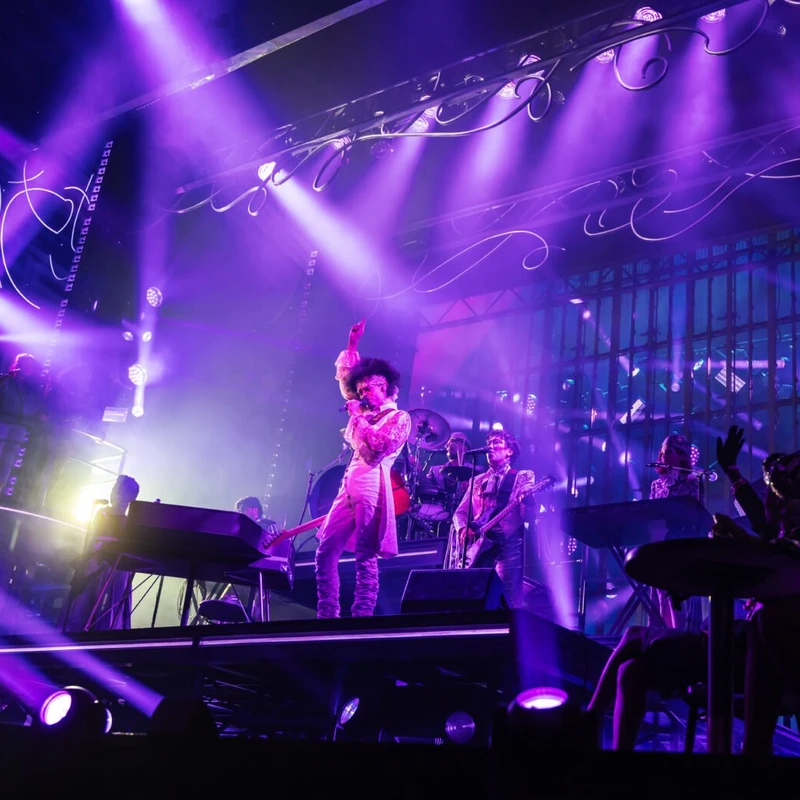
    You can’t talk about Prince in Minneapolis without visiting First Avenue, the iconic venue featured in “Purple Rain.” Take a guided tour for a behind-the-scenes look at this legendary independent venue. You’ll get to step on stage, see the “set list wall,” and explore backstage areas. Keep an eye out for Prince tributes, including a replica purple motorcycle and photos in the green room, plus a Prince star on the second floor. Don’t forget the adjacent 7th Street Entry, a more intimate space where Prince also performed.

    Prince Legacy Bus Tour: A Journey Through His Life

    For an in-depth understanding of Prince’s journey, a two-hour bus tour with Twin Cities Sightseeing is highly recommended. The tour covers significant locations, including his childhood home where he wrote his first song, “Funk Machine,” at age 7. You’ll see where he lived with bandmate André Cymone, the early stages that launched his career, the church where he was married, and Orfield Labs (formerly Sound 80 Studios), where he recorded his first demos. The tour also visits the “Purple Rain house,” offering profound insight into why Minneapolis remained his home.

    Electric Fetus: A Final Farewell

    This beloved record store, a community fixture since 1968, holds a special place for Prince fans. Prince was a frequent visitor, purchasing physical albums. Tragically, it was also his last known public outing just five days before his death, where he bought six albums. Plan to spend at least an hour exploring this treasure trove of music.

    Lake Minnetonka: Inspiration and Studio Space

    While the “purification” scene in “Purple Rain” was filmed at the Minnesota River, Lake Minnetonka is a real and significant place for Prince. He reportedly had a deep personal connection to the lake, even renting a house nearby and setting up a studio to record his album “Dirty Mind.” It’s a beautiful spot for biking, walking, and soaking in the natural beauty that inspired his art.

    Paisley Park: The Creative Sanctuary

    Located about 20 minutes from Minneapolis in Chanhassen, Paisley Park is Prince’s former private estate and creative hub. Guided tours offer an intimate look inside his recording studios, rehearsal spaces, soundstage, and showcase his iconic fashion, awards, and personal archives. It’s a surreal experience that provides rare insight into Prince’s creative process and the man behind the public persona, complete with white doves and nods to his symbolic era.

    Murals and Exhibits: Prince’s Artistry Lives On

    Throughout Minneapolis, numerous murals celebrate the city’s hometown icon. You can find striking tributes on the corner of 1st Avenue and 8th Street, and on the side of the 424 building in the North Loop neighborhood. Additionally, the ‘Remembering The Purple One’ exhibit at LaSalle Plaza features Prince artifacts, album covers, and replicas of the “Purple Rain” motorcycle and his famous “cloud guitar.”

    Which of these Prince-inspired Minneapolis spots are you most excited to visit? Let us know in the comments below!
  • Camping Reimagined: Comfort, Culture, Community

    For a long time, camping felt like an experience reserved for others – one that involved wrestling with tents and enduring uncomfortable nights. But a recent Black Camping Retreat at the KOA Cape Charles/Chesapeake Bay Resort, hosted by Black People Outside founders Chevon “Chevy” Linear and Kameron Stanton, completely shifted my perspective. It turns out, the great outdoors can be incredibly welcoming, especially when experienced with a sense of comfort, culture, and community.

    Comfortable Camping at KOA

    I quickly learned that camping doesn’t have to mean sacrificing comfort. KOA has mastered the art of blending outdoor experiences with the amenities that make a trip truly enjoyable. Whether you’re a seasoned camper or just camping-curious, KOA meets you where you are. While RV sites are available for traditionalists, the resort offers fantastic options like glamping tents and deluxe cabins for those who prefer a softer landing.

    My stay in a deluxe cabin was a perfect example. It had everything I needed to feel at home: a real bed, climate control, and ample space to unpack. This offered the grounding connection to nature without the guesswork or discomfort I’d always associated with camping. Plus, the resort’s prime location right on the Chesapeake Bay provided stunning views and easy access to the water for restorative walks and relaxing evenings by the shore.

    Exploring Local Gems and Community Vibes

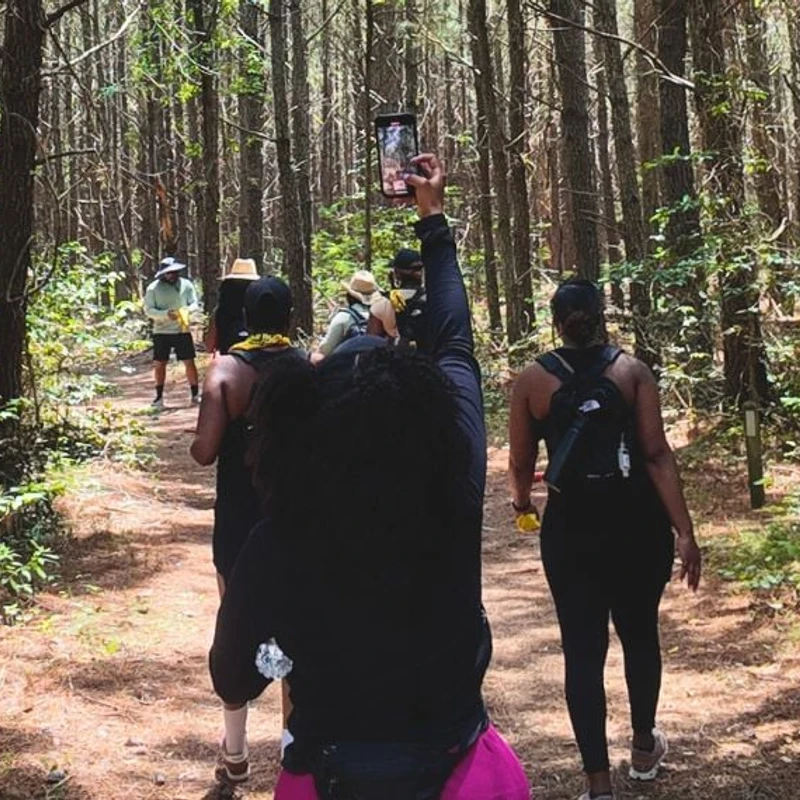
    Beyond the comfortable accommodations, the retreat offered a chance to explore the charming coastal town of Cape Charles, Virginia. Chevy and Kameron led an accessible and low-pressure hike at Kiptopeke State Park, making the outdoors feel familiar and welcoming. It was refreshing to experience nature without any pretense, surrounded by people who shared a similar cultural understanding.

    The trip also included opportunities for solo exploration, allowing for personal discovery. I enjoyed a cocktail at Deadrise and a relaxed lunch at AJ’s. A standout experience was visiting Baine’s Farm and Market, a Black-owned business where owner William T. Baines proudly showcases produce from his own farm. Supporting local, Black-owned businesses while enjoying fresh, delicious food added another layer of richness to the experience.

    • KOA Cape Charles offers comfortable lodging options like cabins and glamping tents.
    • The resort provides easy access to the Chesapeake Bay for relaxation and recreation.
    • The Black Camping Retreat included guided hikes at Kiptopeke State Park.
    • Explored local gems like Baine’s Farm and Market, a Black-owned business.

    Claiming Space Outdoors, Together

    By the end of the retreat, I felt genuinely renewed by the collective energy of being outdoors with people who culturally understood me. The ease of moving through nature without needing to over-explain or brace for unfamiliar reactions is a feeling every Black traveler deserves. The comfort found in shared laughter, mutual support, and genuine connection around the campfire made the experience feel natural and deeply meaningful.

    KOA provided the perfect setting, but it was the community that truly brought the retreat to life. Cape Charles offered the scenery, KOA provided the setup, and our shared energy created an unforgettable experience. It truly highlighted that the outdoors feels profoundly different—and infinitely better—when we experience it together.

    What are your favorite ways to connect with nature? Share your experiences and tips in the comments below!

  • Kim Haas Uncovers Afro-Latin America’s Heritage

    Imagine hopping onto a motorcycle-powered wooden train cart, hurtling towards a remote village deep in the rainforest. This isn’t your typical tourist excursion; it’s an adventure led by Kim Haas, a visionary dedicated to uncovering and celebrating the rich, often hidden, heritage of Afro-Latin America.

    Journeying to San Cipriano: A Glimpse of Magic

    My own journey with Kim began with just such a ride – the ‘moto-brujas’ – to San Cipriano, a small village in Colombia’s Valle del Cauca department. Accessible only by these unique rail contraptions, San Cipriano is home to a significant Afro-Colombian population. This region, like many others on Colombia’s Pacific Coast, has historically been overlooked, despite the profound cultural influence of its Black communities.

    These communities, often denied resources and investment, have created something truly magical. The ‘moto-brujas,’ named after the broomstick-like poles once used to push carts, are a testament to local ingenuity and resilience. It’s this spirit of creation and survival that Kim Haas seeks to highlight.

    Debunking Myths, Spotlighting Contributions

    Many travelers associate Colombia’s Afro-descendant population primarily with Cartagena. However, Kim Haas, through her PBS show ‘Afro-Latino Travels With Kim Haas’ and her guided tours, aims to debunk these myths. She shines a light on hidden histories, people, and stories that often go unnoticed.

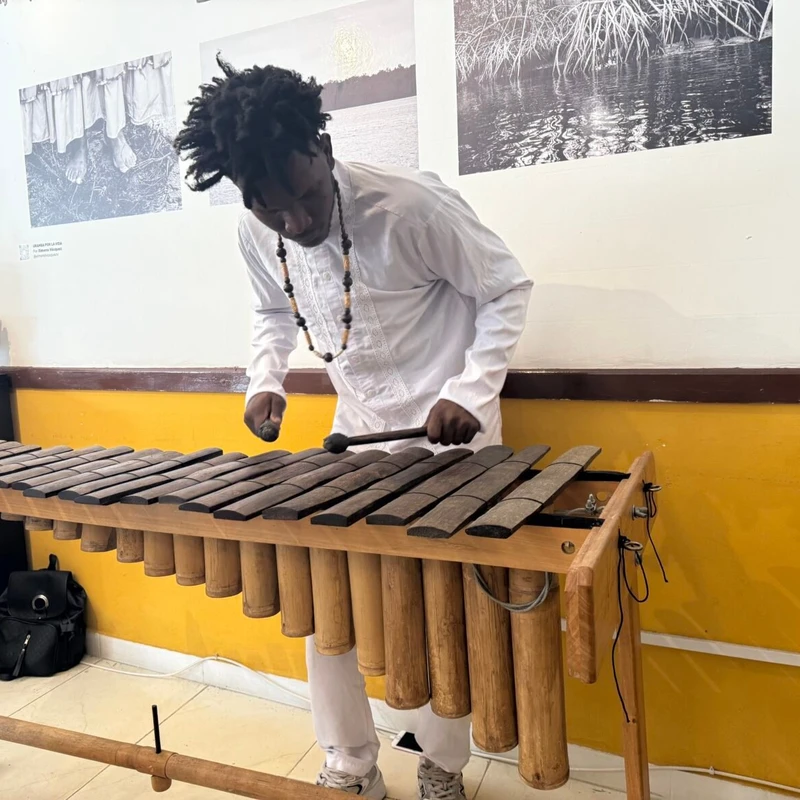
    Haas emphasizes that Black communities have fundamentally shaped Colombian culture. “So much of what people enjoy here and throughout Latin America comes from Black people,” she notes, citing salsa music, the marimba, and diverse cuisines as examples. While official statistics might suggest a smaller Black population, Haas points out that race is complex and identification is shifting, especially with the election of Colombia’s first Afro-Latina Vice President, Francia Márquez.

    A Lifelong Passion for Language and Culture

    Haas’s passion for Latin America began in childhood during a trip to Acapulco, Mexico. Her fascination with the Spanish language, which she studied throughout her education, deepened during a study abroad program in Seville, Spain. There, she focused on the history of enslavement in Brazil and Cuba, countries with significant Afro-descendant populations.

    Later travels revealed a persistent absence: the contributions of Black Spanish-speaking people were rarely reflected on U.S. Spanish-language television. This gap inspired her to create her own platform, eventually leading to her popular travel show and, subsequently, her tour company.

    Ethical Travel and Cultural Preservation

    What sets Haas’s tours apart is their deep commitment to ethical engagement and cultural preservation. In San Cipriano, for instance, her group experienced a traditional Afro-Colombian meal and tasted ‘viche,’ an ancestral sugarcane-based drink protected by law and specific to Colombia’s Pacific coast. Viche, traditionally used for medicinal and ceremonial purposes by Afro-Colombian communities, was officially recognized as a heritage drink in 2021.

    Haas partners directly with Afro communities and families, ensuring that experiences are intimate and respectful. Her company is actively mapping Afro culture in lesser-known regions, fostering empowerment and reshaping global perceptions of the African diaspora.

    Expanding the Map

    Since launching group tours in 2024, Haas is expanding her reach to other countries, including Brazil (San Salvador), Guatemala, and Uruguay. Her work transcends mere tourism; it’s a vital effort in cultural preservation and a powerful force in reshaping how the African diaspora sees itself worldwide. “I see myself in Afro-Latin communities, and I get excited about learning about Black cultures in Latin America,” Haas shares, driven by both sadness over past mistreatment and inspiration from the resilience she encounters.

    Have you ever explored Afro-Latin culture? What destinations would you love to see Kim Haas spotlight next? Share your thoughts in the comments!