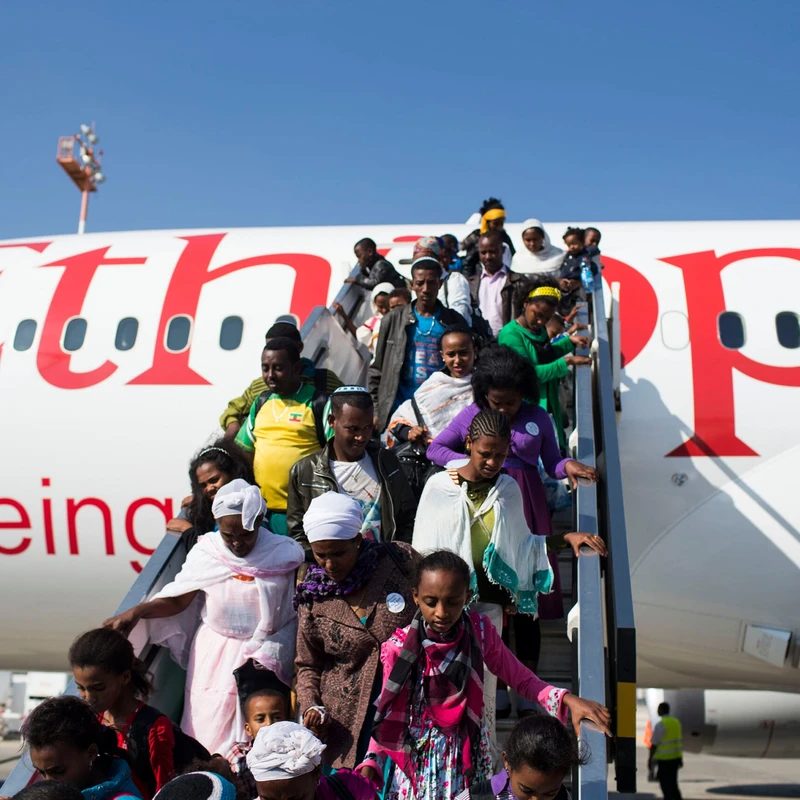
Get ready for a game-changer in African aviation! Ethiopia has officially kicked off construction on a colossal new airport, a $12.5 billion project poised to become the continent’s largest and a major hub for regional travel, trade, and connectivity by 2030.
A New Gateway to Africa
Dubbed Bishoftu International Airport, this ambitious undertaking is located about 30 miles southeast of the capital, Addis Ababa. Construction began in January 2026, and Prime Minister Abiy Ahmed has hailed it as the most significant aviation infrastructure development in Africa’s history. The vision is grand, aiming to reshape how people and goods move across the continent.
The initial phase, slated for completion by 2030, will boast two runways and an impressive capacity to handle up to 60 million passengers annually. But the ambition doesn’t stop there; long-term plans aim to expand this capacity to a staggering 110 million passengers, potentially surpassing even Hartsfield-Jackson Atlanta International Airport.
Driving Regional Connectivity
Spearheading this massive project is Ethiopian Airlines, already a powerhouse as Africa’s largest airline by fleet size and revenue. CEO Mesfin Tasew confirmed the airline will directly fund about 30% of the cost. The remaining $8 billion is currently under negotiation with international partners, including potential backing from the United States, China, and Italy.
This new hub is designed to tackle a persistent challenge in African travel: the need to transit through non-African cities like London or Dubai to reach other destinations on the continent. By significantly boosting capacity beyond the current Bole International Airport, the Bishoftu airport aims to foster stronger regional ties and support the goals of the African Continental Free Trade Area.
Sustainable Design Meets Community Concerns
The architectural vision comes from the renowned Zaha Hadid Architects, known for their innovative and futuristic airport designs. The terminal is set to be a stunning reflection of Ethiopia’s natural beauty, featuring abundant natural light, internal gardens, and eco-friendly elements like solar energy and advanced water management systems.
However, such a large-scale development isn’t without its challenges. Reports indicate that over 15,000 people have been displaced to make way for the construction. While Ethiopian Airlines has committed $350 million to resettlement and infrastructure improvements, some affected residents have voiced concerns regarding compensation and relocation support. Experts emphasize that the airport’s ultimate success will hinge on broader factors, including supporting infrastructure, policy alignment, and robust regional cooperation.
What are your thoughts on Ethiopia’s ambitious airport project? Do you think it will truly transform African aviation? Share your opinions in the comments below!
