Tag: entrepreneurs

  • MadameNoire Honors ‘Founding Mothers’ in Beauty

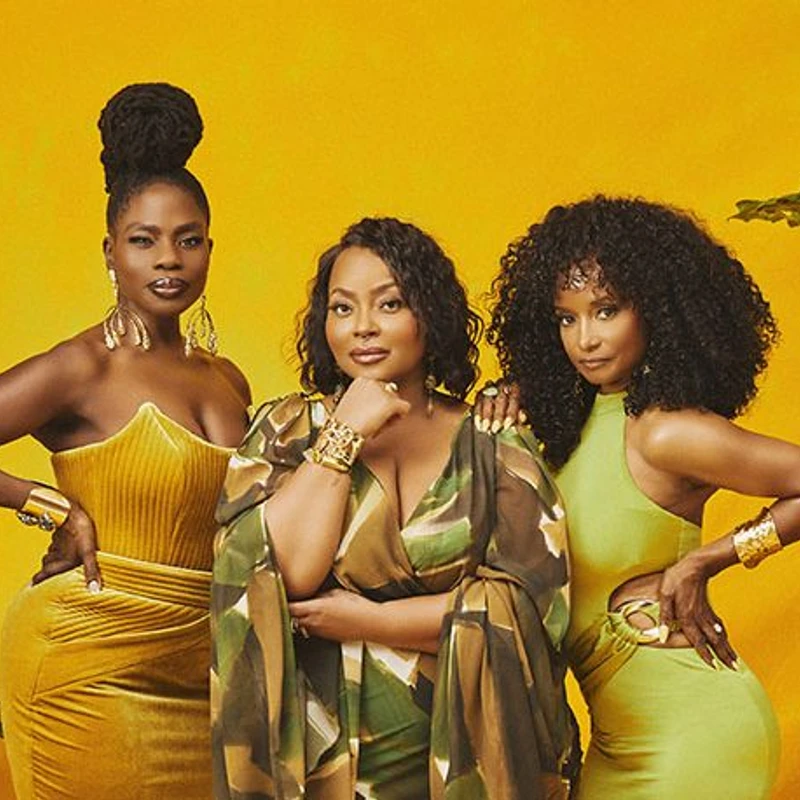
    This year, MadameNoire’s ‘Women To Know’ issue feels particularly profound. Titled ‘Founding Mothers,’ it goes beyond celebrating business success to honor the incredible women who are simultaneously building empires and nurturing the next generation. These are the Black women beauty founders doing the divine, often exhausting, work of balancing entrepreneurship and motherhood with intention and grace.

    The Intersection of Beauty, Motherhood, and Legacy

    MadameNoire has always championed Black women who make a difference, but the 2026 edition dives deeper, exploring the brilliance found at the intersection of the beauty industry and motherhood. Building a business is a full-time calling, and so is being a mother. Doing both requires something truly special – a divine blend of passion, resilience, and purpose.

    This year’s features shine a spotlight on women like Danessa Myricks, Janell Stephens (founder of Camille Rose), and Ashunta Sheriff. These women are not just creating products; they are building legacies, demonstrating that love, lineage, and business can beautifully coexist.

    Stories of Resilience, Healing, and Purpose

    Ashunta Sheriff defines beauty as resilience, a sentiment that echoes through her journey from a young girl inspired by her mother’s love for makeup to a powerhouse founder. Her work is a ministry, a reminder that Black women are the blueprint for innovation and culture. “Makeup was my ministry,” she shares, emphasizing that her work is about purpose beyond products.

    Danessa Myricks’ story is one of transformation and healing. She speaks candidly about the beauty industry not always loving her back, yet she persevered. Her brand now stands as a symbol of freedom and self-acceptance. “Beauty to me is absolute freedom… allowing the world to see every single part of you just as you are,” she explains.

    From Kitchen Necessity to Multimillion-Dollar Brand

    Janell Stephens, founder of Camille Rose, started her journey in her kitchen, driven by the need to solve problems for her family. What began as a necessity born from motherhood blossomed into a multimillion-dollar brand rooted in wellness, intention, and love. Even amidst her success, she reminds us to pause and acknowledge our achievements: “Stop and see what you really done. Pat yourself on the back.”

    What unites these incredible women is their clarity of purpose. They know why they started, who they are doing it for, and understand that legacy is intentionally built through sacrifice and unwavering belief. They embody the idea that one can be both soft and powerful, rewriting the rules for themselves and teaching future generations to do the same.

    • Celebrating Black women beauty founders who are also mothers.
    • Highlighting resilience, purpose, and the creation of legacy.
    • Featuring entrepreneurs like Danessa Myricks, Janell Stephens, and Ashunta Sheriff.
    • Emphasizing the power of intention in building both family and business.

    As you read through the ‘Women To Know 2026’ stories, how do you see yourself reflected in these journeys? Whether you’re building a business, raising a family, or pursuing your own vision, remember your power to be a ‘Founding Mother.’ What will you birth into the world? Share your aspirations in the comments below!
  • Chick-fil-A Employee Scams $80K with Mac & Cheese

    It seems even a beloved menu item like mac and cheese can be part of an elaborate scam. A Chick-fil-A employee in metro Atlanta has been arrested after allegedly orchestrating a scheme to embezzle over $80,000 from the fast-food chain, using refunds for the popular side dish as his method.

    The Mac and Cheese Refund Scheme

    Keyshun Jones, a former employee at a busy Atlanta location, faces charges including property theft, money laundering, and evading arrest. According to CBS Texas, Jones allegedly conducted hundreds of suspicious transactions, primarily involving ringing up mac and cheese orders and then refunding them to his personal credit card. This alleged scam, reportedly performed off the clock to avoid detection, allowed him to pocket an estimated $80,000.

    The franchise owner eventually flagged the unusual number of refunds, triggering a month-long investigation. The Texas Attorney General’s Fugitive Task Force was involved in the case, leading to Jones’s termination and subsequent arrest. The sheer volume of fraudulent transactions points to a calculated effort to exploit the system.

    A Tale of Two Chick-fil-A Stories

    Interestingly, this news comes alongside a more positive story within the Chick-fil-A corporation. Kareem Edwards has made history as the first Black man to become a Chick-fil-A owner-operator in Chicago. Edwards, who transitioned from Wall Street and Google, opened his franchise during the pandemic and credits his success to discipline and his wife’s partnership.

    Edwards’s impact extends beyond his restaurant’s success. He manages nearly 100 employees, champions diversity through vendor policies, and actively supports his community with significant donations to local organizations and annual back-to-school programs. His journey highlights entrepreneurial achievement and community engagement within the Chick-fil-A brand.

    What are your thoughts on this unusual scam? Have you ever encountered a similar situation? Share your experiences in the comments below!

  • Nicole Murphy’s Barter Black Empowers Entrepreneurs

    In a world where Black entrepreneurs often face significant hurdles, Nicole Murphy is stepping up to create a powerful solution. After experiencing personal setbacks, including job loss and business closure during the pandemic, Murphy founded Barter Black. This innovative platform is dedicated to rebuilding the spirit of Black Wall Street by fostering community and collaboration among Black entrepreneurs.

    From Setback to Solution: The Genesis of Barter Black

    Murphy’s entrepreneurial journey began in 2014, but the pandemic brought unforeseen challenges, leading to the closure of her company by April 2020. This experience prompted a crucial question: ‘Why aren’t we—Black people—helping each other more?’ This inquiry sparked a pivot into the tech world, leading to the creation of Barter Black.

    Built by Black entrepreneurs for Black entrepreneurs, Barter Black merges cutting-edge technology with the strength of community-driven bartering. Murphy’s mission is to dismantle the barriers that hinder Black businesses from scaling, with a primary focus on the critical issue of funding.

    Addressing Key Barriers to Success

    Murphy highlights that Black female business owners receive less than one percent of venture capital funding. Recognizing this reality, Barter Black offers an alternative path to growth. It serves as a comprehensive resource where entrepreneurs can save money, access expert services, and find a supportive community—all in one place.

    Community is not just a buzzword for Murphy; it’s a foundational principle. She strongly advocates against gatekeeping, stating, ‘We have to rely on each other.’ She draws a parallel to the original Black Wall Street, envisioning Barter Black as a modern ecosystem where Black entrepreneurs can truly thrive.

    The Power of Community and Sustainability

    The importance of community was powerfully demonstrated when Barter Black temporarily closed for six months in 2024 for a much-needed revamp. During this period, members stepped up to provide the services Murphy needed, showcasing the platform’s core values in action. Murphy admits the decision was ‘scary,’ but the thought of doing it alone was even more daunting.

    She encourages Black women to embrace asking for help, emphasizing that while they excel at many things, doing everything alone can create self-imposed limitations. This philosophy extends to sustainability, the third major barrier to Black entrepreneurial success. Murphy stresses the need to hire help to build long-term businesses, which is often hindered by a lack of funding.

    • Barter Black aims to rebuild Black Wall Street through community and collaboration.
    • Founded by Nicole Murphy after facing business closure during the pandemic.
    • Addresses key barriers: lack of funding, limited community support, and sustainability.
    • Offers a tech-driven platform for bartering, saving money, and accessing expertise.
    • Emphasizes the importance of community and mutual reliance among Black entrepreneurs.
    • Promotes personal and business sustainability through accessible services and wellness programs.

    Murphy also champions personal sustainability, recognizing the reality of burnout. Barter Black integrates wellness programs and accessible services to support entrepreneurs as whole individuals. Future plans include expanding partnerships for higher education access, Barter Bucks credit, and app tours, further enriching the entrepreneurial ecosystem.

    Nicole Murphy’s vision for Barter Black is inspiring! What are your thoughts on this community-focused approach to entrepreneurship? How can we better support Black-owned businesses? Share your ideas in the comments below!

  • Detroit Couple’s Black Tech Initiative Gets $2M Boost

    Big news for Detroit’s tech scene! A local couple is making waves, and now they’ve got some serious backing. Johnnie and Alexa Turnage, the power couple behind Black Tech Saturdays, have just been awarded a massive $2 million grant from the renowned John S. and James L. Knight Foundation. This funding is a game-changer for their mission to empower Black professionals and entrepreneurs in the technology sector.

    A Major Investment in Detroit’s Future

    The Knight Foundation recently announced a $19.8 million investment across 12 projects aimed at fostering a ‘vibrant and thriving city’ in Detroit. While the foundation has a long history of supporting downtown revitalization, this latest round of funding is specifically targeting the city’s ‘inner-ring neighborhoods.’ The goal? To uplift art, public spaces, tech, and business, creating more opportunities for connection and community growth.

    Maribel Pérez Wadsworth, the foundation’s president and CEO, emphasized that these investments are driven by the needs and ideas of Detroiters themselves. It’s all about providing the ‘wind at the back’ for passionate individuals who care deeply about their community’s success.

    Black Tech Saturdays: Bridging the Gap

    So, what exactly is Black Tech Saturdays? It’s a nationally recognized innovation community dedicated to strengthening the presence of Black individuals in tech. They achieve this through a variety of hands-on initiatives, including workshops, training sessions, youth STEM events, mentorship programs, and community outreach. Their upcoming Detroit Digital Empowerment Summit on September 26-27 is a prime example of their commitment to fostering innovation.

    Founded by Johnnie and Alexa Turnage in collaboration with the Michigan Economic Development Corp., Black Tech Saturdays recognized a crucial gap: most tech entrepreneurs weren’t operating in predominantly Black spaces, despite Detroit being an 80% Black city. Since its inception, the initiative has already impacted over 20,000 people.

    What This Funding Means

    This $2 million grant from the Knight Foundation is set to supercharge Black Tech Saturdays’ efforts. The funding will help create clearer pathways for residents to access high-growth tech jobs and pursue entrepreneurship. A significant portion of the grant is also dedicated to achieving a goal of $10 million in income opportunities through developing digital infrastructure, hosting more events, and amplifying community stories.

    This investment is more than just money; it’s a powerful endorsement of the work Johnnie and Alexa Turnage are doing to build a more inclusive and equitable tech landscape in Detroit. It’s about empowering a community and fostering innovation from within.

    What do you think about the Knight Foundation’s investment in Black Tech Saturdays? Share your thoughts in the comments below!

  • The Franchise Game Empowers Entrepreneurs

    The Franchise Game, an organization dedicated to empowering underrepresented entrepreneurs, recently hosted its highly anticipated third annual summit on August 15th at Yum! Brands’ headquarters in Frisco, Texas. The standing-room-only event brought together a powerful mix of powerhouse franchisees, financial leaders, brand executives, and aspiring owners for a day focused on education, inspiration, and deal-making, with a special emphasis on untapped markets and high-growth communities.

    Breaking Barriers to Franchise Ownership

    Launched in 2023, The Franchise Game aims to close the wealth gap through business ownership by providing crucial knowledge, resources, and connections. Co-founders Tarji Carter, Dessie Brown Jr., and Daylon A. Goff, whose collective experience spans decades in strategic development, marketing, and entrepreneurial growth, designed the event to demystify the franchise industry and offer tangible pathways to capital, mentorship, and ownership.

    “We created The Franchise Game to close the wealth gap through business ownership,” said Carter. “This event is about access, real game-changing connections, resources, and conversations that put underrepresented communities in a position to win.”

    Key Highlights and Honorees

    The summit featured a range of engaging sessions, including “The Franchise Life: Unfiltered,” where franchisees from brands like Dunkin’, Baskin-Robbins, Mosquito Joe, and Elements Massage shared candid insights. The event also honored Roland Parrish, a McDonald’s owner-operator and business leader, with the Franchise Impact Award for his outstanding leadership and commitment to creating opportunities in franchising.

    Powerhouse franchisees Coleen and Kirk Jeter offered valuable lessons on scaling businesses with intention, achieving operational excellence, and fostering true partnerships. A strategic partnerships session included voices from the Dallas Black Chamber of Commerce, IFA, City of Duncanville, Nothing Bundt Cakes, and Shipley Do-Nuts, fostering collaboration and growth.

    Marketing, Legal, and Networking Opportunities

    Attendees also gained marketing insights from Creative Velocity on harnessing authentic branding to drive revenue, and legal and financial advice from Clark Hill on navigating franchise law and minimizing risk. The event culminated in an immersive networking experience in the Trade Show Pavilion, where participants connected directly with franchise development representatives from leading brands such as Smoothie King and The Original Hot Dog Factory.

    “Our goal is to take the mystery out of franchising and build a pipeline of multi-unit owners from underserved communities,” stated Goff. “Franchising is often a hidden path to wealth; we’re putting it front and center.”

    The event closed with co-founder Dessie Brown Jr. motivating attendees to stay connected, take bold steps, and “play the game to own the team.” For those interested in future events and sponsorship opportunities, information is available at franchisegamechanger.com.

    Are you an aspiring entrepreneur interested in franchising? What are your thoughts on initiatives like The Franchise Game that aim to empower underserved communities? Share your insights in the comments below!

  • 10 Black Tech Titans Shaping the Future

    The United States tech industry faces a significant diversity challenge, with African Americans representing only 7-9% of the workforce and an even smaller percentage in leadership roles at major companies like Google, Microsoft, and Meta. Despite these obstacles, including limited funding, guidance, and connections, Black entrepreneurs are making remarkable strides, launching innovative tech companies that are pushing boundaries and making a substantial impact in the marketplace.

    1. Robert F. Smith: The Visionary Investor

    Robert F. Smith, a renowned investor, founded Vista Equity Partners in 2000. Based in Austin, Texas, the firm specializes in software companies and manages a portfolio of over 85 companies, employing 100,000 people. With over $100 billion in assets under management, Smith’s strategic investments have significantly shaped the software industry.

    2. David Steward: Global IT Services Leader

    David Steward established World Wide Technology in 1990. Today, the company is a major force in global systems integration and IT services, boasting a workforce of over 10,000 employees across 55 locations in the U.S. With a valuation of $11.4 billion and $20 billion in revenue as of 2024, Steward’s company is a testament to sustained growth and market leadership.

    3. Tope Awotona: Simplifying Meetings with Calendly

    Nigerian software entrepreneur Tope Awotona founded Calendly, a platform designed to streamline meeting scheduling. Launched in Atlanta in 2013, the company has experienced steady growth, now employing 653 people. Awotona’s success is reflected in his estimated net worth of $1.4 billion, with Calendly valued at $3 billion as of 2025.

    4. Dr. Iman Abuzeid: Revolutionizing Healthcare Staffing

    Dr. Iman Abuzeid, a physician turned entrepreneur, is the visionary behind Incredible Health. Since 2017, this platform has connected nurses with job opportunities, achieving unicorn status with a valuation exceeding $1 billion. Dr. Abuzeid’s estimated net worth of $350 million highlights her remarkable success as a female founder in the tech space.

    5. Freddie Figgers: Innovating in Telecommunications

    Freddie Figgers, a recognized inventor and entrepreneur, is the driving force behind Figgers Wireless, a telecommunications company established in 2008. Having secured its telecom license in 2011, the company is estimated to be worth around $62 million, showcasing Figgers’ innovative spirit in the tech world.

    6. Iddris Sandu: Bridging Physical and Digital Worlds

    Iddris Sandu is the entrepreneur behind Spatial Labs Inc., founded in 2021. Based in Los Angeles, the company focuses on blending the physical and digital realms, attracting investment from Jay-Z’s Marcy Venture Partnership and achieving a $10 million valuation. Sandu’s background in software engineering and advocacy for the metaverse fuels his exploration of technology’s possibilities.

    7. Tristan Walker: Transforming Health and Beauty Tech

    Tristan Walker founded Walker & Company Brands in 2013 with a mission to revolutionize health and beauty tech for people of color. The company, known for its Bevel shaving system, was acquired by Procter & Gamble in 2018 for tens of millions of dollars, marking a significant milestone in the industry.

    8. Jessica O. Matthews: Championing Renewable Energy

    Nigerian-American innovator Jessica O. Matthews founded Uncharted Power (originally SOCCKET) in 2011. The company specializes in building renewable energy technology for infrastructure, such as embedding smart energy systems in sidewalks and play equipment. Based in Harlem with a team of 30-50 employees, Uncharted Power has raised over $12.5 million.

    9. Chris Bennett: Empowering Early Childhood Education

    Chris Bennett launched Wonderschool in San Francisco in 2016. This company assists individuals in establishing and managing early childhood education programs, from childcare to preschool. With 200 employees, Wonderschool has secured over $50 million in investments, demonstrating its impact on the education sector.

    10. Kimberly Bryant: Championing Diversity in STEM

    Kimberly Bryant, an engineer dedicated to promoting diversity, founded Black Girls Code in Oakland, California, in 2011. This nonprofit organization equips girls from diverse backgrounds with coding and STEM skills. Bryant has since established the Black Innovation Lab to further empower marginalized tech founders in the Southern United States.

    These ten Black tech titans exemplify resilience, innovation, and entrepreneurial spirit, overcoming significant barriers to achieve extraordinary success. Their groundbreaking work not only drives technological advancement but also inspires future generations of Black innovators.

    Who are some other Black tech leaders you admire? Share their names and contributions in the comments below!