Tag: Emmett Till

  • Emmett Till Exhibit Comes to Civil Rights Memorial Center

    History is not just in textbooks; it’s a living, breathing force that continues to shape our present. The Civil Rights Memorial Center (CRMC) in Montgomery, Alabama, is set to become the next stop for a deeply moving traveling exhibit dedicated to the tragic story of Emmett Till and the unwavering courage of his mother, Mamie Till-Mobley.

    An Immersive Journey Through History

    Opening its doors on April 28 and running through August 14, the exhibit titled “Emmett Till & Mamie Till-Mobley: Let the World See” offers an interactive and immersive experience. Developed by the Emmett Till and Mamie Till-Mobley Institute, the Emmett Till Interpretive Center, the Till family, and The Children’s Museum of Indianapolis, this exhibit brings a pivotal moment in American history to life.

    The exhibit features three powerful installations designed to honor the legacies of Emmett and Mamie. Visitors can engage with an “Eyewitness Account” through an audio experience recounting Till’s kidnapping, view a poignant display of photos documenting his return home in “The Emmett Till Funeral,” and explore courtroom sketches and trial details with the interactive “Courtroom Sketchpad.”

    The Enduring Legacy of Emmett and Mamie Till

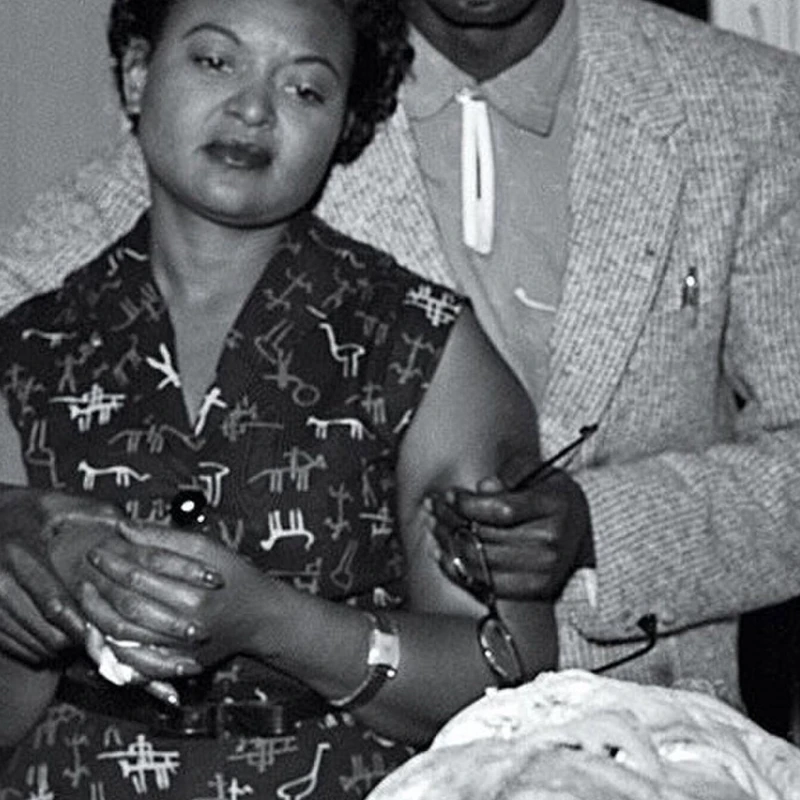
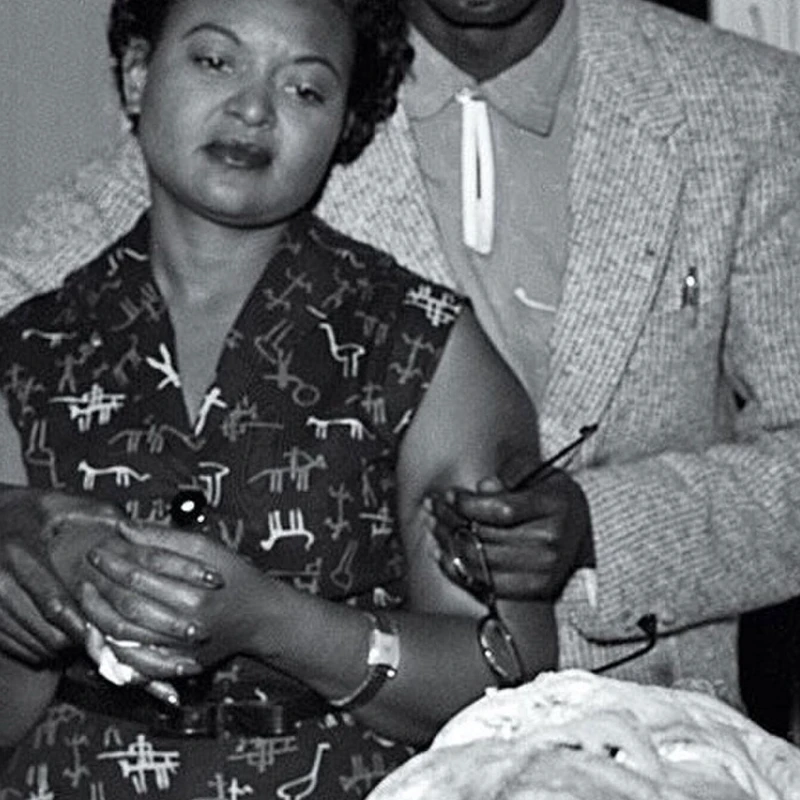
    Emmett Till was only 14 years old when he was brutally kidnapped, tortured, and murdered by white supremacists in the Jim Crow South of 1955. His mother, Mamie Till-Mobley, displayed extraordinary bravery by insisting on an open-casket funeral, allowing the world to see the horrific violence inflicted upon her son. This courageous act helped galvanize the Civil Rights Movement and sparked a national outcry for justice.

    The exhibit serves not only as a memorial but also as a call to action. As Sebastián Encina, director of curation & exhibition at Minnetrista, noted, “Emmett Till’s story is not distant history—it continues to shape the world we live in.” The exhibition challenges visitors to confront the reality of what happened, appreciate Mamie Till-Mobley’s courage, and recognize the deep connection between memory, truth, and responsibility. It emphasizes that remembering is an active process requiring attention, care, and action.

    A Journey of Remembrance and Action

    This powerful exhibit, supported by grants from the National Endowment for the Humanities, Maddox Foundation, Institute of Museum and Library Services, and the National Park Service, previously had a successful run at the Minnetrista Museum & Gardens. Its arrival at the Civil Rights Memorial Center in Montgomery is particularly significant, offering a space for reflection and dialogue in a city central to the Civil Rights Movement.

    Will you be visiting the ‘Emmett Till & Mamie Till-Mobley: Let the World See’ exhibit? How do you believe we can best carry forward their legacy of justice and reconciliation in our own communities? Share your thoughts in the comments below.
  • Justin Fairfax and Wife Found Dead in Apparent Murder-Suicide

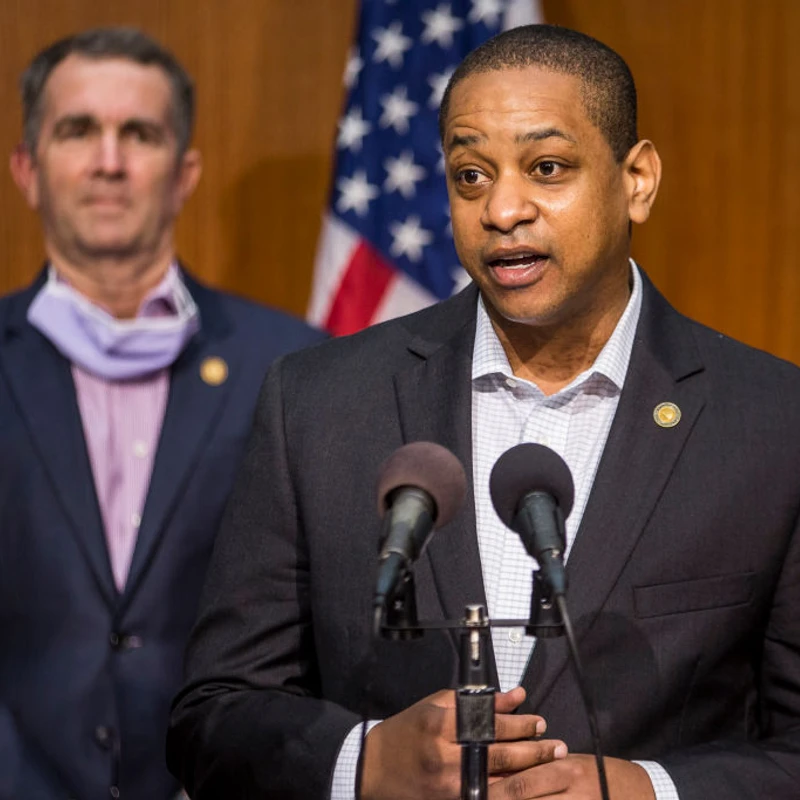
    A devastating tragedy has struck the community of Northern Virginia. Early Thursday morning, former Virginia Lt. Gov. Justin Fairfax and his wife, Cerina Fairfax, were found dead in what authorities are calling an apparent murder-suicide. The shocking news has sent ripples of grief and disbelief through the community that knew the family.

    A Community in Shock

    Fairfax County Police Chief Kevin Davis reported that Justin Fairfax allegedly shot his wife before taking his own life. Tragically, their teenage children were reportedly home at the time of the incident. Police had previously responded to the residence earlier this year following an accusation of assault by Justin Fairfax against his wife, though internal cameras reportedly showed no evidence of an assault.

    The couple was reportedly in the midst of divorce proceedings, and Justin Fairfax had recently received notification of his upcoming court hearing. Chief Davis indicated that investigators would be looking into whether these proceedings played a role in the tragedy. “It’s very sad for this community,” Davis stated, emphasizing the shock felt by many who knew the Fairfax family.

    A Controversial Political Career

    Justin Fairfax’s time in public office was marked by significant controversy. Following the blackface scandal involving then-Gov. Ralph Northam in 2019, Fairfax, as lieutenant governor, was positioned to potentially become Virginia’s second Black governor. However, this trajectory was derailed by sexual assault allegations from two women, Vanessa Tyson and Meredith Watson, which he has consistently denied.

    Despite calls for his resignation, Fairfax remained in office until the end of his term. His subsequent gubernatorial campaign in 2021 was overshadowed by these allegations, leading to a poor showing in the Democratic primary and effectively ending his political aspirations. He had controversially compared his treatment by opponent Terry McAuliffe to that of Emmett Till.

    Condolences and Support

    Cerina Fairfax, an alumna of the Virginia Commonwealth University School of Dentistry, ran a successful family dentistry practice in Northern Virginia and was recognized as an outstanding alumna in 2015. In the wake of this heartbreaking news, Virginia’s political leaders have shared their condolences. U.S. Senators Mark Warner and Tim Kaine expressed their prayers for the Fairfax children and family, as did former Governor Ralph Northam, who spoke of knowing the family well.

    Current Lt. Gov. Ghazala Hashmi also shared her sorrow, extending thoughts to the children and loved ones. As the investigation continues, the community grapples with the profound loss and the complex circumstances surrounding this devastating event.

    Our hearts go out to the Fairfax family during this incredibly difficult time. Share your thoughts and condolences in the comments below.

  • Shonda Rhimes Donates $1.5M to Emmett Till Memorial

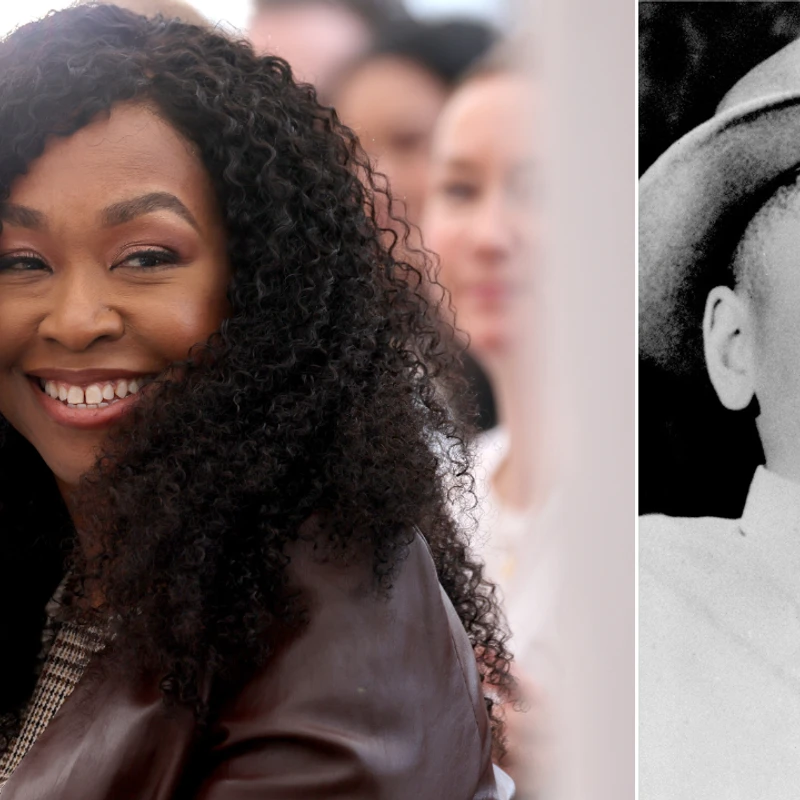
    Shonda Rhimes, the powerhouse producer behind some of television’s biggest hits, is making a profound statement with her commitment to preserving Black history. She recently donated a staggering $1.5 million to help purchase and protect the barn where Emmett Till, a 14-year-old Black boy, was brutally murdered in 1955. This incredible act of generosity ensures that this site, a place of immense historical pain and significance, will be preserved as sacred ground.

    Honoring Emmett Till’s Legacy

    The Emmett Till Interpretive Center announced the purchase of the barn near Drew, Mississippi, on November 24th. This acquisition is a crucial step in memorializing Till’s life and the horrific injustice he faced. Rhimes’ donation, alongside the dedication of local residents, makes it possible to safeguard this location, ensuring that the truth of what happened there can live on without fear of being forgotten.

    This isn’t Rhimes’ first foray into supporting the Till memorial. She previously partnered with the Center two years ago to help preserve sites connected to Till’s murder. Her continued involvement highlights a deep understanding that Till’s story is not just a historical footnote but a reflection of ongoing racial inequities that continue to plague our society.

    Rhimes’ Personal Connection and Motivation

    Rhimes’ inspiration to get involved stemmed from reading Wright Thompson’s 2021 article, “The Barn,” in The Atlantic. Thompson, a Mississippi native, explored the history of the site where Till was tortured and killed. Rhimes shared with Good Morning America that she was deeply affected, stating, “I couldn’t let it go. I kept thinking about it for weeks afterwards.”

    Her commitment goes beyond just preserving a building; it’s about confronting the persistent reality of racism. Rhimes poignantly noted in 2023, “It’s not over… Young Black men are still being killed for being young Black men.” This donation is a powerful testament to her belief that understanding this history is vital to preventing future tragedies.

    A Symbol of Racial Violence and the Fight for Justice

    Emmett Till’s murder, stemming from an accusation of whistling at a white woman, Carolyn Bryant Donham, remains a stark symbol of the brutal racial violence prevalent in the U.S. Her husband, Roy Bryant, and his half-brother, J.W. Milam, were acquitted by an all-white jury, despite later confessing to the crime. Carolyn Bryant Donham passed away in 2023 without ever being arrested.

    The harrowing images of Till’s mother, Mamie Till-Mobley, mourning over his open casket played a crucial role in galvanizing the Civil Rights Movement. Rhimes’ preservation efforts are particularly timely, as Black history faces increasing censorship. By protecting this site, she ensures that Till’s story and its connection to today’s struggles for racial justice are not erased.

    Looking Towards the Future

    The announcement of the barn’s purchase coincided with what would have been Mamie Till-Mobley’s 104th birthday. The Emmett Till Interpretive Center has set a goal to complete the memorial by 2030, which will mark the 75th anniversary of Emmett Till’s tragic murder. This ambitious project aims to create a space for education, remembrance, and continued dialogue about racial justice.

    What does Shonda Rhimes’ donation mean to you? How important is preserving sites like the Emmett Till barn for future generations? Let us know your thoughts in the comments!

  • Emmett Till Lynching Barn Purchased for Preservation

    In a significant move to protect a pivotal site in American civil rights history, the Emmett Till Interpretive Center (ETIC) has purchased the barn connected to the 1955 lynching of Emmett Till. This acquisition, finalized on November 23, 2025, for $1.5 million, aims to preserve the location’s integrity and prevent its exploitation by speculators or hate groups.

    Securing a Sacred Space

    Eyewitness accounts identify the barn, located outside Drew, Mississippi, as the place where 14-year-old Emmett Till was brutally tortured before his murder. The ETIC plans to transform this structure into a “sacred space for truth, healing, and national reflection,” ensuring that the narrative surrounding this tragic event is honored and remembered accurately.

    The decision to purchase the property was guided by the powerful charge from Emmett Till’s mother, Mamie Till-Mobley: “let the world see.” This mission remains central to the ETIC’s work. The organization explored various options, including donations and eminent domain, but ultimately prioritized preventing the site from falling into private hands, emphasizing that “you can’t put a price on our history.”

    Ending Erasure, Building Conscience

    The barn’s history has been deliberately obscured. After their acquittal, Till’s killers altered their accounts, attempting to erase the barn’s role in the crime. The ETIC views the preservation of this structure as a vital act against historical violence and erasure. By transforming a site of immense harm into a place of truth and healing, they aim to counter this silence.

    The acquisition was made possible through private philanthropy, with significant support from the Rhimes Family Foundation. No public funds were utilized in this transaction. The ETIC’s Instagram post highlighted the purchase as a protection of “sacred ground — a place where truth can live without fear of being forgotten.”

    Future Plans for the Site

    The ETIC envisions a multi-year process to develop the barn into a larger public memorial, with plans to open by the 75th anniversary of the lynching in 2030. Immediate steps include stabilizing the structure, engaging the community and Till family descendants, and developing interpretive materials to foster reflection and learning.

    • Stabilization and preservation of the barn structure.
    • Community engagement with Till family descendants and local elders.
    • Development of interpretive exhibits for reflection and learning.
    • Opening as part of a larger memorial by 2030.

    The ultimate hope for the barn is that it becomes a powerful site of conscience, prompting visitors to confront the human cost of injustice and recognize how attacks on dignity threaten democracy itself.

    What are your thoughts on the preservation of the Emmett Till lynching barn? Share your reflections in the comments below.

  • Emmett Till’s Murder Barn to Become Memorial

    A pivotal and tragic site in American history is set to be transformed. The Mississippi Delta barn where 14-year-old Emmett Till was brutally tortured and murdered in 1955 will be preserved and rebuilt as a sacred memorial. This initiative aims to honor his life and the profound impact his death had on the civil rights movement.

    A Sacred Site for Truth and Remembrance

    The Emmett Till Interpretive Center announced on November 24th – the day after Emmett’s mother Mamie Till’s birthday – that they had acquired the barn. This significant acquisition was made possible by a generous $1.5 million donation from acclaimed TV producer Shonda Rhimes, alongside contributions from local residents.

    The Center shared their vision: “We did not save this place to dwell in grief. We saved it so that truth could keep shaping us.” Their goal is to create a space for truth-telling, creative reflection, and civic awareness, moving beyond just witnessing tragedy to understanding personal responsibility in the ongoing fight for democracy.

    Shonda Rhimes’ Vision

    Rhimes, deeply moved by the barn’s history, expressed her hope that this story would never be forgotten. Speaking with Robin Roberts in 2023, she stated, “My hope is that this story never gets lost.” She believes the barn, like Mamie Till’s courage, carries a charge to help the world see the truth.

    The Tragic Events of 1955

    Emmett Till, a Black teenager from Chicago, was visiting relatives in Mississippi when he was abducted on August 28, 1955. He was taken to the barn by J.W. Milam, his brother Roy Bryant, and others. The horrific beating and murder that followed were based on a false accusation by Carolyn Bryant Donham, who claimed Till had made advances toward her.

    Donham’s later admission in 2007 that she had lied about the alleged advances, stating “Nothing that boy did could ever justify what happened to him,” became crucial in reassessing the case. Eyewitness Willie Reed bravely recounted hearing Till’s screams from inside the barn, ensuring that the full truth, despite efforts to bury it, could not be completely erased.

    A Mother’s Courage and a Nation’s Awakening

    Mamie Till’s courageous decision to have an open casket on September 6, 1955, was a pivotal moment. She wanted “to let the world see what they did to my son.” Thousands viewed Emmett’s mutilated body, an act that deeply affected many and galvanized the burgeoning civil rights movement.

    Despite the brothers’ later confession in Look magazine, double jeopardy protections prevented further prosecution after an all-white jury acquitted them of murder. The barn itself was intentionally omitted from historical accounts by the perpetrators, a deliberate act to conceal the full scope of the crime and protect others involved, all rooted in the pervasive racism of the time.

    Preserving History for Future Generations

    The barn’s journey to becoming a memorial has been long. Local resident Jeff Andrews purchased the site in 1994 and, upon learning its history, welcomed Till’s family and visitors, keeping the site meaningful long before official preservation efforts began. Filmmaker Keith Beauchamp also played a key role in documenting and advocating for the site’s significance.

    By 2030, the 75th anniversary of Emmett Till’s lynching, the Emmett Till Interpretive Center plans to open the reconstructed barn as part of a larger public memorial. This space is intended not just to remember a tragedy, but to foster understanding and encourage active participation in the ongoing struggle for justice and democracy.

    What does the preservation of sites like the Emmett Till barn mean to you? Share your thoughts in the comments below.
  • Shonda Rhimes Aids Preservation of Emmett Till’s Story

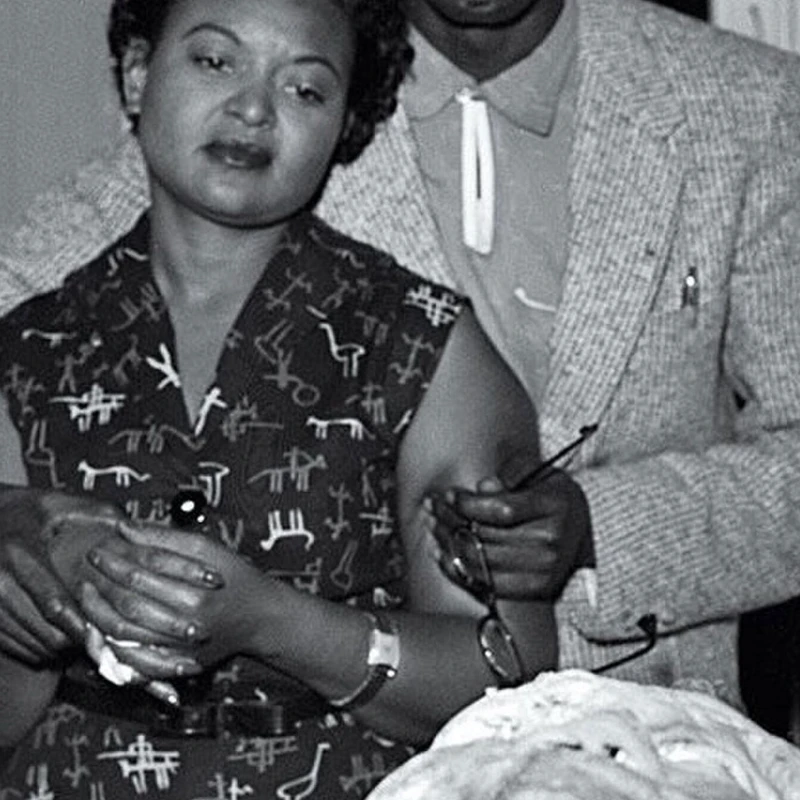
    In a powerful move towards historical preservation and restorative justice, the Emmett Till Interpretive Center has acquired the barn in Drew, Mississippi, where 14-year-old Emmett Till was tragically tortured and murdered in 1955. This significant step in safeguarding his story was made possible through the generous support of acclaimed writer and producer Shonda Rhimes.

    A Sacred Site for Truth and Remembrance

    The organization announced that thanks to Rhimes’ generosity and the determination of local residents, the barn has been purchased and protected. It will be preserved not just as a building, but as sacred ground – a place where the truth of what happened to Emmett Till can live on without fear of being forgotten. The center emphasizes that the goal is not to dwell in grief, but to ensure that truth continues to shape our understanding.

    Rhimes, deeply inspired by a 2021 article in ‘The Atlantic’ that investigated the barn’s history, revealed her partnership with the Emmett Till Interpretive Center in 2023. She shared with Robin Roberts on ‘Good Morning America’ that Emmett Till’s murder was a pivotal moment that ignited the civil rights movement. Her hope is that this crucial story will never be lost, asserting, ‘History is always told by the victors. And I think that it’s important that the Till family is the victor in this story.’

    Transforming History into a Public Memorial

    By the 75th anniversary of Till’s death in 2030, the barn is slated to open as part of a larger public memorial. This space is envisioned as a site for truth, creativity, and conscience, inviting visitors to reflect and confront the difficult realities of what happened to the young boy. This initiative extends beyond just the barn; the Interpretive Center has also restored the courthouse where justice failed and commemorated the riverbank where Emmett’s body was discovered.

    The announcement of the barn’s purchase was intentionally made on November 23, the birthday of Emmett Till’s mother, Mamie Till-Mobley. The organization stated that this work goes beyond mere restoration, posing the profound question: ‘what does it mean to be a people who remember?’ Facing the past honestly is framed not as an act of guilt, but as a shared responsibility, acknowledging that history belongs to everyone and demands engagement from each of us.

    The barn is more than just a historical artifact; it serves as a potent reminder of what democracy requires: honesty, courage, and the collective willingness to remember. Shonda Rhimes’ involvement ensures that this vital piece of American history will be preserved and shared for generations to come.

    What does the preservation of sites like the Emmett Till barn mean to you? Share your thoughts on remembering history in the comments below!

  • Emmett Till’s Resting Place Designated Historic

    A significant step has been taken to honor a pivotal figure in American history. Burr Oak Cemetery, the final resting place of Emmett Till, has been recommended for inclusion on the National Register of Historic Places. This nomination, voted on by the Illinois Historic Sites Advisory Council, would formally recognize the cemetery’s profound national importance.

    A Cemetery Born from Segregation

    Established in 1927 by leaders of the Supreme Life Insurance Company, Burr Oak Cemetery holds a unique place in history. It was founded specifically to provide dignified burial options for African Americans at a time when white-only cemeteries imposed strict restrictions. This cemetery stands as a testament to Black resilience and community building in the face of adversity.

    Historian Jean Guarino described Burr Oak as a “Black-owned and Black-managed place, built in the face of adamant white opposition.” This context highlights the cemetery’s role not just as a burial ground, but as a symbol of Black self-determination and cultural preservation.

    More Than Just Monuments: A Matter of Memory

    For Edward Boone, founder and chairperson of the nonprofit Friends of Burr Oak Cemetery, this nomination is deeply personal. He has dedicated years to preserving the cemetery’s records and maintaining its grounds. Boone emphasizes that the recognition is about more than just preserving structures; it’s about safeguarding memory.

    This isn’t just about monuments. It’s about memory — about making sure people know how deeply Black history runs through this soil. — Edward Boone

    The nomination period of significance spans from 1927 to 1975, acknowledging Burr Oak’s crucial role in Chicago’s Black community. It serves as the final resting place for thousands of veterans, educators, and entertainers whose lives and contributions are integral to the American narrative. Boone notes the presence of many graves belonging to individuals born before 1865, likely former slaves, whom they honor with African American flags on Juneteenth.

    A Victory for Preservation

    Even with potential delays due to a federal shutdown, preservationists view the nomination process itself as a significant victory. It represents a crucial acknowledgment of respect and dignity for the countless families who found a way to carve out their legacy when the world often denied them recognition.

    The designation of Burr Oak Cemetery as a National Historic Landmark is a powerful reminder of Black history’s enduring significance. What does this recognition mean to you? Share your thoughts in the comments below.
  • Emmett Till’s Lynching Gun Displayed 70 Years Later

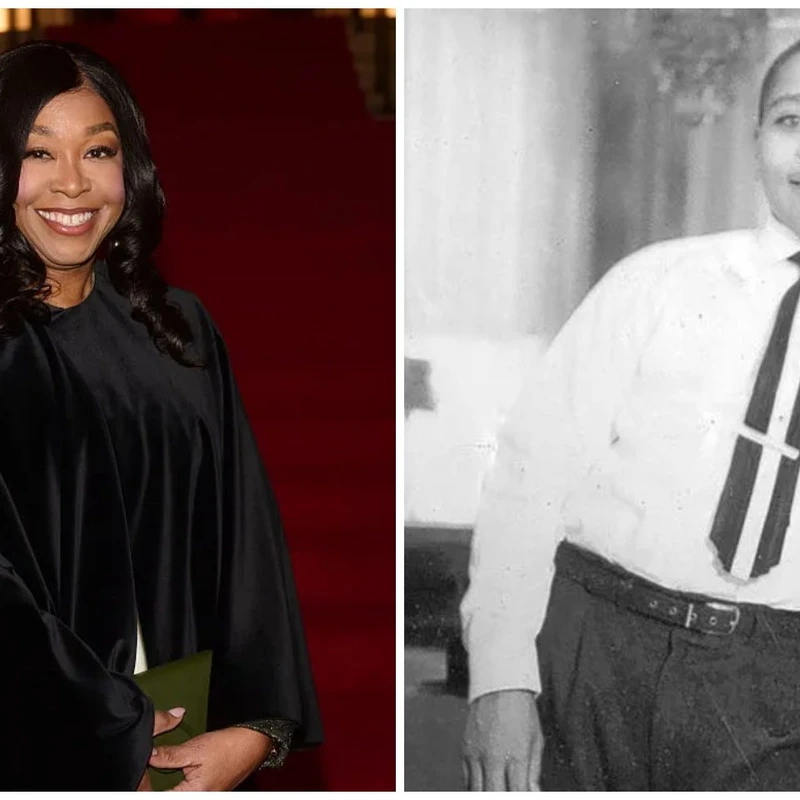
    Seventy years after the horrific lynching of Emmett Till, the very weapon used in his murder is now on public display. The Mississippi Department of Archives and History recently unveiled the .45-caliber pistol and its holster, marking a somber anniversary and a powerful moment for reflection.

    A Catalyst for Change

    The gun belonged to John William “J.W.” Milam, one of the two white men, along with Roy Bryant, who abducted, tortured, and murdered 14-year-old Emmett Till. The brutal act occurred on August 28, 1955, after Till was accused of whistling at a white woman in a Mississippi grocery store. His body was later found in the Tallahatchie River.

    Despite the overwhelming evidence and witness testimonies, Bryant and Milam were acquitted by an all-white jury. This injustice, however, did not silence the call for change. Till’s mother, Mamie Till-Mobley, bravely insisted on an open-casket funeral, allowing the world to see the horrific brutality inflicted upon her son, galvanizing the burgeoning Civil Rights Movement.

    An Artifact of History and Legacy

    The pistol, authenticated through its serial number matching FBI reports from the case, was anonymously donated by a family in the Mississippi Delta. It is now a central piece of the Emmett Till exhibit at the Mississippi Civil Rights Museum.

    Michael Morris, director of the Mississippi Civil Rights Museum, shared his hope that the display will encourage deep reflection. “To me, that’s the legacy. It’s not just his death. It’s the way that he still finds a way to inspire folks to be the change that they want to see in the world,” Morris stated. The display aims to connect Till’s tragic story to ongoing societal progress and the fight for justice.

    Honoring Emmett Till’s Memory

    The display of this artifact comes at a time when Emmett Till’s legacy continues to be recognized. The U.S. House of Representatives has unanimously passed a bill to posthumously award the Congressional Gold Medal to both Emmett Till and his mother, Mamie Till-Mobley, acknowledging their profound impact on American history and the Civil Rights Movement.

    What are your thoughts on displaying artifacts like the gun used in Emmett Till’s lynching? Share your perspective in the comments below.