
Tag: EEOC complaint

  • Trump Admin Sues NYT Over Diversity Hiring

    In a move that’s escalating the debate around diversity, equity, and inclusion (DEI) initiatives, the Trump administration has filed a federal lawsuit against The New York Times. The Equal Employment Opportunity Commission (EEOC) alleges that the newspaper unlawfully discriminated against a white male candidate in a promotion decision, prioritizing diversity over merit.

    Allegations of Unlawful Favoritism

    The lawsuit, filed on May 5th, centers on a deputy real estate editor role. According to the complaint, a white male candidate was reportedly passed over for the position in favor of an external candidate described as a multiracial woman. The EEOC claims this candidate had limited experience in real estate journalism, a key requirement for the role.

    EEOC Chair Andrea Lucas stated that the agency believes race and sex were indeed factors in the hiring decision. She emphasized that ‘there is no such thing as reverse discrimination’ because all forms of workplace discrimination are unlawful under federal law. The complaint specifically points to The Times’ public diversity initiatives and internal goals to boost representation of women and people of color in leadership roles.

    The New York Times Responds

    The New York Times has vehemently rejected the allegations, labeling the lawsuit as politically motivated. A spokesperson for the company defended their hiring process as fair and merit-based, asserting that the selected candidate was highly qualified. They accused the EEOC of targeting the publication as part of a broader political agenda against DEI programs.

    Danielle Rhoades Ha, a spokesperson for The Times, stated, ‘The New York Times categorically rejects the politically motivated allegations brought by the Trump administration’s EEOC.’ The newspaper intends to ‘vigorously’ defend itself against the lawsuit, dismissing any notion that its hiring practices violated federal labor law.

    A Broader Political Battle

    This legal action represents a significant escalation in the Trump administration’s ongoing scrutiny of corporate diversity initiatives. Since returning to office, the administration has actively challenged DEI policies across various sectors, including media, corporations, and educational institutions. The argument often put forth is that such programs may unfairly disadvantage white employees.

    The lawsuit highlights the contentious nature of DEI efforts and their legal implications. As The New York Times prepares to defend its hiring practices, this case could set important precedents regarding the balance between promoting diversity and ensuring equal opportunity in the workplace.

    What are your thoughts on this lawsuit and the broader debate surrounding diversity initiatives in hiring? Share your perspective in the comments below!
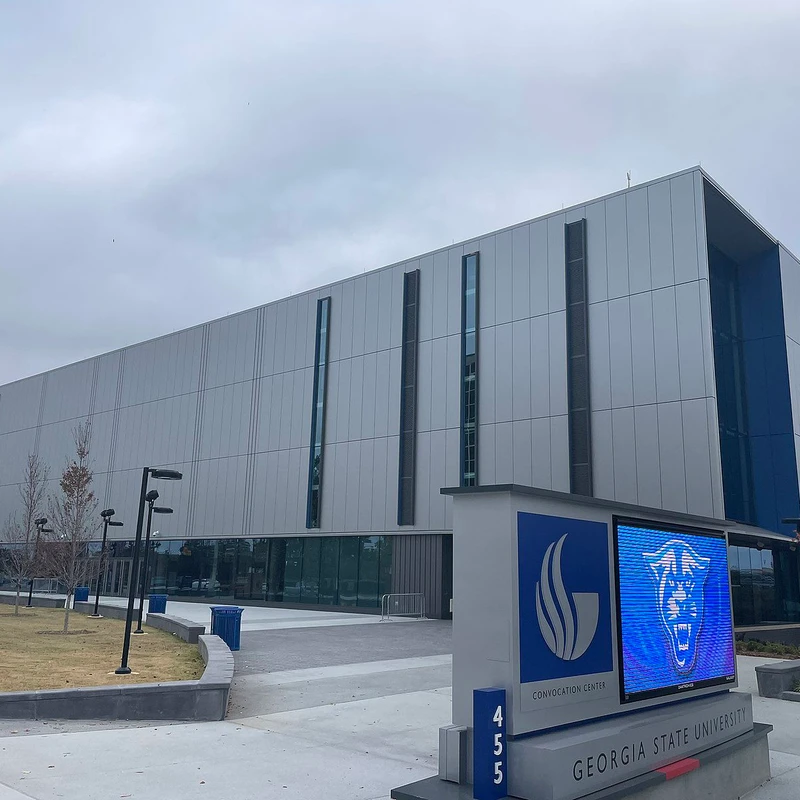
  • Ex-Employee Sues Georgia State Over Cancer Discrimination

    Imagine getting a devastating cancer diagnosis just weeks into a new job. That’s the reality Cindy Hawthorne faced at Georgia State University. She claims that after initially receiving support for her treatment, the university ultimately fired her, alleging her work slowed down due to her chemotherapy and radiation.

    Initial Support Turns Sour

    Hawthorne started her role as a civil rights compliance investigator at Georgia State University. Shortly after beginning, she received her cancer diagnosis and immediately informed her supervisors. They reportedly expressed support and authorized accommodations, including working from home and deadline extensions, as she started chemotherapy.

    Demonstrating her commitment, Hawthorne even postponed surgery to ensure her work responsibilities were met. However, as she experienced complications from her treatments, her request for another extension was met with a different response. Instead of empathy, her directors allegedly implemented a 90-day performance improvement plan.

    Feeling Pushed Out

    Hawthorne felt that this new plan, coupled with the hiring of a new team member, was a way to push her out. As a civil rights investigator, her job was to ensure the school upheld the rights of students and staff. Ironically, she believes her own rights were violated.

    She worked at the university for less than a year before being terminated in October. Hawthorne expressed feeling “thrown away and lied to, to make it feel like it was my fault.” She has since filed a complaint with the Equal Employment Opportunity Commission (EEOC), seeking justice for what she considers a wrongful firing.

    Seeking Legal Validation

    Her lawyer, Artur Davis, highlighted Hawthorne’s dedication, noting that she delayed surgery to prioritize her job. Davis emphasized that this level of commitment shows she was more than pulling her weight. Now, Hawthorne is pursuing a legal claim to validate her experience and hold the university accountable.

    What are your thoughts on Cindy Hawthorne’s situation? Do you believe she was wrongfully terminated? Share your perspective in the comments below!

  • EEOC May Drop Claims: Experts Urge Legal Action

    Heads up if you’ve filed a discrimination claim with the EEOC! Reports suggest the agency might be dropping certain types of claims, specifically those involving ‘disparate impact liability.’ This legal concept is crucial because it addresses policies that might seem neutral but create unfair barriers for specific groups. Experts are urging claimants to take action now.

    What is ‘Disparate Impact Liability’?

    So, what exactly is ‘disparate impact liability’? It’s a legal principle that argues a policy or hiring practice can be discriminatory even if it appears fair on the surface. If that policy creates an unnecessary obstacle that disproportionately affects certain groups (like race, gender, or age), it can be challenged. For years, this rule has helped eliminate arbitrary hurdles in the job market, creating a more level playing field for applicants.

    According to attorneys Joseph M. Sellers and Christine E. Webber of Cohen Milstein, the EEOC has been enforcing this rule since at least 1971. However, a memo obtained by the Associated Press indicates the EEOC plans to discharge complaints based on this liability. This could leave many claimants feeling like their cases have no merit.

    Why You Need to Lawyer Up

    The EEOC reportedly plans to notify claimants by the end of October. If you receive such a notice, it means you’ll need to file a lawsuit independently if you wish to continue pursuing your claim. Sellers and Webber emphasize that the EEOC’s refusal to investigate doesn’t mean your claim lacks merit or that there’s no path forward.

    The crucial point is that courts are still enforcing these civil rights laws, including the disparate impact rule. However, there’s a strict 90-day deadline from receiving the notice to file your own lawsuit. Missing this window means your claim will be permanently barred.

    Taking Action

    Sellers and Webber strongly encourage anyone who receives a notice to consult an attorney as soon as possible, especially those with experience in disparate impact claims. They stress that even if the EEOC is stepping back from decades of precedent, the courthouse doors remain open for workers with valid claims. It’s time to be proactive and protect your rights.

    Have you or someone you know been affected by discrimination in the workplace? Share your thoughts or experiences in the comments below. If you’ve received a notice from the EEOC, what steps are you planning to take?