President Donald Trump announced on Friday, May 29, 2026, that he was nearing a ‘final determination’ to end the United States’ war in Iran. However, national security and foreign policy experts are expressing skepticism about the feasibility of his ambitious goals, suggesting the reality is far more complex than publicly presented.
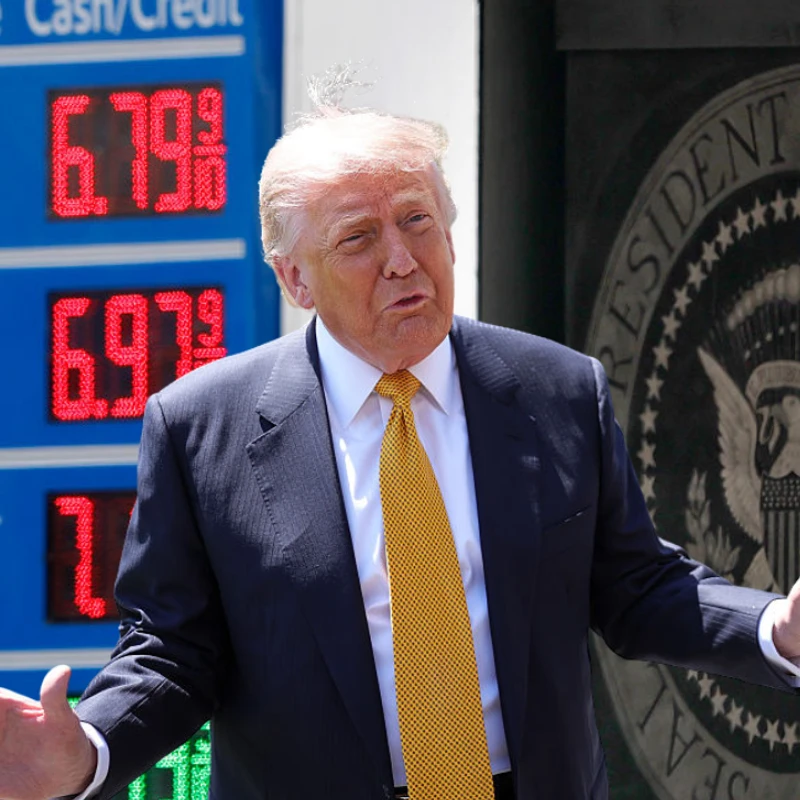
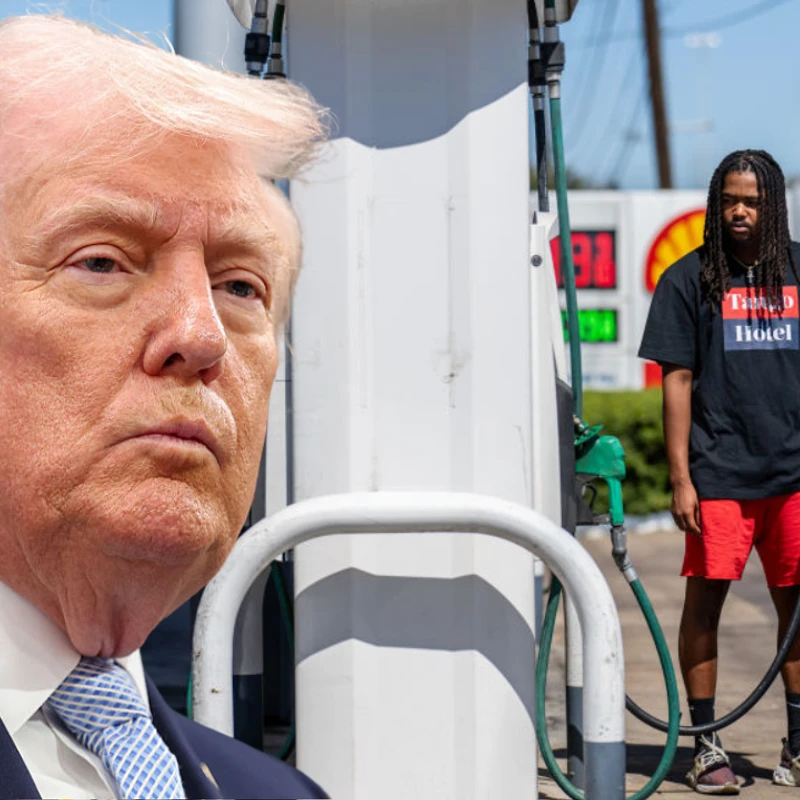
This ongoing conflict is not only a significant drain on U.S. resources, costing at least $2 billion daily, but it’s also severely impacting the American economy. We’re seeing soaring gas prices averaging over $4.30 per gallon, continued inflation, and rising mortgage rates. These economic strains are affecting various industries, including farming, and are hitting Black Americans particularly hard.
Disproportionate Impact on Black Communities
Black households are already contending with generational disparities in wages and wealth. The current economic climate, exacerbated by Trump’s war, his tariffs on global imports, and cuts to essential federal programs like food and healthcare assistance, is intensifying these challenges. Experts warn that if the war isn’t resolved, underserved communities, which form the majority of the U.S., will continue to suffer immensely.
Democratic strategist Ameshia Cross highlighted the disconnect between the administration’s rhetoric and the reality on the ground. ‘He continually [says] that affordability is a hoax, that this crisis is not a crisis, even though communities, specifically the Black community, are calling it out,’ Cross stated. Furthermore, she noted that following the Supreme Court’s decision on the Voting Rights Act, Black Americans are witnessing potential dilution of their votes through redistricting, diminishing their political power.
Obstacles to Peace
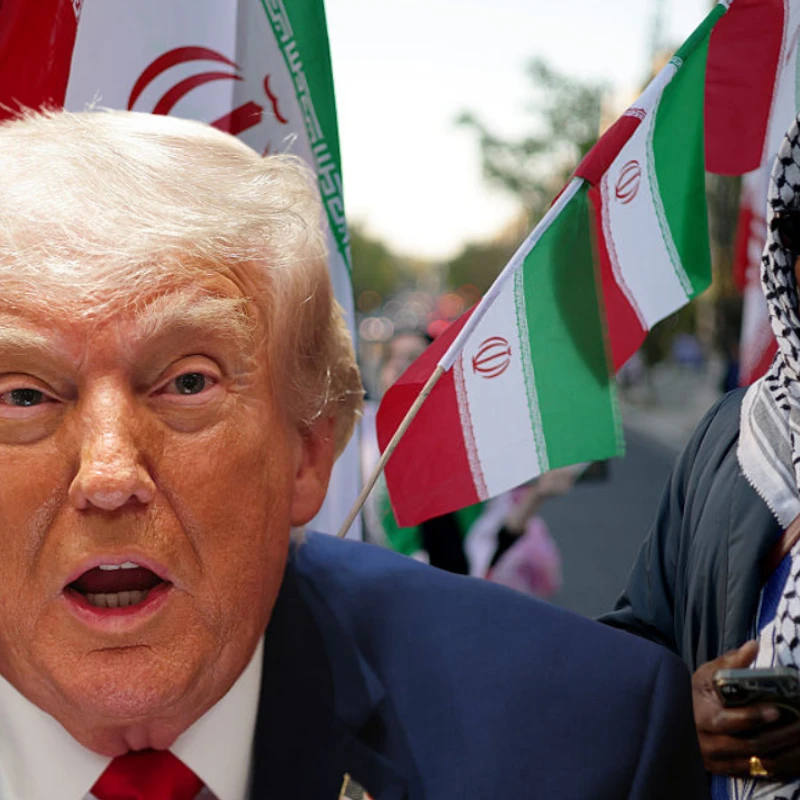
Achieving a peace deal requires intricate negotiations between the U.S. and Iran. Decades of complex hostility, broken agreements, and critical issues like Iran’s nuclear program, control over natural resources, and the strategic Strait of Hormuz (through which 20% of the world’s oil flows) stand as significant hurdles.
Trump has publicly demanded that Iran forgo nuclear weapons, immediately open the Strait of Hormuz to all shipping without tolls, and dismantle its enriched nuclear material. However, experts like Asha Castleberry-Hernandez, a former Department of Defense appointee, believe Trump has limited international support for his approach, unlike former President Obama’s 2015 nuclear deal (JCPOA).
Comparing Approaches: Trump vs. Obama
Trump has frequently criticized Obama’s JCPOA as a ‘disaster.’ The Obama deal placed restrictions on Iran’s nuclear enrichment and established oversight, with sanctions as a consequence. In contrast, Trump aims for a complete cessation of nuclear weapons development. However, former intelligence analyst Victor LaGroon points out that nuclear capability can serve as leverage for a nation, providing a deterrent against invasion and a stronger voice in international affairs.
Castleberry-Hernandez noted that while Pakistan offers some support, it’s insufficient for brokering a deal alone, thus delaying progress. LaGroon argued that Obama’s deal was more effective because it maintained U.S. influence and allowed for diplomatic engagement, which he believes is preferable to war.
Ameshia Cross suggests Trump is attempting to craft a deal superior to Obama’s, which he dismantled in 2017. However, she points out that Iran made concessions under the Obama administration and, having gained momentum in the current conflict, is unlikely to relinquish everything now. Despite Trump’s claims of military success, Iran maintains control over the Strait of Hormuz, generating revenue through tolls.
If Trump’s deal allows Iran to retain control of the Strait, experts like Castleberry-Hernandez believe it would be a less favorable outcome than Obama’s agreement, potentially embarrassing for Trump. Cross concludes that the U.S. currently lacks leverage, and despite Trump’s projections, the war’s end date remains uncertain.
LaGroon predicts that any immediate deal struck by Trump will likely be superficial and unsustainable, given the history of failed agreements with Iran. He criticizes the administration’s lack of strategic diplomacy, stating Trump’s dictatorial approach won’t succeed. Regarding the economic impact, LaGroon warns that even if the war ends soon, gas prices won’t immediately decrease, and he believes Trump’s priorities lie with the war effort over American economic well-being, potentially harming Republicans in the upcoming election.
What are your thoughts on the economic impact of the Iran war and President Trump’s approach to ending it? Share your views in the comments below!