Tag: Drug Addiction

  • Kodak Black: A Cycle of Controversy

    It seems like every few months, Kodak Black’s name reappears in the headlines, but rarely for his music alone. The Florida rapper has built a career that constantly oscillates between artistic achievement and public scandal. His latest drug-trafficking arrest is just the newest chapter in a long-standing narrative of legal troubles and controversies that have shadowed him throughout his time in the spotlight.

    A Pattern of Legal Battles

    Legal issues have been a constant companion for Kodak Black, making it almost impossible to discuss his career without mentioning his run-ins with the law. From weapons charges and probation violations to more serious allegations, these interruptions consistently pull the focus away from his music. Just as momentum builds, another court case or mugshot resurfaces, reigniting debates about his ability to stay out of trouble.

    One significant legal hurdle was his 2019 arrest on federal weapons charges, stemming from falsified firearm paperwork. At the time, he was already a prominent figure in Florida’s rap scene, amplifying the impact of the charges. This led to a period of incarceration, much of which he spent in 2020.

    The Trump Commutation and Political Fallout

    In January 2021, Kodak Black received a presidential commutation from Donald Trump during the final hours of his presidency. This release made national headlines, not just for Kodak himself, but for its entanglement with a polarizing political figure. Kodak publicly thanked Trump, further fueling conversations and criticism, especially given Trump’s contentious relationship with many Black voters.

    Serious Allegations and Colorism Claims

    Beyond legal battles, Kodak Black has faced severe accusations, including a sexual assault case related to a 2016 incident. A teenage girl accused him of assault, a case that lingered for years. In 2021, he accepted a plea deal, pleading guilty to a lesser assault charge and receiving probation, but the allegations significantly impacted public perception.

    Furthermore, comments he made about dark-skinned Black women in a 2017 Instagram Live session sparked accusations of colorism. His preference for lighter-skinned women and descriptions of dark-skinned women as “too gutter” touched upon deep-seated issues within the Black community regarding beauty standards and racial hierarchies, leading to strong public backlash.

    An Unpredictable Public Persona

    Over time, the controversies surrounding Kodak Black have coalesced into a public image defined by unpredictability. His comments about Lauren London following Nipsey Hussle’s death, public feuds with other artists, and erratic online behavior have left fans questioning whether they are witnessing raw authenticity or self-destruction. Concerns about his well-being, including speculation about substance use and mental health struggles, often surface after public appearances.

    When a new arrest occurs, it doesn’t just bring attention to the immediate charges. It pulls the entirety of his controversial past back into the spotlight: the legal issues, the colorism comments, the Trump pardon, the sexual assault case, the public feuds, and the visible instability. The public’s reaction is no longer to isolated incidents but to the cumulative weight of his history.

    Enduring Influence Amidst Chaos

    Despite the constant turmoil, Kodak Black remains commercially relevant and culturally influential. He maintains a loyal fanbase, his music continues to sell, and younger artists still cite him as an inspiration. Many listeners view him as a gifted rapper whose raw honesty shines through, even as his public life remains chaotic. The controversies have become inextricably linked to his work, a debate that continues every time his name hits the news.

    How do you view Kodak Black’s career amidst his ongoing controversies? Share your thoughts in the comments below!
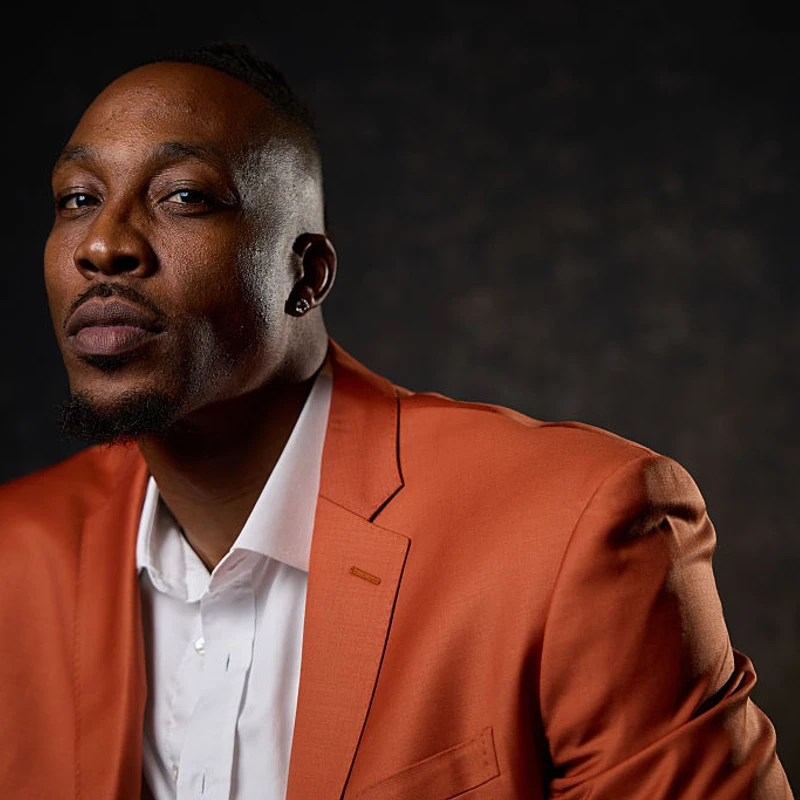
  • Dwight Howard’s Daughter Seeks to Live With Mom

    The personal life of former NBA star Dwight Howard is under scrutiny as his 15-year-old daughter, Layla, has taken steps to live with her mother. Layla has petitioned the court, citing claims that her father’s alleged drug use has created an “unsafe” living environment.

    Daughter’s Plea for Safety and Support

    Layla’s mother, Tiffany Render, shared a detailed account on Instagram, describing her daughter’s emotional distress and feelings of neglect. Render claims that when Layla confided in school counselors and coaches about her sadness and loneliness at her original high school, her father immediately removed her from the school and changed her phone number. Furthermore, she alleges that her father pulled Layla from her volleyball and basketball teams after she spoke to her sports coaches.

    Render stated, “When a child cries out for help, they deserve to be protected, not dismissed & hidden.” She believes her daughter’s actions were a result of reaching a “breaking point” and that a recent photo shared by Howard was a calculated attempt to create a “false and fake happy family narrative.”

    Echoes of Previous Allegations

    Render’s claims echo those made by Howard’s estranged wife, Amy Luciani, who previously alleged that his behavior led to Child Protective Services involvement. Luciani also accused Howard of being manipulative and using his resources to silence those he has allegedly harmed. Howard has denied these allegations, including claims of drug use.

    Royce Reed, another former partner of Howard’s, has also spoken out, expressing vindication after years of criticizing his behavior. Reed publicly addressed Luciani’s claims, questioning her narrative and emphasizing that the focus should always be on the well-being of the children.

    A Mother’s Fight for Her Child

    Render shared a signed affidavit from the Superior Court of Gwinnet County, where Layla formally requested to be placed in her mother’s care. Render expressed gratitude to Amy Luciani for speaking out and echoed sentiments that Howard’s wealth and connections have allegedly shielded him from consequences. She also mentioned in comments that her daughter is reportedly still not back in her custody following CPS involvement.

    • Dwight Howard’s 15-year-old daughter, Layla, is petitioning the court to live with her mother, Tiffany Render.
    • Layla claims her father’s alleged drug use creates an unsafe environment.
    • Render alleges Howard has been manipulative and controlling, removing Layla from school and teams.
    • These claims echo previous allegations made by Howard’s estranged wife, Amy Luciani.
    • A court affidavit shows Layla’s request to be placed in her mother’s care.

    What are your thoughts on Layla Howard’s petition and the allegations against Dwight Howard? Share your perspective in the comments below.

  • Mike Tyson Used Fentanyl During Boxing Career

    Mike Tyson, a legend in the boxing world, has opened up about a surprising aspect of his past: his use of fentanyl during his active career. In a recent interview, the 59-year-old shared that he used the potent opioid as a painkiller, initially unaware of its illegal status for professional athletes.

    A Painkiller Past

    Speaking on The Katie Miller Podcast about his journey as a cannabis entrepreneur, Tyson detailed his experience with fentanyl in the late 1990s. He explained that he used it to manage pain, particularly for a toe injury. “It was like heroin, once it wears off and you take the Band-Aid off, you start withdrawing, throwing up, just like if you were on heroin or something,” Tyson recalled.

    Tyson admitted to using it “quite a few times.” He mentioned that a friend introduced it to him, and at the time, it was a relatively new substance that few had heard of. He believed it was simply a painkiller and didn’t realize it was a prohibited narcotic for athletes. He even suggested he would have continued using it if it had been permissible.

    Understanding Fentanyl’s Potency

    The DEA describes fentanyl as a powerful synthetic opioid, significantly more potent than heroin and morphine. Its use, even as a prescribed painkiller, carries substantial risks, and the CDC reported a high number of overdose deaths in the U.S. related to the drug in 2024.

    This revelation adds another layer to Tyson’s well-documented history of battling substance abuse. In his autobiography, “The Undisputed Truth,” he openly discussed fighting under the influence of marijuana and cocaine, even admitting to being a “full-blown cokehead” during certain periods of his career. He also tested positive for marijuana before a fight in 2000.

    A Look Back at Recent Events

    Tyson recently made headlines for his exhibition match against Jake Paul in November 2024, where he was defeated by unanimous decision after 8 rounds. His candidness about past struggles, including his use of fentanyl, offers a raw look into the challenges faced by athletes both inside and outside the ring.

    What are your thoughts on Mike Tyson’s revelation about using fentanyl? Share your reactions in the comments below.