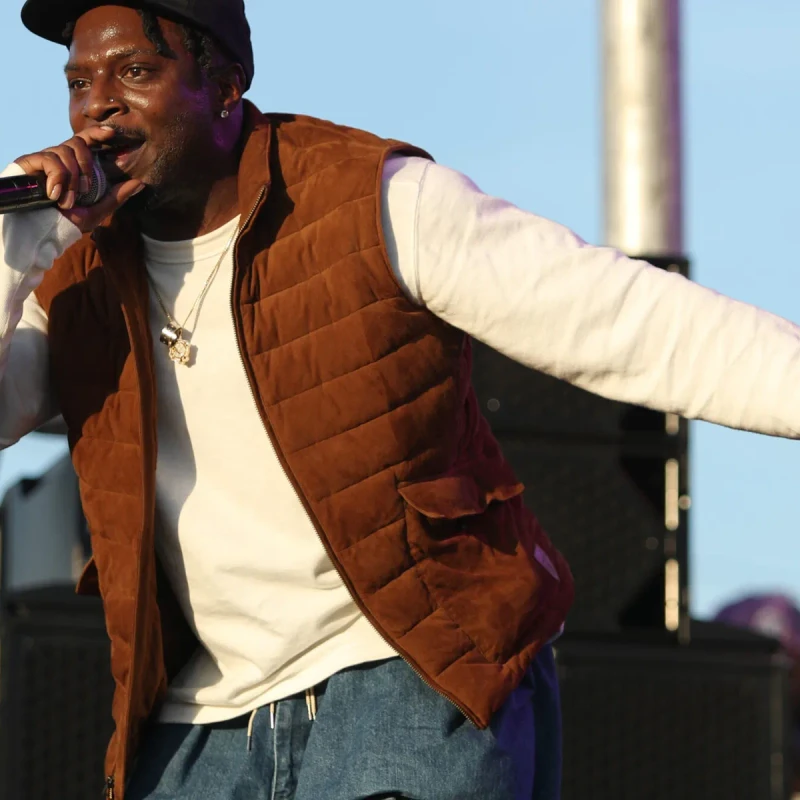
It’s been a journey for Isaiah Rashad, navigating public perception and his own identity, especially after intimate videos allegedly involving him were leaked online in early 2022. This incident sparked widespread conversations about sexuality within hip-hop, a genre often grappling with homophobia and rigid ideas of masculinity.
While many fans and fellow artists rallied around Rashad, condemning the invasion of his privacy, the experience clearly took a toll. He’s spoken about the emotional impact of having his personal life exposed without consent. Despite this, Rashad has largely focused on his music and hasn’t let the leak define him.
Comparing Industry Reception
In a recent candid conversation with Dominic Fike for Pigeons and Planes, Rashad opened up about how he feels he’s received in the music industry. He reflected on his past struggles, admitting, ‘On the last rollout, sh*t, I was acting like I was past all my demons, and sh*t. I was f*cked up the week before. I’m not proud of that sh*t.’
He went on to describe himself as the ‘poster child for recovery’ due to his public journey. However, when discussing his identity as a ‘Black bi rapper,’ Rashad expressed a sense of disillusionment. ‘It doesn’t come with any of the perks I thought it would come with. There are no Frank Ocean perks,’ he stated.
The ‘Frank Ocean Perks’ Discussion
This comparison points to the significant impact Frank Ocean had when he revealed his past relationship with a man in a Tumblr post back in 2012, just before the release of his groundbreaking album, ‘Channel Orange.’ Ocean’s openness was widely seen as a pivotal moment for LGBTQ+ visibility in hip-hop and beyond.
Rashad’s comment suggests that while he has also been open about his sexuality, the industry reception and the perceived ‘perks’ – perhaps referring to critical acclaim, commercial success, or a certain level of artistic freedom and acceptance – haven’t mirrored what Ocean experienced. It highlights the ongoing complexities and varying levels of acceptance for artists exploring their identities within the genre.
Rashad’s willingness to share these thoughts provides valuable insight into the challenges faced by artists navigating their public personas and identities in the spotlight. His journey underscores the evolving, yet still sensitive, landscape of sexuality and acceptance in hip-hop.
What are your thoughts on Isaiah Rashad’s comments about industry perks and his experience as a ‘Black bi rapper’? Share your perspective in the comments below!
