Tag: Discrimination

  • Black Colorado Ranchers Face Escalating Dispute After Shooting

    A Black-owned farm in Colorado is experiencing an alarming escalation in a long-standing dispute. Courtney “CW” and Nicole Mallery, owners of Freedom Acres Ranch, report that a shooting incident on their property over Easter weekend has intensified their fears for safety, marking a dangerous new phase in years of alleged hostility.

    Escalation of Hostility and Fear

    The Mallerys stated that shots were fired on their land during the Easter weekend. Although no one was injured, the incident left the family deeply shaken. “Shots were fired at our ranch. We are alive, but something inside us has been shaken in a way that cannot be put back easily,” the couple shared in a social media statement.

    This shooting is not an isolated event, according to the Mallerys. They describe a pattern of intimidation that began shortly after they relocated to rural Colorado, seeking to rebuild their lives after being displaced by Hurricane Harvey. Their experiences include alleged surveillance, property damage, and online harassment.

    From Intimidation to Survival

    The Mallerys emphasized the severity of their situation, stating, “We are no longer speaking about harassment. We are no longer speaking about intimidation. We are speaking about survival.” Their concerns are compounded by troubling incidents such as the unexplained deaths of livestock and alleged confrontations involving firearms, as previously reported.

    Adding to their challenges, the couple faced criminal charges, including felony stalking and theft allegations, which they maintain were part of an effort to force them off their land. These charges were later dismissed by prosecutors. The Mallerys have also voiced criticism regarding the El Paso County Sheriff’s Office’s response to their complaints over the years, though law enforcement officials deny any wrongdoing.

    Seeking Intervention and Support

    In their quest for intervention, the Mallerys are appealing to state leaders, including Governor Jared Polis, Attorney General Phil Weiser, and Commissioner of Agriculture Kate Greenberg, to investigate their situation. Supporters highlight the case as reflective of the broader struggles faced by Black farmers in the U.S., including historical discrimination and obstacles to land ownership.

    All we want to do is farm and feed our community. How much terror must a family endure before it is taken seriously? — Courtney and Nicole Mallery

    Despite the ongoing concerns for their safety and the persistent challenges, the Mallerys remain committed to their land and their mission of farming and feeding their community. No arrests have been made in connection with the Easter weekend shooting as the investigation continues.

    This is a deeply concerning situation. What steps do you think can be taken to ensure the safety and success of Black farmers facing such challenges? Share your thoughts in the comments below.

  • Racist Backlash After Historic French Mayoral Election

    History was made in Saint-Denis, a major suburb of Paris, when Bally Bagayoko was elected mayor. However, this significant achievement has been overshadowed by a disturbing wave of racist backlash, exposing deep-seated tensions surrounding race and political representation in France.

    A Surge of Racist Harassment

    Since Bagayoko’s victory in mid-March, city hall staff have been subjected to a relentless barrage of offensive and discriminatory phone calls. Callers have posed loaded questions, such as inquiring about headscarf requirements in schools or asking if Saint-Denis is now a “town of Blacks and Arabs.” Some callers have even resorted to playing music by Malian artists, adding a layer of veiled insult.

    Kelly Kidou, who manages reception services at city hall, described the calls as a “new level” of openly racist remarks, noting that the anonymity of phone calls emboldens perpetrators. These incidents have become a daily occurrence, marking a troubling escalation in hostility.

    Beyond Phone Calls: Disinformation and Dehumanization

    The backlash isn’t confined to phone harassment. Several Black political figures, including parliamentary vice-president Nadège Abomangoli, have reportedly received letters containing dehumanizing and primitive depictions of Black individuals. Online, disinformation campaigns have falsely claimed Bagayoko referred to Saint-Denis as the “city of blacks,” when in reality, he celebrated it as “the city of kings – and of the living people.”

    The controversy reached a fever pitch during a televised debate on CNews. A commentator’s rhetoric, invoking imagery associated with apes and tribal leadership, sparked widespread outrage from advocacy groups and political leaders alike. This incident highlighted how deeply ingrained racist tropes can be amplified in public discourse.

    Condemnation from National Leaders

    France’s Prime Minister, Sébastien Lecornu, has publicly condemned the climate surrounding these attacks, warning against the “normalisation of evil and racism.” Media outlets and political figures have echoed these concerns, with one editorial lamenting the “xenophobic attacks” and the “full regression” of a part of the country. Fabien Roussel pointed to “deep-seated discrimination against people of the Muslim faith, Arabs and Black people” that is “almost systemic.”

    Community Solidarity Amidst Hostility

    Within Saint-Denis, the community’s reaction is complex but increasingly unified. While the hostility is a frequent topic of conversation, some residents feel the backlash has inadvertently strengthened community bonds, fostering a sense of solidarity. Local leaders like Mohammed Ouaddane, head of a cultural association, describe the attacks as degrading and humiliating, emphasizing that Saint-Denis represents a vision for a pluralistic France that is being rebuilt.

    Bagayoko, 52, born in France to Malian parents, represents the left-wing La France Insoumise party. His election is part of a larger trend where approximately ten mayors of African descent have won or retained office across France. While these victories are seen as progress, they undeniably bring persistent discrimination into sharper focus.

    What are your thoughts on the racist backlash following Bally Bagayoko’s election? Share your views in the comments below.

  • Black Men Fired From Transport Boards Allege Discrimination

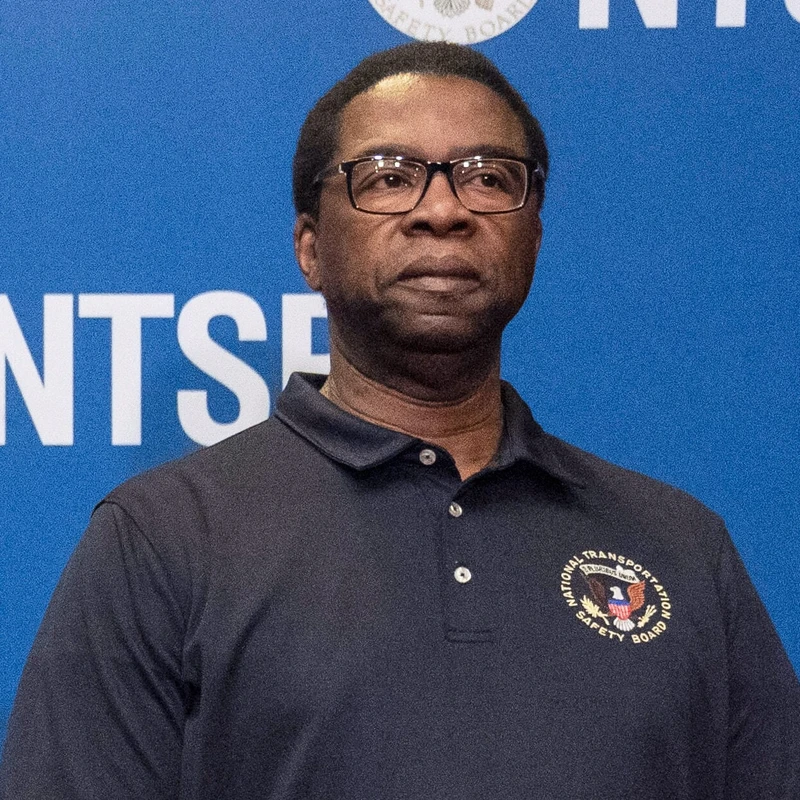
    A serious accusation is being leveled against the Trump administration: a pattern of discrimination against Black leaders in key government positions. Two Black men, Robert Primus and Alvin Brown, who previously served on influential transportation boards, are now suing, alleging their dismissals were unlawful and part of a broader purge of Black commissioners.

    Targeted Dismissals from Independent Agencies

    Primus, who served on the U.S. Surface Transportation Board (STB), and Brown, who was Vice Chairman of the National Transportation Safety Board (NTSB), were the only Black members on their respective boards when they were fired in August and May of 2025. Both men argue that their dismissals lacked the “good cause” required by law for removal from these independent agencies.

    Democracy Forward, a legal organization, has filed new discrimination claims on behalf of both men. “When you look at who has been removed without cause, and who has been left in place, the pattern is impossible to ignore: Black commissioners across the federal government have been summarily fired,” stated Brown. “My abrupt removal was unlawful, and it was discriminatory.”

    Legal Battles and Administration’s Defense

    The White House has not yet formally responded to Primus’ lawsuit but has previously stated that Trump acted within his legal rights. In Brown’s case, the administration has asked a judge to dismiss his lawsuit, arguing that the “for cause” protection for board members is unconstitutional, asserting the president’s right to choose his appointees freely.

    The firings have raised eyebrows, particularly at the NTSB, an agency tasked with investigating transportation disasters. Experts noted that dismissals from the NTSB are virtually unheard of. The agency is currently investigating numerous high-profile cases, including a deadly collision over Washington, D.C.

    Concerns Over Mergers and Competition

    Primus’s removal from the STB came shortly after Union Pacific proposed a massive $85 billion acquisition of Norfolk Southern railroad, a deal the board will soon consider. Primus had previously opposed Canadian Pacific’s acquisition of Kansas City Southern due to competition concerns, a stance that contrasts with Trump’s reported positive view of the Union Pacific deal.

    The lawsuits contend that these firings align with Trump’s broader rhetoric critical of diversity and inclusion, suggesting a preference for hiring white individuals. This pattern, the lawsuits argue, extends to other independent agencies like the Federal Reserve, Equal Employment Opportunity Commission, and Nuclear Regulatory Commission.

    Party Affiliation and Continued Service

    While party balance rules dictate that no more than three of the five board members can belong to the same party, the lawsuits highlight that other Democratic members on both the STB and NTSB were allowed to continue serving. Primus, a Democrat, was nominated by Trump, appointed chairman by Biden, and then saw his role shift under Trump’s second term. Brown, also a Democrat, was dismissed despite having a term scheduled to run through 2026, while a white Democratic member continued serving beyond his term’s expiration.

    What are your thoughts on these allegations of discrimination in government appointments? Do you believe the firings were politically motivated? Share your views in the comments below!

  • Denny’s Sued Over Alleged Racial Discrimination

    Imagine walking into a restaurant, ready for a meal, only to be turned away with a flimsy excuse, while others who look different are seated and served. That’s exactly the situation five Black women say they experienced at a Denny’s in Pennsylvania, leading them to file a racial discrimination lawsuit.

    The Incident: Denied Service, But Why?

    On January 14, 2024, Daniella Bonhomme, Tatiana Poulard, Aminique Kirnon, Selina Sacasa, and Quantavia Grant stopped at a Denny’s in Bloomsburg, Pennsylvania. As they approached, a staff member allegedly told them the restaurant was closed due to “flickering lights.” A seemingly simple explanation, right?

    However, upon using the restrooms, the women discovered the truth: there were no electrical issues. Patrons were dining, and remarkably, all of them were white. This stark contrast led one of the women to capture the moment on video, documenting the alleged discriminatory treatment.

    Legal Action and Allegations

    The lawsuit, filed in the U.S. District Court for the Middle District of Pennsylvania, details how the women felt “humiliatingly denied seating and service… simply because of the color of their skin.” Their legal team asserts that the “flickering lights” story was merely a cover for blatant racial discrimination.

    Kyle Platt, the attorney representing the women, emphasized the obvious nature of the alleged discrimination. “They entered the restaurant and were immediately basically ushered away, while all the white patrons were able to eat without issue,” he stated. The women’s legal counsel also noted that the employee’s haste to deny them service before they even entered the premises was particularly hurtful.

    A Troubling Pattern?

    Adding another layer to the complaint, Denny’s corporate vice president, Chioke Elmore, who is Black, reportedly tried to downplay the incident to one of the women. He allegedly said, “I look like you, and I wouldn’t want to work here if they didn’t want people like us to eat here.” This statement, according to the complaint, was an attempt to “placate and persuade.”

    This isn’t the first time Denny’s has faced accusations of racial discrimination. Back in 1994, the restaurant chain settled a significant class-action lawsuit for $54 million following numerous allegations that Black customers were treated differently than their white counterparts. This history adds weight to the current claims.

    What are your thoughts on this lawsuit and the allegations against Denny’s? Share your perspective in the comments below!

  • Nine Black Women Allege Discrimination at Virginia Steakhouse

    What was meant to be a joyous Friendsgiving dinner turned into a deeply upsetting experience for nine women in Chesapeake, Virginia. They allege that they were subjected to discrimination and humiliation at the Cork and Bull Chophouse, leading them to pursue legal action.

    An Unwanted Confrontation

    The incident occurred on November 6th, when the group was enjoying drinks. Across the room, a fight broke out between two other diners, also Black women. While those individuals left before police arrived, the nine friends claim that restaurant staff wrongly assumed they were involved in the altercation.

    Shakoya Holt, one of the women, recounted the manager’s response when she inquired if the restaurant was closing for everyone. She states the manager replied, ‘No. We’re just not servicing you all, because you all like to fight.’ This comment, she says, singled out their group, while no one else was asked to leave.

    Public Humiliation and Legal Recourse

    Ashley Pickens described the moment as incredibly embarrassing, with ‘all eyes on us’ as they were forced to leave the dining room. Their attorney, Joyvan Malbon-Griffin, highlighted the injustice, stating that all nine women were treated more harshly than the two individuals actually involved in the fight. She emphasized that such poor judgment by employees cannot be allowed to continue.

    The women claim the restaurant has made no attempt to apologize or provide an update since the incident. Consequently, they are now pursuing legal action, citing racial discrimination and violations of equal protection. ‘They have said enough is enough, and we are not going to take it,’ Malbon-Griffin added.

    Community Support and a Call for Dignity

    The NAACP Virginia State Conference and the NAACP Chesapeake Branch have publicly voiced their support for the nine women. Rev. Cozy Bailey, president of the state conference, called the incident a ‘painful reminder that racism remains embedded in our daily lives’ and stressed the importance of holding establishments accountable for perpetuating racial stereotypes.

    Holt’s message to businesses is simple yet powerful: ‘Treat your customers with dignity and respect.’ This incident serves as a stark reminder of the ongoing fight against discrimination and the need for businesses to ensure equitable treatment for all patrons.

    What are your thoughts on this alleged discrimination case? Have you or someone you know experienced similar treatment? Share your experiences and opinions in the comments below!

  • London Police Accused of ’30 Patterns of Harm’

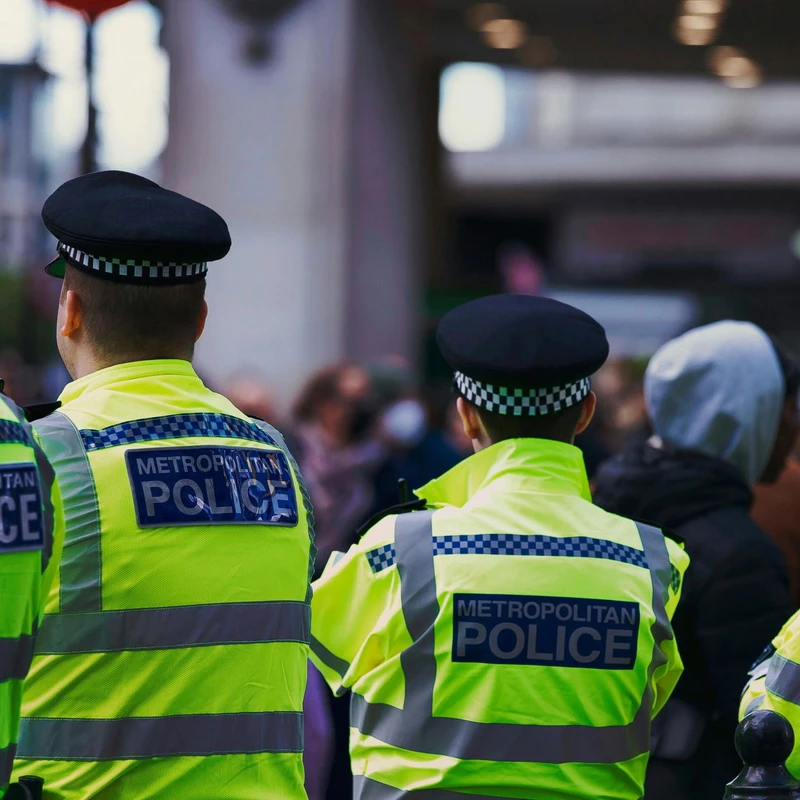
    Imagine living in a city where the very people sworn to protect you are accused of perpetuating harm based on race. That’s the stark reality revealed in a new, comprehensive report detailing systemic racism within London’s Metropolitan Police Service. Titled ’30 Patterns of Harm: A Structural Review of Systemic Racism Within the London Metropolitan Police Service,’ the 125-page inquiry paints a disturbing picture of deep-rooted anti-Black bias.

    Decades of Documented Harm

    This isn’t just a fleeting concern; the report, commissioned by the Met itself and authored by Shereen Daniels, analyzed four decades of data. The findings conclude that racism isn’t an anomaly but has become an “institutional design.” Lead investigator Daniels stated, “Systemic racism is not a matter of perception. For almost fifty years, reviews of the Metropolitan Police have documented the harm experienced by Black Londoners, officers, and staff.”

    The report goes further, examining how the Met’s systems, leadership, and culture actively produce racial harm while seemingly resisting genuine reform. It points to discriminatory practices, including colorism, where darker-skinned officers are often labeled “confrontational,” while lighter-skinned colleagues might receive more leniency. This internal bias creates a toxic environment for many.

    Voices of Displeasure and Promises of Change

    The findings have understandably drawn public ire. Doreen Lawrence, whose son Stephen Lawrence was tragically murdered in a racially motivated attack, voiced her long-held concerns. She emphasized that the Black community has been acutely aware of the Met’s anti-Black nature for years, urging the police to move beyond promises and enact tangible change. “The police must stop telling us that change is coming whilst we continue to suffer,” Lawrence told the BBC.

    In response to the damning report, the Metropolitan Police Service has publicly accepted accountability. They’ve pledged to initiate meaningful discussions on critical themes such as accountability, structural reform, equity, internal bias, and the appropriate use of police powers. The commitment is to shape concrete next steps based on the report’s findings.

    What are your thoughts on the ’30 Patterns of Harm’ report and the Metropolitan Police’s response? Share your views in the comments below!

  • Kanye West Ordered to Deposition in Donda Academy Lawsuit

    It looks like Kanye West will have to face the music in court. A judge has officially ordered the controversial artist to sit for a deposition in a lawsuit filed against him concerning his Donda Academy private school. This ruling comes after a former employee brought forth serious allegations.

    Allegations of Discrimination and Harassment

    The lawsuit was initially filed in April 2024 by Trevor Phillips, who claims he worked at Donda Academy. Phillips alleges he experienced discrimination, harassment, and a hostile work environment. According to court documents obtained by TMZ, the judge has given West 30 days to appear and answer questions under oath.

    Phillips’ filing details disturbing claims, including accusations that West would “spew forth hate, profess antisemitic tropes and lies, threaten the LGBTQ+ community.” The lawsuit also references West’s controversial social media behavior and alleges disparate treatment of employees, stating that West would “scream and berate black employees, while never even as much raising his tone at the white staff.”

    Attempts to Avoid Deposition

    This deposition order comes after Phillips reportedly made multiple unsuccessful attempts to get West to appear voluntarily. When reached for comment by TMZ, West’s lawyer, Eduardo Martorell, declined to provide a statement. The exact date for the deposition remains unclear.

    This isn’t the only legal trouble West has faced recently. His former assistant, Lauren Pisciotta, has also filed a lawsuit alleging sexual assault and other misconduct. She further claimed West orchestrated a swatting campaign against her in retaliation for her accusations, allegations that West has denied.

    What This Means for Donda Academy

    The Donda Academy has been a subject of scrutiny and controversy since its inception. These legal battles highlight ongoing challenges and allegations surrounding the institution and its founder. The upcoming deposition is a critical step in the legal process for Trevor Phillips’ case.

    What are your thoughts on Kanye West being ordered to a deposition in the Donda Academy lawsuit? Share your opinions in the comments below!

  • Cracker Barrel Server Sues Over Racist Slurs, Hostile Work Environment

    A former Cracker Barrel server is taking the popular restaurant chain to court, alleging a deeply disturbing pattern of racism and a hostile work environment at one of its Tennessee locations. Roberta Mendez, a Black woman who worked at the Nashville-area restaurant since 2015, claims that management not only ignored but also perpetuated discriminatory behavior from her coworkers.

    Allegations of Pervasive Racial Slurs

    According to the lawsuit filed on August 21st, Mendez alleges that her coworkers frequently subjected her to racist remarks. These included being called a “nappy headed [N-word,] burnt biscuit,” and a “monkey.” The lawsuit also details an incident where a shift leader allegedly told Mendez directly in 2024, “I don’t like Black people.”

    Despite consistently meeting or exceeding performance expectations, Mendez claims she was treated less favorably than her white counterparts, especially those who made derogatory comments towards her based on her race. This alleged disparity in treatment occurred throughout her tenure at the establishment.

    Management’s Alleged Complicity and Retaliation

    The lawsuit makes explosive claims about the restaurant’s culture, asserting that management allegedly segregated Black workers from their white colleagues. When Mendez brought her concerns about this treatment and the racist behavior to her superiors, she claims she was not only ignored but was instead written up. Even after escalating her concerns to Human Resources and later to Cracker Barrel’s corporate division in August 2024, detailing the treatment of herself and other Black employees, Mendez alleges she was the only one held accountable.

    Tragically, just a month after submitting her grievance to corporate, Mendez was fired for allegedly “breaking company policy.” Meanwhile, none of the white coworkers accused of racist conduct faced any repercussions.

    A History of Discrimination Allegations

    This is not the first time Cracker Barrel has faced legal challenges related to discrimination. In 2010, the company settled a civil rights lawsuit with the Department of Justice over allegations of a pattern of denying African-American customers access to facilities and services based on race. Even further back, in 2004, Cracker Barrel agreed to an $8.7 million settlement to resolve lawsuits brought by the NAACP, which included claims of segregating Black and white patrons and serving Black customers food that had been discarded.

    Mendez is suing under Title VII of the Civil Rights Act of 1964, seeking reinstatement, back pay, lost benefits, compensatory and punitive damages, and legal fees. Her legal team expects that depositions will further corroborate the facts alleged in her complaint. Cracker Barrel has not yet officially responded to the lawsuit.

    What are your thoughts on these serious allegations against Cracker Barrel? Have you or someone you know experienced similar issues in the workplace? Share your experiences and opinions in the comments below.

  • LSU’s First Black Law Dean Claims Discrimination

    Alena Allen, who made history as the first Black person and woman to lead the LSU Paul M. Hebert Law Center, has announced she is stepping down from her leadership role. However, Allen claims this departure was not voluntary but rather a result of racial and gender discrimination, forcing her out against her wishes.

    Allegations of Discrimination and Retaliation

    Allen, who made history in 2023, will continue her career at LSU as a full-time faculty member. The university announced the end of her tenure as dean via an internal email on August 29th. Allen and her attorney assert that she did not agree to resign and that LSU leadership’s announcement was misleading. She is reportedly considering legal action, citing alleged whistleblower retaliation after she questioned “irregularities” in the LSU law school’s finances.

    According to NOLA, Allen’s attorney claims the LSU Board of Supervisors engaged in “systematic discrimination and retaliatory conduct” against her. Allen herself stated in a response to auditors, “I am the first woman and the first person of color to serve as the permanent dean of the Paul M. Hebert Law Center. That fact is not incidental—it is central to what follows.” She finds it deeply troubling that she appears to be held to a higher standard than her white, male predecessors, who she believes entrenched the practices she has sought to reform.

    A Shift in Leadership Amidst Departures

    Allen’s claims of discrimination come at a time when several other Black administrators have departed from LSU. Notably, the university’s first Black president, William Tate, left his position on June 30th to become the president of Rutgers University. This pattern of departures raises further questions about the environment for Black leaders at the institution.

    Following Allen’s request for an investigation into racial and gender discrimination, she met with LSU leaders, who informed her that the Law School would be moving in a “different direction” without her leadership. Allen is expected to continue leading the Law School until the end of the spring 2025 semester. In the interim, Interim LSU Provost Troy Blanchard announced that a national search for her successor will commence.

    What are your thoughts on Alena Allen’s allegations? Do you believe her claims of discrimination? Share your opinions in the comments below!