
Tag: DHS

  • ICE Limits Reports Amid Rising Immigrant Deaths

    A concerning trend is emerging within the Immigration and Customs Enforcement (ICE) system: as the number of immigrant deaths in custody rises, the agency is releasing significantly fewer details about these tragic incidents. What were once comprehensive, multi-page reports have dwindled to brief synopses, raising alarms among lawmakers and international leaders.

    Decreased Transparency Amidst Rising Fatalities

    Previously, ICE was required to release detailed reports within 90 days of a detainee’s death, including timelines, medical observations, and causes of death. However, since mid-December 2025, these reports have become sparse. This lack of transparency comes as ICE recently reported the 16th immigrant detainee death of the year. While the number of people in ICE detention centers has dropped by 11% since February, and arrests are down by 21%, there are still over 60,000 individuals in custody—nearly double the number from before President Trump’s second term.

    The Department of Homeland Security (DHS) has attributed the delay in updating its website, which posts investigation details, to the ongoing department shutdown. “Under these conditions, certain administrative and public-facing updates are not fully operational. In a shutdown driven by Democrats’ failure to fund the government, non-essential reporting functions can be slowed even as ICE continues its core mission,” a DHS statement explained.

    Lawmaker and International Concerns

    Lawmakers are increasingly worried about the situation, particularly concerning facilities like Camp E. Montana in El Paso, Texas, which holds a high number of immigrants. Democratic Rep. Veronica Escobar of Texas has publicly called for the camp’s closure due to its conditions. International leaders, including Mexico’s President Claudia Sheinbaum, have also voiced criticism over immigrant deaths in U.S. custody, with Sheinbaum stating, “There are many Mexicans whose only crime is not having papers.”

    A poll by AP-NORC revealed that six in 10 U.S. adults believe the Trump administration has “gone too far” with immigration enforcement, indicating growing disapproval of ICE activities. Carin Zissis, vice president of content strategy for the Council of the Americas, noted that this dissatisfaction provides a more comfortable platform for the Mexican government to raise concerns about the welfare of Mexican citizens in U.S. custody.

    DHS Defends Detention Standards

    Despite the rising death toll and criticism, DHS defends the reported increase in death rates, emphasizing that they represent a small fraction of the overall detainee population. The agency asserts that all detainees receive adequate meals, water, medical treatment, and opportunities to communicate with family and legal counsel. DHS further claims that ICE detention standards exceed those found in most U.S. prisons holding U.S. citizens.

    What are your thoughts on ICE’s reduced reporting and the rising number of detainee deaths? Share your views in the comments below.

  • DHS Rethinks Flights to ‘Sanctuary Cities’

    Newly confirmed Department of Homeland Security (DHS) Secretary Markwayne Mullin has ignited controversy with his suggestion that the U.S. might reconsider allowing international flights into “sanctuary cities.” His remarks have drawn sharp criticism and raised concerns about potential economic repercussions, especially with the 2026 FIFA World Cup on the horizon.

    The ‘Sanctuary City’ Debate

    During an interview with Fox News, Mullin questioned the logic of allowing international flights into cities that limit cooperation with federal immigration enforcement. “If they’re a sanctuary city, should they really be processing customs into their city?” he asked. Mullin stated his belief that sanctuary policies are “not lawful” and that DHS would “take a hard look at this.”

    The term “sanctuary city” typically refers to municipalities that limit the use of local resources for federal immigration enforcement. Proponents argue these policies foster trust between immigrant communities and law enforcement, encouraging crime reporting. However, critics like Mullin contend that such policies hinder federal immigration enforcement efforts.

    Backlash and Economic Concerns

    Mullin’s comments quickly drew fire from officials like California Governor Gavin Newsom’s Press Office. A statement posted on X (formerly Twitter) warned of severe economic consequences: “If you thought the economy was bad with Trump’s war driving prices at the pump up… just wait until international travel is halted at some of the busiest airports in the world. Talk about a stupid idea.”

    The timing of these remarks is particularly sensitive, as the U.S. anticipates 5 to 7 million international visitors for the 2026 FIFA World Cup, many of whom will arrive through major airports in cities that could be affected. Data from the World Travel & Tourism Council suggests that international travel spending in the U.S. was already projected to decline, and halting flights could exacerbate this trend.

    A Precedent and a Warning

    Mullin’s stance echoes sentiments from the previous administration, with former Homeland Security Secretary Kristi Noem and former Attorney General Pam Bondi having previously warned “sanctuary jurisdictions” about potential consequences for non-compliance with federal law. This suggests a potential shift in federal policy towards cities with sanctuary designations.

    Juliette Kayyem, former assistant secretary for intergovernmental affairs at DHS, also weighed in on X, noting that most World Cup host cities are governed by Democrats, implying that Mullin’s proposed actions might face significant political hurdles. The debate highlights the complex interplay between immigration policy, local governance, and national interests.

    What are your thoughts on the DHS Secretary’s proposal regarding international flights to sanctuary cities? Do you think this policy would be effective or harmful? Share your opinions in the comments below!

  • TSA Proposes $18 Fee for Travelers Without REAL ID

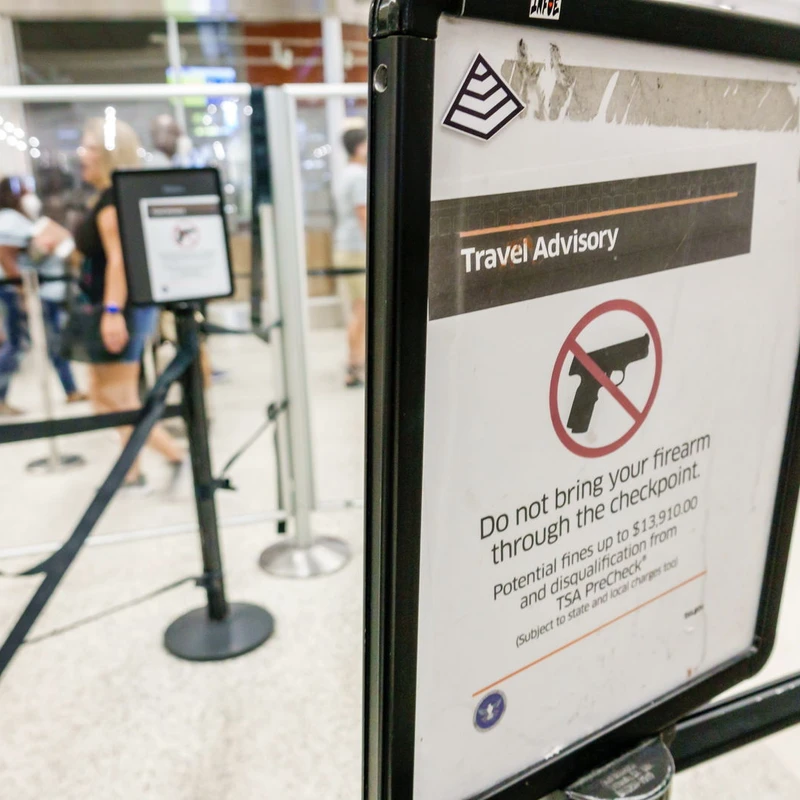
    Planning your next domestic flight? You might want to double-check your identification. The Transportation Security Administration (TSA) is considering a new $18 fee for air travelers who show up at security checkpoints without a REAL ID or a passport.

    New Fee to Fund Biometric Technology

    This proposed fee is part of a larger initiative by the TSA to transition towards more advanced biometric screening systems. According to a rule slated for publication in the Federal Register, the $18 charge would help offset the costs associated with deploying and maintaining this new technology. This system uses a combination of biometric and biographical data to verify a traveler’s identity.

    For passengers who don’t have the required REAL ID or passport, this fee would grant them access through the upgraded verification system. The clearance would be valid for up to 10 days, allowing for subsequent travel within that window without an additional charge. However, the TSA emphasizes that this process doesn’t guarantee identity verification or access to the secure area of the airport.

    REAL ID Enforcement and Public Comment

    This proposed change comes as federal enforcement of the REAL ID Act, enacted in 2005, finally began in May after numerous delays. The law mandates that state-issued driver’s licenses and identification cards meet federal security standards to be used for domestic air travel. The TSA sees this new fee as a way to support the final implementation of REAL ID requirements.

    While the TSA aims for quicker and more efficient identity checks with the new system, travelers using the alternative verification method might experience longer screening times or additional security steps. The agency is coordinating with various stakeholders to ensure both security and efficiency at checkpoints. The proposed rule will open a public comment period, allowing for feedback before any final decisions are made.

    The $18 fee is non-refundable and is specifically tied to the resources needed for the upgraded technology. Travelers are encouraged to obtain a REAL ID-compliant license or use a passport to avoid this potential extra cost and streamline their airport experience.

    Will you be getting a REAL ID to avoid this potential fee? Let us know your thoughts in the comments below!

  • DOJ Accused of Coercing Plea Deal or Deportation

    Serious allegations have surfaced regarding the U.S. government’s handling of Kilmar Abrego Garcia’s immigration case. Newly filed court documents suggest that federal agencies may have pressured Garcia into accepting a guilty plea or facing deportation to a country deemed unsafe.

    An Impossible Choice?

    According to the court filing, Garcia was reportedly given an ultimatum: accept a guilty plea in exchange for deportation to Costa Rica, or face deportation to Uganda if he didn’t agree by Monday morning. His legal team asserts that Uganda poses significant risks to his safety and liberty.

    This situation goes beyond aggressive prosecution, according to Garcia’s attorneys. They believe these actions are retaliatory, stemming from Garcia’s previous efforts to fight against illegal deportation to El Salvador. The accusation is that the DOJ, DHS, and ICE collaborated to punish him for exercising his rights under the Bail Reform Act and the Fifth Amendment.

    Concerns Over Government Conduct

    Legal experts cited in the filing emphasize that the government cannot penalize individuals simply for asserting their legal rights. Such actions are considered unconstitutional and a violation of due process. The document specifically points to what it describes as a “coercive coordination” between the DOJ and DHS, suggesting a deliberate strategy to force defendants into difficult choices.

    Garcia’s legal team is now exploring options, including a potential emergency motion to halt his removal or to seek sanctions against the prosecutors for alleged misconduct. The outcome of this case could have significant implications, potentially setting a precedent for how immigration consequences are used within criminal proceedings.

    What are your thoughts on these allegations against the DOJ, DHS, and ICE? Share your views in the comments below!