Tag: Department of Labor

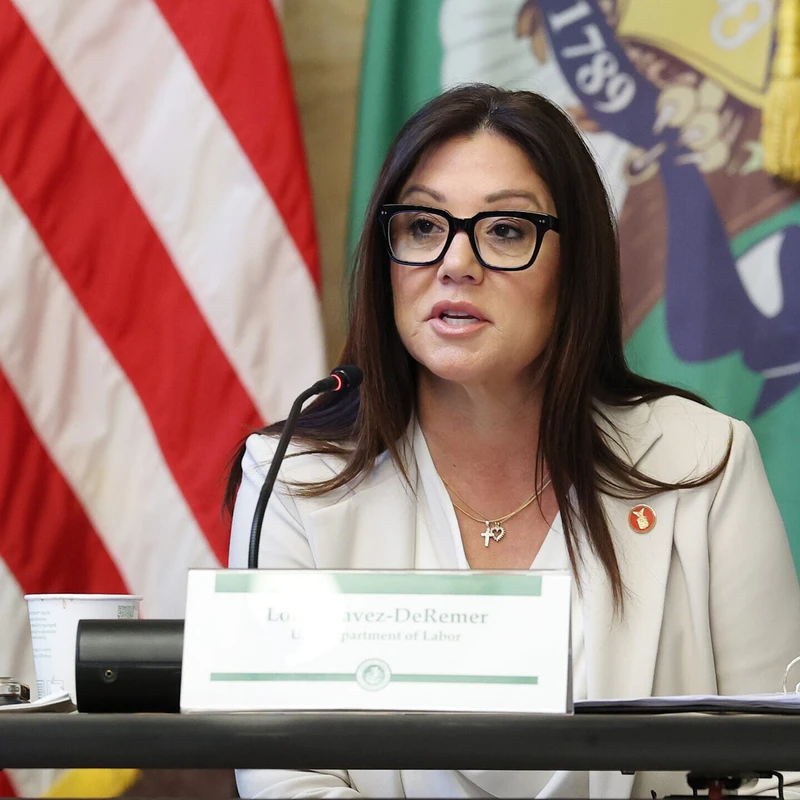
  • Labor Secretary Lori Chavez-DeRemer Resigns Amid Allegations

    U.S. Labor Secretary Lori Chavez-DeRemer has resigned from Donald Trump’s Cabinet, effective April 21, 2026. Her departure follows a series of serious allegations concerning abuse of power and workplace misconduct, which had been under internal investigation.

    Allegations and Investigations

    The White House confirmed Chavez-DeRemer’s resignation, stating she will transition to a role in the private sector. Her tenure was marked by scrutiny over claims including an alleged inappropriate relationship with a subordinate, consuming alcohol while on duty, and utilizing staff for personal errands. These allegations had been the subject of an internal investigation by the Labor Department’s inspector general.

    Reports indicated that investigators examined communications suggesting inappropriate interactions between Chavez-DeRemer, her family members, and younger staffers. The probe also followed earlier complaints, including one related to her security detail. Chavez-DeRemer has publicly denied the allegations, characterizing them as politically motivated attacks by “deep state actors.”

    A Shift in Administration Response

    While the White House initially defended Chavez-DeRemer, the tone reportedly shifted as more claims emerged and the internal investigations progressed. Prior to her resignation, several Labor Department officials connected to the situation were reportedly removed from their positions. Her exit marks the third Cabinet-level departure in recent months for the administration.

    White House communications director Steven Cheung acknowledged Chavez-DeRemer’s contributions, highlighting her work on policies aimed at supporting American workers and expanding job opportunities. Keith Sonderling, the current deputy labor secretary, has been appointed as the acting head of the department.

    Chavez-DeRemer’s Tenure and Policy Impact

    Lori Chavez-DeRemer, a former Republican congresswoman from Oregon, was confirmed to the Cabinet in March 2025 with bipartisan support. During her time as Labor Secretary, she was instrumental in advancing the administration’s deregulatory agenda, including efforts to scale back numerous workplace rules. These changes faced criticism from labor advocates and safety experts, particularly concerning protections for vulnerable workers.

    Her tenure also saw the cancellation of several international labor programs focused on combating child labor, a decision that raised concerns among global labor organizations. The impact of these policy shifts continues to be a subject of discussion among labor advocates.

    What are your thoughts on Lori Chavez-DeRemer’s resignation and the allegations against her? Share your views in the comments below.
  • Lawmakers Demand Action on Black Women’s Unemployment

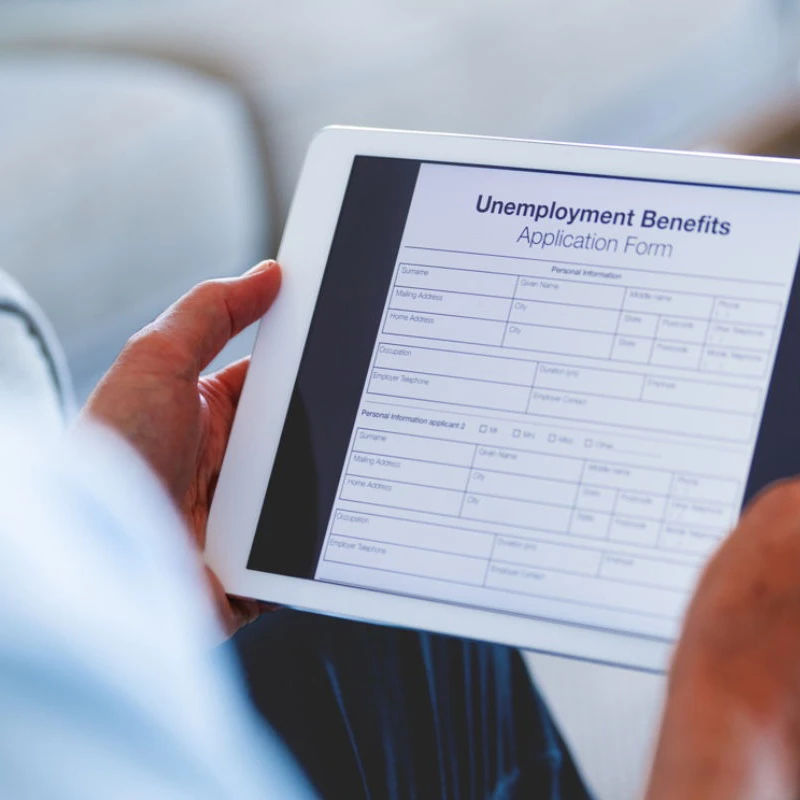
    A concerning trend in the labor market has prompted lawmakers to demand answers. Democratic representatives, led by Rep. Yvette D. Clarke (D-NY), are pressing the U.S. Department of Labor to address the escalating unemployment crisis disproportionately affecting Black women. Citing alarming data, they are calling for immediate action to combat this economic displacement.

    Alarming Statistics Highlight a Growing Crisis

    A letter sent to Labor Secretary Lori Chavez-DeRemer and Acting Director Loretta Greene, co-signed by 19 lawmakers including Reps. Robin Kelly (IL), Bonnie Watson Coleman (NJ), and Ayanna Pressley (MA) of the Congressional Caucus on Black Women and Girls (CCBWG), highlights striking statistics. Data from the Bureau of Labor Statistics (BLS) reveals that Black women have experienced a significant decline in employment, with rates rising from 5.1% to 6.1% in April 2025 alone – a steeper increase than any other demographic group.

    The letter emphasizes that these numbers represent a “crisis of economic displacement for thousands of mothers, caregivers, and heads of households.” The lawmakers express concern that budget and political attacks on the BLS could undermine its ability to provide accurate, disaggregated data, hindering policymakers’ capacity to understand and address the full scale of the challenges faced by Black women workers.

    Economic Impact and Educational Attainment

    While some reports suggest a large number of Black women have left the workforce, career strategists like Andrew McCaskill point out a more complex reality. Employment rates for Black women saw a substantial drop, yet the official number of those leaving the workforce is smaller and reflects a different timeframe. McCaskill noted the alarming trend: “Black women have some of the highest educational attainment rates, yet they’re losing jobs at roughly twice the rate of white and Asian women. That’s a red flag.”

    This situation raises questions about the economy’s ability to absorb highly skilled Black women, many of whom are concentrated in the public sector. Their job losses are seen as indicators of deeper issues within industries that are meant to provide stability.

    A Call for Comprehensive Assessment and Action

    The lawmakers’ demand includes a thorough review of these “troubling” trends. They seek a “comprehensive assessment of their impact on Black women in the workforce” and the identification of necessary remedial actions. Rep. Clarke specifically emphasizes the need to restore the importance of “accurate, disaggregated labor data on Black women and other underrepresented groups” to inform policy decisions.

    The letter concludes by underscoring the foundational role Black women’s labor plays in society: “Black women’s labor has long been the backbone of our classrooms, hospitals, and communities. To ignore the economic crisis facing them now would be to disregard the very foundation of our nation’s progress.” A response from the Department of Labor is expected by December 15th.

    What measures do you believe are most effective in addressing the unemployment crisis among Black women? How can policymakers ensure accurate data collection for underrepresented groups? Share your insights in the comments below!