
Tag: Democratic Republic of Congo

  • WHO Sounds Alarm on Escalating Ebola Outbreak

    The World Health Organization (WHO) is sounding the alarm as an Ebola outbreak intensifies in the Democratic Republic of Congo (DRC) and its neighbor, Uganda. The Director-General, Tedros Adhanom Ghebreyesus, has expressed grave concern over the rapid spread and alarming scale of the epidemic.

    This outbreak, linked to the Bundibugyo strain of the Ebola virus, is primarily concentrated in the northeastern Ituri province of the DRC. The situation has health officials worried about its potential to spread further.

    Grim Numbers and International Concern

    The numbers are stark: Congolese Health Minister Dr. Samuel Roger Kamba reports at least 131 deaths and over 500 suspected cases under investigation. WHO has confirmed 30 laboratory-confirmed cases in Ituri province alone. Adding to the concern, two confirmed cases have also been identified in Uganda’s capital, Kampala, indicating cross-border transmission.

    The outbreak was officially confirmed on May 15, following earlier reports of a mysterious, highly fatal illness in eastern Congo. Experts believe the virus may have been circulating undetected for weeks, contributing to its rapid expansion. The high positivity rate suggests the true number of infections could be significantly higher than currently reported.

    Highest Alert Level Declared

    In response to the escalating crisis, the WHO has declared the epidemic a “public health emergency of international concern” – the highest level of global health alert. This designation underscores the severity and potential international impact of the outbreak.

    Medical experts are questioning how the outbreak expanded so quickly, especially given the DRC’s extensive experience with Ebola. Dr. Craig Spencer, a physician who survived Ebola in 2014, suggests the actual number of infections is likely much higher than official figures indicate. In response to the growing threat, the United States has implemented temporary travel restrictions for the affected region after a U.S. citizen tested positive.

    Challenges in Containment

    Ebola is known to spread through direct contact with bodily fluids or contaminated materials. Currently, there are no approved vaccines or specific treatments available for the Bundibugyo strain, making containment efforts particularly challenging. While broad travel bans have been criticized by organizations like the Africa Centres for Disease Control and Prevention for potentially hindering economic and humanitarian efforts, the situation demands urgent global attention.

    What are your thoughts on the global response to this escalating Ebola outbreak? Share your concerns and suggestions in the comments below.
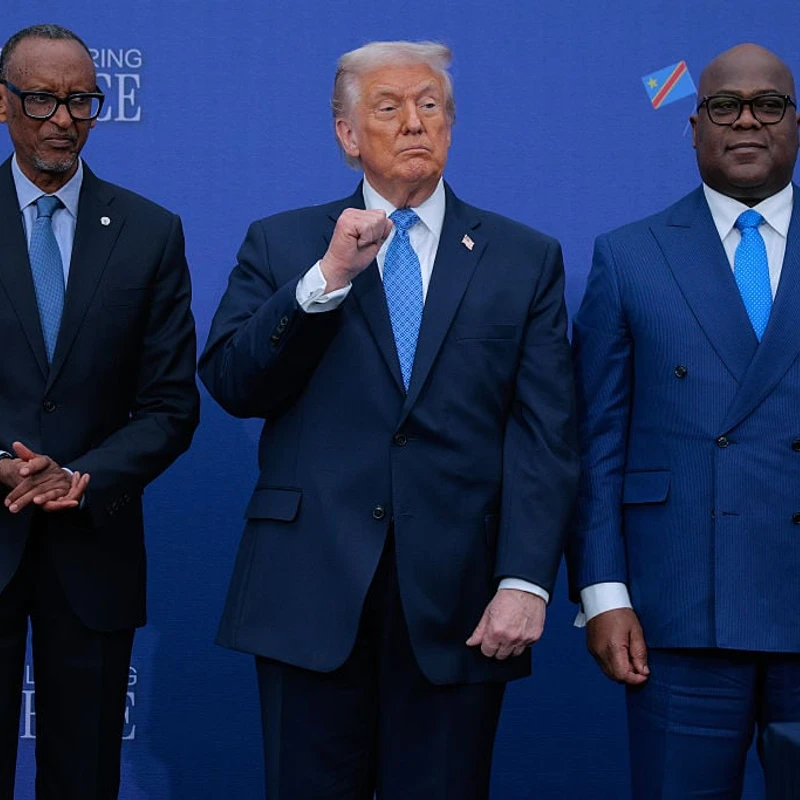
  • Trump-Brokered Peace Deal: Boon for Leaders, Not Citizens?

    A significant peace deal has been signed between the Democratic Republic of Congo (DRC) and Rwanda, brokered by President Donald Trump. Hailed as a “momentous occasion” and “a great day for Africa,” the Washington Accords aim to end decades of conflict in eastern DRC. However, beneath the surface of this landmark agreement lie concerns that the benefits might not reach the people most affected.

    The Washington Accords: What’s Included?

    The deal, officially named the Washington Accords, includes several key provisions. These aim to foster stability and cooperation, such as the disengagement and disarmament of armed groups, joint security coordination, facilitating the return of refugees, and enabling humanitarian aid. A crucial component is the implementation of a regional economic integration framework.

    This economic framework is designed to attract investment, create jobs, and connect the region to international trade routes like the Lobito Corridor. The Trump administration believes this will help businesses and people thrive, while also linking the region’s mineral sector to U.S. industry. Trump himself expressed optimism, noting the “very valuable things” in the African nations that could lead to “a lot of money and a lot of success.”

    Enriching Governments and Allies, Not Citizens?

    Despite the optimistic outlook, policy and intelligence experts are raising red flags. They suggest that while the deal could significantly enrich the governments of Rwanda and the DRC, as well as U.S. companies and businessmen close to Trump, the average citizens may not see the benefits. Many in the region live under authoritarian rule and face economic instability.

    Companies like KoBold Metals, backed by billionaires such as Bill Gates and Jeff Bezos, are already planning substantial investments in the Congo’s vast natural resources, utilizing AI to pinpoint untapped mineral deposits. Texas hedge fund manager Gentry Beach, who has ties to Trump’s past campaigns, is reportedly interested in accessing Congo’s Rubaya mine. Even Erik Prince, founder of Blackwater, is said to be providing security for mineral mines in the region.

    We’re talking about the country that people say is the Saudi Arabia of the electric vehicle industry, but 70 million people still live on less than $2.15 a day. — Maurice Carney, Executive Director of Friends of the Congo

    Maurice Carney, executive director of Friends of the Congo, echoed these concerns, stating that while the framework benefits governments and businessmen, the Congolese and Rwandan people likely won’t see the advantages. He highlighted the stark contrast between the nation’s mineral wealth and the extreme poverty faced by its citizens, attributing this disparity to governance issues where governments may not be negotiating in the people’s best interest.

    Concerns Over Authoritarian Rule and Racism

    Joseph Tolton, executive director of Interconnected Justice, pointed out that leaders in both Rwanda and the DRC, like Presidents Tshisekedi and Kagame, are often seen as dictators who prioritize self-interest. He noted that other African leaders supporting the deal, such as Uganda’s President Yoweri Museveni and Kenya’s President William Ruto, also face accusations of authoritarian tendencies. Tolton suggested these leaders align with those they perceive as powerful, including Trump, who has a history of supporting dictators.

    Furthermore, critics point to Trump’s past remarks about African nations, including calling them “shithole” countries, as evidence of a racist outlook. Tolton finds it “unconscionable” that African leaders would overlook such overt racism. He argues that the deal’s focus on enriching leaders and foreign investors comes at the expense of addressing the profound economic needs of their people, who lack avenues for their voices to be heard or to protest.

    What are your thoughts on this peace deal? Do you believe it will truly benefit the people of Rwanda and the DRC, or primarily enrich leaders and foreign investors? Share your perspective in the comments below!