Tag: Democratic Party

  • DNC Autopsy Report: Harris Vindicated, Black Infrastructure Lacking

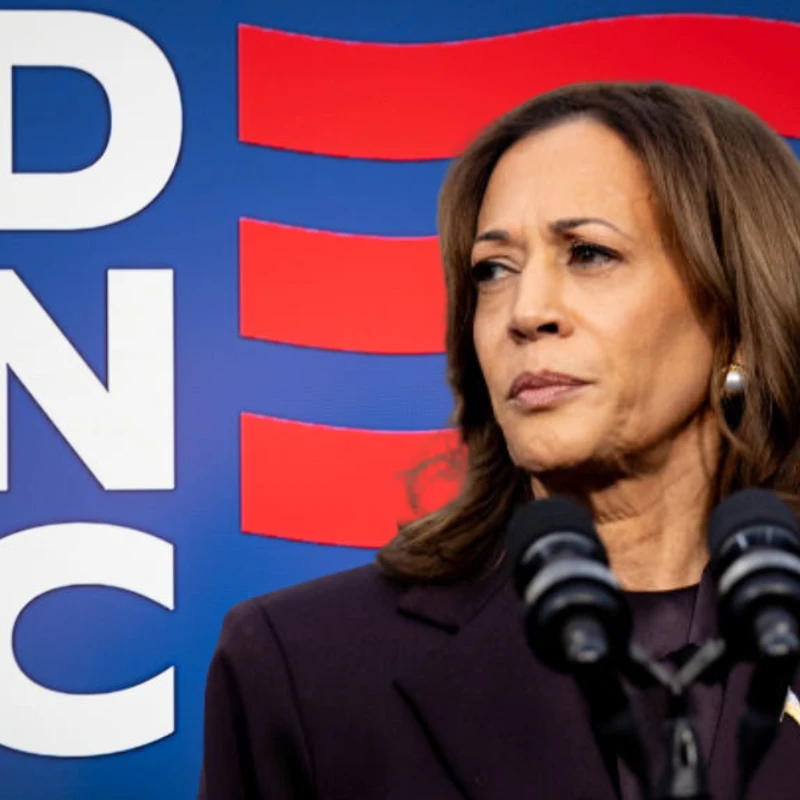
    The Democratic National Committee (DNC) recently released an “autopsy” report aiming to explain Kamala Harris’s loss in the 2024 presidential election to Donald Trump. However, many Black Democratic strategists argue the report does more to expose the party’s systemic failures, particularly its lack of investment in Black infrastructure, than to offer genuine solutions. They feel the report vindicates Harris while highlighting a troubling indifference towards the party’s most loyal voting bloc.

    Vindication for Kamala Harris?

    The report, authored by strategist Paul Rivera, suggests that the White House and the Harris campaign were ill-prepared. It specifically notes that the administration failed to adequately position and support Vice President Harris, leaving her vulnerable to Republican attacks, such as the inaccurate “border czar” label. The report states the White House neglected crucial research into how Harris could best communicate her message and resonate with key audiences.

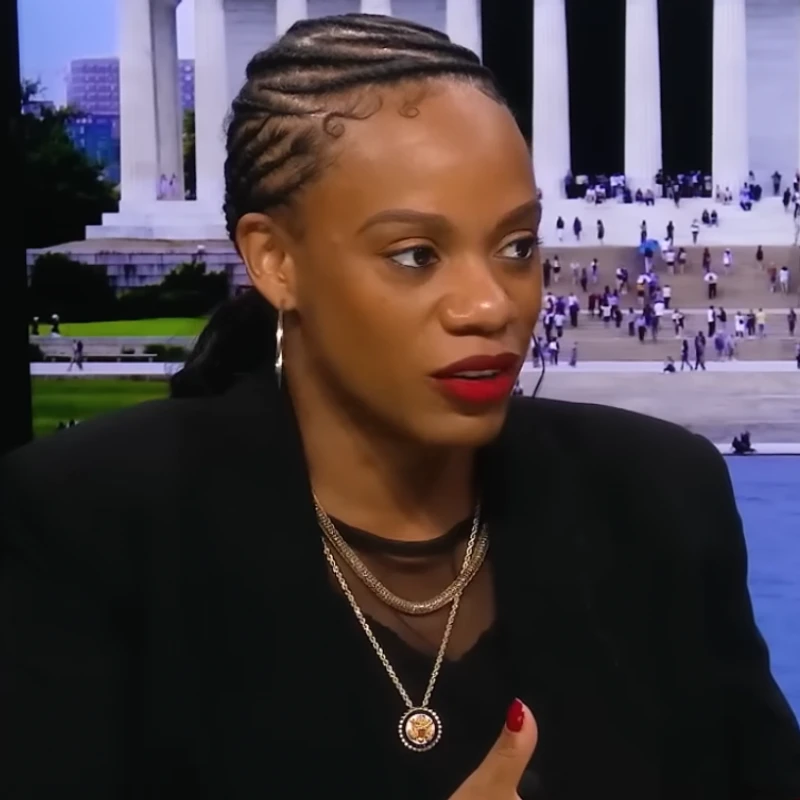
    Democratic strategist Ashley Etienne, who previously served as Harris’s communications director, believes the report confirms what many have suspected. “It’s another insult to Black people, the way that she was treated, but…the way that she was treated is emblematic of how the party treats Black people in general,” Etienne told TheGrio. She described the party’s attitude as one of “all-out indifference, and to some degree, a level of resentment toward Black people.”

    The ‘Black Infrastructure’ Problem

    A major criticism leveled by Black strategists is the report’s failure to detail the party’s investment—or lack thereof—in building a robust political infrastructure within Black communities. While acknowledging “dramatic drops in support among young Black men” and insufficient organizing efforts, the report offers no concrete plans for mobilizing these crucial voters.

    Etienne argues that Black strategists and operatives are often excluded from decision-making and resource allocation. “Decisions were made to line people’s pockets and not win an election,” she stated, noting the absence of Black firms in the report’s financial breakdowns. “Why give money to white firms to talk to Black people? Why keep putting money on television and not investing in Black media, where we know we actually are?” she questioned.

    Systemic Failures and Missed Opportunities

    Strategists like Joel Payne, who worked on the 2016 Clinton campaign, suggest that Black voters, particularly men, are being used as a “convenient scapegoat” rather than addressing the party’s systemic failures. He argues that Trump’s marginal gains among Black voters were not the deciding factor in the election. Antjuan Seawright, another Democratic strategist, echoed this sentiment, stating the party “wants our output but certainly does not want our input,” treating Black voters as an “expense” rather than an “investment.”

    Michael Hardaway, who advised on Obama’s 2008 campaign, believes that leadership, including Harris, should be held accountable for the team they assemble. He pointed out that despite significant job creation and economic successes under the Biden-Harris administration, these achievements were not effectively communicated to voters. “The Biden White House created 15 million plus jobs… but no one actually knew about those things,” Hardaway noted.

    A Call for Investment and Power

    The strategists emphasize the urgent need for the Democratic Party to invest seriously in Black media, influencers, and community organizing—not just in the “11th hour” but throughout the entire election cycle. They argue that Black communities, facing significant political and economic challenges, deserve an explanation and, more importantly, a genuine commitment to building Black political power. As Etienne put it, “The party owes us an explanation because we’re bearing the brunt of the failures… and then at the end of the day, we get blamed for it…enough is enough.”

    What are your thoughts on the DNC’s autopsy report and the issues raised about Black infrastructure? Share your views in the comments below!
  • GOP Faces Diversity Challenge as Black Members Exit

    The Republican Party is facing a significant diversity challenge as all four Black Republican members of the House of Representatives are set to leave Congress. This exodus raises questions about the party’s efforts to broaden its appeal and its representation of minority communities.

    A Shifting Landscape on Capitol Hill

    The departing members include Representatives Byron Donalds of Florida, John James of Michigan, Wesley Hunt of Texas, and Burgess Owens of Utah. These individuals were elected in recent years, partly due to efforts by former House leader Kevin McCarthy to recruit more Black Republicans and diversify the party’s image. McCarthy had previously noted the disparity, stating, “When I look at my party, we look like the most restrictive country club in America.”

    While Democrats often face criticism for older Black generations remaining in power, younger Black House Republicans are now choosing to leave Capitol Hill. John James is running for governor of Michigan, and Byron Donalds is seeking the governorship of Florida. Wesley Hunt, recruited by McCarthy, was defeated in his state’s primary, and Burgess Owens opted not to seek re-election after his district was redrawn to be more Democratic-leaning.

    Challenging Perceptions of Racism

    These Black Republican lawmakers have often been seen as a counter-narrative to accusations of racism against President Donald Trump. Hunt, for example, pointed to his primary victory against nine white opponents as evidence that the Republican Party is not inherently racist. However, with their departure, it becomes harder for the party to refute such claims.

    The exit occurs against a backdrop of policies and initiatives that critics argue have negatively impacted people of color and women. A spokesperson for the Democratic Congressional Campaign Committee noted that Republican policies, such as cuts to healthcare programs and support for tariffs, have harmed Black Americans. Furthermore, gerrymandering in some states has limited Black representation.

    Voter Demographics and Party Appeal

    The trend is further underscored by recent election data. Exit polls from the 2024 election indicated that over 90% of Black women and over 70% of Black men voted for then-Vice President Kamala Harris, highlighting the continued strong support for the Democratic Party within the Black community. The departure of these prominent Black Republicans leaves a void and presents a significant challenge for the GOP in engaging with and representing Black voters.

    What do you think is driving these Black Republican representatives to leave Congress? Share your thoughts in the comments below!

  • Virginia Dems Score Redistricting Win

    Virginia Democrats have achieved a significant victory ahead of the November midterms, thanks to a voter-approved redistricting plan. This new map, drawn by Democrats, is poised to reshape the state’s congressional landscape, potentially securing four additional House seats for the party and handing Republicans an unexpected upset.

    A Shift in the Political Map

    The approved amendment allows Democrats to draw new congressional lines that favor their party in all but one of Virginia’s 11 House districts. Currently, Democrats hold a narrow 6-5 advantage. This new map, which will be in effect until the 2030 Census redistricting process, saw nearly 1.5 million Virginians vote “yes” compared to approximately 1.45 million voting “no.”

    Despite the close vote, anti-gerrymandering advocates and Republicans are framing the “no” vote as a strong message of resistance. Brian Cannon, co-chair of No Gerrymandering Virginia, stated, “Despite being outspent by well over $60 million and facing biased ballot language, over a million Virginians stood up against a partisan power grab.”

    Roots of the Redistricting Battle

    The redistricting debate was ignited in 2025 when then-President Donald Trump urged Texas Republicans to find ways to gain more congressional seats. This move prompted Democratic-led states, including Virginia under Gov. Abigail Spanberger, to push for their own redistricting initiatives. The ensuing political back-and-forth was intense, with State Sen. L. Louise Lucas famously responding to criticism from Republican Sen. Ted Cruz by stating, “you all started it and we f*cking finished it.”

    Sen. Lucas has been vocal throughout the process, sharing videos and commentary that highlight her strong stance against what she perceives as partisan power plays. This redistricting win is seen by many Democrats as a successful counter-move in the ongoing political battles over electoral maps.

    National Implications and Future Battles

    This development in Virginia adds to a broader trend of redistricting battles across the country. According to Democracy Docket, Republicans had already potentially gained seven congressional seats through redistricting in states like Texas, Missouri, and North Carolina. However, with Virginia’s Democratic gains, coupled with potential shifts in California, Utah, and Florida, the fight for control of the House remains dynamic.

    The outcome in Virginia demonstrates the significant impact that redistricting can have on election results, highlighting the importance of voter engagement and advocacy in shaping political representation.

    What are your thoughts on the new Virginia redistricting map? Do you believe it’s a fair representation or a partisan power grab? Share your opinions in the comments below!

  • Kamala Harris Hints at 2028 Presidential Run

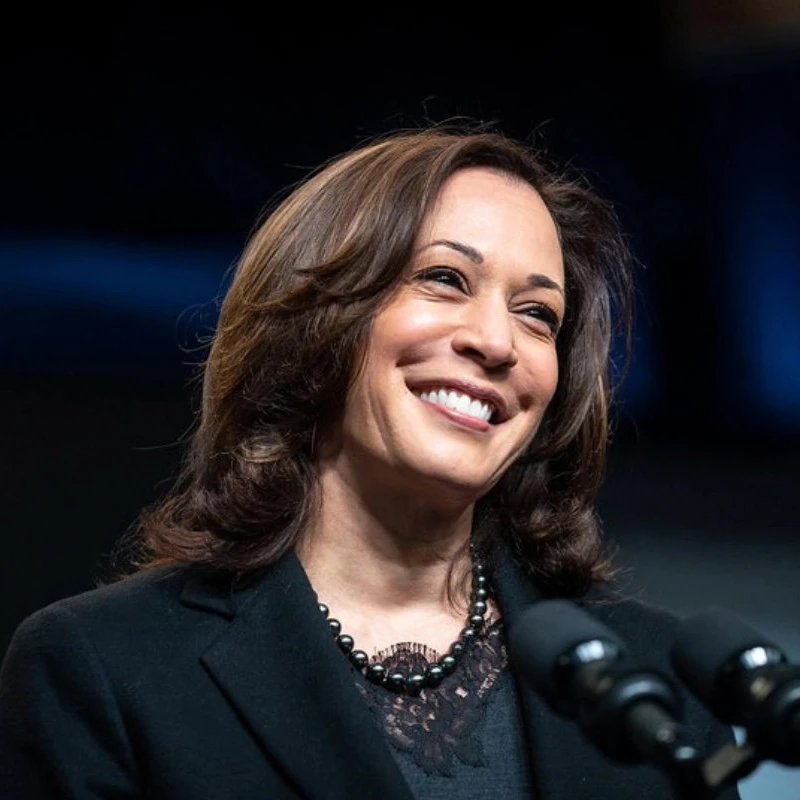
    In a significant moment at the National Action Network convention on April 10, Vice President Kamala Harris offered her most direct indication yet of a potential 2028 presidential run. When asked by Reverend Al Sharpton about a future campaign, Harris responded with a tantalizing hint: ‘Listen, I might, I might. I’m thinking about it.’

    A Clear Signal for a Potential Campaign

    Harris concluded her remarks by adding, ‘I’ll keep you posted,’ before exiting the stage to thunderous applause and a standing ovation. Her comments were delivered to a prominent audience of Black elected officials, activists, and influential Democratic figures, underscoring the importance of this group in shaping the party’s future nominee. This setting is often seen as a crucial proving ground for aspiring candidates.

    While Harris has previously suggested she was considering another run, her tone at this convention was notably more direct. ‘I know what the job is and what it requires,’ she stated during her discussion with Sharpton, as reported by Politico. Her reception was particularly strong, with attendees chanting, ‘Run again! Run again!’

    Critiquing Opponents and Urging ‘Transactional’ Voting

    Throughout her address, Harris didn’t shy away from criticizing Donald Trump on key issues, including foreign policy, voting rights, and the conflict with Iran. Simultaneously, she acknowledged shifts in voter behavior, particularly noting the impact of Black and Latino men in the 2024 election cycle.

    Harris urged voters to adopt a more ‘transactional’ approach. ‘Here’s what I’m suggesting in addition: get yours. Vote and say, ‘I’m voting because I expect something out of this’…. I’m saying it’s okay to also give people permission to be transactional, and to say, if you will get my vote, this is what I expect,’ she advised.

    Keeping Options Open and Re-engaging the Electorate

    Advisers close to Harris indicate that while a final decision hasn’t been made, she is actively taking steps to keep her political options open. This includes upcoming travel to key Southern states like South Carolina, North Carolina, Georgia, and Arkansas, signaling a strategic re-emergence on the national stage.

    The atmosphere surrounding her appearance was electric, with music from her previous campaign playing as attendees gathered and the venue reaching capacity before she even took the stage. Her message resonated deeply, with attendees like Justina Pena expressing a desire to hear her perspective on current political events and what she might have done differently.

    What are your thoughts on Kamala Harris potentially running in 2028? Do you agree with her call for ‘transactional’ voting? Share your views in the comments below!
  • Democrats Court Black Voters at NAN Convention

    As the 2028 presidential race begins to take shape, potential Democratic contenders are making strategic moves to connect with a crucial demographic: Black voters. Rev. Al Sharpton’s National Action Network (NAN) Convention in New York City has become a pivotal platform for these hopefuls to make their case and address key issues important to the Black community.

    Wooing the ‘Core’ Constituency

    The NAN convention, running from April 8-11, is attracting a slate of prominent Democrats, including former Vice President Kamala Harris, former Transportation Secretary Pete Buttigieg, and Pennsylvania Gov. Josh Shapiro. While none have officially declared their candidacies for 2028, their presence signals a clear intention to engage with and win over Black voters, who have historically played a decisive role in Democratic victories.

    Democratic strategist Joel Payne emphasized the significance of the event, referring to Black voters as “the core” of the party’s engagement. He noted that the convention offers a crucial first look at the potential candidates, allowing them to “reset narratives and set what your public profile might be.”

    Addressing Key Issues and Electability

    Josh Shapiro took the stage, warning attendees about the dangers of Donald Trump’s leadership and blaming him for a rise in hate crimes. He stressed the need for an “honorable president” and highlighted his commitment to Black priorities, describing Pennsylvania as a “swing state” that champions DEI initiatives and demands accountability from law enforcement.

    All eyes, however, are on Kamala Harris. Described by Payne as the “pace car” where the “story starts,” her potential 2028 run is a major focus. While she has remained coy, telling podcaster Sharon McMahon, “I haven’t decided” and “I might,” Rev. Sharpton believes she is a “potent force in the Black community” and shouldn’t be underestimated.

    Engaging Younger Voters

    Democratic strategist Basil Smikle pointed out that engaging younger voters will be a key test for Harris and other candidates. While Harris is well-known and likely favored by the convention’s audience, some voters, particularly younger ones, are questioning whether she should run again despite her previous campaign efforts. Ashley Sharpton, Rev. Sharpton’s daughter, believes Harris can still bring the energy and consistency that voters seek.

    Other notable speakers at the convention include Maryland Gov. Wes Moore, Illinois Gov. JB Pritzker, Kentucky Gov. Andy Beshear, California Rep. Ro Khanna, and Arizona Sens. Mark Kelly and Ruben Gallego, all vying for attention and support within this critical voting bloc.

    What are your thoughts on the Democratic candidates attending the NAN Convention? Who do you think will best connect with Black voters? Share your opinions in the comments below!

  • Nick Cannon Calls Democrats ‘Party of the KKK’

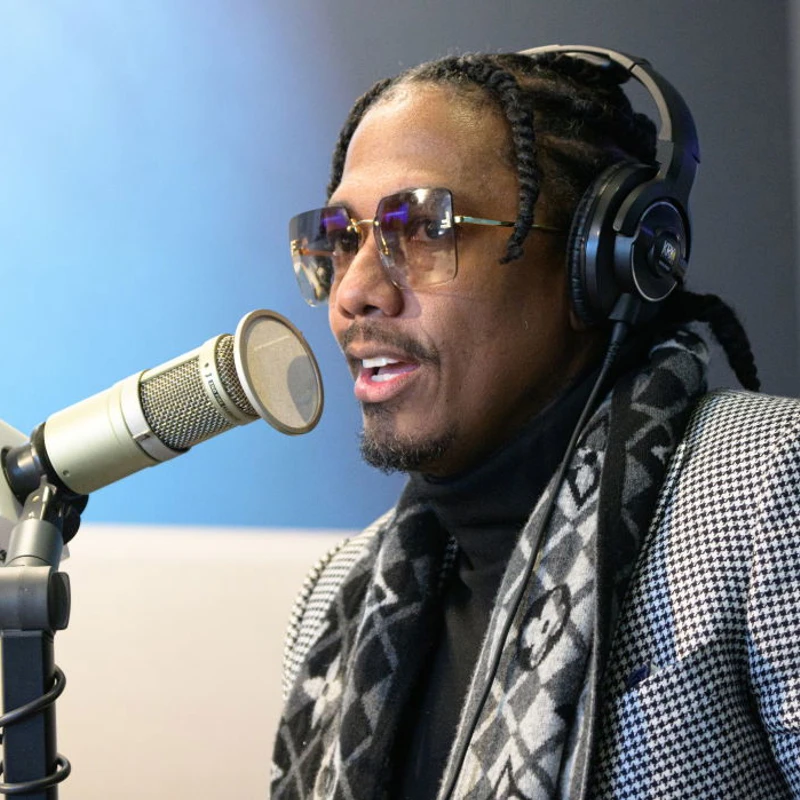
    Entertainer Nick Cannon has ignited a firestorm of debate with his recent remarks on his online talk show, “Big Drive.” During a conversation with Trump supporter Amber Rose, Cannon declared that the Democratic Party is historically linked to the Ku Klux Klan and that the Republican Party was responsible for freeing the slaves.

    Historical Claims and Political Realignment

    Cannon stated, “People don’t know that the Democrats are the party of the KKK.” He further elaborated, “People don’t know that the Republicans are the party that freed the slaves.” He appeared to agree with Rose’s sentiment that Democrats “don’t care about people of color and the Republicans do,” responding, “I agree with you 100%.”

    These statements touch upon complex historical narratives. While certain factions within the Democratic Party were indeed associated with the KKK’s formation in the post-Civil War era, historians caution against characterizing the entire party as uniformly aligned with the hate group. Conversely, the Republican Party, founded by anti-slavery advocates like Abraham Lincoln, played a pivotal role in the abolition of slavery.

    A Nuanced Political Stance

    Despite his strong assertions, Cannon clarified that he doesn’t strictly align with either major party. Quoting W. E. B. Du Bois, he remarked, “there’s no such thing as two parties. It’s just one evil party with two different names.” This suggests a broader critique of the political system rather than a full endorsement of one party over the other.

    The conversation also touched upon the current administration, with Cannon expressing a degree of approval for Donald Trump’s approach, describing him as “cleaning house” and using a metaphor of “$5 million bottle service fee to get into the country” to illustrate U.S. policy.

    Reactions and Historical Context

    Cannon’s comments have circulated widely online, sparking discussions about how historical facts are interpreted in contemporary political discourse. Many pointed out the significant “party switch” that occurred over time, where the progressive, anti-slavery platform of the early Republican Party evolved, and the Democratic Party’s base shifted.

    The episode highlights the ongoing debate about party ideologies and their historical roots, often simplified in modern political soundbites. Understanding this complex history is crucial for navigating today’s political landscape.

    What are your thoughts on Nick Cannon’s comments and the historical context of U.S. political parties? Share your views in the comments below!
  • Nick Cannon’s Political Views Spark Controversy

    Nick Cannon is making waves, and not just in the entertainment world. During a recent episode of his online talk show, “Big Drive,” the entertainer shared some highly controversial views on American political parties, drawing significant backlash. Speaking with guest and Trump supporter Amber Rose, Cannon delved into historical narratives surrounding the Democrats and Republicans.

    Historical Claims and Party Allegations

    Cannon stated, “People don’t know that the Democrats are the party of the KKK.” He further asserted, “People don’t know that the Republicans are the party that freed the slaves.” He appeared to agree with Rose’s sentiment that Democrats “don’t care about people of color and the Republicans do.”

    While Cannon claimed he doesn’t strictly align with either party, quoting W. E. B. Du Bois to say, “there’s no such thing as two parties. It’s just one evil party with two different names,” his comments have ignited debate. He also expressed a favorable view of Donald Trump’s approach, describing him as someone “cleaning house” and “doing what he said he was gonna do.”

    Historical Context and Modern Discourse

    Cannon’s remarks touch on complex historical points, though they simplify a nuanced political past. It’s true that certain factions within the Democratic Party were linked to the Ku Klux Klan in the post-Civil War era. However, historians generally caution against characterizing the entire party as uniformly supporting the KKK.

    Conversely, the Republican Party was founded in the mid-19th century by anti-slavery advocates, with Abraham Lincoln as a key figure. Lincoln’s Emancipation Proclamation and the subsequent 13th Amendment solidified the abolition of slavery. However, the party’s platform and demographics have evolved significantly since then.

    The episode has since gone viral, prompting widespread discussion about how historical facts are interpreted and applied in today’s political climate. Cannon’s comments highlight the ongoing debate and the differing perspectives on the evolution of American political parties.

    What are your thoughts on Nick Cannon’s statements about the Democratic and Republican parties? Do you agree with his interpretation of history? Share your opinions in the comments below!

  • Rep. Lee: Democrats Lack ‘Recipe’ to Fight Trump

    In the face of ongoing political battles and concerns about the direction of the country, progressive Congresswoman Summer Lee is voicing a critical assessment of the Democratic Party’s current strategy. She believes that the party’s leadership, while perhaps gaining some confidence after recent election victories, still lacks a clear plan to effectively counter Donald Trump and the MAGA movement.

    A Call for a New Kind of Leadership

    Speaking on the “Breaking Points” podcast, the 37-year-old representative from Pennsylvania stated, “Leadership has to look different than it ever looked before…I don’t think they have the recipe right now.” Lee argues that traditional approaches, focused on fundraising and winning elections through established means, are no longer sufficient in the current political climate.

    She contrasts the traditional view of leadership – often seen as being within the caucus or raising money for campaigns – with what she believes is needed now: “Leadership to the country right now looks like marching orders. It looks like being in the trenches.” Lee envisions a more active, front-line leadership style, akin to historical figures leading from the battlefield.

    Empowering the Electorate from the Outside

    Lee points to social justice organizations and labor unions as examples of entities actively strategizing and leading movements from outside the halls of power. She asserts that true change historically comes from an “organized, empowered electorate” rather than solely from elected officials.

    “People want to see people acknowledging that every movement in history was not led by Congress. It was led from the outside,” Lee explained. She believes the focus should shift towards mobilizing and empowering citizens, emphasizing that the ultimate power to shape the nation’s future lies with the American public, not just elected leaders.

    The Power of the People and Protest

    Lee stressed that the decision to prevent a dictatorship, for instance, rests with the people, not with figures like Trump or House Democratic Leader Hakeem Jeffries. She advocates for a renewed understanding of protest, moving beyond just voting or running for office to embrace the power of organizing and taking to the streets.

    Her message is a call for Democratic leadership to connect more deeply with the energy and demands of the grassroots, adopting a more visible and active role in the fight for their values. It’s a plea for leadership that is not just about policy, but about being present and fighting alongside the people they represent.

    Do you agree with Congresswoman Summer Lee’s assessment of Democratic leadership? What do you think is the best way to counter the MAGA movement? Share your thoughts in the comments below!

  • Karine Jean-Pierre on Biden & Harris’s Chances

    Karine Jean-Pierre, the first Black and openly LGBTQ+ White House Press Secretary, is making waves with her new book, ‘Independent: A Look Inside a Broken White House, Outside the Party Lines.’ On her book tour, she’s offering candid reflections on her time in the Biden administration, her decision to leave the Democratic Party, and her views on the party’s past and future.

    Disappointment with Democratic Unity

    Jean-Pierre expresses significant disappointment with the Democratic Party’s lack of unified support for President Joe Biden during his term. She argues that this disunity contributed to the party’s struggles and potentially paved the way for Donald Trump’s return to the White House in the 2024 election. “Joe Biden, objectively, had a very successful four years,” she stated, lamenting the inability of Democrats to rally behind their candidate when it mattered most.

    She points to influential figures and celebrities, like Nancy Pelosi and George Clooney, who she believes fueled the narrative that Biden couldn’t continue, further contributing to a “perception of disunity.” This, she contends, contrasts sharply with the Republican Party’s ability to maintain a cohesive front.

    The Uphill Battle for Kamala Harris

    Jean-Pierre also reflects on Kamala Harris’s presidential aspirations. Despite her own historic role and Harris being a fellow historymaker, Jean-Pierre admits she never truly believed Harris could win the presidency. This sentiment stems from her lifelong experiences as a Black woman in America.

    “The truth was, I never really believed Harris could win,” she confessed. “I’d been in the body of a Black woman all my life… and all my experiences of blistering stares and racist assumptions left me unable to see this country electing a president who looked like me.”

    Critiques of Both Parties

    While Jean-Pierre’s book highlights perceived missteps by Democrats, she is equally critical of the Republican Party, describing it as an “extremist, authoritarian, right-wing movement” dominated by MAGA loyalists. Her commentary suggests a deep concern for the current direction of American politics.

    • Karine Jean-Pierre’s new book, ‘Independent,’ offers insights into the Biden administration and party politics.
    • She criticizes the Democratic Party for perceived disunity and lack of support for Biden.
    • Jean-Pierre admits she never believed Kamala Harris could win the presidency due to racial biases in the U.S.
    • She describes the Republican Party as an “extremist, authoritarian, right-wing movement.”
    • Jean-Pierre faced scrutiny and bias due to her race and identity during her time as Press Secretary.

    Even after leaving her official role, Jean-Pierre continues to face criticism. White House Press Secretary Karoline Leavitt recently attacked her, calling her a liar and accusing her of participating in “the greatest cover-up scandal in American history.” This ongoing political sparring underscores the intense scrutiny faced by those in high-profile public service roles.

    What are your thoughts on Karine Jean-Pierre’s candid reflections on the Democratic Party and the 2024 election? Share your views in the comments below!
  • Trump Calls Crockett ‘Future’ of Dems; She Fires Back

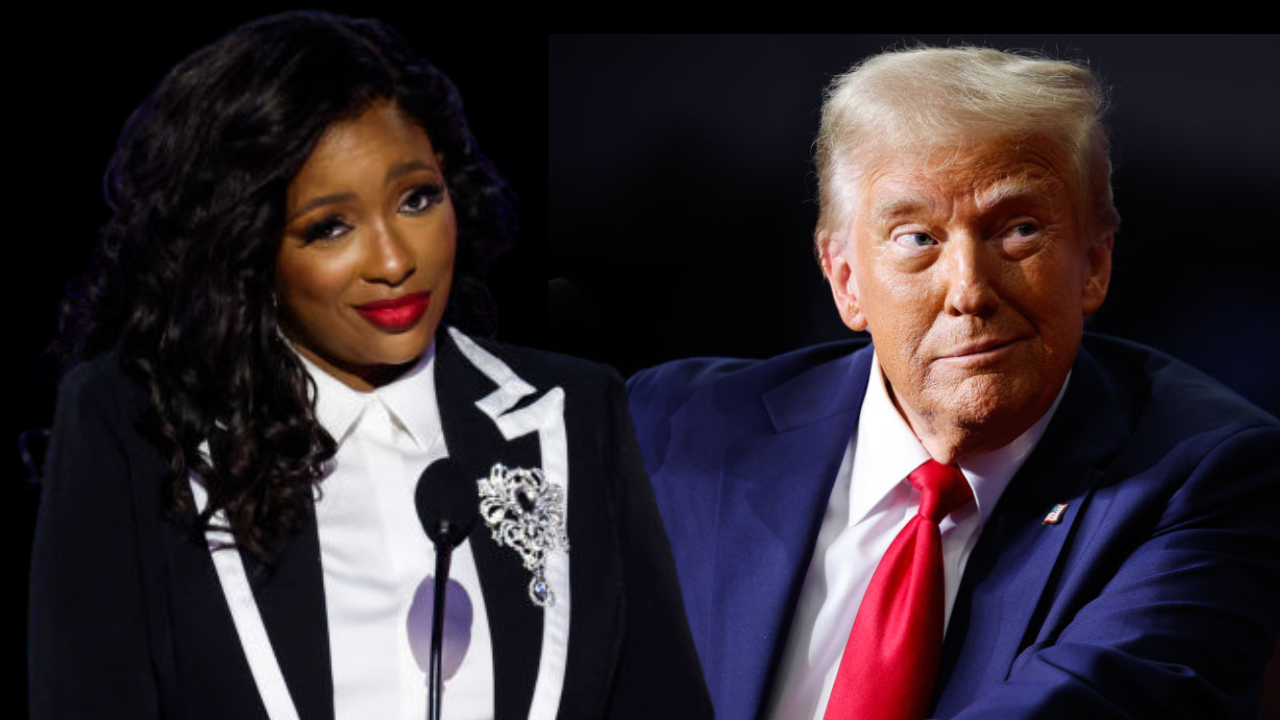
    In the ongoing political sparring match between former President Donald Trump and U.S. Rep. Jasmine Crockett (D-Texas), Trump recently posted on Truth Social, calling Crockett “the future of the Democrat Party!” This statement, however, comes after a string of personal attacks from Trump directed at the congresswoman, leading many to believe his comment is more of a jab than genuine praise.

    Crockett’s Fiery Response to Trump

    Congresswoman Crockett wasted no time firing back at Trump’s social media post. She responded on X (formerly Twitter), referring to him as “Dementia Demented Don” and suggesting he’s fixated on her instead of focusing on his constituents. Crockett emphasized that Democrats are seeking leaders with a “moral compass” who will unite the country and fight for all Americans, implicitly contrasting this with Trump’s leadership style.

    This exchange is part of a larger pattern of public back-and-forth between Crockett and Trump. Just days prior, Trump had called Crockett a “Low IQ Individual” on Truth Social. Crockett, who was elected to the House of Representatives in 2022, often responds to Trump’s criticisms with equally sharp retorts, making their exchanges a regular feature of the current political landscape.

    Supporters View Trump’s Comments as Targeted Attacks

    Many of Crockett’s supporters believe Trump’s social media activity is a deliberate attempt to target her, given her prominent role as an outspoken critic of his policies and actions. This sentiment was echoed at a recent town hall in Texas where Crockett was speaking. Right-wing media personalities heckled her, with one individual, Sara Gonzales, reportedly calling her a “fake ghetto hoodrat” before being escorted out by security.

    The political battles extend beyond online jabs. Crockett has been actively campaigning against the Republican administration’s plan to redraw Texas congressional districts. This redistricting effort, supported by Texas Governor Greg Abbott and the White House, could potentially create five additional seats for Republicans in the House of Representatives. Crockett argues that these changes unfairly target districts represented by Black and Latino lawmakers, aiming to “dilute the voices of people of color.”

    Democrats in Texas initially attempted to stall the redistricting plan by leaving the state during a special session. However, reports suggest they may return, allowing Governor Abbott to “finish the job” of redrawing the districts. Crockett’s continued opposition highlights the deep political divisions and the high stakes involved in upcoming elections.

    What do you think about the ongoing feud between Donald Trump and Rep. Jasmine Crockett? Do you believe his comments are genuine or a political tactic? Share your thoughts in the comments below!