Tag: Delta Air Lines

  • Delta Suspends Congress Travel Perks Amid Shutdown

    In a bold move reflecting the growing frustration over the government shutdown’s impact on essential workers, Delta Air Lines has decided to temporarily suspend its special travel services for members of Congress. This decision highlights the airline’s solidarity with TSA agents who are working without pay.

    The ‘Delta Desk’ Goes Dark

    For years, Delta, like other major airlines, offered a dedicated congressional service desk, often called the ‘Delta Desk.’ This service provided elected officials with special assistance, including booking trips at government rates, making last-minute changes, and securing seats on multiple flights to accommodate voting schedules. However, this perk is now on hold.

    A statement from Delta explained the decision: “Due to the impact on resources from the longstanding government shutdown, Delta will temporarily suspend specialty services to members of Congress flying Delta. Next to safety, Delta’s No. 1 priority is taking care of our people and customers, which has become increasingly difficult in the current environment.”

    CEO’s Outrage Over Unpaid Agents

    This move follows strong comments from Delta CEO Ed Bastian, who expressed outrage over TSA agents being used as “political chips” in the funding negotiations for the Department of Homeland Security (DHS). Bastian stated, “It’s inexcusable that our security agents, frontline workers central to what we do, are not being paid. We’re outraged. Let’s get our people who are essential to our security paid quickly.”

    Bastian, along with CEOs from United, American, and JetBlue, signed a letter to Congress urging a bipartisan agreement to end the shutdown. The letter highlighted the frustration of “Americans—who live in your districts and home states—are tired of long lines at airports, travel delays, and flight cancellations caused by shutdown after shutdown.”

    Impact Hits Home for Delta

    The shutdown’s effects are particularly felt at Hartsfield-Jackson Atlanta International Airport, the world’s busiest airport and Delta’s headquarters. Passengers there have been advised to allow at least four hours for TSA checkpoints due to “current federal conditions.” With over 400 TSA officers reportedly quitting the agency altogether, the strain on remaining staff and the travel experience is immense.

    What do you think about Delta’s decision to suspend travel perks for Congress? Do you believe more corporations should take similar actions? Share your thoughts in the comments below!

  • Delta’s AI Pricing Under Fire

    In an era where artificial intelligence is rapidly integrating into various industries, its application in setting airline ticket prices is raising serious concerns. A group of two dozen Democratic members of Congress has penned a letter to Delta Air Lines CEO Ed Bastian, demanding transparency regarding the airline’s use of generative AI for pricing, and questioning if it could lead to unfair practices.

    Concerns Over Price Discrimination and Privacy

    The lawmakers, including prominent figures like Reps. Jesus “Chuy” Garcia, Jerrold Nadler, Alexandria Ocasio-Cortez, and Dan Goldman, are worried that Delta’s AI implementation could result in “individualized, surveillance-based price discrimination.” Their concern stems from the possibility that AI could analyze personal data and online behavior—like visiting a resort website—to determine how much a traveler is willing to pay, potentially driving up prices for consumers.

    This isn’t the first time these concerns have been raised. Lawmakers initially brought up the issue in July and feel Delta hasn’t adequately addressed their worries. With the ongoing government shutdown impacting the airline industry, they argue that consumers deserve clear answers about pricing practices.

    Delta’s Response and Future Plans

    In response to the lawmakers’ letter, Delta stated, “there is no fare product Delta has ever used, is testing or plans to use that targets customers with individualized offers based on personal information or otherwise.” However, the airline had previously announced plans in early 2025 to adopt AI-based revenue management technology for 20% of its domestic network by year’s end, in partnership with AI pricing company Fetcherr.

    This move has fueled the lawmakers’ skepticism, as they point to statements from Delta President Glen Hauenstein, who previously suggested the airline would use AI to tailor airfares to specific individuals for “that flight, on that time, to you, the individual.” The letter criticizes Delta for not providing sufficient transparency into its agreement with Fetcherr or the data used to train its AI algorithms.

    Legislative Action and Government Oversight

    Adding to the pressure, Democratic lawmakers Greg Casar and Rashida Tlaib have introduced legislation aimed at banning companies, particularly in the airline industry, from using AI to set prices based on consumers’ personal data. Furthermore, Department of Transportation Secretary Sean Duffy has indicated that the agency would launch an investigation if any company is found using AI for individual seating price gauging.

    • A group of 24 Democratic lawmakers has questioned Delta’s use of AI for ticket pricing.
    • Concerns include potential price hikes and surveillance-based discrimination.
    • Lawmakers are demanding transparency from Delta regarding its AI practices.
    • Delta claims it does not use AI for individualized pricing based on personal data.
    • Legislation has been proposed to ban AI-driven price discrimination in the airline industry.
    • The Department of Transportation is prepared to investigate such practices.

    While other airlines are exploring AI for operational improvements, like Emirates using it to predict turbulence, Delta’s focus on pricing has put it under a microscope. The debate highlights the growing need for ethical guidelines and regulatory oversight as AI becomes more prevalent in consumer-facing services.

    What are your thoughts on Delta’s use of AI for ticket pricing? Do you think it’s fair, or does it raise valid concerns about consumer rights? Share your opinions in the comments below!

  • Delta Air Lines Ceases Operations in Midland, Texas

    Delta Air Lines has announced it will completely cease operations at Midland International Air and Space Port beginning in November, citing persistently low passenger demand. This decision marks the end of the airline’s service to the West Texas hub after routes proved financially unsustainable due to consistently disappointing passenger numbers.

    Poor Performance Leads to Market Exit

    The withdrawal from Midland is attributed to load factors consistently remaining below 60 percent over the past year, falling short of the threshold required for profitable operations. Despite operating three daily flights between Midland and Austin Bergstrom International Airport, the routes failed to attract sufficient passenger volume, even with the connection to Texas’s capital city.

    Industry analysts suggest that serving smaller regional markets presents ongoing challenges, with passenger demand often fluctuating based on local economic conditions and seasonal travel patterns. This situation highlights the difficulties airlines face in maintaining service to less populated areas.

    Austin Expansion and Strategic Considerations

    Some aviation observers speculate that Delta’s decision to maintain the Midland routes may have been partly strategic, aimed at securing valuable gate space at the rapidly growing Austin Bergstrom International Airport. This theory suggests that the low-performing Midland service could have been a tool to preserve Delta’s presence and expansion opportunities in Austin, where the airline plans significant future growth. While this strategy can be common in the airline industry to maintain advantages at lucrative hubs, it often proves unsustainable for the less profitable routes.

    Local officials in Midland have expressed disappointment but remain committed to ensuring continued air service for the region. Councilwoman Robin Poole emphasized the dedication of local leaders to maintaining the airport’s operations and supporting economic development in the Permian Basin area, despite the loss of Delta’s premium service.

    Impact on Passengers and Alternatives

    Passengers with existing Delta bookings for Midland flights will receive full refunds. They are advised not to cancel their reservations independently to ensure proper refund processing. Southwest Airlines continues to operate one daily flight between Midland and Austin, offering some continuity for travelers needing to connect between the two cities. However, the reduction in flight options is expected to cause inconvenience, particularly for business travelers who relied on Delta’s multiple daily departures.

    Despite losing Delta’s service, Midland airport officials are proceeding with expansion plans to attract new carriers and enhance the facility’s appeal. Investments in terminal expansion and customer service improvements aim to draw other major airlines to the West Texas market, leveraging the region’s economic activity driven by the energy sector.

    What are your thoughts on Delta’s decision to leave Midland? Do you think regional airports face unique challenges? Share your opinions in the comments below!

  • Delta Settles $79M Lawsuit Over Jet Fuel Dump

    Delta Air Lines has agreed to a substantial settlement of $79 million to resolve a class-action lawsuit stemming from an incident in January 2020. On that day, a Delta flight dumped approximately 15,000 gallons of jet fuel over populated areas, including schoolyards in Los Angeles County.

    The Incident: A Flight’s Emergency Return

    The incident occurred on January 14, 2020, when a Delta Boeing 777-200 jet, en route from Los Angeles to Shanghai, experienced engine trouble shortly after takeoff. To safely return to Los Angeles International Airport (LAX), the aircraft had to dump fuel to reduce its weight, as it exceeded the maximum landing weight. This emergency procedure, while necessary for flight safety, resulted in the fuel descending onto communities below.

    The fuel dump affected several schools in Cudahy, including Park Avenue Elementary, where nearly 60 schoolchildren and teachers were examined for minor skin and lung irritations. Fortunately, no one required hospitalization. However, teachers and homeowners subsequently filed lawsuits, citing physical and emotional pain, and accusing Delta of exposing them to “overwhelming” fumes that fell like rain.

    The Lawsuit and Settlement Details

    The class-action lawsuit alleged that Delta exposed children and teachers to hazardous jet fuel. Delta Air Lines stated that the pilots made the decision to dump fuel to mitigate the serious risks associated with landing an overweight aircraft on a single engine. The airline chose to settle the $78.8 million lawsuit to avoid the costs and burdens of a trial, emphasizing that the settlement does not constitute an admission of liability.

    The settlement fund will be divided among the affected parties. After legal fees and court costs, approximately $50.6 million will go to the victims. Property owners are set to receive about $33.9 million in total (a minimum of $888.82 per claim), while residents will receive around $16.7 million (a minimum of $104.34 each). An estimated 160,000 residents and 38,000 properties were affected by the fuel dump.

    Moving Forward After the Incident

    While the settlement aims to resolve the legal dispute, the incident highlights the significant impact such emergency procedures can have on communities. Delta’s decision to settle underscores the desire to move past the litigation and focus on its operations, though the event serves as a stark reminder of the complexities involved in aviation safety and environmental responsibility.

    What are your thoughts on this Delta Air Lines settlement? Share your opinions in the comments below!

  • Delta Flight Wing Part Detaches Mid-Air

    Talk about a scary flight! Passengers on Delta Air Lines Flight 1893 got more than they bargained for on Tuesday when a part of their plane’s wing broke off mid-air. The flight, traveling from Orlando to Austin, experienced what passengers described as severe turbulence before the alarming discovery.

    A Frightening Mid-Air Discovery

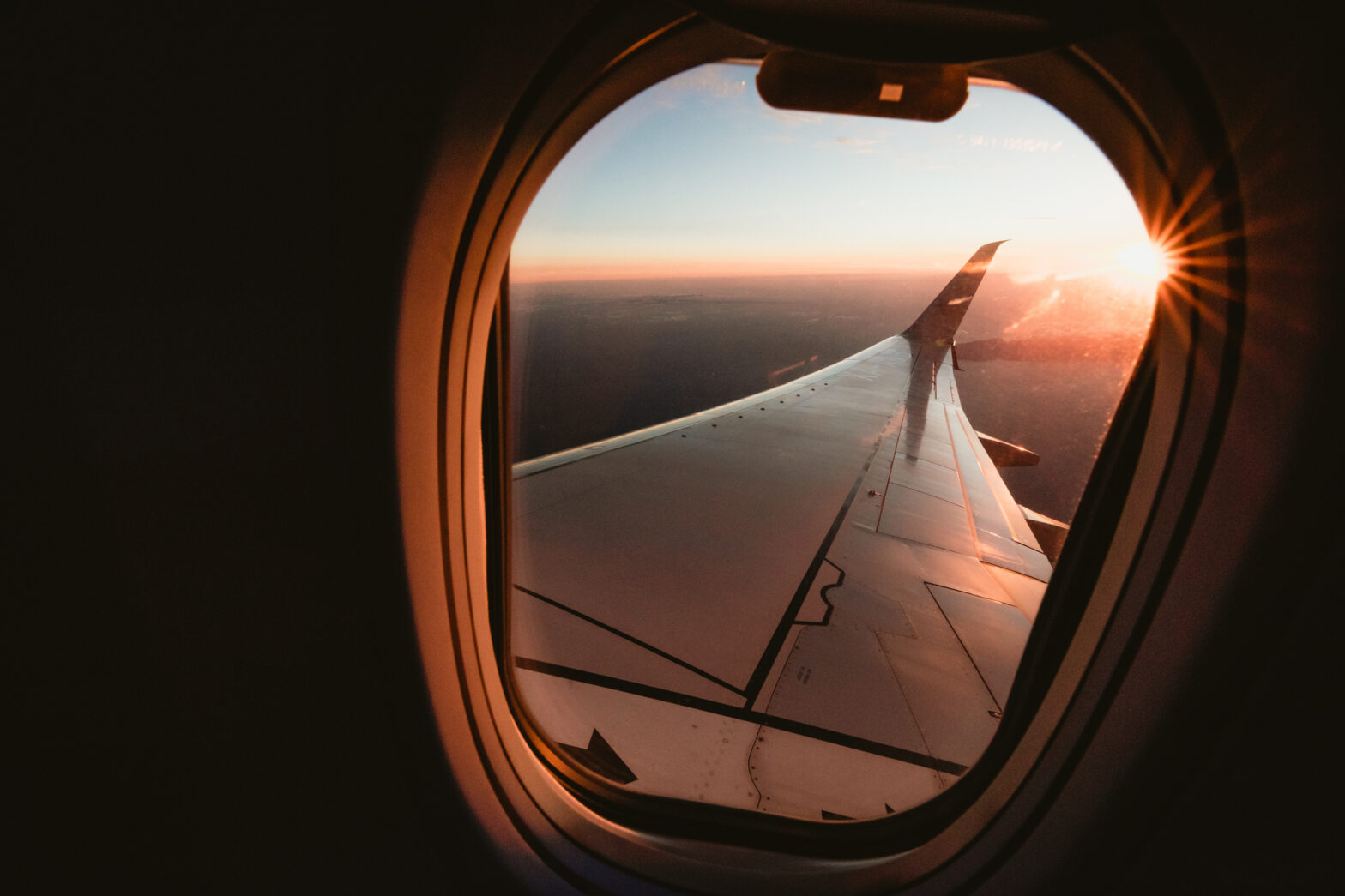
    The Boeing 737-800, carrying 62 passengers and six crew members, encountered a serious mechanical issue when a flap on the left wing partially detached while thousands of feet in the air. Imagine the shock of feeling intense turbulence, only to look out the window and see a piece of the wing dangling!

    One passenger, Shanila Arif, captured a video showing the detached flap swaying in the wind. She recounted the terrifying moment to CNN: “We felt it was bad turbulence. The plane was shaking. The lady in front of us opened the window and told us it is broken. I opened the window and got scared.” It’s a chilling reminder of the unexpected challenges air travel can sometimes present.

    FAA Investigates as Delta Responds

    Following the incident, the Federal Aviation Administration (FAA) has launched a full investigation. Delta Air Lines confirmed that a portion of the left wing’s flap was indeed out of place upon landing in Austin. The aircraft was immediately taken out of service for necessary maintenance and inspection.

    Wing flaps play a vital role in an aircraft’s performance, especially during takeoff and landing. They extend to increase lift at lower speeds, ensuring a safe and controlled flight. The fact that the pilots managed to land the plane safely, despite this critical malfunction, is a testament to their skill.

    Safety First: Delta’s Commitment

    Thankfully, all 68 people on board arrived safely in Austin, with no reported injuries. Delta Air Lines issued an apology to the affected passengers, reinforcing their commitment to safety. “Nothing is more important than the safety of our people and customers,” the airline stated, underscoring the seriousness of the situation.

    Have you ever experienced a concerning flight incident? Share your travel stories and safety tips in the comments below!

  • Delta & United Sued Over Fake Window Seats

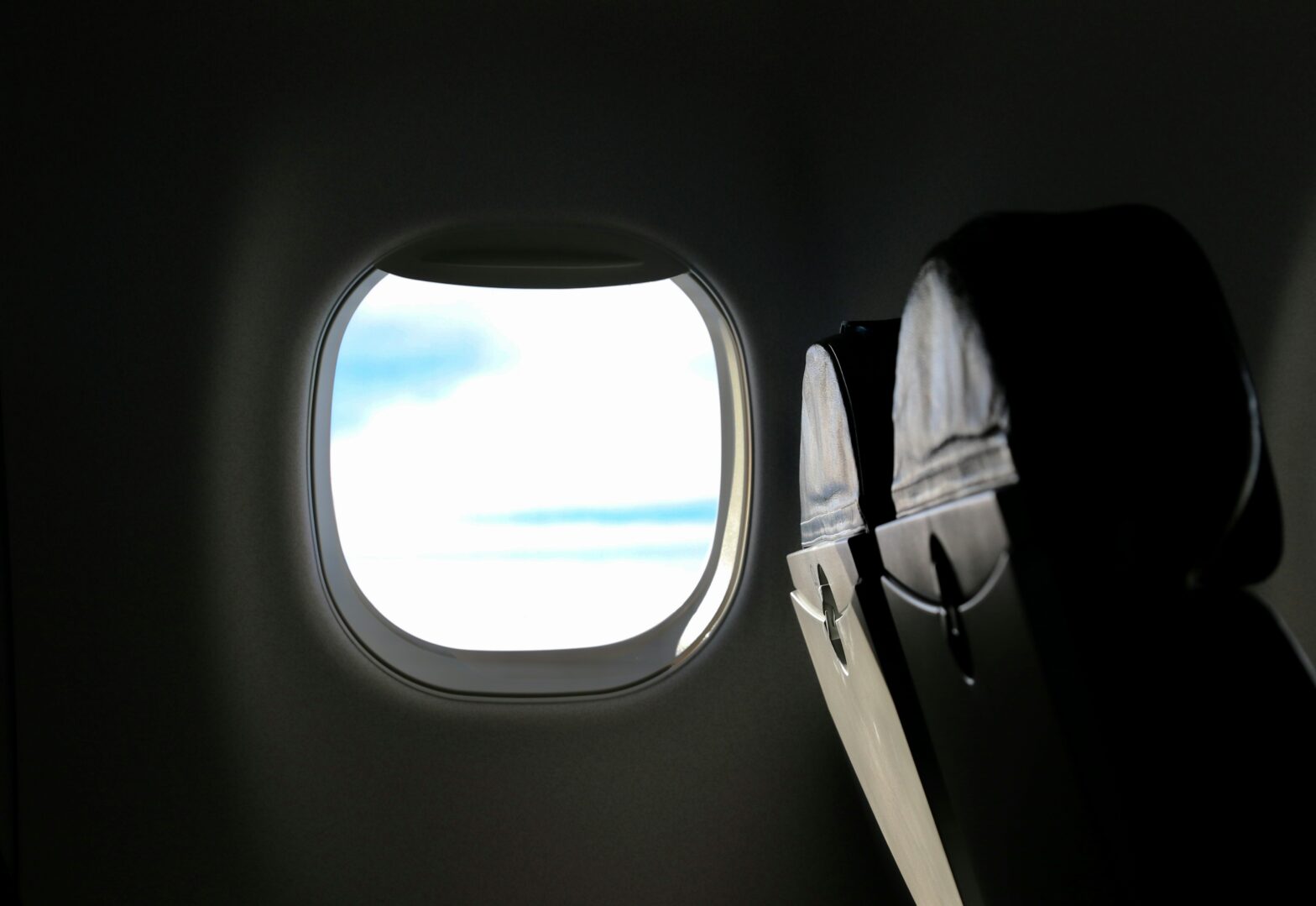
    Ever paid a little extra for that coveted window seat, only to find your view is… well, a blank wall? If you’ve flown with Delta or United and felt a bit misled, you’re not alone. These major airlines are now facing federal class-action lawsuits for allegedly charging passengers more for window seats that, quite surprisingly, don’t actually have windows.

    What’s the Big Deal About a Windowless Window?

    The lawsuits, filed by the law firm Greenbaum Olbrantz LLP on August 19th, center on the idea that travelers wouldn’t have shelled out extra cash for these specific seats if they’d known the view was non-existent. The core claim is that both Delta and United have likely sold over a million of these ‘faux window’ seats.

    The specific aircraft models implicated in these lawsuits include certain Boeing 737, Boeing 757, and Airbus A321 models. Interestingly, the filings point out that competitors like Alaska Airlines and American Airlines are more transparent, informing passengers when a window seat offers no actual view.

    Why Do We Love Window Seats So Much?

    The lawsuits delve into the very human reasons why people gravitate towards window seats. It’s not just about a pretty view; for many, it’s a crucial part of the travel experience. Seeing the world from 30,000 feet, watching the plane descend into a city, or even just having a bit of sunlight can make a flight more enjoyable.

    For those who experience anxiety, claustrophobia, or motion sickness during flights, a window can provide a sense of comfort and control in an otherwise stressful environment. It’s a small detail that can make a big difference in how passengers feel during their journey.

    What Happens Next?

    The legal complaints were filed in federal courts: United’s in San Francisco and Delta’s in Brooklyn, New York. Greenbaum Olbrantz LLP has made a form available for individuals who believe they have been affected by these windowless window seats to inquire about their situation. It seems passengers are looking for transparency and fair pricing when it comes to their chosen seats.

    Have you ever ended up in a windowless window seat? Share your experience in the comments below!