Tag: Dance

  • 7 Black Tap Dancers Who Shaped the Art Form

    Every year on May 25th, we celebrate National Tap Dance Day, a special occasion dedicated to the legendary Bill Robinson and the vibrant art form he helped popularize. Since its official recognition by Congress in 1989, this day has become a fantastic opportunity to honor the rich cultural legacy of tap dancing through performances, workshops, and community events.

    Tap dancing is more than just rhythmic footwork; it’s a powerful expression of culture, history, and innovation. From the early days of vaudeville to the dazzling lights of Broadway and Hollywood, Black artists have been at the forefront, pushing boundaries and shaping tap into the global phenomenon it is today. Let’s take a moment to shine a spotlight on seven incredible Black tap dancers whose fancy footwork and dedication have left an indelible mark on the art form.

    1. Bill “Bojangles” Robinson

    You can’t talk about tap dance without mentioning the legendary Bill “Bojangles” Robinson. He didn’t just perform; he revolutionized rhythm tap dancing and broke significant racial barriers, becoming one of the first Black entertainers to headline white vaudeville circuits and star in Hollywood films. Robinson introduced a lighter, more elegant style, famously performing on his toes rather than flat-footed, which he called the “Staircase dance.”

    His iconic moment in the 1935 film “The Little Colonel,” where he danced alongside Shirley Temple, marked the first interracial dance partnership ever shown on screen. Robinson also starred in the all-Black Broadway revue “Blackbirds” and was the highest-paid Black entertainer in the U.S. during the first half of the 20th century.

    2. Gregory Hines

    Gregory Hines was a true force in reviving tap dancing for modern audiences. Born in New York in 1946, Hines masterfully blended improvisation, music, and storytelling into his routines, earning widespread acclaim. His electrifying performance in “Jelly’s Last Jam” on Broadway earned him the 1992 Tony Award for Best Actor in a Musical, along with a Drama Desk Award.

    Beyond his Broadway triumphs, Hines graced the silver screen in iconic films like “The Cotton Club,” “White Nights” (alongside Mikhail Baryshnikov), and the aptly named “Tap.” He also played a pivotal role in successfully lobbying Congress to establish National Tap Dance Day, cementing his legacy as a champion of the art form.

    3. Savion Glover

    Savion Glover brought a raw, street-inspired energy to tap dancing that redefined the genre. Hailing from Newark, New Jersey, Glover first gained fame in the Broadway production “The Tap Dance Kid.” He became renowned for his hard-hitting, funk-driven style, often dancing with his back to the audience, focusing purely on the rhythm and sound.

    Glover’s innovative approach transformed contemporary tap. He famously starred alongside Gregory Hines in “Jelly’s Last Jam” and later conceived, choreographed, and starred in the groundbreaking 1995 production “Bring in ‘da Noise, Bring in ‘da Funk.” This show explored African American history through rhythm and tap, earning Glover a Tony Award and a Drama Desk Award for Best Choreography. His work on the 2016 Broadway revival of “Shuffle Along” further solidified his status as a visionary artist.

    4. Dianne Walker

    Affectionately known as “Lady Di,” Dianne Walker is a treasure in the tap dance community. For over four decades, she has dedicated herself to preserving and teaching the rich traditions of tap. A respected mentor to many, including Savion Glover, Walker is celebrated for her elegant style and profound commitment to tap’s history.

    Her performances have graced both the Paris and Broadway productions of “Black and Blue,” as well as films and specials like “Tap” and “Great Performances.” Walker has also shared her expertise at prestigious institutions such as Harvard, MIT, and Jacob’s Pillow, earning numerous accolades for her contributions to dance education and performance.

    5. Ayodele Casel

    Hailed by the legendary Gregory Hines as “one of the top young tap dancers in the world,” Ayodele Casel is a leading voice in contemporary tap. This internationally recognized performer masterfully combines storytelling, rhythm, and activism in her captivating work. During her fellowship at the Harvard Radcliffe Institute, Casel developed “Diary of a Tap Dancer,” a project dedicated to highlighting the often-overlooked contributions of women in tap history.

    6. The Nicholas Brothers (Fayard and Harold)

    Fayard and Harold Nicholas, known collectively as the Nicholas Brothers, achieved international fame for their breathtaking, gravity-defying routines. Their performances were a dynamic fusion of tap, acrobatics, jazz, and athletic leaps. They headlined at the legendary Cotton Club and starred in over 30 Hollywood films, inspiring countless performers with their unique style.

    Their iconic “Jumpin’ Jive” routine in the 1943 film “Stormy Weather” is still considered one of the greatest dance sequences ever filmed. It famously featured them leaping over each other down a staircase, landing in perfect splits on every step. As pioneers in both Hollywood and live entertainment, they also broke racial barriers at the Cotton Club, becoming the highest-paid Black dance duo of their era and influencing generations, including Michael Jackson.

    7. Michael Jackson

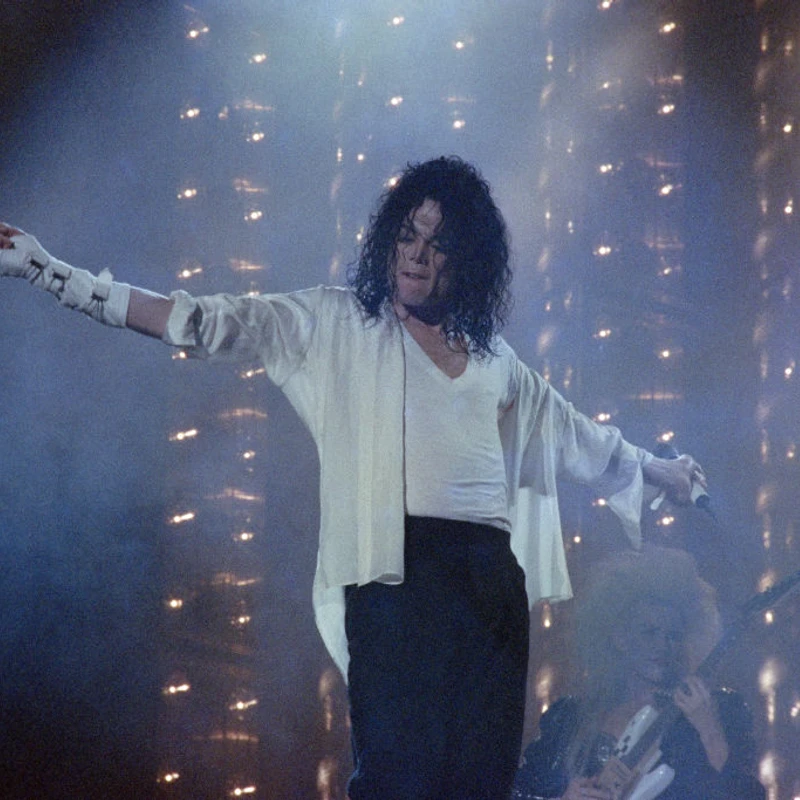
    While the “King of Pop” is celebrated for his groundbreaking music and dance moves, Michael Jackson also had a deep connection to tap dance. He studied legendary performers like the Nicholas Brothers and masterfully blended tap-inspired rhythms into his signature style, most notably in his iconic Moonwalk. His lightning-fast footwork, musical precision, and smooth transitions often echoed classic tap influences.

    Through his electrifying live performances, television appearances, and music videos, Jackson introduced tap-inspired movement to a global pop audience, leaving an immense mark as one of the most influential figures in dance history.

    As National Tap Dance Day approaches, these incredible artists continue to inspire dancers and audiences worldwide. Their legacies are a testament to the power, innovation, and enduring beauty of tap dance, reminding us to celebrate their contributions forever.

    Who are your favorite Black tap dancers? Share your thoughts and celebrate these incredible artists in the comments below!
  • Deeply Rooted Dance Theater Celebrates 30 Years

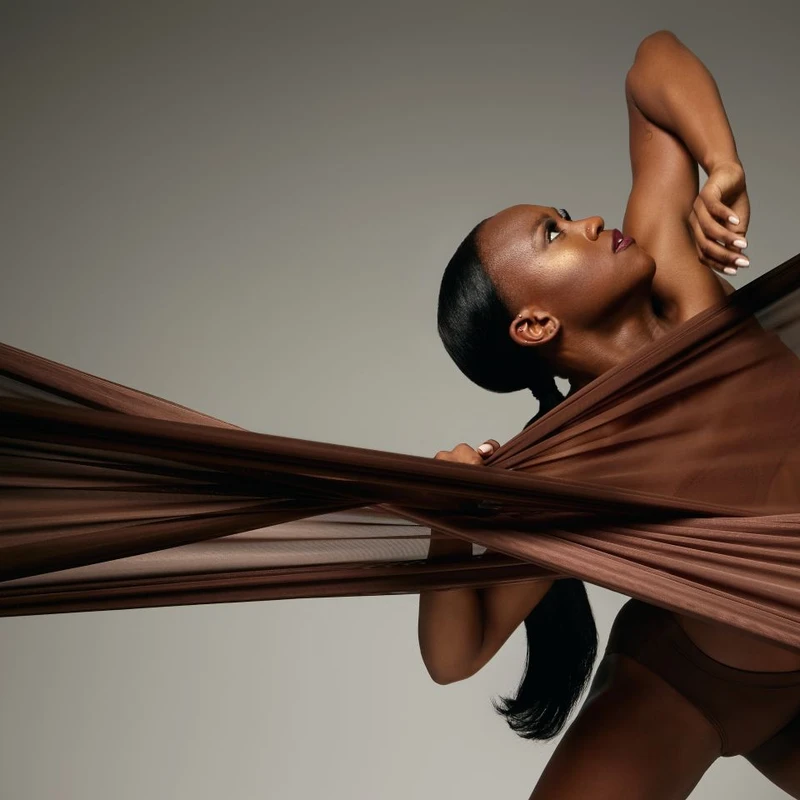
    Chicago’s Deeply Rooted Dance Theater is celebrating a remarkable milestone: 30 years of bringing Black stories to life through the powerful medium of dance. This anniversary season is not just about performances; it’s a testament to their enduring commitment to community, cultural memory, and the profound language of movement.

    Dance as a Powerful Narrative Tool

    For artistic director Nicole Clarke-Springer, dance offers a unique way to connect with audiences. “Sometimes seeing is believing,” she shared with MadameNoire. “If you can see yourself and see what’s going on in real time, it has a different impact than just reading about it.” In an era where Black history is often contested or erased, dance provides an undeniable, visceral experience that engages viewers on multiple levels—combining movement, music, and emotion to create something truly unforgettable.

    Executive director Makeda Crayton emphasizes that dance creates an indelible mark, engaging multiple senses to imprint stories onto memory. She likens it to remembering a significant event through all sensory inputs, suggesting that dance similarly leaves a lasting, personal impression, especially for Black audiences.

    Reclaiming the Body and Self Through Movement

    In a society that often polices Black bodies, dance offers a radical act of self-reclamation. Clarke-Springer points to West African dance traditions, where movement is not just expressive but restorative, awakening strength and vulnerability. Crayton, who transitioned from dancer to executive director, highlights the importance of motion in combating sedentary lifestyles and the need for rituals that nurture the spirit and prioritize wellness.

    Deeply Rooted extends this invitation to move beyond professional dancers through programs like Mature H.O.T. Women (Holistic, Optimistic, and Triumphant). This initiative provides a space for women of all backgrounds to reconnect with themselves, free from societal roles, celebrating their bodies and reclaiming their sense of self—an act that itself serves as a powerful form of resistance.

    Joy and Resistance as Protest

    The company’s 30th-anniversary theme, “Love, Joy, and Resistance,” is deeply embodied in their work. “I think just being joyful and being Black is protest,” Clarke-Springer stated. In a world that often limits the expression of Black womanhood, joy and self-love become radical acts. Crayton further grounds this by emphasizing that Deeply Rooted tells stories from their own community, asserting their presence and contributions to society.

    Their performances are designed to be inclusive and participatory, fostering a sense of community akin to a family reunion. This approach, exemplified by an audience singing and clapping along during a performance set to Quincy Jones’s music, creates an inviting and deeply resonant experience.

    Building the Future on Sacred Ground

    The commitment to community comes with challenges, particularly balancing accessibility with the rising costs of producing high-quality dance. Deeply Rooted relies on grants, donations, and partnerships, navigating a funding landscape that can be difficult for smaller arts organizations. Crayton candidly describes the extensive labor involved in grant applications and reporting.

    Despite these hurdles, the company is forging ahead, advocating for equitable funding processes. A significant development is the upcoming Deeply Rooted Center for Black Dance and Creative Communities on Chicago’s South Side. This multi-million dollar facility will feature studios, performance spaces, and community areas, serving as a home for other small dance organizations and intentionally built near the historic Robert Taylor Homes site.

    The center aims to be a place where dance is used as a vehicle for personal growth and self-discovery. As Deeply Rooted Dance Theater embarks on its next chapter, it stands as a testament to the power of history, community, and vision, reminding us that dance is culture, testimony, and a path back to ourselves.

    How has dance impacted your life or community? Share your thoughts and experiences in the comments below!

  • Trailblazing Dancer Carmen de Lavallade Dies at 94

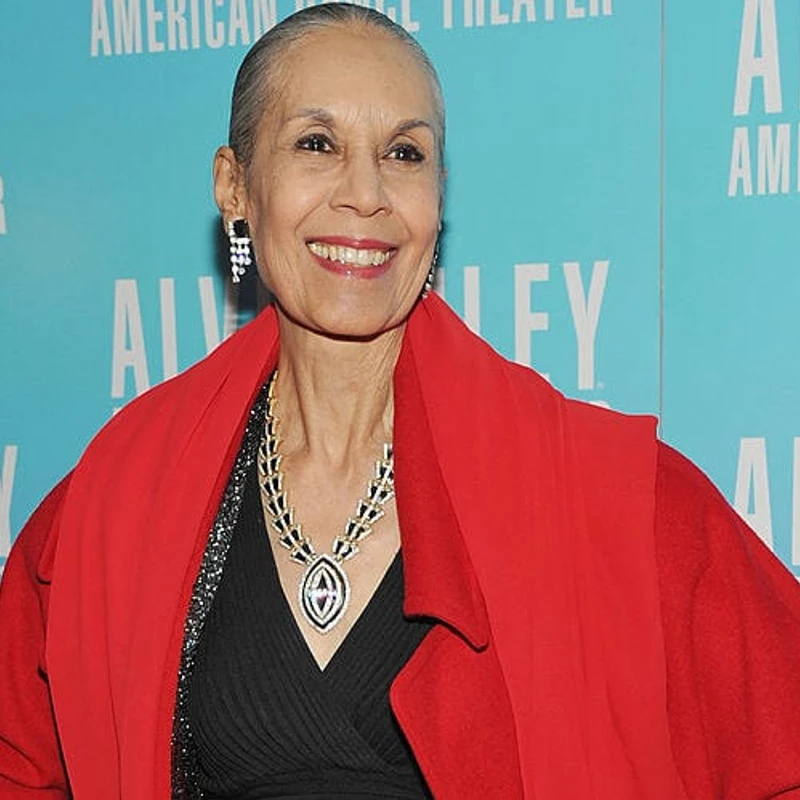
    The world of performing arts is mourning the loss of a true legend. Carmen de Lavallade, a dancer, choreographer, and actress whose incredible talent and fearless spirit left an indelible mark on modern dance and theater, has passed away at the age of 94. Her son confirmed she died peacefully in a New Jersey hospital after a brief illness.

    A Six-Decade Career of Artistry and Activism

    De Lavallade’s career spanned over six decades, during which she became one of the most respected figures in American performing arts. Her artistry wasn’t confined to a single discipline; she moved seamlessly across dance, theater, film, and television. She collaborated with legendary figures like Alvin Ailey, Lena Horne, Harry Belafonte, and Agnes de Mille, and was married for 59 years to the equally talented artist Geoffrey Holder.

    Renowned for her elegant, willowy frame and captivating stage presence, de Lavallade continued to perform well into her 80s, challenging industry expectations and the notion of ageism. Even the legendary Duke Ellington recognized her unique allure, famously calling her ‘one of the most ravishing women in the world.’

    Breaking Barriers from the Start

    Born Carmen Paula de Lavallade in Los Angeles on March 6, 1931, she was raised in a vibrant, multicultural environment that undoubtedly fueled her artistic curiosity. Early on, she found inspiration in her cousin Janet Collins, the first Black ballerina to perform at the Metropolitan Opera. Collins’ resilience in the face of racism deeply impacted de Lavallade.

    Her training with modern dance pioneer Lester Horton and her performances with his integrated company were groundbreaking for their time. Despite facing significant racial barriers in the performing arts, de Lavallade graced the stages of major institutions, including the American Ballet Theatre, Alvin Ailey American Dance Theater, Dance Theater of Harlem, and the Metropolitan Opera.

    Beyond the Stage: Film, Theater, and Teaching

    De Lavallade’s influence extended far beyond the dance floor. She appeared in films like ‘Carmen Jones’ and graced Broadway and Off-Broadway stages. For a decade, she shared her passion and expertise as a performer, choreographer, and adjunct professor at Yale University, mentoring future talents like Meryl Streep.

    Together with her husband, Geoffrey Holder, de Lavallade infused her work with a powerful form of activism, aligning with the civil rights movement through creative expression rather than overt slogans. They collaborated on significant pieces, including her iconic solo ‘Come Sunday,’ set to Black spirituals.

    Even as she aged, de Lavallade remained dedicated to movement and performance, giving her final performance at 88. She continued to speak thoughtfully about aging, the evolution of artistry, and the importance of adaptation.

    Carmen de Lavallade is survived by her son, Léo Holder, her sister Yvonne de Lavallade Davis, and her wider family. Her legacy as a pioneering artist and a force for change will undoubtedly continue to inspire for generations to come.

    How did Carmen de Lavallade’s work impact you or the arts? Share your memories and thoughts in the comments below.

  • First Black Rockette Jennifer Jones’ Audition Story

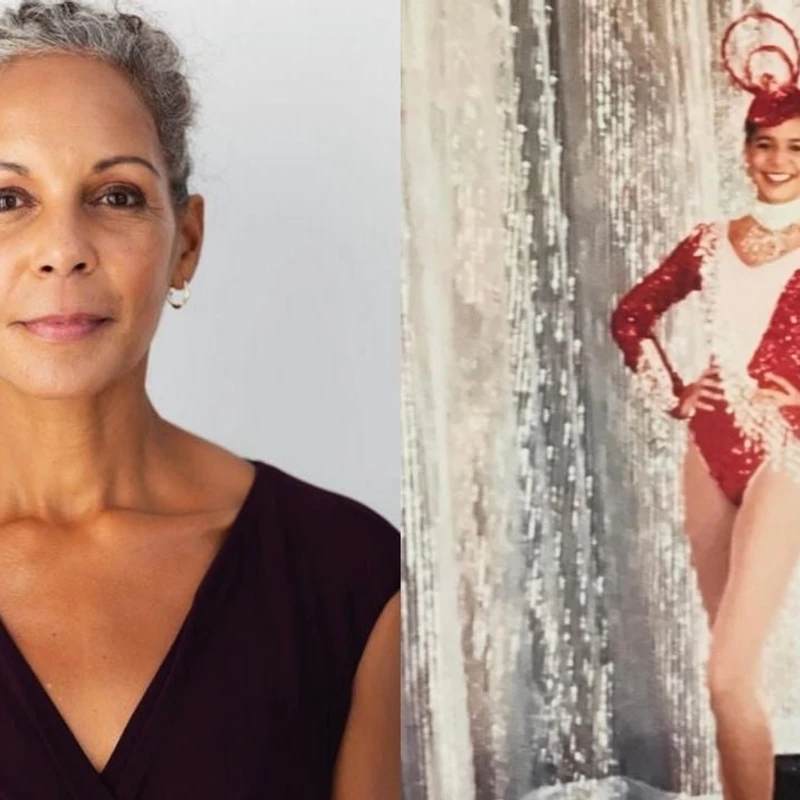
    For a century, the Radio City Rockettes have been synonymous with dazzling precision, iconic costumes, and unforgettable high kicks. But behind the glitz and glamour, history was being made. Jennifer Jones, now 58, didn’t just master the choreography; she shattered a 62-year barrier, becoming the first Black Rockette in the troupe’s storied history.

    An Audition Almost Missed

    Interestingly, Jones never initially set out to be a history-maker. When she moved to New York City in the mid-1980s, her sights were set on Broadway, inspired by childhood trips to see shows like ‘The Wiz.’ She recalled wanting to be like Stephanie Mills. So, when she first saw an advertisement for a Rockette audition, she almost passed it by.

    It was a friend who convinced her to even consider it. Jones admitted she wasn’t entirely sure who the Rockettes were or what they did. Her friend insisted she’d be a great fit, and Jones saw it as a valuable opportunity to gain audition experience for her ultimate Broadway goal, even though she felt she was still ‘green.’

    From Callback to History Maker

    Jones auditioned, got a callback, and then waited for months with no news. The call finally came unexpectedly from Violet Holmes, a longtime Rockette choreographer, inviting her to perform in the Super Bowl XXII halftime show. Unsure if this meant she was officially hired, Jones initially hesitated but quickly called back and accepted.

    Just days later, while watching the news, Jones learned she was the first Black dancer hired by the Rockettes since their founding in 1925. She humorously recalled thinking, ‘Huh, I wonder who that is,’ before her mother called to confirm. At just 20 years old in 1987, Jennifer Jones officially became a Rockette and was promptly prepared for media training to introduce this groundbreaking moment to the world.

    Navigating Change and Resistance

    Despite joining decades after the Civil Rights Movement, Jones’s arrival wasn’t universally celebrated. She explained that ‘anytime there’s change, there’s resistance.’ While some were welcoming, others, including some fellow dancers and management, were not thrilled. Jones felt scrutinized, constantly corrected, and sometimes laughed at, which made her question if she truly belonged.

    She held onto her childhood dream of dancing on a great stage and walking out the backstage door. This core desire fueled her resilience. Jones eventually danced for 15 seasons, leaving an indelible mark and paving the way for greater diversity within the troupe.

    A Lasting Legacy

    Jones’s presence opened doors for more Black dancers, including pioneers like Danielle Jolie Dale-Hancock and Danelle Morgan. Today, the annual Christmas Spectacular features a growing number of Black dancers, a visible shift from the once uniformly white line Jones entered. Jones has since chronicled her journey in her memoir, ‘Becoming Spectacular,’ and continues to celebrate the Rockettes’ legacy and the importance of diversity in dance.

    What does Jennifer Jones’s story mean to you? How important is diversity and representation in iconic performance groups like the Rockettes? Share your thoughts in the comments below!

  • Ciara Teaches Serena & Venus Williams a Dance Move (Hilarity Ensues!)

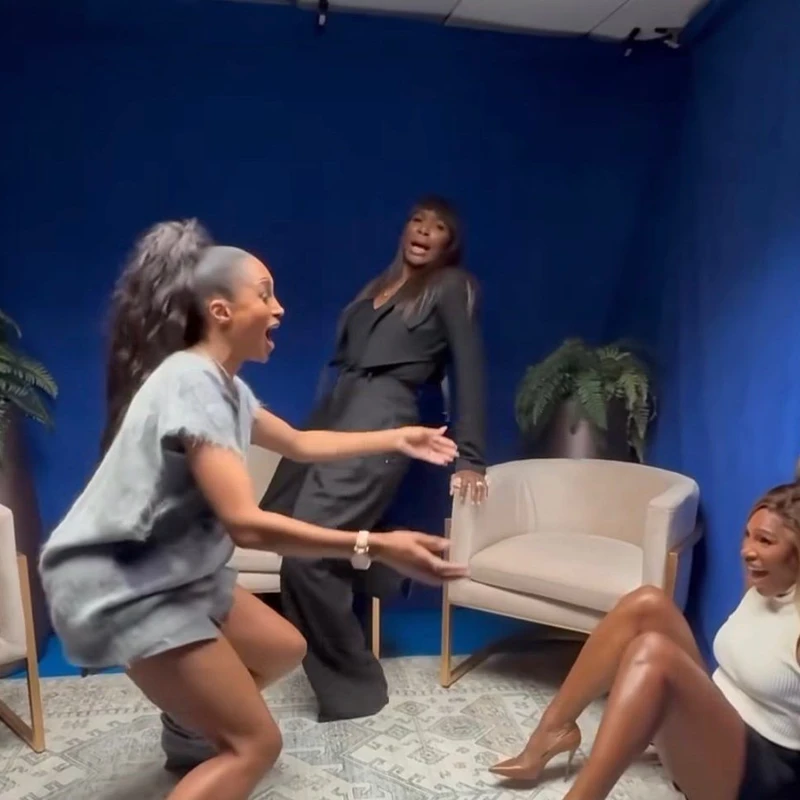
    Get ready to laugh! Ciara, the queen of R&B dance moves, recently took on a new challenge: teaching tennis icons Venus and Serena Williams how to get “low.” During an appearance on the Williams sisters’ podcast, “The Stockton Street Podcast,” an impromptu dance-off turned into a hilarious spectacle, proving that even athletic superstars have their limits when it comes to certain dance steps.

    A Dance Lesson Gone Hilariously Wrong

    Ciara, never one to shy away from showing off her incredible dance skills, decided to share a move from her hit song “Low” with Venus and Serena. The move requires a good amount of knee strength and back flexibility. While Ciara demonstrated flawlessly, Serena, 44, initially managed to nail the step.

    Venus, 45, opted for a more sensible approach, choosing to shimmy along and enjoy the show. But when it came time for round two, Serena gave it her all, leaning back perhaps a little too enthusiastically. Before she knew it, her knees couldn’t handle the demand, and she ended up taking a tumble right onto her backside! The room erupted in laughter, including Serena herself.

    Fans React to the Viral Moment

    Ciara shared the unforgettable moment on Instagram, captioning it, “OMG… @venuswilliams said her legs not working and @serenawilliams ended up on the floor!! I live for moments like this with my girls! So much fun on @stocktonstpodcast.” The video quickly went viral, with fans flooding the comments with their amusement.

    • “The legs said this ain’t tennis.”
    • “Venus knew and accepted her boundaries. Serena, on the other hand, wanted to test her faith, but mercy said NO!”
    • “These women are 40+ years old and are doing great to go back like that.”
    • “That was a cute fall tho.”

    The reactions perfectly captured the lighthearted nature of the moment, celebrating the bond between these three incredible women. It’s clear that even off the tennis court, Serena and Venus know how to have a good time, especially when Ciara is involved!

    Sisterhood and Candid Conversations

    This fun dance interlude was part of a larger, candid conversation on “The Stockton Street Podcast.” Ciara’s appearance highlighted the strong sisterhood and camaraderie between the trio. They delved into topics like trusting your intuition, balancing demanding careers with motherhood, and celebrating every win, big or small.

    What’s your favorite dance move? Have you ever had a funny dance floor fail? Share your stories in the comments below!

  • FAMU Announcer’s Appeal Denied After ‘Ozempic’ Remark

    It’s a tough blow for Florida A&M University (FAMU) fans as longtime announcer Joe Bullard has lost his appeal to return to the microphone. This decision comes after a controversial comment made during a September 27th home game that has led to disciplinary action and significant backlash.

    The Controversial ‘Ozempic’ Remark

    During halftime at Bragg Memorial Stadium, Bullard referred to the Alabama State University Honey Beez dance team as “the new face of Ozempic.” This remark was widely perceived as body-shaming and inappropriate, sparking immediate outrage on social media and within the broader HBCU community. Bullard later apologized, acknowledging that his statement “crossed the line.”

    Despite his apology, the consequences were swift. The Southwestern Athletic Conference (SWAC) fined Florida A&M University $10,000 and issued a public reprimand. Bullard himself was suspended from announcing the October 11th game against North Carolina Central University and removed from Marching “100” rehearsals leading up to it.

    Appeal Denied, Homecoming Impacted

    Hoping to be back in time for the highly anticipated Homecoming game, Bullard filed an appeal. However, the SWAC denied his appeal, meaning he will remain suspended for the October 18th game against Alcorn State University. This decision means the veteran announcer, whose voice has been a familiar sound at FAMU games and for the Marching “100” for nearly five decades, will not be part of this year’s Homecoming festivities.

    FAMU President Marva Johnson also issued a written warning, stating that any further “off-colored commentary” could result in termination. The university has reaffirmed its commitment to professionalism and respect, core values deeply ingrained in the FAMU community. Bullard was also required to complete Respectful Workplace and Anti-Harassment training.

    Divided Reactions in the HBCU Community

    The controversy surrounding Bullard’s comment has sparked a range of reactions across HBCU circles. While supporters of the Honey Beez have commended both institutions for holding individuals accountable, many Rattler fans have expressed disappointment, highlighting Bullard’s long-standing service and dedication to FAMU. This situation has ignited important discussions about representation, respect, and the responsibilities that come with public platforms within HBCU culture.

    What are your thoughts on the FAMU announcer’s situation and the denial of his appeal? Share your perspective in the comments below!

  • From Viral Dancer to Paris DJ: Kapela’s Journey

    Imagine going from viral dance sensation to holding down a five-year DJ residency in Paris. That’s exactly the incredible journey of Kapela, a world-renowned dancer and DJ of Senegalese descent, born and raised in France. Recently bringing his global house music vibes to Atlanta for ATL Weekender, Kapela’s story is a testament to how authentic artistry can transcend borders.

    The Evolution of a Dancer

    Kapela’s passion for movement started early, with breakdancing in 1998. However, his path took a significant turn in 2002 when he discovered Juste Debout, a major international dance event. Here, European house dancers were judged by New York pioneers, igniting a new spark in Kapela. He experienced a breakthrough moment when he had to fill in for his house dance teacher, learning moves to Armand Van Helden’s classic track ‘You Don’t Know Me.’

    His rise to fame included viral moments in 2010 with the ‘I Love This Dance’ event, where he took a risk playing a lesser-known house song that went viral. Then, in 2012, he and his four-member crew performed at the Juste Debout finals in front of 16,000 people, another moment that captured global attention. These experiences solidified his reputation as a dancer with a unique connection to house music.

    From Dance Floor to DJ Booth

    Kapela’s transition to DJing began about ten years ago. He felt a disconnect with some of the music being played at events in France and wanted to bring his own distinct taste and dance sensibility to the decks. He found a perfect home at the Djoon Club in Paris, a venue he loved dancing at since its opening in 2003.

    He explains, ‘If I’m that dancer that people like, if I started DJing, they would see that dancer’s touch behind the deck.’ This approach resonated with audiences, who could feel the energy and dance-driven choices in his sets. Kapela sees himself as an entertainer, focusing on reading the crowd and creating an immersive experience rather than just operating equipment.

    Defining His Unique Style

    Kapela’s DJing style is intrinsically linked to his dancing. He famously says, ‘If you see me dance, you see me DJ. If you see me DJ, you see me dance.’ He enjoys playing new music but emphasizes playing ‘good music,’ which often involves digging into the past to unearth tracks that feel fresh to contemporary audiences. He loves discovering new producers and revisiting older gems, making listeners feel like they’re hearing something new.

    Essential Tracks and Residencies

    When asked for essential tracks, Kapela recommends a diverse mix: Cheryl Lynn’s ‘Got to Be Real,’ Michael Jackson’s ‘Man in the Mirror,’ Fela Kuti’s ‘Shakara,’ Masters at Work’s ‘What’s Her Freedom,’ and Sala’s ‘Daydreaming.’ Currently, popular requests during his sets include Kyro’s tracks ‘Hakan’ and ‘Batumi.’ His long-standing ‘Soulful Sunday’ residency at Paris’s Djoon Club, running for five years, exemplifies his commitment to creating a vibrant house music community.

    Critical Skills for DJs

    For aspiring professional DJs, Kapela highlights three crucial skill sets: humility, love, and fun. These qualities, combined with his unique blend of dance and DJing, have clearly fueled his success.

    What are your favorite house music tracks or artists? Share your recommendations in the comments below!