
Tag: Cybersecurity

  • Your Selfies Could Be a Security Risk

    In today’s world, sharing photos online is second nature. But what if those seemingly innocent selfies, especially those popular peace sign poses, could actually be putting your security at risk? Cybersecurity experts are sounding the alarm: artificial intelligence is making it possible for criminals to extract usable fingerprint data from your photos.

    The Power of AI Enhancement

    Recent reports highlight how advanced AI image enhancement tools can sharpen and reconstruct fingerprint details captured in high-resolution images. This means that even a slightly blurry fingerprint on your fingertip in a photo taken from just a few feet away could be turned into a detailed biometric template by malicious actors.

    This threat is particularly concerning because, unlike passwords, your fingerprints can’t be easily changed once they’re compromised. Imagine criminals using your reconstructed prints to unlock your smartphone, access your banking apps, or even bypass smart lock security on your home.

    Not Entirely New, But More Accessible

    The idea of recreating fingerprints from photos isn’t entirely new; security researchers demonstrated this capability over a decade ago. However, today’s powerful smartphone cameras and sophisticated AI tools have significantly lowered the technical barrier, making such attacks more feasible for a wider range of cybercriminals.

    While some experts suggest the risk might be overstated in typical real-world conditions – requiring ideal lighting, high quality, and precise angles – the potential for misuse is undeniable. The growing trend of AI-assisted cybercrime, including fraud and identity theft, underscores the need for caution.

    Protecting Your Biometric Data

    To mitigate this risk, cybersecurity specialists recommend being mindful of the biometric details you share online. Simple precautions can make a big difference:

    • Avoid taking close-up photos where your fingertips are prominently facing the camera.
    • Consider reducing the resolution of your selfies before posting them online.
    • Enable additional authentication methods on your devices and apps beyond just fingerprint recognition, such as passcodes or facial recognition.

    By taking these steps, you can help safeguard your sensitive biometric data in an increasingly AI-driven digital landscape.

    What steps do you take to protect your online privacy? Share your tips in the comments below!
  • NSA Urges Router Reboots Amid Cyber Attacks

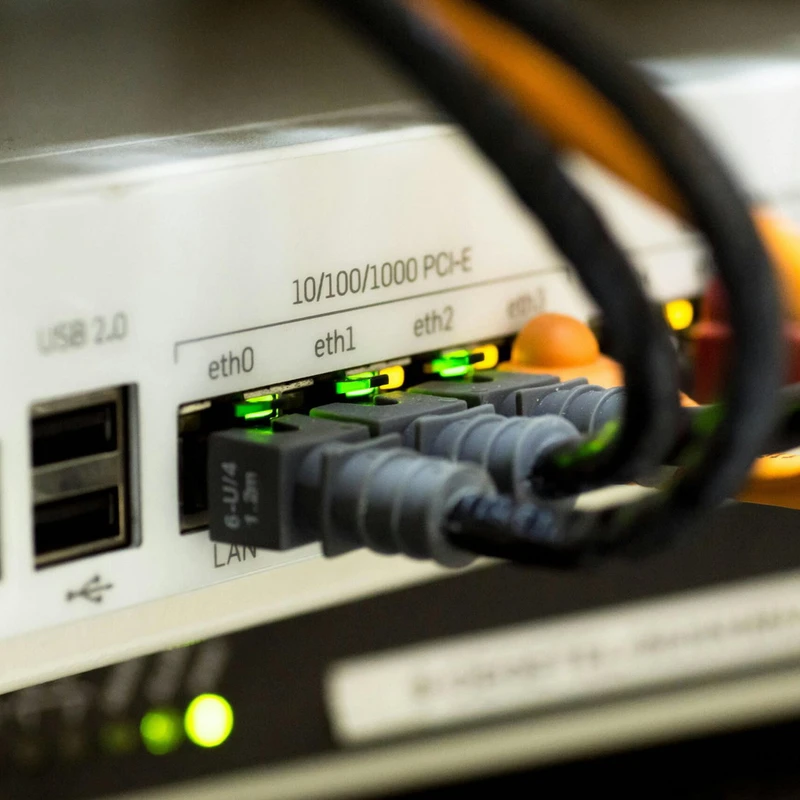
    In today’s digital world, our home networks are gateways to a wealth of personal information. Now, the National Security Agency (NSA) is issuing a critical warning to Americans: it’s time to take your Wi-Fi router security seriously. Amidst rising cyber threats, the NSA is urging everyone to adopt a simple yet effective habit to protect their sensitive data.

    The agency is specifically advising internet users to perform weekly reboots of their devices and routers. This proactive measure is designed to thwart potential attacks targeting home networks, which malicious actors could exploit to steal personal and confidential information. As the NSA puts it, “Don’t be a victim.”

    Who’s Behind the Attacks?

    The NSA’s warning is particularly focused on threats posed by groups like APT28, also known as Fancy Bear. This group is reportedly linked to Russia’s military intelligence agency, the GRU, and is believed to be gathering data for nefarious purposes. The FBI has also publicly called out these Russian cyber actors, and the NSA is lending its support to these efforts.

    Strengthening Your Home Network Security

    Beyond regular reboots, the NSA recommends several other best practices to bolster your home network’s defenses. This includes updating your technology by replacing older routers with newer models that have more robust security features. Outdated networks can be particularly vulnerable.

    • Change default usernames and passwords.
    • Disable remote management interfaces from the internet.
    • Update to the latest firmware versions.
    • Upgrade devices that are no longer supported.

    These steps are crucial for maintaining a secure online environment. While the FCC has banned certain foreign-manufactured Wi-Fi routers due to breach susceptibility, many popular brands used in U.S. households, such as NETGEAR, TP-Link, Google Nest, and Eero, are still widely in use. This makes vigilance around internet precautions even more critical for both personal and national security.

    Have you rebooted your router this week? What other cybersecurity tips do you follow to protect your personal data? Share your advice in the comments below!

  • Meta Faces Lawsuit Over Data Access Concerns

    A serious federal lawsuit has been filed against Meta, stemming from allegations made by a former WhatsApp security executive. Attaullah Baig, who led security at WhatsApp until his termination in February, claims that the company had significant cybersecurity vulnerabilities that put user privacy at risk. Furthermore, Baig alleges that Meta retaliated against him after he attempted to expose these critical issues.

    Unrestricted Access for 1,500 Employees

    The core of the lawsuit revolves around Baig’s discovery that approximately 1,500 WhatsApp engineers allegedly had unrestricted access to sensitive user information during his tenure, which began in 2021. Court documents indicate that these employees could potentially move or steal personal data without detection systems or audit trails in place. This alarming revelation came to light during security testing conducted with Meta’s central security team.

    The sheer scale of internal data access described in the lawsuit raises serious questions about Meta’s data protection practices. It potentially points to violations of federal securities laws and the company’s own 2020 Federal Trade Commission privacy settlement obligations. The lawsuit suggests a systemic issue rather than isolated incidents.

    Meta Disputes the Claims

    Meta has publicly refuted Baig’s accusations. A company spokesperson described the lawsuit as a predictable tactic from a dismissed employee making ‘distorted claims.’ The spokesperson emphasized Meta’s strong commitment to privacy protection and downplayed Baig’s role, asserting that security remains a paramount priority with ongoing efforts to safeguard user information across all platforms.

    Despite Meta’s defense, Baig pursued multiple avenues to address his concerns. In November, he filed a complaint with the Securities and Exchange Commission (SEC) regarding alleged cybersecurity deficiencies and failures to disclose material risks to investors. He also directly contacted Meta CEO Mark Zuckerberg twice, informing him of his SEC filing and urging action on compliance failures and alleged retaliation.

    Additional Security Shortcomings Alleged

    Beyond the broad data access issue, the lawsuit details several other alleged security gaps at WhatsApp. These include claims that the company failed to maintain adequate 24-hour security operations suitable for its platform’s size. Baig also alleges insufficient systems for monitoring internal user data access and a lack of comprehensive documentation for systems storing user information, which he argues hindered proper protection and regulatory compliance.

    The lawsuit further claims that Baig experienced escalating workplace difficulties after raising his initial security concerns. It alleges he received negative performance feedback just three days after reporting cybersecurity issues to supervisors. This pattern, according to Baig’s legal team, constitutes retaliatory behavior aimed at silencing his advocacy for compliance.

    Termination Timing Raises Questions

    Meta terminated Baig’s employment in February as part of company-wide layoffs, citing poor performance. However, the lawsuit argues that the timing of his dismissal, occurring shortly after his external regulatory filings, strongly suggests a connection to his whistleblower activities. His legal team contends that his termination was the culmination of a systematic, two-year pattern of retaliation.

    Baig also filed a complaint with the Occupational Safety and Health Administration (OSHA) in January detailing alleged retaliation, though this complaint was ultimately dismissed. While the lawsuit does not claim that user data was actually compromised, it highlights significant concerns about internal controls at one of the world’s most popular messaging platforms and the adequacy of safeguards for billions of users’ personal information.

    What are your thoughts on these allegations against Meta and WhatsApp? Do you feel your data is adequately protected? Share your opinions in the comments below!

  • UnitedHealth’s Stock Surge Masks Loan Controversy

    UnitedHealth Group’s stock experienced a notable surge of over 4% in pre-market trading, fueled by positive projections for its Medicare plan performance. The healthcare giant anticipates that approximately 78% of its members will be enrolled in four-star or higher-rated Medicare plans for 2026. This news, detailed in an SEC filing, suggests continued strength in their Medicare offerings, which are crucial for attracting members and maintaining regulatory favor.

    Medicare Ratings Drive Investor Optimism

    These high Medicare star ratings are vital for insurers, as they often translate to premium pricing and increased enrollment. Beneficiaries frequently use these ratings as a key factor in choosing coverage, making four- and five-star designations a significant competitive advantage. UnitedHealth also reaffirmed its adjusted earnings per share expectations for 2025, signaling management’s confidence in the company’s operational performance and further boosting investor sentiment.

    Wall Street analysts project UnitedHealth will report third-quarter earnings per share of $2.81 on revenue of $113 billion. While full-year revenue is expected to grow to $448 billion from $401 billion in 2024, projected earnings per share are anticipated to drop significantly from $27.60 to $16.23. This earnings compression, despite revenue growth, indicates rising costs are outpacing premium increases, a challenge faced by many healthcare insurers due to medical inflation and increased utilization.

    Controversy Over Loan Repayment Tactics

    However, beneath the positive Medicare news lies a significant political controversy. Senators Elizabeth Warren and Ron Wyden have sharply criticized UnitedHealth’s methods for recovering emergency loans issued after a massive ransomware attack on its Change Healthcare subsidiary in February 2024. This cyberattack severely disrupted healthcare payment systems nationwide, prompting UnitedHealth to establish a temporary lending program.

    UnitedHealth extended over $9 billion through its Temporary Funding Assistance Program to help providers struggling with cash flow disruptions. While this initial move was praised for supporting the healthcare ecosystem, the company’s subsequent collection efforts have drawn intense political fire. Senator Warren described the loan repayment demands as ‘deeply troubling,’ suggesting aggressive tactics were used against providers still reeling from the cyberattack’s financial fallout.

    Political Scrutiny Intensifies

    The senators’ criticism centers on what they term ‘hardball tactics’ employed to recoup these emergency funds. This political scrutiny could complicate UnitedHealth’s relationships with regulatory bodies and potentially influence future policy decisions impacting the company. Despite the stock’s strong performance, retail investor sentiment remains divided, with many individual investors expressing skepticism about UnitedHealth’s long-term prospects due to these ongoing controversies and broader industry challenges.

    The market appears cautious, with investors increasingly focused on regulatory risks and political exposure that could affect future profitability. UnitedHealth’s ability to navigate these competing pressures—balancing positive Medicare performance with criticism over its loan recovery practices—will be key to determining whether its recent stock gains signal sustained momentum or merely temporary relief.

    What are your thoughts on UnitedHealth’s business practices? Do you think the company’s Medicare performance justifies its stock surge, or do the loan repayment controversies raise serious concerns? Share your opinions in the comments below!

  • Protect Your Gmail: Essential Tips After Salesforce Breach

    The digital security landscape has been shaken by a recent breach affecting Google’s Salesforce system, raising critical concerns for Gmail users. While Gmail accounts themselves were not directly hacked, the incident has empowered cybercriminals to launch more convincing scams by exploiting professional relationships and trust. For the billions who rely on Gmail daily, the threat isn’t about stolen passwords but the increasing sophistication of these tactics.

    Understanding the Impact of the Salesforce Breach

    In June 2025, hackers targeted a Google employee using social engineering, tricking them into installing malware that granted access to Google’s Salesforce system. This breach resulted in the extraction of business-related contact information, including email addresses, company names, and metadata. Importantly, Google has confirmed that no Gmail passwords or personal user credentials were compromised. However, the exposed professional data is highly valuable for attackers aiming to craft realistic scams.

    By understanding professional networks and corporate contacts, cybercriminals can now create messages that appear to originate from trusted colleagues, vendors, or even Google itself. This makes distinguishing legitimate communications from fraudulent ones significantly more challenging for users.

    The Growing Threat of Phishing and Vishing

    This breach has unfortunately fueled an increase in phishing (email scams) and vishing (voice scams). Unlike generic spam, these attacks often reference specific projects, colleagues, and organizational details, making them far more persuasive. Scammers may send messages during business hours, mimicking the communication style of genuine corporate correspondence. In some instances, they’ve escalated to voice-based tactics, using spoofed phone numbers (often from the 650 area code) to impersonate Google support or IT staff. These calls might start with convincing details before requesting login credentials or sensitive information, creating multi-vector attacks that heighten the likelihood of success.

    Email Security: The Digital Infrastructure

    Email serves as the cornerstone of our digital identity, connecting us to everything from banking and social media to cloud storage and workplace systems. A single compromised email account can grant attackers access to reset passwords, intercept sensitive communications, or impersonate individuals in professional contexts. This interconnectedness underscores why email security must be treated as critical digital infrastructure, requiring robust protections.

    Immediate Protection Strategies for Gmail Users

    • Use unique, complex passwords for every account to prevent credential stuffing.
    • Enable two-factor authentication (2FA). Prioritize app-based authenticators or hardware keys over SMS-based verification, as the latter can be vulnerable to interception.
    • Adopt passkeys or biometric sign-ins where available for enhanced protection against phishing attempts.
    • Be wary of unsolicited communications. Google has stated it never makes unsolicited calls regarding account security. Treat any such contact with suspicion.

    Recognizing Suspicious Activity and Monitoring Your Account

    Vigilance is key. Be aware of red flags such as emails demanding immediate action, messages containing unusual links or attachments, or phone calls from supposed Google representatives asking for credentials. The safest way to verify any account concerns is to bypass unsolicited messages and navigate directly to official Google websites or apps. Regularly monitoring your account activity is also crucial. Google provides built-in security tools that allow you to check login history, review connected devices, see which third-party apps have access to your account, and verify email forwarding rules. Promptly addressing any unusual activity can prevent minor intrusions from escalating into major breaches.

    What steps do you take to secure your Gmail account? Share your best security tips in the comments below!

  • AFROTECH Conference 2025 Speaker Lineup Revealed

    Get ready for AFROTECH™ Conference 2025! This premier event for Black technologists, professionals, creators, and leaders is set to return to the George R. Brown Convention Center in Houston, TX, from October 27-31. This year’s conference is packed with influential speakers who are shaping the future of technology across various industries.

    Leaders in AI, Cybersecurity, and More

    The 2025 lineup features a diverse group of experts guiding conversations in critical fields like AI, medtech, cybersecurity, engineering, marketing, and fintech. Attendees can look forward to insightful panels, engaging fireside chats, and practical workshops designed to foster innovation and explore the future of tech.

    Under the AI track, Microsoft CEO Mustafa Suleyman will lead discussions on AI’s transformative role in life and work. Google data scientist Emmanuel Ekwedike will explore empowering digital identity, while JPMorgan Chase’s VP AI/ML product security lead Donald King and Forethought founder Deon Nicholas will also share their expertise.

    Cybersecurity and Fintech Insights

    Cybersecurity professionals will benefit from workshops led by industry leaders. Chantel Edwards, Cybersecurity Director at Capital One, will delve into the human element of cybersecurity and attacker psychology. Mike Arbrouet, senior security engineer at Figma, will present a solo talk on “Quantum Security: Future-Proofing Cybersecurity in the Age of Quantum Computing.”

    Lamarr Henry and Awnya Creque, also from Figma and Microsoft respectively, will lead workshops on cyberattacks and AI’s potential. Creque shared her excitement, stating, “I was in awe when I saw how many Black and brown faces were in the industry at AFROTECH™ last year… It’s a great time. The food, the fun, the events, networking, and just genuinely connecting with people who are in the space or trying to get in the space.”

    Fintech, Marketing, and Medtech Voices

    The fintech track features Tabitha Brown, Clover’s chief empowerment officer, on a panel titled “Culturapreneurs: How FinTech is Fueling the Next Generation.” She’ll be joined by Stephen Love, founder of Made with Love Media, and Shannon Watkins, Fiserv’s Chief Brand, Marketing & Communications Officer.

    • **Fintech:** Jackson Aimiuwu (Amazon Web Services), Tiffany Aliche (The Budgetnista), Boluwatife Aiki-Raji (Carrot Credit), Benjamen Oladokun (Shekel Mobility).
    • **Marketing and Advertising:** Malik Ducard (Pinterest), Adrienne R. Lofton (Google), Maya Dukes (Delta).
    • **Medtech:** JaBaris Swain (Johnson & Johnson), Omotolani Olasanoye (Oh She’s Tech), Chikara Foster-Rettig (OB-GYN).
    • **Engineering:** Melvin Hillsman (Red Hat), Shadeira Nesmith (Coding Black Females), Hervé Aniglo (Kids Next Code), Sola Babatunde (Toyota).

    Don’t Miss Out!

    This is just a glimpse of the incredible talent that will be gracing the stage at AFROTECH Conference 2025. With endless networking opportunities at the Expo Hall and impactful sessions across multiple tracks, it’s the must-attend event for anyone in the tech industry.

    Secure your spot today and be part of the conversation shaping the future of tech! Click here to grab your tickets and learn more about the AFROTECH Conference 2025. What speakers are you most excited to hear from? Let us know in the comments!

  • Gmail Users: Ditch Passwords, Google Urges

    If you’re one of the over 2.5 billion Gmail users worldwide, listen up! Google is issuing a strong recommendation to ditch traditional passwords in favor of more secure methods. While it’s not directly due to a password breach, the ongoing threat of sophisticated attacks means passwords are no longer the gold standard for protecting your digital life.

    The Rising Threat of Phishing

    Recent events, like the hacking of Salesforce by the group ShinyHunters, have highlighted the dangers. Attackers gained access to business-related Gmail data, including contact lists and email metadata. Although no passwords were stolen in that specific incident, the compromised information is being used to fuel highly targeted phishing campaigns.

    These attackers are getting clever, impersonating Google, IT departments, or trusted vendors. They’re even using “vishing” (voice phishing) with fake Google numbers. Google data indicates that phishing and vishing are responsible for about 37% of successful account takeovers across their services. The detailed information obtained from breaches like Salesforce makes these scams incredibly convincing, often referencing specific colleagues or past communications.

    Why Passkeys Are the Future

    Cloudflare’s CTO, John Graham-Cummings, emphasizes the critical role of email security: “If you do not have a good password on your email, the rest of your life is pretty much wide open.” This is because email is often the key to resetting passwords for almost every other online service. Compromise your email, and you risk compromising everything else.

    Google is actively promoting the adoption of passkeys as a superior alternative. Unlike passwords, passkeys are designed to be phishing-resistant. From a user’s perspective, they often feel like the biometric authentication already on your phone, but from a security standpoint, they offer significantly stronger protection. Experts like Jeff Shiner, CEO of 1Password, state that passkeys are inherently more secure than even the most complex passwords because they cannot be phished.

    Boosting Your Gmail Security

    Beyond passkeys, consider enabling app-based two-factor authentication (2FA) for an extra layer of security. This requires a second verification step, making it much harder for unauthorized individuals to access your account. With a significant portion of users reporting increased scam attempts, taking proactive steps is crucial.

    • Regularly reset your passwords (if still using them).
    • Adopt passkeys for your Google account and other services.
    • Enable two-factor authentication (2FA) wherever possible.
    • Be highly skeptical of unsolicited messages or requests for information.
    • Utilize Google’s Security Checkup to review account activity.
    • Stay alert for any unusual login activity.

    Are you ready to switch to passkeys for your Gmail account? What are your biggest concerns about online security? Share your thoughts in the comments below!

  • Google Denies Massive Gmail Hack, Clarifies Security Incident

    In a move to quell user anxiety, Google has officially debunked alarming reports suggesting that 2.5 billion Gmail users were affected by a massive security crisis. The tech giant has firmly stated that these claims are “entirely false” and has reassured its vast user base that their email accounts remain secure.

    Debunking the Widespread Security Warnings

    The confusion stemmed from numerous news outlets reporting that Google had issued broad security warnings to all Gmail users in late July and early August. These alleged notifications supposedly alerted users to increased phishing attacks and a significant hack compromising all Gmail accounts. However, Google clarified in a recent blog post that no such universal warning was ever distributed to its entire user base.

    Many Gmail users were understandably perplexed, as they had not received any security notifications. Given that 2.5 billion represents Gmail’s entire active user base, the absence of personal warnings should have been a strong indicator that the reports were exaggerated.

    The Real Security Incident: A Limited Scope

    Google confirmed that a security incident did occur, but it was significantly smaller in scope and impact than initially reported. The breach actually affected Google’s corporate Salesforce server in June, not the Gmail platform itself. Salesforce is a customer relationship management software, and the unauthorized access was contained to this specific system.

    According to Google’s statement, the breach was detected and stopped promptly. The hacker reportedly accessed only publicly available business information, such as business names and contact details, which are not considered sensitive or private data. While Google notified affected users by early August, the exact number impacted remains unspecified but is believed to be far fewer than the 2.5 billion figure.

    Phishing Warnings and User Confusion

    Further adding to the confusion was a separate, legitimate blog post from Google in July discussing an increase in phishing attacks. This post was not linked to any specific breach but served as general information to introduce new security features. The timing of this genuine security update, combined with the reports about the Salesforce server incident, likely fueled the narrative of a widespread Gmail crisis.

    Google emphasized its robust security measures, stating that its systems block over 99.9% of phishing and malware attempts. The company stressed the importance of accurate cybersecurity information and encouraged users to remain vigilant, suggesting practices like using passkeys for enhanced protection.

    Have you ever been concerned about a potential data breach? How do you ensure your online accounts are secure? Share your tips and thoughts in the comments below!

  • FBI Warns: AI “Phantom Hacker” Scams Seniors

    Heads up, everyone! The FBI has issued a serious warning about a sophisticated scam that’s wreaking havoc, particularly among our senior citizens. It’s called the “Phantom Hacker” scheme, and it’s using the power of Artificial Intelligence to pull off some truly devastating heists, with over $1 billion already stolen since the beginning of 2024.

    How the “Phantom Hacker” Scam Works

    This isn’t your typical phishing email. The “Phantom Hacker” scam is a multi-step operation designed to look incredibly legitimate. It starts with a fake tech support message, prompting the victim to download software that grants the scammers remote access to their computer. It’s a classic bait-and-switch, but with a chillingly modern twist.

    Once they have access, the scammers pretend to find malware. Then, they guide the victim to check their financial accounts. This is where the second phase kicks in: a fake call from someone claiming to be from the victim’s bank or credit union. They’ll warn you about a fabricated overseas breach and instruct you to transfer your money to a supposedly secure government account to “protect” it.

    The Final Touch: Impersonating Federal Agents

    To really lock down the con, a third scammer, posing as a federal agent, will follow up. They’ll present official-looking paperwork, reinforcing the idea that your money is still at risk unless you make even more transfers. It’s a meticulously crafted illusion designed to exploit trust and fear.

    Cybersecurity experts like Scott Davis emphasize how professional these operations are, calling them “orchestrated like professional heists.” Aaron Rose from Check Point Software adds that the use of AI to mimic real events and interests makes the scam feel incredibly personal, significantly increasing its effectiveness.

    Protecting Yourself and Loved Ones

    So, how can you avoid falling victim to this advanced scheme? The experts are crystal clear: never grant remote access to your computer or transfer money based on an unsolicited call. It’s a simple rule, but a crucial one.

    • Never give remote access to your computer to someone who called you out of the blue.
    • Do not transfer money to any account based on a phone call or unsolicited message.
    • If you receive a suspicious call, hang up immediately.
    • Always contact your bank or financial institution directly using a trusted phone number or website to verify any claims.

    If you encounter any suspicious activity or believe you’ve been targeted, report it to the FBI at tips.fbi.gov or file a complaint with the Internet Crime Complaint Center (IC3). Staying informed and vigilant is our best defense against these evolving cyber threats.

    Have you or someone you know encountered a scam like this? Share your experiences and tips in the comments below to help others stay safe!

  • Gmail Users: Urgent Warning Amid Salesforce Data Breach

    Heads up, Gmail users! Google has just issued an urgent warning that could impact your inbox. While Google’s own systems are secure, a massive data breach at a third-party platform has created a new wave of vulnerability for billions of us. This incident highlights how data stolen from one service can be weaponized to target your Gmail accounts.

    The Salesforce Breach and Its Fallout

    The alert stems from a significant breach of Salesforce’s cloud platform. Google’s Threat Intelligence Group (GTIG) first detected these attacks back in June. Hackers are employing sophisticated social engineering tactics, like impersonating IT support staff over the phone (a method known as ‘vishing’), to trick users into handing over their login credentials.

    Initially, the stolen data might have seemed like basic business information. However, by August, attackers, potentially linked to the ‘ShinyHunters’ brand, had successfully infiltrated systems using these compromised passwords. Google warns that these actors may be preparing to launch a data leak site (DLS) to escalate their extortion tactics, specifically targeting victims of recent Salesforce-related breaches.

    How Hackers Are Exploiting the Breach

    The ‘vishing’ tactic, where scammers call pretending to be IT personnel, has proven particularly effective, especially targeting employees within English-speaking global organizations. Google directly notified affected users via email on August 8th about these specific threats.

    In parallel, Google Cloud customers are facing ‘dangling bucket’ attacks. This involves hackers hijacking deleted Cloud Storage bucket names to inject malware or steal sensitive customer data. Given that Gmail and Google Cloud serve approximately 2.5 billion people worldwide, the potential impact is enormous.

    Protecting Your Gmail Account: Essential Steps

    Google is urging all users to remain vigilant and take proactive steps to safeguard their accounts and sensitive information. While many users have strong passwords, a significant portion doesn’t change them regularly. Combining robust passwords with multi-factor authentication (like 2FA) is key to significantly reducing your risk.

    • Avoid clicking on unrecognizable links.
    • Update your passwords regularly with strong, unique combinations.
    • Enable Two-Factor Authentication (2FA) on your Gmail account.
    • Keep your devices and software updated to patch security vulnerabilities.
    • Be vigilant for any suspicious activity or unusual requests.

    Staying informed and implementing these security measures can make a huge difference in protecting yourself from cyberattacks like those linked to ShinyHunters. Don’t wait – secure your Gmail account today!

    Have you taken these steps to secure your Gmail account? Share your best cybersecurity tips in the comments below!