Tag: Cryptocurrency

  • Arthur Hayes Seeks $250M for Crypto Buyout Fund

    Even after a significant market downturn, Arthur Hayes, a well-known figure in the cryptocurrency world, remains optimistic about Bitcoin’s future. He’s now looking to capitalize on this outlook by raising a substantial $250 million for his Maelstrom family office. The goal? To acquire medium-sized cryptocurrency firms and build a robust portfolio.

    Maelstrom’s Strategy: Focusing on Fundamentals

    According to reports, the Maelstrom fund plans to invest between $40 million and $75 million to acquire four to six crypto companies. The focus isn’t on speculative tokens, but rather on firms specializing in crucial areas like trading infrastructure and analytics platforms. This strategy aims to sidestep the pitfalls of inflated valuations often seen with volatile tokens.

    Co-founder Akshat Vaidya explained that this approach targets businesses with actual cash flow, making them more stable acquisition targets. “You can’t artificially inflate valuations with an unused token,” Vaidya noted, highlighting a commitment to tangible business value over hype.

    Hayes’ Bullish Outlook on Bitcoin

    Hayes’ optimism is rooted in his belief that Bitcoin’s historical four-year boom-and-bust cycle is nearing its end. He points to factors like potential investments from the Trump administration and global banking crises as catalysts that could continue to fuel a bull market. In an essay, Hayes argued that the market would continue its upward trend, influenced by economic policies aimed at growth.

    This perspective contrasts sharply with that of Bitcoin skeptic Peter Schiff. Schiff has recently warned of an impending “brutal” bear market for Bitcoin, suggesting it has failed as a replacement for gold and traditional currency. He advises caution for current holders, highlighting Bitcoin’s significant drop in value when priced against gold.

    Navigating Crypto’s Volatility for Black Investors

    Hayes’ strategic focus on infrastructure and analytics is particularly relevant given the challenges Black investors have faced in the crypto space. Research indicates that Black consumers are more likely to invest in cryptocurrencies than stocks, yet they are also more exposed to volatility and the lack of regulatory backing, such as FDIC insurance.

    This makes the Maelstrom fund’s approach—avoiding speculative tokens and focusing on established business models—a potentially safer path. It acknowledges the risks associated with unregulated digital assets and seeks stability in the underlying technology and infrastructure that powers the crypto ecosystem.

    Timeline for the Maelstrom Fund

    The Maelstrom team, led by Hayes, Vaidya, and Adam Schlegel, is targeting the closure of its first investment round by the end of March 2026. The full funding for the firm is expected to be completed by September 2026. While a management team is still being built out, the core partners are driving this ambitious venture forward.

    What are your thoughts on Arthur Hayes’ strategy for the Maelstrom fund? Do you think focusing on crypto infrastructure is the key to navigating market volatility? Share your insights in the comments below!

  • American Bitcoin Debuts on Nasdaq, Targets Growth

    American Bitcoin Corp. has made its highly anticipated debut on the Nasdaq stock exchange, trading under the ticker symbol ABTC. This new venture, connected to the Trump family with Eric Trump as co-founder and chief strategy officer, and Donald Trump Jr. as a stockholder, aims to be a leading Bitcoin accumulation platform.

    A Unique Bitcoin Accumulation Strategy

    Born from a stock-for-stock merger with Gryphon Digital Mining, American Bitcoin positions itself as a pure-play Bitcoin accumulation vehicle. Unlike traditional cryptocurrency investments that focus on trading or passive holding, the company integrates its own mining operations with strategic market purchases. This model prioritizes maximizing Bitcoin holdings per share, offering investors a unique approach to gaining exposure to the digital asset.

    The company’s strategy is built on five key advantages designed to drive Bitcoin accumulation: self-mining operations for cost advantages, opportunistic market purchases, a cost-reducing partnership with Hut 8 Corp. for infrastructure and technology, improved efficiency through a shared services model, and an institutional-grade platform designed to attract serious investors.

    Leveraging Mining and Market Opportunities

    American Bitcoin’s mining strategy focuses on building domestic Bitcoin infrastructure while maintaining operational efficiency. By monetizing advanced mining technology through Hut 8’s established platform, the company avoids the capital-intensive challenges of building independent mining facilities, allowing for scalable growth in hash rate without proportional increases in complexity or fixed costs. This consistent Bitcoin accumulation stream complements opportunistic market purchases, providing multiple pathways for Bitcoin-per-share growth regardless of short-term market fluctuations.

    The company’s integrated model also positions it to benefit from Bitcoin network dynamics, such as halving events, which can reduce mining rewards but potentially increase Bitcoin scarcity and value. This dual accumulation strategy offers a robust approach to growth in the evolving cryptocurrency landscape.

    Navigating the Growing Crypto Market

    American Bitcoin enters the public markets at a time when institutional adoption of cryptocurrency is on the rise. As major corporations, investment funds, and even government entities begin incorporating Bitcoin into their treasury strategies, the demand for regulated investment vehicles is increasing. The company’s focus on American Bitcoin infrastructure aligns with national discussions about cryptocurrency leadership and energy independence, appealing to investors who wish to support domestic technological advancement while gaining exposure to Bitcoin’s growth.

    The Nasdaq listing provides American Bitcoin with crucial access to traditional equity capital markets, facilitating potential future fundraising for expansion and acquisitions. This public market structure offers transparency and regulatory oversight, which are key attractions for institutional investors evaluating cryptocurrency exposure. The company’s debut signifies the ongoing integration of cryptocurrency into mainstream finance, driven by established figures and regulated investment vehicles.

    What are your thoughts on American Bitcoin’s strategy and its Nasdaq debut? Share your insights in the comments below!

  • Trump’s Crypto Venture Earns $6 Billion Amid Ethics Concerns

    Donald Trump’s latest business venture into cryptocurrency has reportedly yielded a staggering $6 billion for his family business, marking his “biggest financial success” to date, according to The Wall Street Journal. This new crypto venture, WLFI, launched by World Liberty which Trump and his sons co-founded, allows investors to trade the cryptocurrency like company shares. While Trump has embraced crypto, touting himself as the “first crypto president,” critics argue that a sitting president profiting billions from an industry he regulates is fundamentally unethical.

    A Lucrative, Yet Controversial, Venture

    During his 2024 presidential campaign, Trump promoted the venture as a way to “make America Great Again, this time with crypto.” His stance has shifted significantly from earlier skepticism towards the industry. Since taking office, he has rescinded regulations previously put in place by President Joe Biden and established a digital assets working group aimed at positioning America as the “crypto capital of the world.” In July, he signed the GENIUS Act, the first U.S. law establishing a regulatory framework for cryptocurrency.

    However, some Democrats, like Rep. Maxine Waters, have voiced strong opposition. Waters criticized the GENIUS Act, citing a lack of safeguards against corruption by elected officials, particularly Trump and his family, who have already reportedly amassed at least $620 million from the sale of Trump’s $TRUMP stablecoin. Waters stated the law “legitimizes Trump actively building the most corrupt self-dealing crypto environment this country has ever seen.”

    Critics Raise Ethical Alarms

    Critics argue that a sitting president profiting billions from a nascent industry while simultaneously overseeing its regulation is a clear conflict of interest. Yemisi Egbewole, former chief of staff to the White House Press Secretary under the Biden administration, commented, “We knew that Trump had an interest in crypto because he wanted to make money from crypto. I don’t think the president understands crypto, how it works, or anything like that. I think that they saw an avenue and a partnership, and they’ve exploited it for their own gains.”

    Egbewole also pointed to the Trump family’s financial gains during Trump’s first term, noting how Ivanka Trump and Jared Kushner profited from businesses they didn’t fully divest from while serving as senior advisors. Shaniqua McClendon, vice president of political strategy at Crooked Media, echoed these sentiments, stating, “Donald Trump ran for office again to avoid jail and to get rich off the presidency. He’s managed the first part, and now he’s cashing in on the second.” McClendon further described the crypto scheme as a “new avenue for bribery, without the scrutiny that comes with direct government corruption.”

    The contrast between these massive profits and budget cuts to essential services like Medicare, SNAP, and education is stark. Egbewole highlighted that this “self-dealing” underscores who truly benefits in Trump’s America, where public service is expected to involve sacrifice, not personal enrichment at the expense of public welfare.

    What are your thoughts on the ethical implications of President Trump’s cryptocurrency venture? Share your views in the comments below.

  • Kanye West’s Instagram Hacked Post-Crypto Launch

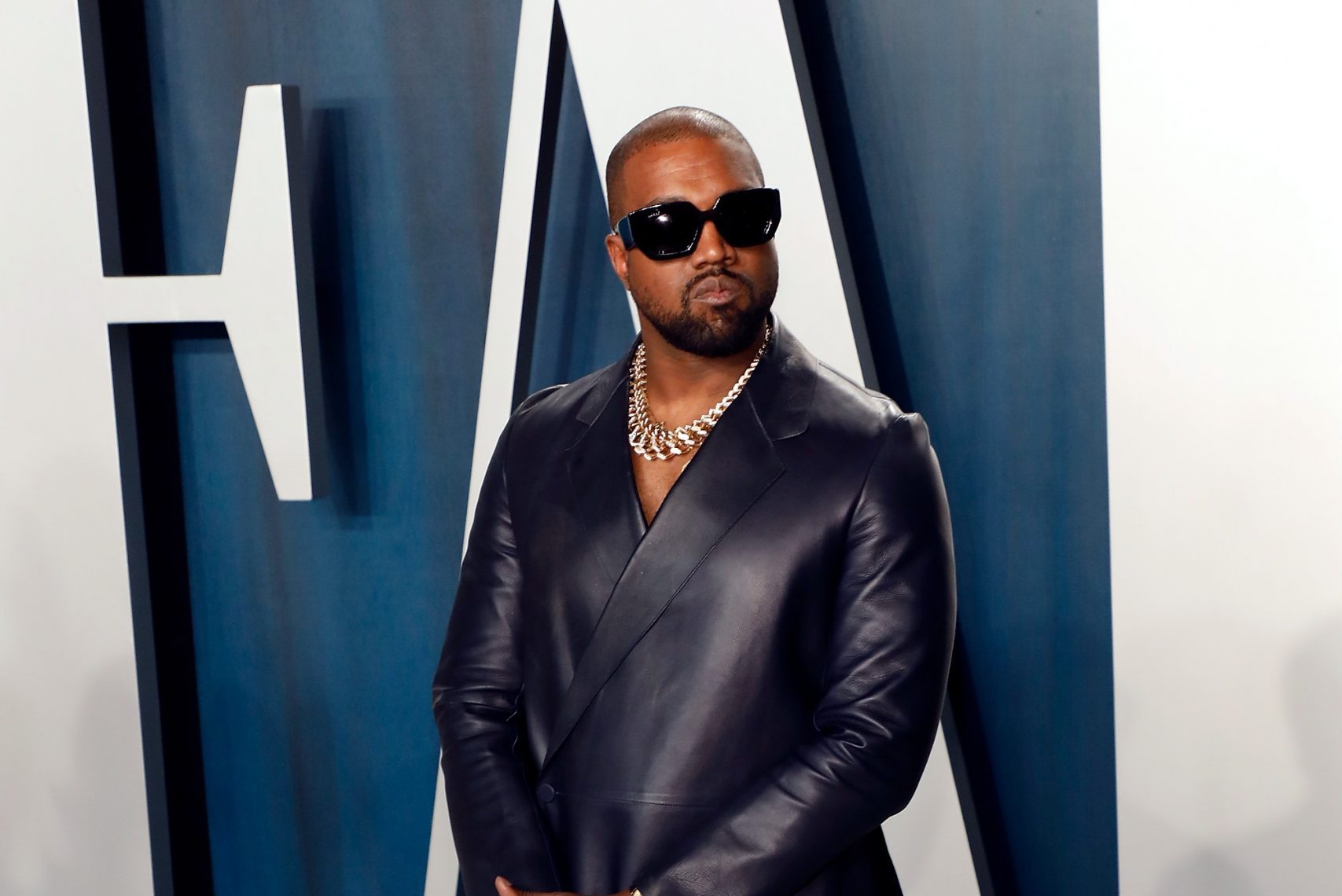
    Kanye West’s foray into the cryptocurrency world has hit a snag, as his Instagram account was reportedly hacked shortly after the launch of his new venture, YZY Money. The Chicago visionary entered the crypto space on August 20, but this social media compromise has added to the rocky start for his new digital currency.

    Warning Issued Via X Account

    West took to his X account to alert fans about the breach. “My Instagram has been hacked and it’s following a fake coin,” he posted, as reported by Billboard. Following this announcement, Kanye unfollowed the fraudulent Instagram account, which used the handle yzytkn and had a fraudulent QR code in its posts, drawing warnings from users in the comments section.

    For clarity, the authentic YZY Money Instagram account operates under the handle yzy_mny. This official account boasts over 5,000 followers, follows Kanye West back, and features a link to the YZY Money website, distinguishing it from the fake profiles like yzymny that have surfaced.

    Volatility Plagues YZY Money

    The challenges for YZY Money began shortly after its launch on the Solana blockchain. The meme coin has experienced significant volatility, with its value plummeting from an initial $3 billion valuation to around $349 million. The price per coin has also seen drastic fluctuations, dropping from over $3.00 to as low as $0.91. This instability has left potential investors uncertain about the project’s future.

    Beyond the cryptocurrency itself, other aspects of the initiative, such as “Ye Pay” and the “YZY Card,” are also contributing to investor uncertainty. Hopefully, Kanye West can regain control of his social media and stabilize the YZY Money project soon.

    What are your thoughts on the security challenges faced by Kanye West’s YZY Money launch? Share your opinions in the comments below!

  • Drake vs. Stake: Can’t Withdraw Funds?

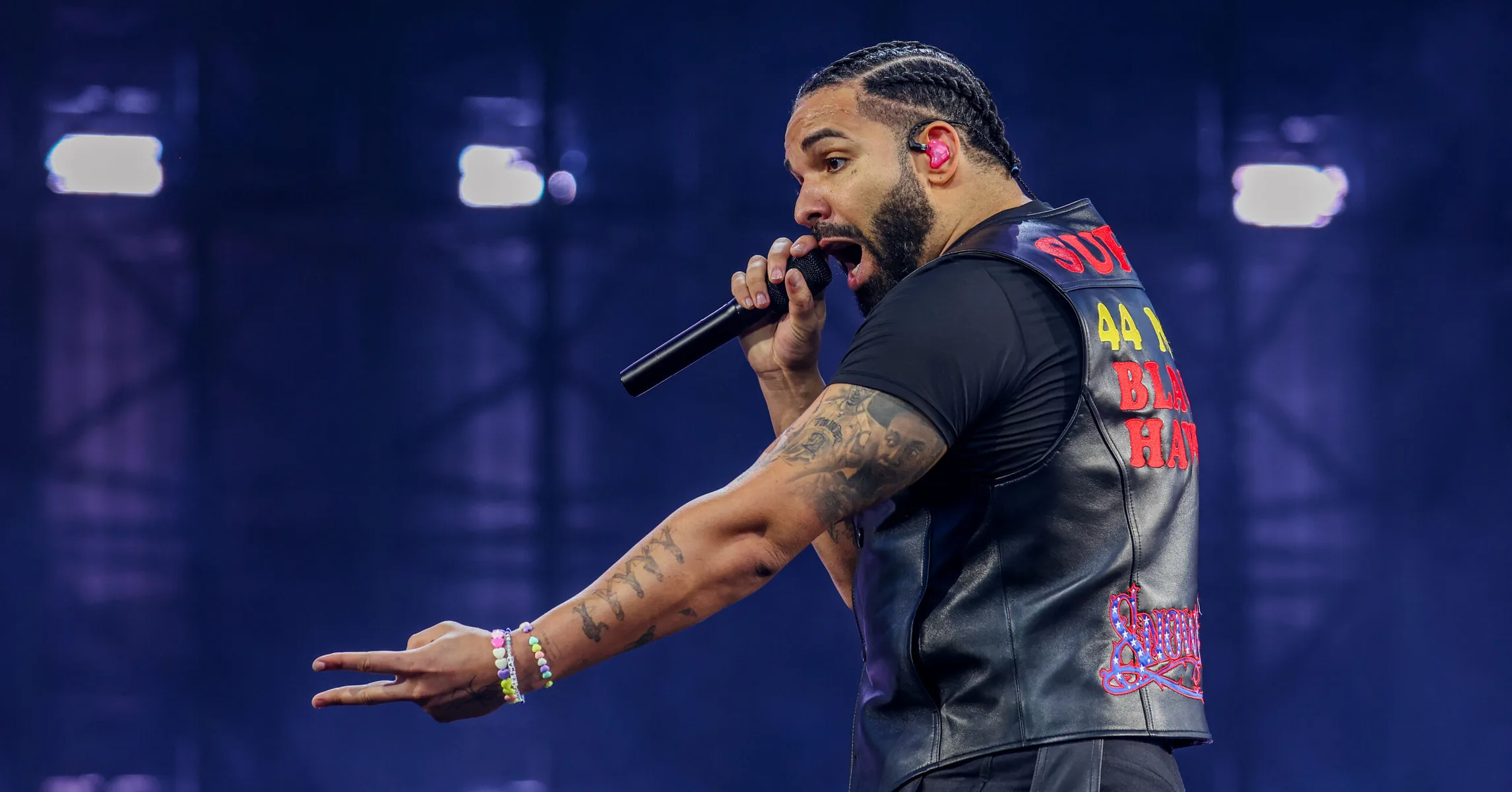
    It seems Drake’s relationship with the streaming platform Kick and its associated crypto casino, Stake, has hit a major snag. After a recent public airing of grievances, Drake took to Instagram to express his frustration, revealing he’s been unable to withdraw funds from his Stake account and questioning if the platform’s actions are “personal.”

    Blocked Withdrawals and Public Accusations

    Drake shared a screenshot on his Instagram Story showing a customer service response stating that his withdrawal attempts could not be processed. He captioned it, “4 withdraw attempts blocked on @stake with no explanation. Is it personal?” This public call-out suggests a significant breakdown in his relationship with the platform.

    This situation follows Drake’s earlier issues with Kick, the platform co-owned by Stake’s founders, Bijan Tehrani and Ed Craven. Drake’s Kick account reportedly vanished after he voiced complaints about the platform preventing him from sharing affiliate links during streams. Drake had previously been a vocal supporter of Stake, even streaming with Adin Ross on the platform as recently as August 10.

    Feuds and Future Plans

    Adding another layer to the drama, Drake had expressed interest in boxing Stake co-founder Ed Craven, even joking with Adin Ross that he’d fight him or Tehrani at a Walmart. Drake also reportedly referred to Craven as a “snake” and accused him and Tehrani of wanting “smoke with ovo,” comparing himself to Stephen Curry and the Stake founders to the Golden State Warriors.

    Furthermore, Drake and Adin Ross pledged to cover the funeral costs for a French streamer, Jean Pormanove, who tragically passed away after a prolonged period of alleged humiliation and abuse during a 10-day broadcast. This situation underscores the complex and often controversial nature of the streaming world Drake operates in.

    The End of an Era?

    With each new development, the working relationship between Drake and Kick/Stake appears to be deteriorating. The inability to withdraw funds and the public accusations suggest that this partnership may be effectively over, leaving fans to wonder what’s next for the rapper in the streaming and crypto space.

    What do you think about Drake’s issues with Stake? Is it really “personal,” or just business? Let us know your thoughts in the comments below!

  • Kanye West’s YZY Token: Explosive Launch, Rapid Crash

    Kanye West, also known as Ye, has officially entered the cryptocurrency arena with the launch of his new token, YZY. The Solana-based meme coin experienced one of the most explosive market debuts of the year, but its meteoric rise was followed by an equally dramatic crash, all within a matter of hours. This volatile debut has sparked significant concerns about insider trading and market control.

    A Rollercoaster Ride in the Crypto Market

    Shortly after going live, the YZY token surged by nearly a thousand percent, briefly achieving a market capitalization of $3 billion. However, this impressive peak was short-lived. According to CoinGecko, the token’s value plummeted to around $137 million shortly thereafter. Despite this sharp decline, trading activity remained intense, with YZY recording over $386 million in daily trading volume.

    The concentration of token ownership has already raised red flags. Market data reveals that the six largest wallets collectively hold more than 90% of all YZY tokens, indicating a significant level of control by a small group of investors. This distribution pattern is often a hallmark of tokens susceptible to manipulation.

    Insiders Profit Amidst the Chaos

    Evidence suggests that insiders were quick to capitalize on the token’s rapid ascent. A report from Lookonchain detailed how an insider invested $450,000 into YZY tokens and, after selling a significant portion for $3.37 million, still held tokens worth over $510,000, realizing a profit of more than $3.4 million. Notably, one wallet paid a substantial $24,000 in priority fees to ensure early access.

    Ye formally announced the coin’s release via Twitter, promoting Yeezy Money as a platform designed to “put you in control, free from centralized authority.” The platform also outlined plans for Ye Pay, a crypto payment processor, and the YZY Card. This venture marks Ye’s first major foray into cryptocurrency, drawing immediate global attention and placing YZY at the center of discussions about the risks and potential rewards of celebrity-endorsed digital assets.

    What are your thoughts on the launch and crash of the YZY token? Do you think celebrity-backed cryptocurrencies are a good investment? Share your opinions in the comments below!