Tag: Courtroom

  • Cardi B vs. Tasha K: Court Battle Heats Up

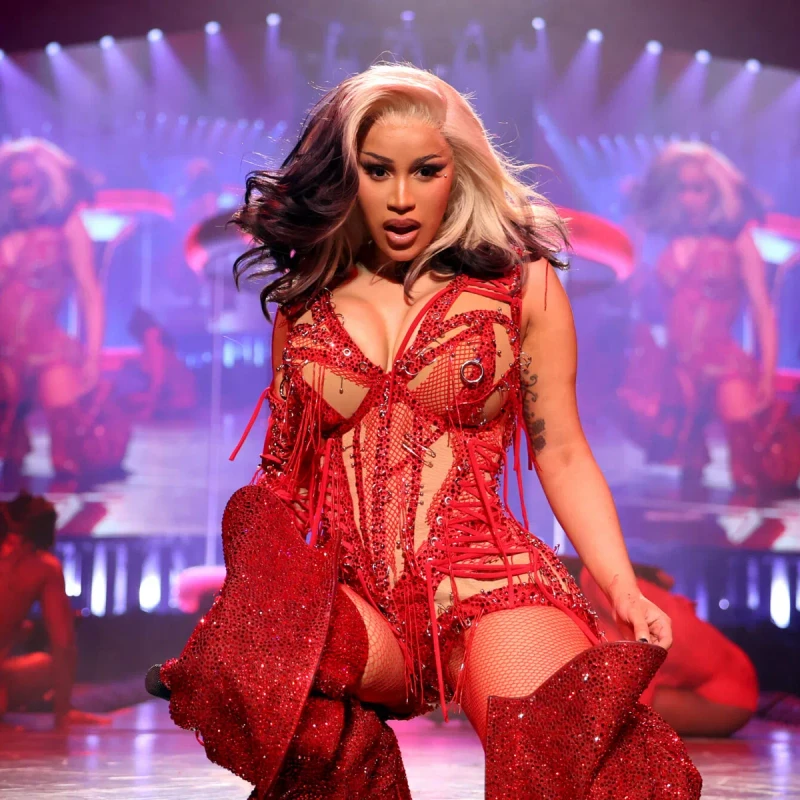
    It seems the legal drama between rap superstar Cardi B and controversial YouTuber Tasha K is far from over! Get ready for another courtroom showdown, as Cardi B is accusing Tasha K of repeatedly violating their non-disparagement agreement. This ongoing saga is heating up, with a new hearing scheduled for May 6th in Fort Lauderdale.

    Allegations of Repeated Violations

    According to reports, Cardi B’s legal team claims Tasha K has broken the terms of their agreement at least 25 times. This comes after Tasha K lost a high-profile defamation case, which resulted in a hefty $3.9 million judgment in Cardi B’s favor. To manage the financial repercussions, Tasha K filed for bankruptcy and agreed to a repayment plan.

    This settlement included paying $1.2 million over five years, submitting financial records quarterly, and crucially, refraining from making any disparaging remarks about Cardi B or her family. However, Cardi’s attorneys allege that Tasha K has not upheld her end of the bargain.

    Coded Language and Indirect Attacks

    The new court filings suggest that Tasha K has been using coded language, deleting posts, and shifting her discussions across various platforms to talk about Cardi B indirectly. While the references might not always be explicit, Cardi’s legal team argues that the intent is clear and that these actions violate both the spirit and the letter of their agreement.

    Cardi B is now asking the court to impose what her lawyers describe as “economically painful” sanctions. This means they are seeking financial penalties that could increase with each alleged violation. They also want a stricter order that would explicitly prevent Tasha K from mentioning Cardi B, her husband Offset, or even their children across any platform.

    What’s at Stake?

    The judge’s decision in this case could have significant implications. It’s not just about Cardi B and Tasha K; it could set a precedent for how non-disparagement clauses are enforced in high-profile legal disputes involving public figures and online content creators. All eyes are on the courtroom as this intense legal battle continues to unfold.

    What do you think about this ongoing legal battle? Let us know your thoughts in the comments below!

  • Tech Founder Uses AI Lawyer in Court

    Imagine walking into court and your opponent isn’t quite who you expected. That’s exactly what happened when tech founder Jerome Dewald attempted to use an AI avatar to argue his appeal, leaving the New York courtroom momentarily stunned. The 74-year-old entrepreneur hadn’t informed the court beforehand, leading to a surprising and somewhat awkward encounter.

    An Unexpected Digital Advocate

    Dewald, representing himself in an appeal against MassMutual Metro New York, had received permission to submit a pre-recorded video due to health challenges following throat cancer. However, during the March 26 hearing, the screen displayed not Dewald himself, but “Jim,” a computer-generated character created using the AI tool Tavus. The court session, streamed live on YouTube, was not prepared for this digital intervention.

    The AI lawyer began its presentation with a formal address: “Now may it please the court, I come here today a humble pro se before a panel of five distinguished justices.” This formal opening was quickly met with skepticism from Justice Sallie Manzanet-Daniels, who interrupted to question if the speaker was indeed the counsel for the case.

    Judges’ Reaction and Courtroom Warning

    Upon Dewald admitting the image was not real, the panel of New York judges expressed their displeasure. Justice Manzanet-Daniels stated, “It would have been nice to know that when you made your application. You did not tell me that, sir. I don’t appreciate being misled.” The justices ultimately allowed Dewald to present his case in person but issued a stern warning: the courtroom is not a testing ground for new technologies.

    Dewald later shared that he felt the judges were “unprepared to see an artificially generated image.” He noted that the tone seemed to soften once he began arguing his case live, suggesting that the novelty of the AI presentation was the primary cause of the initial consternation.

    AI in the Legal Arena: A Growing Trend?

    Dewald’s stunt isn’t the first time AI has made an appearance in legal proceedings. We’ve seen documented instances of lawyers using AI to draft legal briefs. However, this technology is not without its pitfalls; errors, including the creation of fictional legal precedents, have led to significant sanctions for some legal professionals.

    For example, The Guardian reported on an Australian lawyer who faced severe penalties for using AI that generated fictitious precedents. This incident resulted in the lawyer’s certificate being varied, restricting their practice significantly. These cases suggest that while AI offers powerful tools, its integration into the legal field requires careful oversight and regulation.

    The Pace of Regulation vs. Growth

    These incidents highlight a broader challenge: the rapid advancement of AI is outpacing the development of regulations. It remains to be seen how artificial intelligence will ultimately be integrated into courtroom practices, but it’s clear that the legal landscape is on the cusp of significant change.

    What do you think about using AI in legal proceedings? Should it be embraced or strictly regulated? Share your thoughts in the comments below!