Tag: Copyright Lawsuit

  • Kanye West’s Courtroom Joke About ‘N***** In Paris’

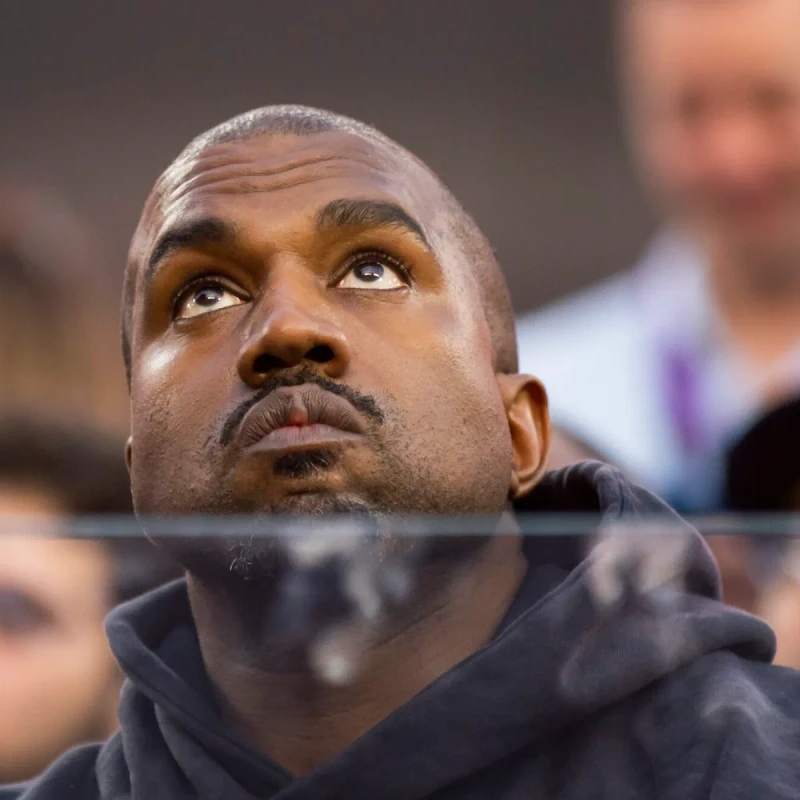
    Even in the midst of a copyright trial, Kanye West knows how to command attention – and elicit a laugh. The artist, currently facing accusations over a sample used in his ‘DONDA’ listening event, had the courtroom in stitches with a witty remark about one of his most iconic songs.

    A Hilarious Courtroom Exchange

    During the trial on Wednesday, Kanye, also known as Ye, took the stand to address claims from four producers – DJ Khalil, Sam Barsh, John Mease, and Dan Seeff – who allege he used an uncleared sample from their song, “MSD PT2,” on the “Hurricane Demo.” As his attorney questioned him about his music career and sampling process, a specific query about a Grammy win led to the memorable moment.

    Ye’s attorney asked if he had ever won a Grammy for the song “Brothers in Paris.” This, of course, is a censored version of his massive hit, “N***** in Paris,” featuring Jay-Z. Ye’s immediate, playful response? “What’s the real name?” The courtroom erupted in laughter.

    Addressing the Sample Accusations

    Beyond the joke, Ye became serious when addressing the core accusations. He firmly stated that he always follows proper procedures for clearing samples and takes pride in giving credit and compensation where it’s due. “We went through the normal process to get it taken care of,” Ye asserted. “I pride myself on giving people what they deserve. I feel like a lot of people try to take advantage of me.”

    Currently, the producers can only seek compensation for revenue generated during the listening event. A larger lawsuit concerning royalties for the songs “Hurricane” and “Moon” was previously dismissed. This legal battle comes shortly after the release of Ye’s album ‘Bully,’ which has garnered mixed reviews.

    What do you think of Kanye West’s courtroom joke? Share your reactions in the comments below!
  • Cam’ron’s J. Cole Lawsuit Payout Blocked

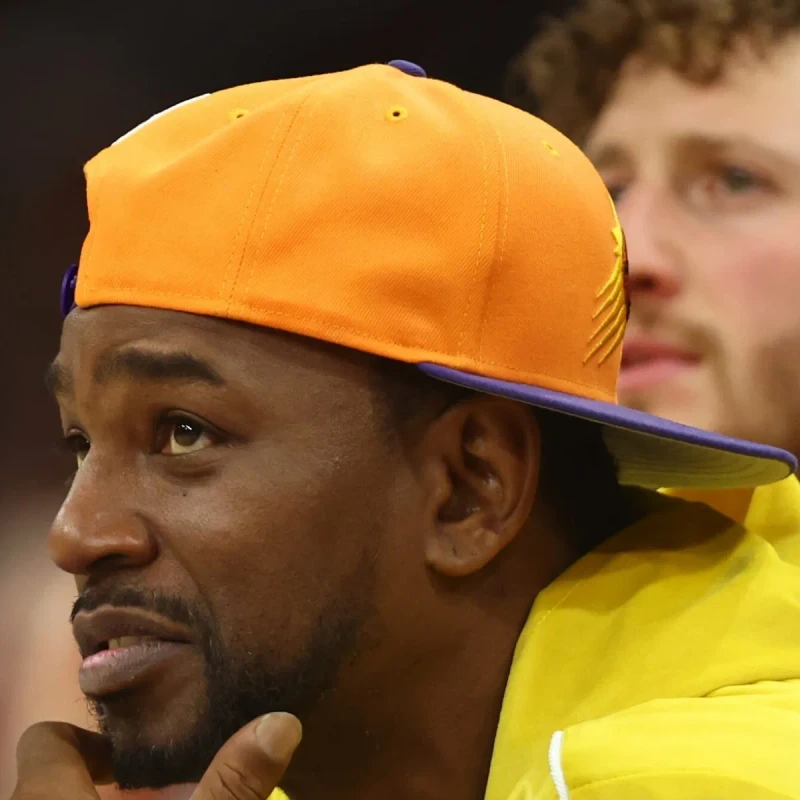
    It seems like Cam’ron’s legal battles are far from over, and a recent development has complicated his high-profile lawsuit against J. Cole. While Killa Cam is seeking a significant payout from his “Ready ’24” collaboration dispute, a previous legal issue means any potential winnings might not be his to keep just yet.

    A Photographer’s Lien Creates a Hurdle

    According to an exclusive report from AllHipHop, Cam’ron has been hit with a federal lien from a photographer named Djamilla Rosa Cochran. This lien stems from a successful copyright infringement lawsuit where Cam’ron was ordered to pay a $50,000 judgment. The issue arose from his use of photographer’s images for his merchandise without proper licensing.

    This means that if Cam’ron wins his lawsuit against J. Cole and Universal Music Group, any money he’s awarded will first have to go towards settling this outstanding $50,000 debt. While the $500,000 he’s seeking in the Cole lawsuit might seem substantial enough to cover the lien, it definitely complicates the process and could delay any payout.

    What’s the Deal with the J. Cole Lawsuit?

    The lawsuit against J. Cole reportedly stems from their collaboration on the track “Ready ’24” from Cole’s album “Might Delete Later.” The story goes that Cam’ron felt he wasn’t properly compensated for his verse. He allegedly expected J. Cole to either provide a verse in return or make an appearance on Cam’ron’s show, “It Is What It Is.” These expectations, according to the lawsuit, were not met.

    In addition to seeking payment, Cam’ron is also asking for proper credit and royalties for “Ready ’24” if J. Cole doesn’t fulfill his end of the alleged bargain. Neither J. Cole nor his team have publicly addressed the lawsuit, leaving fans to wonder how this will unfold.

    Cam’ron’s Comments (or Lack Thereof)

    When asked about the lawsuit, Cam’ron has remained largely tight-lipped. He recently declined to discuss the legal battle on his “Talk With Flee” podcast. However, he did offer some praise for J. Cole, calling him a “rap legend” with “100 percent” certainty. Despite the press, he steered clear of any further details regarding the case.

    What do you think about the complications in Cam’ron’s lawsuit against J. Cole? Let us know your thoughts in the comments below!

  • DJ Vlad vs. Joyner Lucas: Lawsuit Sparks Social Media Feud

    Things are heating up in the hip-hop world as DJ Vlad has filed a copyright infringement lawsuit against rapper Joyner Lucas. The situation quickly escalated into a public spat on social media, with both parties trading accusations and defending their actions. It all started when Lucas reposted an interview clip from VladTV without proper credit, allegedly costing Vlad potential earnings.

    The Lawsuit and Lucas’s Response

    DJ Vlad explained in a recent interview on Wack 100’s show that the lawsuit stems from Joyner Lucas sharing one of his interview clips. Vlad claims this unauthorized use impacted his ability to monetize his content. In true Joyner Lucas fashion, the rapper didn’t hold back on social media, accusing Vlad of seeking clout and resorting to petty legal measures to get an interview.

    However, Vlad fired back, labeling Lucas the real “clout-chaser” and suggesting that both Lucas and his manager “do not seem very smart.” Vlad emphasized his need to protect his intellectual property, especially when viral content generates significant engagement. He also pointed out that Lucas reposted content making fun of UK rappers, even though Lucas has publicly stated he dislikes Vlad’s approach.

    Accusations and Counter-Accusations

    Vlad mentioned he had been in contact with Lucas’s manager about setting up an interview before the lawsuit drama unfolded. He felt blindsided by the legal action, especially since Lucas had allegedly been open to an interview previously. Vlad sees the lawsuit as a necessary step to protect his content and business interests, particularly when his material is used without permission and generates buzz.

    Adding another layer to the online drama, DJ Vlad also took aim at Rory, calling him out for his past criticisms and perceived racism. Vlad tweeted, “Rory spent years talking s**t about me, trying to push the ‘I’m white but I’m not like Vlad’ narrative… Now, everyone sees that Rory has always been racist towards black women. I’m nothing like him.” This broadens the scope of Vlad’s public commentary beyond just the Lucas situation.

    What’s Next?

    For now, it appears this legal battle between DJ Vlad and Joyner Lucas is heading to court. The situation highlights the ongoing challenges artists and media personalities face in protecting their content in the digital age. It also underscores the volatile nature of online interactions within the hip-hop community.

    What are your thoughts on the DJ Vlad and Joyner Lucas lawsuit? Who do you think is in the right? Share your opinions in the comments below!

  • Lil Uzi Vert Faces $110M Copyright Lawsuit

    It’s been a relatively quiet year for Lil Uzi Vert, but that changed dramatically this week with the revelation of two major lawsuits. The latest and most significant is a staggering $110 million copyright infringement claim filed by Rochester, New York-based artist Rief Rawyal, focusing on Uzi’s massive 2022 hit, ‘Just Wanna Rock.’

    Allegations of Near-Identical Copying

    Rief Rawyal, whose legal name is Sharrief K. Bouchet, alleges that Lil Uzi Vert (real name Symere Woods) copied virtually every element of his track, ‘Pain and Pleasure,’ which was released in August 2022, just two months before ‘Just Wanna Rock.’ The lawsuit claims Uzi copied the original hook, melody, theme, and even the distinctive chant “When I rock ah ah” from Rawyal’s song.

    The similarities are reportedly so striking that forensic musicologist Brian McBrearty, founder of Musicologize, found a 93-97% derivation between the two tracks. McBrearty’s analysis points to identical tempo, structure, rhythmic patterns, the signature “ah” chants, and lyrical phrasing around the word ‘rock.’ Both songs also share a tempo within the ‘allegro’ range (130-150 bpm), the same drum pattern, and a rhythmic syncopation known as ‘tresillo.’

    A Clear Pathway for Access?

    Rawyal’s lawsuit further alleges that his own posts about ‘Pain and Pleasure’ were mysteriously muted or removed from platforms like Instagram and Facebook, while ‘Just Wanna Rock’ gained widespread popularity. He claims that Lil Uzi Vert, Atlantic Records, and other associated entities had direct access to his material. Specifically, Rawyal alleges he was collaborating with Atlantic Records and Lanre Gaba, the current president of Hip-Hop, R&B and Global Music at the label, providing Gaba with original songs and demos. This, Rawyal contends, created an “institutional pathway” for Uzi and their team to access and allegedly copy his work.

    The defendants named in the lawsuit include Lil Uzi Vert, Atlantic Records, Generation Now, Roc Nation, and Warner Music Group. Rawyal is seeking $110 million in damages, citing lost streaming revenue, sync and licensing deals, and reputational harm. He also wants retroactive publishing credit, an ownership share, and an injunction to stop any further use of the song.

    Legal Troubles Mount

    This copyright battle comes at a hectic time for Lil Uzi Vert, who is also reportedly facing a separate sexual harassment lawsuit from a former assistant. While Roc Nation is also listed as a defendant, reports suggest they may have already been dropped from the copyright case. This situation highlights the complex legal landscape artists navigate in the music industry.

    What are your thoughts on the similarities between ‘Just Wanna Rock’ and ‘Pain and Pleasure’? Do you think Lil Uzi Vert copied Rief Rawyal’s song? Let us know in the comments!

  • French Montana Wins Sampling Lawsuit on Technicality

    It’s been a six-year legal battle, but French Montana has officially won a copyright lawsuit brought against him by producer Eddie Lee Richardson. Richardson, who goes by the name Hotwire The Producer, accused the rapper of illegally sampling his instrumental track “Hood Pushin’ Weight” for French’s 2013 hit song “Ain’t Worried About Nothin’.”

    A Close Call: The Ruling Explained

    While French Montana comes out on top, the ruling from the U.S. Court of Appeals for the Seventh Circuit on October 17 wasn’t exactly a landslide. Judge Candace Jackson-Akiwumi acknowledged the striking similarity between the two instrumentals, stating, “We agree with Richardson that HPW’s beat, to the naked ear, seems indistinguishable from the beat in AWAN.” However, she added that “opinions and allegations unsupported by facts are not enough.”

    So, if the beats sounded so similar, why did Richardson lose? The key issue was a technicality with his copyright registration. Instead of registering the musical composition, Richardson filed for the sound recording. Under U.S. copyright law, this means infringement only occurs if the sound recording itself is directly copied, not merely imitated.

    The Legal Hurdles and Outcome

    Judge Jackson-Akiwumi pointed out that Richardson failed to provide sufficient evidence, either direct or indirect, to prove that French Montana had duplicated “Hood Pushin’ Weight” when producing “Ain’t Worried About Nothin’.” Without this proof, the claim couldn’t stand, despite the perceived sonic similarities. It seems imitation, in this legal context, wasn’t enough to constitute infringement.

    While Richardson leaves the courtroom disappointed, French Montana can celebrate this victory. This legal win comes on the heels of positive personal news for the rapper, who recently got engaged to Sheikha Mahra, the Princess of Dubai. Details about their upcoming wedding are still unknown.

    If it is any consolation, imitation is the sincerest form of flattery. — Judge Candace Jackson-Akiwumi

    What do you think about this sampling lawsuit outcome? Let us know your thoughts in the comments below!

  • Future Sued Over Dungeon Family House Photo Use

    Rapper Future is currently at the center of a copyright lawsuit concerning the alleged unauthorized use of a photograph featuring the iconic Dungeon Family house. Photographer Garey C. Gomez filed the complaint, claiming that Future and his associated companies used the image on the cover of his release, “Mixtape Pluto,” as well as on merchandise sold both online and in stores, without proper licensing or payment.

    Allegations of Copyright Infringement

    Gomez reportedly discovered the alleged infringement in October 2023 and attempted to negotiate a resolution with Future’s team, but no agreement was reached. The lawsuit names Titol Retail, LLC and Wilburn Holding Company, Inc., both linked to Future’s Freebandz brand, as co-defendants. Gomez asserts that he never granted permission or received compensation for the use of his photograph.

    The photographer is seeking monetary damages, profits generated from the artwork, and a court order to prevent further use of the image. The lawsuit alleges that Future and his companies engaged in willful copyright infringement and violated federal law by distributing false copyright management information.

    The Significance of the Dungeon Family House

    “Mixtape Pluto” debuted at number one on the Billboard 200, marking Future’s third chart-topping album of 2024. The project was noted for revisiting the style of his early mixtapes and served as a tribute to the late Atlanta Hip-Hop pioneer Rico Wade and the Dungeon Family legacy. The Dungeon, located in the basement of Rico Wade’s mother’s home in East Point, Georgia, was the creative hub for Organized Noize—the production trio of Wade, Sleepy Brown, and Ray Murray. This space was instrumental in shaping Southern Hip-Hop in the 1990s, producing landmark tracks for artists like OutKast, Goodie Mob, and TLC. In 2019, Big Boi of OutKast purchased the house to preserve its cultural significance.

    What are your thoughts on this copyright lawsuit involving Future and the Dungeon Family house photo? Do you think artists should be more careful about image usage? Share your opinions in the comments below!

  • GloRilla Fights Copyright Lawsuit Over “BBL” Lyric

    Rapper GloRilla is fighting back against a copyright lawsuit that claims she stole the phrase “all natural, no BBL.” The suit was filed earlier this summer by Natalie Henderson, who alleges GloRilla used the phrase in her lyrics without permission. However, GloRilla’s legal team is arguing that the expression is far too common to be protected by copyright.

    A “Cliche” Phrase, Not Copyrightable?

    In a filing on September 8th, GloRilla’s attorneys argued that the phrase, which refers to someone with a natural physique rather than one enhanced by a Brazilian Butt Lift (BBL), is simply too everyday and overused to warrant copyright protection. “The phrase ‘natural[e], no BBL’… is too common, everyday, trite, and cliched to be protectable by copyright,” the lawyers stated.

    The motion further contends that the phrase isn’t original and therefore not copyrightable. GloRilla’s team also pointed out that any listener would easily conclude the two songs aren’t substantially similar. They also cited seven other songs that use similar wording, suggesting the phrase is widespread.

    The Lyric in Question

    The specific lyric at the center of the dispute comes from GloRilla’s 2024 track “Never Find,” featured on her Billboard 200 charting album *GLORIOUS*. The line in question is: “Natural, no BBL/ but I’m still gon’ give him hell.” Henderson’s song reportedly uses the phrase as, “All natural, no BBL/ Mad hoes go to hell.” Henderson’s attorneys had previously argued that the similarities between the two songs were unmistakable, claiming a layperson could find them essentially identical.

    Furthermore, GloRilla’s legal team argued that there’s no concrete evidence that she ever heard Henderson’s song, making the claim of unauthorized usage even weaker. This isn’t the first time GloRilla has faced legal challenges; she was previously sued over unlicensed samples in 2023, but that case was dismissed last year.

    A Common Phrase in Music

    The legal battle highlights a common issue in music: the use of everyday language and popular slang. While artists draw inspiration from the world around them, the line between common expression and copyright infringement can be blurry. GloRilla’s defense hinges on the idea that this particular phrase is so widespread it belongs in the public domain of language, not under exclusive copyright.

    What do you think about GloRilla’s defense? Is the phrase “all natural, no BBL” too common to be copyrighted? Share your thoughts in the comments below!

  • Kanye West Sued Over “DONDA 2” Sample

    Kanye West, known for his innovative use of samples, is once again finding himself in legal hot water. The controversial Chicago rapper is facing a new copyright lawsuit concerning his 2022 album “DONDA 2.” The suit alleges that West sampled soul singer Sam Dees’ 1975 track “Just Out Of My Reach” without obtaining the necessary permissions.

    Allegations of Copyright Infringement

    The lawsuit was filed in federal court on Thursday, September 4th, by The GRC Trust, acting on behalf of the Ginn Music Group. This Atlanta-based company holds the publishing rights to Sam Dees’ music catalog. The specific track under scrutiny is “LORD LIFT ME UP,” a collaboration between Kanye West and Vory.

    A comparison of the two songs reveals a clear use of Dees’ original work. Kanye West appears to have looped the opening seconds of “Just Out Of My Reach” throughout the nearly two-and-a-half-minute runtime of “LORD LIFT ME UP.” The lawsuit asserts copyright infringement claims against Kanye West, his company Yeezy LLC, and featured artist Vory (Tavoris Javon Hollins).

    Beyond the Artists: Stem Player Also Named

    The legal action doesn’t stop at the artists. The GRC Trust has also named Kano Computing and its founder, Alex Klein, in the lawsuit. Kano Computing was instrumental in developing the Stem Player, the exclusive device through which “DONDA 2” was initially released in February 2022. The filing states, “At no point… did defendants obtain authorization from GRC to use the composition in connection with the infringing work. Defendants continue to exploit and receive monies from the infringing work, respectively, in violation of GRC’s rights in his composition.”

    The plaintiffs are seeking a legal injunction, along with specific monetary rewards that include “all profits of defendants… plus all losses of GRC, plus any other monetary advantage gained by the defendants through their infringement.”

    Lawsuit Arrives Ahead of New Documentary

    This lawsuit comes just weeks before the premiere of Kanye West’s new documentary, “In Whose Name?” The film, which has been discussed for about a year, covers the period from 2018 to 2024 and is expected to delve into topics such as his divorce from Kim Kardashian and his controversial antisemitic remarks. The documentary is set to premiere in select theaters and will likely generate further discussion around West’s public image and business dealings.

    What are your thoughts on this sampling lawsuit against Kanye West? Do you think the use of the sample was infringing? Let us know in the comments below!

  • George Clinton Wins Funk Catalog Lawsuit

    Funk legend George Clinton has scored a major legal victory, prevailing in a federal court battle over the ownership of the Parliament-Funkadelic music catalog. A judge has dismissed claims made by the estate of the late keyboardist Bernie Worrell, who had argued for co-ownership and royalties on hundreds of classic funk tracks.

    Dismissal of Co-Ownership Claims

    The lawsuit, filed in 2022 by Judie Worrell, manager of Bernie Worrell’s estate, argued that the late musician, a key member of Parliament-Funkadelic from 1969 to 1981, should be recognized as a joint owner of 264 P-Funk songs. These include timeless hits like ‘Flash Light’ and ‘One Nation Under a Groove.’ The estate sought rights to the royalties generated by these tracks.

    Statute of Limitations Cited in Ruling

    However, on September 4th, Judge F. Kay Behm in Detroit ruled that the case fell outside the statute of limitations for copyright claims. The judge noted that copyright infringement claims typically must be brought within three years of the claimant knowing their work may have been infringed upon. “Unfortunately for plaintiff, Worrell was not reasonably diligent in protecting his alleged co-authorship or ownership rights for decades,” Behm stated in the ruling.

    Decades of Legal Disputes

    George Clinton’s attorney, Jim Allen, expressed satisfaction with the ruling, telling Billboard, “The court brought closure to 50 years of false and malicious accusations.” He added, “George Clinton is a musical genius, and it is unfortunate that he has had to endure these erroneous allegations for the past several years.” This decision marks the latest chapter in a long history of legal clashes between Clinton and Worrell, dating back to the 1980s over sound recording royalties. The Worrell estate had pursued multiple lawsuits even after Bernie Worrell’s death in 2016.

    Ongoing Catalog Battles

    Clinton has also been involved in other legal disputes concerning his music catalog, notably with former agent Armen Boladian of Bridgeport Music, which reportedly controls 90 percent of Clinton’s publishing rights. Clinton sued Boladian earlier this year, alleging fraud and deception in how control of his catalog was obtained, claims that Boladian has denied. The Worrell estate did not respond to requests for comment regarding the latest ruling.

    What are your thoughts on this legal victory for George Clinton and the legacy of Parliament-Funkadelic? Share your opinions in the comments below!

  • Kanye West Faces Legal Fees Over “Donda” Lawsuit

    Kanye West, often in the headlines for his creative endeavors and public statements, is now facing substantial legal fees stemming from a copyright infringement lawsuit related to his 2021 album, “Donda.” Reports indicate that West neglected crucial discovery requests, leading a judge to impose a hefty penalty.

    The “Donda” Copyright Dispute

    The lawsuit, filed in 2023 by plaintiffs Artist Revenue Advocates, LLC, alleges that Kanye West, also known as Ye, used material from DJ Khalil and two other musicians without proper clearance on the tracks “Hurricane” and “Moon.” Despite these individuals being credited as producers and songwriters, the plaintiffs claim their music was used without permission.

    During the discovery process, the plaintiffs submitted 65 document requests. However, West’s legal team reportedly refused to comply, prompting the plaintiffs to ask the court for accountability. The judge sided with the plaintiffs, ordering Kanye West and his associated companies to pay $52,015 in attorney fees and to provide the outstanding discovery documents.

    Legal Ramifications and Ongoing Battles

    It’s important to note that this ruling is specifically about the failure to provide discovery, not a final judgment on the copyright infringement claims themselves. While West’s lawyers reportedly deemed the fee decision “excessive,” the court stood firm. The plaintiffs contend that the tracks in question, which allegedly contain infringed copyrighted material, generated at least $15 million in revenue.

    This legal battle is just one of many controversies Kanye West has navigated. His creative process often involves sampling, which can lead to copyright challenges. Beyond this lawsuit, recent comments from former collaborator Consequence regarding beefs and industry relationships, as well as discussions around Ye’s sociopolitical views, continue to keep him in the spotlight. An upcoming documentary, “In Whose Name?,” is set to explore the turbulent period between his “The Life Of Pablo” and “VULTURES” eras, promising a deep dive into these narratives.

    What are your thoughts on Kanye West’s ongoing legal challenges? Share your opinions in the comments below!