Tag: Copyright Infringement

  • Kanye West Ordered to Pay $400K in ‘Hurricane’ Sample Lawsuit

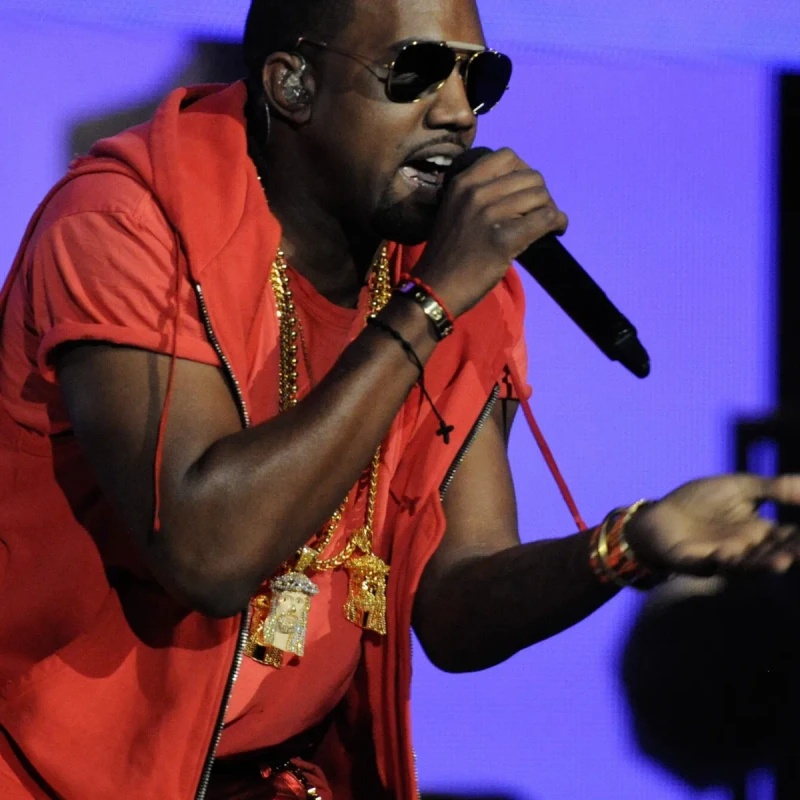
    It appears Kanye West, also known as Ye, will have to open his wallet. A jury recently ruled that he infringed on the copyright of a demo used in an early version of his song “Hurricane,” leading to a hefty payout.

    The Verdict: $400K in Damages

    The verdict, handed down on Tuesday afternoon, requires Ye and his associated companies to pay over $400,000. Ye himself is liable for $176,153, while Yeezy LLC must pay the same amount. Additionally, Yeezy Supply and Mascotte Holdings, companies behind his merchandise, were also found liable, owing $41,625 and $44,627 respectively.

    The lawsuit was filed by Britton Monts, manager for Artists Revenue Advocates, on behalf of four musicians who created the sampled instrumental. The plaintiffs claimed that the one-minute demo, titled “MSD PT2,” formed the “backbone” of “Hurricane,” which features artists like The Weeknd and Lil Baby. While initially excited to hear their work previewed by Ye, the musicians hoped for compensation.

    A ‘Failed Shakedown,’ Says Ye’s Rep

    Despite the jury’s decision, Ye’s team is framing the outcome as a victory. A spokesperson for Ye called the lawsuit a “failed shakedown,” noting that the plaintiffs initially sought $30 million. The spokesperson argued that the Artists Revenue Advocates spent millions fighting the case only to receive a significantly smaller sum, suggesting it’s a lesson about trying to “take advantage of Ye.”

    Ongoing Legal Battles

    Adding another layer to the legal proceedings, Monts indicated that the Artists Revenue Advocates plan to appeal another copyright infringement claim. This potential appeal relates to an alleged interpolation that appeared in the final version of “Hurricane,” which could result in a more substantial financial award.

    Ye’s lawyer, Eduardo Martorell, had previously stated that Ye credited the four musicians as songwriters and registered them for a combined 30 percent share of composition royalties during the court proceedings. However, the jury’s verdict indicates that this was not enough to avoid copyright infringement.

    What are your thoughts on this lawsuit and the verdict? Do you think the artists deserved the payout? Let us know in the comments below!

  • UMG Settles Lawsuit Over Fake Kendrick Lamar Songs

    In a surprising turn of events, Universal Music Group (UMG) has settled a major lawsuit against the music distribution service TuneCore and its parent company, Believe. This legal battle centered on allegations of copyright infringement, specifically involving the distribution of fake remixed songs from popular artists like Kendrick Lamar, Justin Bieber, and Ariana Grande.

    The Allegations of Copyright Infringement

    The lawsuit, filed in 2024, accused Believe and TuneCore of facilitating ‘massive’ copyright infringement. UMG claimed that these platforms allowed ‘fraudulent artists’ to distribute unauthorized sped-up or remixed versions of songs, often using slightly altered names like ‘Kendrik Laamar’ and ‘Jutin Biber.’ UMG argued that TuneCore had become a ‘safe space’ for such infringing content, contributing to their ‘dramatic growth and profitability.’

    Believe and TuneCore, however, denied these allegations, asserting that they take copyright respect ‘very seriously.’ The case highlighted ongoing discussions about the challenges posed by DIY distribution models in the music industry.

    Settlement Details Remain Unclear

    Attorneys for both UMG and Believe/TuneCore jointly requested a federal judge to dismiss the case on April 3, 2026. While the terms of the settlement have not been publicly disclosed, a representative from Believe stated that the litigation was ‘resolved amicably.’ It remains unknown whether TuneCore will be required to change its policies or pay any financial compensation to UMG.

    This settlement comes at an interesting time, as UMG is also involved in an ongoing legal dispute with Drake, who is appealing his dismissed ‘Not Like Us’ lawsuit against the music giant. The resolution of the TuneCore case, even with undisclosed terms, marks the end of a significant legal chapter for UMG concerning copyright protection.

    Focus Shifts Back to Other Legal Battles

    With this lawsuit settled, UMG’s attention can now fully return to its other high-profile legal entanglements, including the ongoing situation with Drake. The music industry continues to navigate the complex landscape of digital distribution, copyright, and artist rights.

    What are your thoughts on this settlement and the issue of fake remixes online? Share your opinions in the comments below!

  • Cardi B Wins Copyright Lawsuit

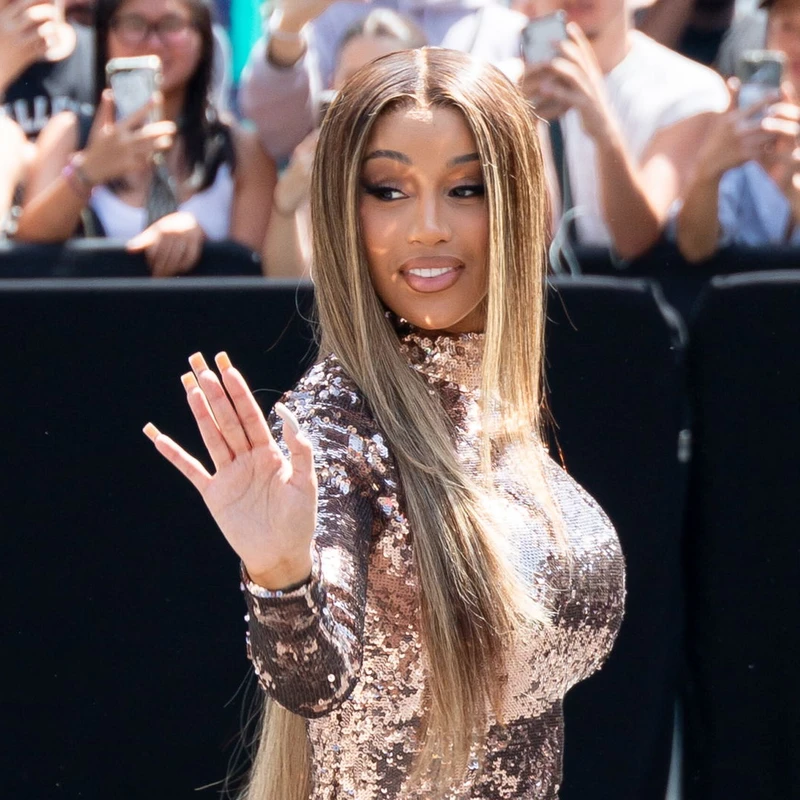
    Cardi B is celebrating another major win in court! A federal judge has officially dismissed a hefty $50 million copyright infringement lawsuit filed against the Grammy-winning rapper. This latest legal victory adds to her ongoing success in defending her work.

    The Case Against ‘Enough (Miami)’

    The lawsuit, brought forth by a group called Kemikal 956 (comprising Joshua Fraustro and Miguel Aguilar), accused Cardi B’s 2024 hit single ‘Enough (Miami)’ of unauthorized sampling. The plaintiffs claimed that the song used elements from their obscure 2021 instrumental track, ‘Greasy Frybread,’ alleging that the bass line and percussion patterns were strikingly similar to their work.

    However, the court found that the musical elements in question were too common to warrant copyright protection. U.S. District Judge Fernando Rodriguez Jr. ultimately ruled in favor of Cardi B and her label, Atlantic Records, citing significant procedural failures by the plaintiffs.

    Key Reasons for Dismissal

    The judge’s decision hinged on several critical points. Firstly, the court determined there was a lack of personal jurisdiction over Cardi B and her labels, as they are not primarily based in Texas, where the lawsuit was filed. Her national tour stops in the state were not considered sufficient grounds for legal jurisdiction.

    More importantly, the plaintiffs had not secured a federal copyright registration for ‘Greasy Frybread’ at the time of filing. This procedural misstep invalidated their original claim under federal law. Attempts to reframe the case under Texas state law were also dismissed, as they were preempted by the Federal Copyright Act.

    Continuing the Fight Against Tasha K

    This victory comes as Cardi B continues her pursuit of collecting a nearly $4 million defamation judgment awarded to her against blogger Tasha K in 2022. Despite Tasha K’s attempts to use bankruptcy and offshore operations to avoid payment, Cardi B’s legal team remains aggressive in pursuing her assets, seeking information on wire transfers and offshore earnings.

    What are your thoughts on Cardi B’s latest legal win? Do you think the copyright claims were valid? Let us know in the comments below!

  • Lizzo Sued Over Unreleased Song Sample

    It looks like Lizzo is in hot water over an unreleased song! The Grammy-winning artist is being sued for copyright infringement. The lawsuit centers around a snippet of a song she shared online, which allegedly samples a 1970s soul track without proper authorization.

    The Song and the Sample

    The track in question, which has not been commercially released, gained attention over the summer when Lizzo posted snippets on TikTok and Instagram. What made it particularly buzzworthy was a line referencing actress Sydney Sweeney and her controversial American Eagle commercial. In the song, Lizzo rapped, “I got good jeans like I’m Sydney,” a play on the commercial’s tagline about Sweeney having “good jeans.”

    However, the core of the lawsuit isn’t about the celebrity shout-out. Attorneys for GRC Trust claim that Lizzo used an unauthorized sample of “Win or Lose (We Tried),” a groovy R&B song written by Sam Dees back in the 1970s. This alleged unauthorized use is what has prompted the legal action.

    The Lawsuit’s Claims

    GRC Trust is seeking damages, arguing that Lizzo “obtained profits they would not have realized but for their infringement” of the song. They state that their attempts to resolve the dispute informally with Lizzo’s representatives were unsuccessful, leading them to file the lawsuit. The Trust is also requesting an injunction to prevent any further distribution of the song.

    Lizzo’s Response

    A representative for Lizzo expressed surprise at the lawsuit, stating, “To be clear, the song has never been commercially released or monetized, and no decision has been made at this time regarding any future commercial release of the song.” This suggests that the artist’s team may not have viewed the leaked snippet as a commercial release that would trigger infringement claims.

    • Lizzo is being sued for copyright infringement.
    • The lawsuit involves an unreleased song featuring a sample of a 1970s track.
    • The song also references actress Sydney Sweeney.
    • GRC Trust claims lost profits and is seeking an injunction and financial settlement.
    • Lizzo’s team states the song was not commercially released or monetized.

    What do you think about the use of samples in music and the complexities of copyright law? Share your thoughts in the comments below!

  • Future Sued Over ‘Mixtape Pluto’ Cover Art

    Atlanta rapper Future is currently embroiled in a copyright infringement lawsuit following the release of his 2024 project, ‘Mixtape Pluto.’ Photographer Garey C. Gomez has filed a lawsuit accusing Future, his label Freebandz, and associated companies of using his creative assets without authorization for promotional purposes.

    Allegations of Unauthorized Use

    The lawsuit, filed on October 2nd, claims that the defendants “copied Gomez’s copyrighted works from the internet in order to advertise, market and promote their business activities.” Gomez alleges that two of his photographs, which are officially registered with the U.S. Copyright Office, were used without his permission. Notably, one of these images served as the cover art for ‘Mixtape Pluto’ and was also repurposed for merchandise sold online.

    Gomez is seeking damages for “irreparable harm” caused by the alleged infringement. While the lawsuit doesn’t specify an exact monetary amount, it does request “profits attributable to the infringement,” indicating a desire to recoup any revenue generated from the unauthorized use of his work.

    ‘Mixtape Pluto’s Success

    Released on September 20, 2024, ‘Mixtape Pluto’ marked Future’s seventeenth mixtape and his first to be commercially released. The project achieved significant commercial success, debuting at No. 1 on the Billboard 200 chart with 129,000 album-equivalent units sold in its first week. This marked Future’s third No. 1 album within a six-month period, following his collaborations with Metro Boomin, ‘We Don’t Trust You’ and ‘We Still Don’t Trust You.’

    Legal Ramifications and Artist’s Response

    This copyright infringement lawsuit adds a legal challenge to Future’s recent string of commercial successes. While the rapper has not yet publicly responded to the lawsuit, the claims highlight the importance of securing proper licensing and permissions for creative assets used in music projects and merchandise. The outcome of this case could have implications for how artists and their teams handle visual content in the future.

    What are your thoughts on this lawsuit against Future? Do you think artists should be more careful about using copyrighted material? Let us know in the comments below!