Tag: Consumer Protection

  • Regulating Wellness Influencers: Who’s Watching?

    Scroll through Instagram or TikTok, and you’re bound to see it: glowing skin routines, miracle green powders, and quick weight-loss hacks. The world of wellness content is booming online, with countless creators positioning themselves as go-to experts. But as we consume this advice, a crucial question arises: who’s actually checking if this information is safe, accurate, and ethical? The short answer? It’s complicated, and often, the system falls short.

    The Patchwork of Regulation

    In the United States, the Federal Trade Commission (FTC) is the primary agency tasked with overseeing influencer marketing. Their guidelines require influencers to clearly disclose any paid partnerships and ensure that any health claims made are truthful and backed by solid evidence. However, violations are rampant.

    Take the case of Teami, a wellness tea brand. They were fined a hefty $1 million for making deceptive health claims, including promises of curing cancer and rapid weight loss, often promoted by influencers who failed to disclose their sponsorships. Beyond government oversight, voluntary programs like the Better Business Bureau (BBB) National Programs and the National Advertising Review Board (NARB) encourage ethical standards, but they lack the enforcement power of federal regulators.

    Global Efforts and Evolving Policies

    Other countries are also grappling with this issue. Australia’s Therapeutic Goods Administration (TGA) has banned certain types of testimonials and before-and-after photos in wellness promotions. India’s Consumer Affairs Ministry now requires influencers to disclose their professional qualifications, especially if they aren’t trained medical professionals. France is even considering criminal penalties for influencers promoting unsafe cosmetic surgeries or failing to disclose sponsorships.

    In the U.S., proposed legislation could empower the FDA to fine influencers up to $500,000 for misleading promotions, particularly concerning weight-loss drugs. While global attention to influencer regulation is growing, consistent enforcement remains a significant challenge.

    The Role of Social Media Platforms

    Social media platforms themselves are central to this ecosystem. Companies like Meta (Instagram, Facebook) and TikTok have implemented stricter policies, banning certain ads targeting minors and requiring disclaimers on sponsored content. These changes are partly driven by pressure from regulators and parents concerned about the impact of idealized health content on young people’s mental health.

    However, platforms often operate reactively. TikTok’s algorithm, for instance, can rapidly spread viral, emotionally charged content, sometimes allowing harmful advice to reach millions before moderators can intervene. This creates a conflict of interest, as platforms profit from the engagement driven by influencer marketing, potentially limiting their incentive for strict enforcement.

    When Wellness Advice Becomes Dangerous

    It’s important to remember that not all wellness content is harmful. Many influencers share valuable insights from their own experiences. The danger emerges when anecdotal advice veers into medical territory, promoting unproven cures, endorsing extreme diets without supervision, or making false claims about professional expertise. The infamous case of Belle Gibson, who fabricated a cancer diagnosis and claimed a diet cured it, serves as a stark reminder of the potential harm.

    Should Influencers Be Held More Accountable?

    This is the heart of the ethical debate. Advocates argue that influencers act as advertisers, and their words can significantly impact public health behaviors. Proposals for stricter regulation include mandatory credential disclosure, baseline certification for health-related content, harsher penalties for misinformation, and improved platform algorithms that prioritize evidence-based information.

    Protecting Yourself in the Digital Wellness Space

    Until regulations fully catch up, consumers play a vital role. Here’s how to navigate the wellness influencer landscape safely:

    • **Check Credentials:** Verify if the influencer is a licensed healthcare professional or cites reputable sources.
    • **Look for Disclosures:** Ensure paid partnerships are clearly marked (e.g., #ad, #sponsored).
    • **Beware of Extremes:** Be skeptical of miracle cures, quick fixes, or one-size-fits-all solutions.
    • **Cross-Check Advice:** Compare information with trusted sources like the CDC, WHO, or your doctor.
    • **Notice Platform Patterns:** If accounts are suspended or content removed, it might indicate misinformation.

    Wellness influencers hold significant power. While many offer genuine value, others tread into dangerous territory. The current regulatory framework is inconsistent, but the trend is toward greater accountability. For now, vigilance, critical thinking, and a commitment to transparency from influencers and platforms are essential for ensuring that wellness truly empowers, rather than misleads.

    What are your thoughts on regulating wellness influencers? Share your experiences and opinions in the comments below!

  • Airline Compensation Plan Scrapped by Trump Admin

    Ever been stuck at the airport for hours, or had a flight canceled at the last minute? You might have been hoping for some compensation, but a recent decision by the Trump administration has put those hopes on hold. The administration has officially withdrawn a consumer protection proposal that aimed to ensure passengers receive payouts for significant flight delays and cancellations. This move effectively scraps a key initiative from the previous Biden administration.

    What Was the Proposed Plan?

    This wasn’t just a minor suggestion; it was a comprehensive framework designed to bring U.S. airline regulations more in line with international standards. Think of what countries like those in the EU, Canada, and Brazil already do for their travelers. The proposal, introduced by the Department of Transportation in May 2023, would have mandated financial compensation for delays exceeding three hours, with amounts potentially ranging from $200 to $775, depending on how long the disruption lasted.

    The public had a chance to weigh in, with comments solicited in December 2024. However, the current administration has decided that the regulation would place an undue burden on airlines. Their concern? That these costs could ultimately be passed on to us, the passengers, in the form of higher ticket prices.

    Industry vs. Advocates: The Debate Heats Up

    Unsurprisingly, the airline industry has applauded this decision. Major carriers, represented by Airlines for America, had voiced strong opposition to the Biden-era proposal, echoing the administration’s concerns about rising ticket prices. A spokesperson for Transportation Secretary Sean Duffy stated that while they will uphold congressionally mandated protections, they intend to re-evaluate rules that they believe go beyond statutory requirements.

    On the flip side, consumer advocates are expressing significant disappointment. Bharat Ramamurti, a former economic adviser to President Biden, criticized the withdrawal, emphasizing that the rule would have been beneficial for passengers and could have helped reduce delays. The New York Times has also reported that the Transportation Department is reviewing other regulations, including those concerning ticket refunds and baggage delivery.

    What This Means for Your Travel Plans

    So, what’s the takeaway for us as travelers? For now, the prospect of automatic compensation for flight delays and cancellations under a federal mandate is off the table. This decision highlights the ongoing tension between airline operational costs and passenger rights. It means we’ll likely continue to rely on individual airline policies and existing, less stringent regulations for recourse when travel plans go awry.

    What are your thoughts on the Trump administration’s decision to withdraw the airline compensation plan? Do you think it will impact your travel? Share your opinions in the comments below!

  • NY AG Sues Zelle Parent Over Fraud Failures

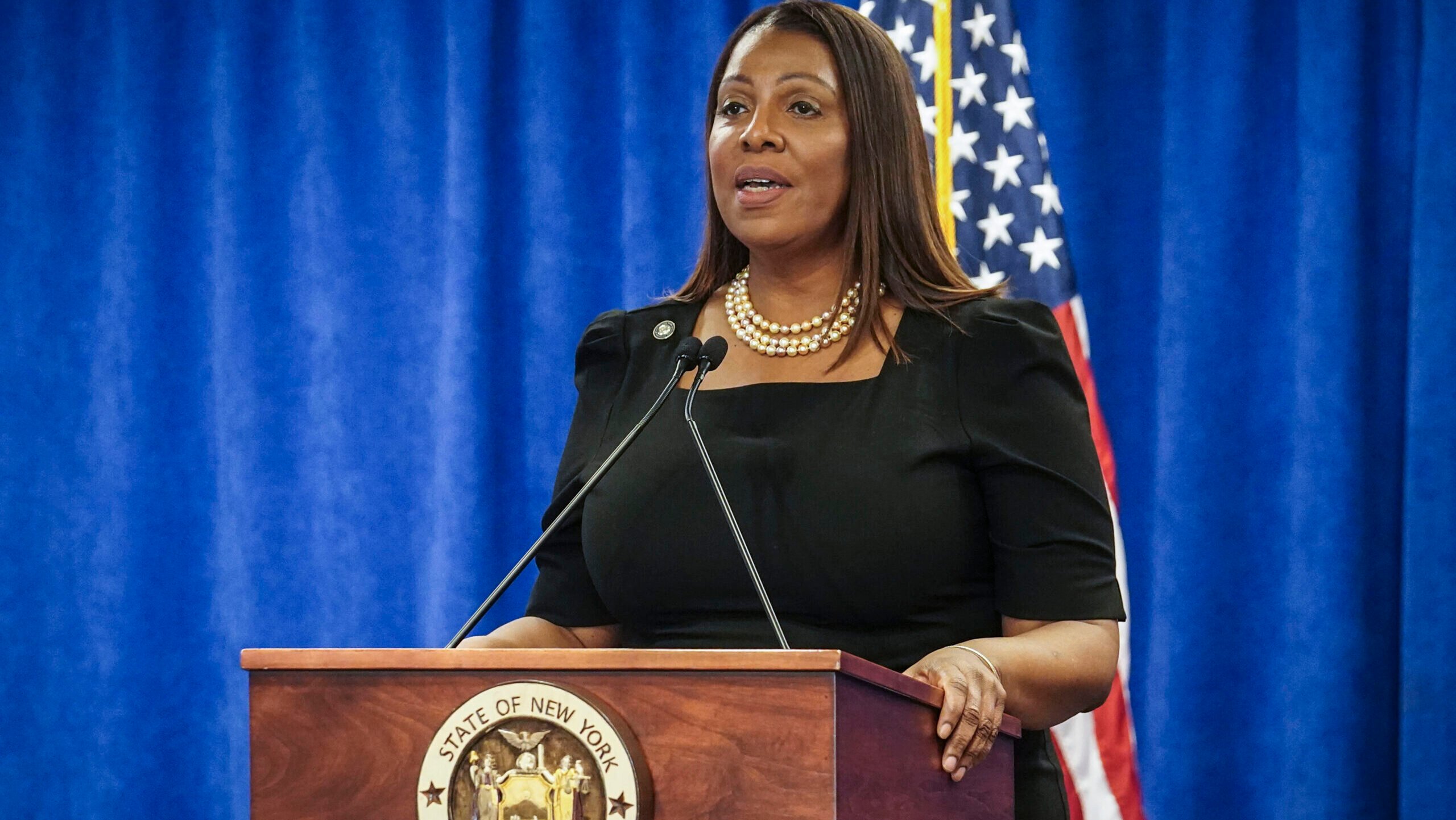
    New York Attorney General Letitia James is stepping into the ring against Zelle’s parent company, Early Warning Services. This lawsuit comes after the federal Consumer Financial Protection Bureau (CFPB) dropped a similar case, a move that occurred as the Trump administration was reportedly scaling back the agency’s work.

    Allegations of Fraud and Negligence

    Filed in New York state court, the lawsuit alleges that Early Warning Services, which is owned by a consortium of U.S. banks, failed to implement crucial safety features in Zelle’s design. This alleged oversight, according to James’ office, has left users vulnerable to fraud and scams.

    The complaint points out that scammers have been able to access user accounts or trick individuals into sending money to fake accounts disguised as legitimate businesses. James’ office highlighted an instance where a user, believing they were paying their utility company, transferred $1,500 via Zelle to a fraudulent account, only to be told by their bank that the funds could not be recovered.

    Taking a Stand for Consumers

    In a statement, James emphasized her commitment to protecting consumers, saying, ‘No one should be left to fend for themselves after falling victim to a scam.’ She expressed her determination to seek justice for New Yorkers affected by Zelle’s alleged security shortcomings.

    The timing of James’ lawsuit is notable, following the CFPB’s decision to abandon its case after a reported shift in federal administration priorities. James, a prominent critic of former President Donald Trump, has a history of taking legal action against him and his administration’s policies.

    Zelle Responds

    A spokesperson for Zelle issued a statement calling the lawsuit a ‘political stunt’ and urged the Attorney General to focus on enforcing existing laws rather than pursuing what they termed ‘meritless claims.’ They suggested James should concentrate on stopping criminal activity and adhering to the law, rather than engaging in ‘overreach.’

    What are your thoughts on the lawsuit against Zelle? Have you or someone you know been affected by Zelle fraud? Share your experiences in the comments below!