Tag: Congress

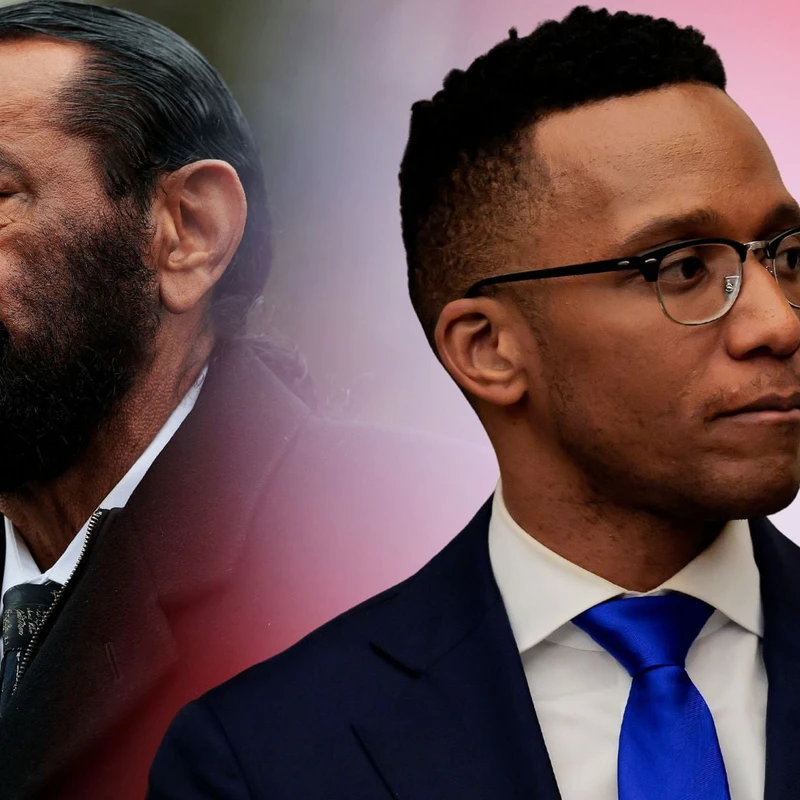
  • Christian Menefee Wins Texas Primary Over Al Green

    Get ready for a major shake-up in Texas politics! In a closely watched race, Christian Menefee has officially defeated longtime Representative Al Green in the Texas 18th Congressional District primary runoff. This isn’t just any election; it’s a significant moment signaling a generational shift in a district that’s been represented by Black lawmakers for over half a century.

    A Race Shaped by Redistricting

    So, how did these two prominent Democrats end up facing each other? It all comes down to redistricting. Following Republican-led efforts, the once-familiar lines of the 18th Congressional District were redrawn, forcing two incumbent Democrats into the same space. This created a high-stakes contest where one had to go.

    In the initial March vote, neither Menefee nor Green secured a majority, with Menefee taking 46% and Green close behind at 44%. This set the stage for the recent runoff, where voters made their final choice.

    Meet the Candidates: Experience vs. New Blood

    On one side, we have Al Green, a veteran lawmaker who has served in Congress for over two decades. He’s a familiar face, known nationally for his persistent efforts to impeach former President Donald Trump. Green, at 78, was seeking reelection in this heavily Democratic district after his previous one was altered to be more favorable to Republicans.

    Facing him was Christian Menefee, a younger candidate at 38. Menefee is no stranger to public service, having recently won a special election earlier this year to fill the seat left vacant by the late Congressman Sylvester Turner. Before entering Congress, Menefee served as the County Attorney for Harris County, bringing a different kind of experience to the race.

    Campaign Themes and Outside Influence

    Both candidates made sure to highlight their opposition to Donald Trump, emphasizing their records of challenging his administration. Menefee pointed to his work as County Attorney, citing lawsuits he filed, while Green leaned on his extensive history of direct confrontations with Trump during his congressional tenure.

    However, this race also attracted significant national attention due to substantial outside spending. Reports indicated that Menefee received over $5 million in support from Protect Progress, a super PAC reportedly linked to leaders in the cryptocurrency industry. While Green voiced criticism about the influence of large donor spending, Menefee acknowledged that campaign finance laws should eventually aim to ban super PACs.

    A Legacy of Representation

    The 18th Congressional District holds a special place in Texas history, having been represented by Black lawmakers for more than 50 years. This legacy began with the iconic Barbara Jordan, the first Black woman from the South elected to Congress. The district has seen recent transitions, including the passing of Sheila Jackson Lee in 2024 and Sylvester Turner in 2025, making this election a pivotal moment in its ongoing story.

    What are your thoughts on this generational shift in Texas politics? Share your opinions in the comments below!


  • Trump Advisor Slams Ted Cruz Over ‘Creepy’ Nicki Minaj Encounter

    It seems even politicians can’t resist the star power of Nicki Minaj! A recent interaction involving Senator Ted Cruz and the rap superstar has sparked quite the controversy, thanks to a sharp-tongued advisor to Donald Trump. Alex Bruesewitz, a known Trump ally, took to Twitter to describe an alleged encounter with Cruz that he deemed ‘extremely creepy.’

    The Alleged ‘Creepy’ Encounter

    According to Bruesewitz, the incident occurred around the time of Nicki Minaj’s visit to the White House for a Trump-related event. He claims that Ted Cruz and his staff were so eager for a photo with Minaj that they ‘literally sprinted down the hallway screaming ‘Nicki! Nicki! Nicki!” Bruesewitz stated that he turned Cruz down, citing a rush to get to the White House and jokingly adding that posing with ‘Lyin’ Ted’ wasn’t a good look for Minaj’s brand.

    Bruesewitz further alleged that after being denied the formal photo, Cruz’s team cornered Minaj on her way out, snapping a picture to make it seem like they had a more casual interaction. He described the senator’s behavior as ‘extremely creepy’ and declared he wouldn’t take foreign policy advice from someone who acts that way.

    Minaj’s Political Alignments

    This incident highlights Nicki Minaj’s recent embrace of conservative circles, including her alignment with Donald Trump. Her political stances and public appearances have often generated debate, from her thoughts on Jay-Z’s influence on Barack Obama to her visit to Elon Musk’s SpaceX facility.

    Despite the controversy surrounding her political leanings and the alleged interaction with Ted Cruz, Minaj continues to command attention. Her ability to spark conversation, whether through her music or her public statements, remains undeniable.

    What are your thoughts on Alex Bruesewitz’s claims about Ted Cruz and Nicki Minaj? Do you think the senator’s actions were ‘creepy,’ or is this just political theater? Let us know in the comments!

  • Momnibus Act: Addressing Black Maternal Health Crisis

    The Black maternal health crisis, a stark reality where Black pregnant individuals are about three times more likely to die from childbirth complications, has been a pressing concern for years. In response, Congress introduced the Black Maternal Health Momnibus Act. However, recent reintroductions under the simpler title “Momnibus Act” have raised questions and concerns among advocates about its focus.

    First introduced in March 2020, the original bill comprised nine distinct pieces of legislation aimed at directly addressing the crisis and improving outcomes for all birthing people. Despite its crucial intent, the bill struggled to gain traction, partly due to its introduction at the onset of the COVID-19 pandemic. Over the years, the legislation has evolved, with the word ‘Black’ appearing less frequently in its text.

    Evolving Language, Enduring Goals

    The shift from the “Black Maternal Health Momnibus Act” to simply the “Momnibus Act” might seem alarming at first glance. However, a closer look at the legislative journey reveals a more nuanced strategy. The bill has expanded significantly since its inception, incorporating updated language to be more inclusive and, in some instances, to navigate potential regulatory hurdles.

    In 2023, direct references to ‘Black’ were replaced with broader terms like ‘demographic groups with elevated rates of maternal mortality…’ The word ‘Black’ was retained primarily in references to historically Black colleges and universities (HBCUs) and other minority-serving institutions. This strategic linguistic adjustment aims to ensure the legislation’s effectiveness and reach.

    A Strategic Approach to Policy

    Rep. Lauren Underwood (D-IL), a co-founder of the Black Maternal Health Caucus, explained the rationale behind these changes. “The definitions in the bill are designed to make sure that the money can get to the communities that need it,” she told The 19th. Her spokesperson noted that aligning with the Office of Minority Health’s language was a move to avoid future regulatory obstacles.

    The legislation was reintroduced in March 2026 by Rep. Underwood and Sen. Cory Booker, now encompassing 14 distinct bills and boasting over 200 co-sponsors. This expansion and broad support underscore a continued commitment to addressing the crisis, even as political climates shift.

    Broad Support and Continued Advocacy

    The urgency of the issue is clear, with Rep. Gabe Amo highlighting on Threads, “The United States has the highest pregnancy-related death rate of ANY high-income country, with communities of color at greatest risk. That is unacceptable.”

    Members of the Congressional Black Caucus (CBC) have affirmed their continued backing. Rep. Jasmine Crockett clarified on Threads that the CBC’s priority remains “black folk,” citing their leadership on voting rights, policing reform, and HBCU funding, and confirming the Momnibus Act’s endorsement. Underwood herself has emphasized that the bill addresses “every clinical and nonclinical factor leading to preventable maternal deaths.”

    So far, one component, the Protecting Moms Who Served Act supporting veterans, has been signed into law. With 206 co-sponsors and needing just 218 votes to pass, the push is on to get the remaining bills across the finish line. Lawmakers are urging constituents to contact their representatives and senators to voice their support.

    What are your thoughts on the evolving language of the Momnibus Act? Do you believe it will still effectively address the Black maternal health crisis? Share your perspective in the comments below!

  • Black GOP Rep. Hunt: ‘Racism is Over’

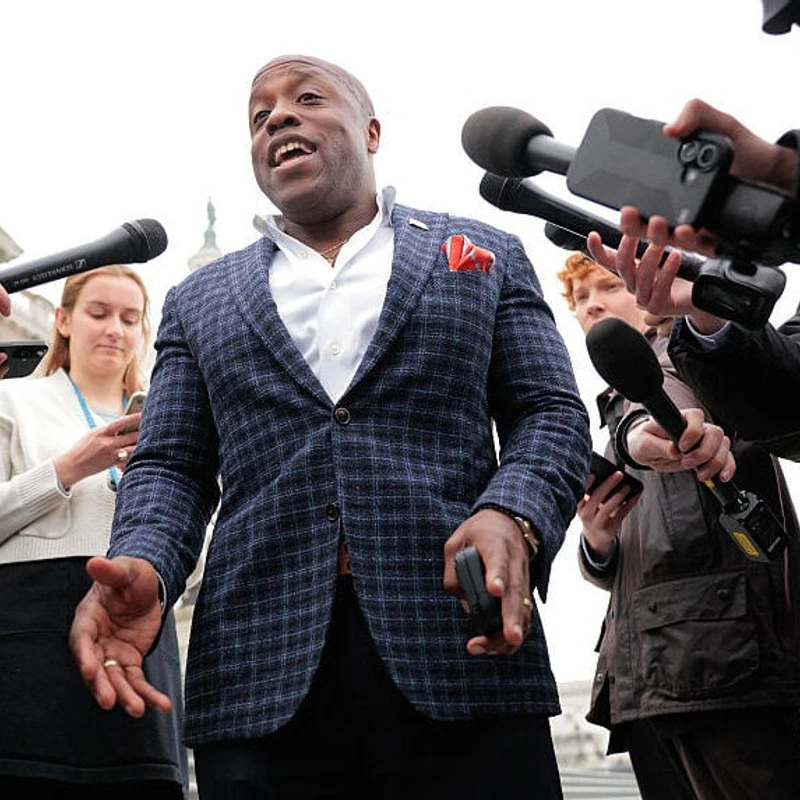
    In a recent House Judiciary Committee hearing, U.S. Representative Wesley Hunt, a Black Republican representing Texas’s 38th Congressional District, made waves with his assertion that talk of a new era of Jim Crow is unfounded, declaring, “Racism is over.”

    Dismissing ‘Jim Crow 2.0’ Concerns

    Hunt, whose term ends in January 2027 after an unsuccessful Senate bid, directly addressed colleagues on the left who suggested that redistricting efforts aimed at diluting the voting power of majority-Black districts signal a return to Jim Crow-like policies. He drew upon his personal history, stating, “As someone who is a direct descendant of a slave, as someone whose great, great-grandfather was born on a plantation, I can assure you, slavery is over.”

    He continued, “Jim Crow is dead. When I go anywhere, I don’t see any ‘White Only’ signs. I don’t, I promise you.” Hunt highlighted his own position as a Black man representing a white-majority district in Texas and a conservative Republican, emphasizing his belief in the country’s potential.

    Criticism from Advocacy Groups

    These remarks have drawn sharp criticism from organizations like People For the American Way. Markus Batchelor, the national political director, accused Hunt of playing a “token” role for former President Trump and prioritizing party loyalty over confronting racial issues. “He has had every opportunity to speak out as Republican legislatures gutted Voting Rights Act protections, carved up Black districts, closed polling places, purged voter rolls, and made voting harder in communities of color,” Batchelor told theGrio.

    Batchelor further argued that Hunt’s stance ignores the current political climate. “The message from today’s Republican Party is clear: Black faces are welcome as spokespeople, but Black political power itself is treated like a threat,” he stated. He pointed to the timing of the departure of all four Black Republicans from Congress, coinciding with what he described as “brazen assaults on Black representation since Reconstruction.”

    Race, Politics, and Representation

    The criticism extends to Hunt’s perceived silence on issues such as attacks on Diversity, Equity, and Inclusion (DEI) initiatives, the demonization of majority-Black cities, and rhetoric surrounding immigrants. Batchelor contends that race has been a central strategy in political movements, citing examples from Trump’s past campaigns and rhetoric. He emphasized that Jim Crow was fundamentally about suppressing Black voices and maintaining political control through racial division, not just about segregation signs.

    The debate highlights a significant divide in how racial progress is perceived and the role of political figures in confronting contemporary issues of race and representation. While Hunt believes racism is a relic of the past, critics argue that current policies and rhetoric continue to impact Black communities and political power.

    • Rep. Wesley Hunt dismisses ‘Jim Crow 2.0’ claims.
    • Hunt states, ‘racism is over,’ citing personal history.
    • Critics accuse him of ignoring current racial challenges and party loyalty.
    • Advocacy groups highlight attacks on voting rights and Black representation.
    • The departure of Black Republicans from Congress is noted.
    • Debate centers on the definition and current state of racism.

    Do you agree with Rep. Hunt’s assessment that racism is over? Share your perspective in the comments below!

  • Obama Rallies for Talarico: Can He Win Black Voters?

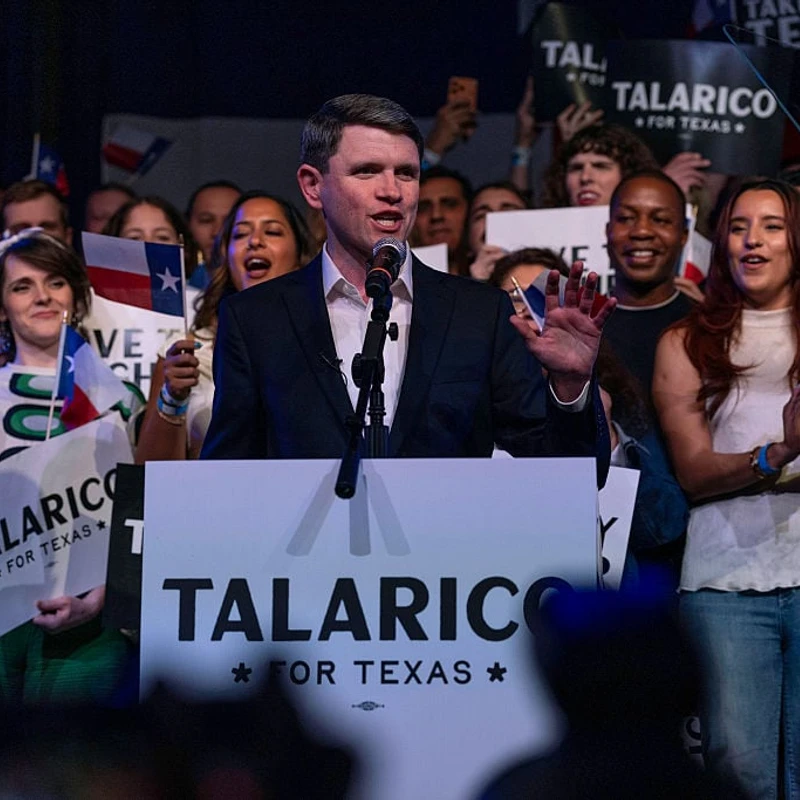
    Former President Barack Obama is bringing his star power to Texas, campaigning alongside Democratic Senate hopeful James Talarico. With control of Congress hanging in the balance in the upcoming midterms, Obama made a stop at a local Austin restaurant, Taco Joint, to rally support for Talarico and gubernatorial candidate Gina Hinojosa.

    Obama greeted patrons, introducing Talarico and Hinojosa as “outstanding next governor and senator,” and urged voters to “Remember to vote.” He later shared photos on social media, emphasizing their hard work and commitment to Texans. This move highlights the Democratic party’s strong push to energize voters nationwide.

    The Challenge of Winning Over Black Voters

    While Obama’s endorsement carries significant weight, especially within the Black community, Talarico faces an uphill battle in Texas. The 36-year-old state representative, who aims to flip a U.S. Senate seat held by Republicans for over three decades, struggled to gain traction with Black voters during the primary. He ultimately defeated popular Congresswoman Jasmine Crockett, who had strong support from the Black community.

    Political consultant Zoe Cadore notes that while Obama’s early support is a positive sign, Talarico needs to do more. “President Obama is always going to be a hero and revered amongst the African American community,” Cadore told TheGrio. “I think his opinion definitely still holds weight.”

    Outreach Efforts and Voter Sentiments

    Cadore acknowledges Talarico’s efforts, such as campaigning at Black churches and speaking at Paul Quinn College, an HBCU. However, she points out that many Black voters felt overlooked during the primary. “Many Black voters feel Talarico didn’t try to earn their vote in the primary and, therefore, is ‘not worthy’ of their vote or has to ‘work extra’ to earn their support in November.”

    Despite these criticisms, Cadore stresses the importance of focusing on the larger goal: flipping Texas. “If our goal is to flip Texas, the only thing we need to be focused on right now is galvanizing as many voters as possible to come out for him in November,” she advised. The focus, she believes, should be on uniting voters rather than dwelling on past primary dynamics.

    Addressing Key Issues for Black Communities

    Talarico himself has stated his commitment to addressing issues vital to Black communities. He highlighted his work fighting racist redistricting maps and advocating for criminal justice reform. Furthermore, his campaign has specifically focused on maternal health, recognizing the disproportionate rates of maternal mortality among Black women.

    For far too long, Black communities have been overlooked, undervalued, and taken for granted by both parties in this broken, corrupt political system. That’s why we’re centering issues like maternal health in this campaign. — James Talarico

    As the election approaches, the effectiveness of Obama’s star power and Talarico’s outreach efforts will be crucial in determining whether he can win over the Black vote and achieve a historic victory in Texas.

    What do you think about Barack Obama’s involvement in the Texas Senate race? Can James Talarico win over Black voters? Share your thoughts in the comments below!

  • Texas Senate Candidate Tackles Black Maternal Mortality Crisis

    In a significant move timed with Mother’s Day, Texas Senate candidate James Talarico has unveiled a comprehensive policy plan designed to confront the alarming maternal mortality crisis, with a particular focus on the disproportionate impact on Black women. Talarico, a Texas State Representative, is aiming to bring this critical issue to the forefront of national policy discussions.

    Addressing a Critical Health Disparity

    The United States faces the highest maternal mortality rate among wealthy nations, and the statistics for Black women are particularly dire. They are three times more likely to die from childbirth or postpartum complications than other racial groups. Alarmingly, while rates have decreased for white, Hispanic, and Asian women, they have actually risen for Black women, according to the CDC.

    Talarico’s plan directly addresses this disparity by proposing several key initiatives. Central to his strategy is the guarantee of nationwide paid maternity leave legislation, ensuring new mothers have adequate time to recover and bond with their newborns without facing financial hardship. This is coupled with a commitment to improving data collection and investing in crucial maternal health research.

    A Multi-faceted Approach to Maternal Care

    Beyond paid leave, Talarico’s proposal emphasizes enhancing provider training to ensure healthcare professionals are equipped to treat the most affected patients. He also advocates for better data collection through maternal mortality review committees (MMRCs) in every state, enabling a clearer understanding of the crisis and informing policy decisions that properly represent Black and brown communities.

    This initiative has garnered support from fellow lawmakers, including Texas State Rep. Toni Rose, who championed bipartisan legislation (HB12) to extend Medicaid and CHIP postpartum coverage. Rose stated, ‘The maternal mortality crisis in Texas and across our nation is unacceptable, and Black women are bearing the heaviest burden.’ She expressed confidence in Talarico’s commitment to fighting for this cause in Washington.

    Expanding Healthcare Access

    Talarico’s vision extends to broader healthcare access, including proposals to extend Medicare to all ages and restore Affordable Care Act tax credits. His plan mandates that states extend Medicaid coverage for pregnant and postpartum women up to 12 months and expand federal grant programs to educate women about their healthcare options and connect them with vital resources.

    The proposal also aims to eliminate maternal care deserts by ensuring insurance coverage for doula and midwife services, expanding telemedicine access, and funding programs to recruit and retain maternal care providers, especially from underserved areas. Furthermore, he seeks to extend eligibility for the WIC program and bolster the Healthy Start Program for comprehensive family support.

    Engaging Key Voting Blocs

    Talarico’s focus on the Black maternal health crisis is strategically aimed at building support among Black voters in Texas, a demographic crucial for Democratic success in the state. Having previously led fights against racist redistricting and for criminal justice reforms, Talarico emphasizes that addressing issues like maternal health is essential because ‘Black communities have been overlooked, undervalued, and taken for granted by both parties.’

    What are your thoughts on James Talarico’s plan to address the Black maternal mortality crisis? Share your opinions in the comments below!
  • Rep. Hunt on Black GOP Exodus: ‘I Don’t Care’

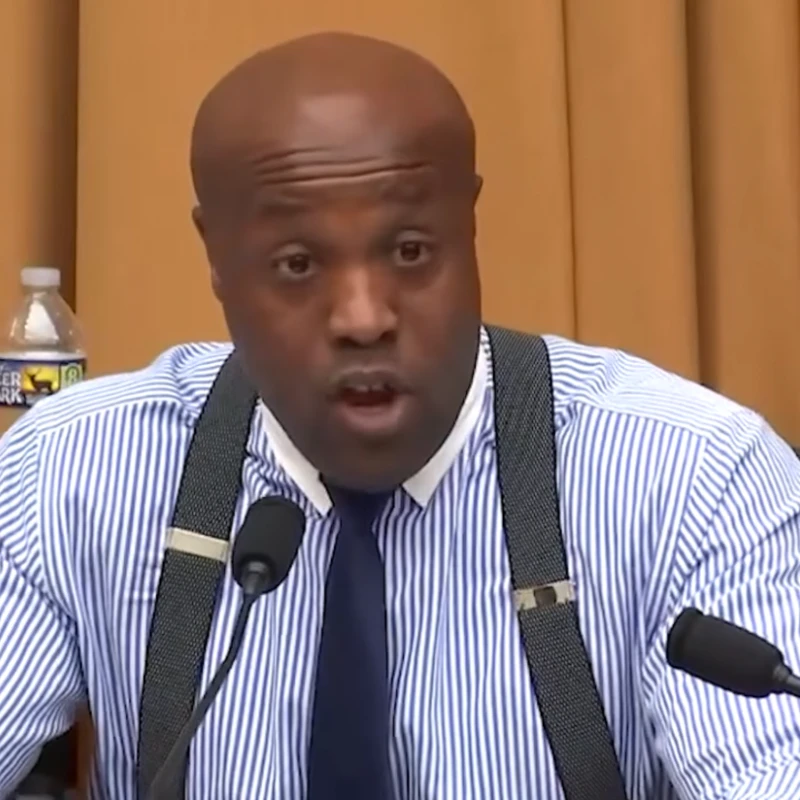
    As the political landscape shifts, a notable trend is emerging: all four Black Republican members of the U.S. House of Representatives are set to leave Congress by January 2027. When pressed on this significant exodus, Texas Congressman Wesley Hunt offered a candid and provocative response, stating that the racial makeup of the congressional body is irrelevant to him.

    Focus on Qualifications, Not Color

    Hunt, who opted not to seek re-election to the House in favor of an unsuccessful Senate bid, told MediaTouch, “I don’t understand how that’s relevant.” He emphasized his belief that representation should be based on merit, not race. “I’m not here because I’m Black. I am here because I’m [a] qualified representative for Congress with District 38 and the American people choose who they want to choose,” Hunt stated.

    He further elaborated, expressing a desire to move beyond what he termed “race bait all day, every day.” Hunt believes the focus should always be on finding the most qualified individuals for office, regardless of their background. “If there’s four, if there’s 10, if there’s none, we are talking about who is the best person that is best qualified to fill a seat, regardless of the way that they look.”

    Character Over Color

    Drawing a parallel to the famous words of civil rights icon Dr. Martin Luther King Jr., Hunt declared, “I’m being addressed not by the color of my skin but by the content of my character.” He reiterated his stance, saying, “I don’t care how many Black people are here. I want the most qualified people that are here.”

    Hunt, an Army veteran representing a district that President Trump won by a significant margin, highlighted his own electoral success, winning his district by 25 points. His perspective comes as the Republican Party faces ongoing criticism for its lack of diversity, despite efforts to recruit more minority candidates. The departure of Black Republican representatives, including Byron Donalds, John James, and Burgess Owens, leaves Senator Tim Scott as the sole Black Republican in Congress.

    Shifting Political Dynamics

    This shift occurs as the Republican Party, under President Trump, has intensified its focus on policies and rhetoric that often challenge diversity, equity, and inclusion initiatives. While Black voters overwhelmingly support Democratic candidates, recent data suggests modest, generational gains for the Republican Party within this demographic. The role of these departing Black Republican representatives in reaching Black voters, particularly in support of Trump’s campaigns, remains a point of discussion as the party navigates its future representation.

    What are your thoughts on prioritizing qualifications over racial representation in politics? Share your views in the comments below!

  • Pressley: Trump ‘Traffics in Anti-Blackness’

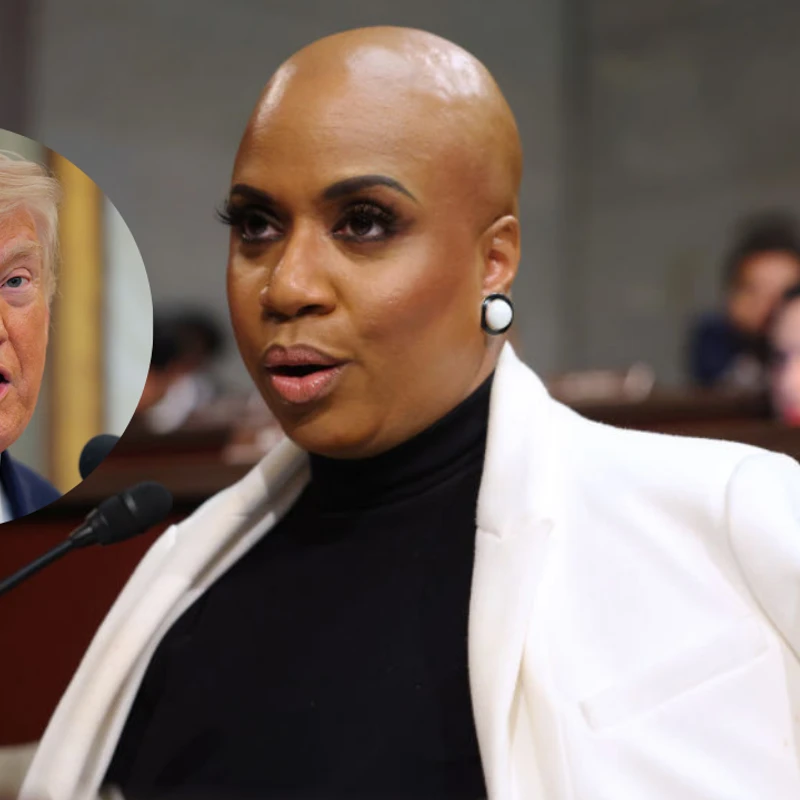
    U.S. Representative Ayanna Pressley is calling out Donald Trump’s administration, stating that his policies and rhetoric “traffic hourly in anti-Blackness.” Speaking at a press conference on Capitol Hill, Pressley advocated for the protection of Temporary Protected Status (TPS) for Haitian and other migrants, urging for solidarity between Black communities and immigrants.

    Broken Promises and Economic Woes

    Pressley asserted that Trump has failed to keep his promises, particularly regarding his claims that immigrants were taking jobs from Black Americans. She pointed out that the Black unemployment rate has risen to 7.1%, a level not seen since the COVID-19 pandemic, even as Trump’s administration pursues strict immigration policies. “Donald Trump has not kept one word, one promise,” Pressley told theGrio.

    Instead of addressing affordability, Pressley argued, Trump is attacking civil liberties, civil rights, and the overall well-being of the nation. She highlighted the detrimental impact on the federal workforce and the potential dismantling of critical sectors like healthcare and caregiving if TPS is terminated for immigrants.

    The Impact of Anti-Blackness

    Pressley directly addressed the administration’s stance, stating, “When it comes to Black voters, listen, this is an administration that traffics hourly in anti-Blackness, and that must be named.” She refuted Trump’s narrative by explaining that it wasn’t immigrants taking jobs, but rather figures like Donald Trump and Elon Musk who, in the name of “efficiency,” pushed Black women out of the federal workforce.

    She further elaborated that Trump’s administration has dismantled, degraded, and defunded diversity, equity, and inclusion (DEI) initiatives, which has had a devastating effect on Black unemployment, particularly for Black women. Pressley emphasized that this is a crisis impacting Black families and futures.

    A Call for Solidarity

    Pressley appealed to Treasury Secretary Scott Bessent and Federal Reserve Chairman Jerome Powell to address the significant job losses among Black women. She stressed that while Black communities often bear the brunt of such policies, the harm ultimately extends to everyone. “Black unemployment for Black women is at nearly 7% and overall [national] unemployment by recent numbers I think is still maybe at 4.3, so that just shows the disparate harm,” she noted.

    As the 2026 midterm elections approach, Pressley urged Black voters to make their voices heard. She concluded by emphasizing the need for solidarity, stating, “The path forward to keep all of us safe is one of solidarity from every walk of life.”

    What are your thoughts on Rep. Pressley’s statements about Donald Trump’s policies and rhetoric? How important is Black solidarity with immigrant communities? Share your views in the comments below!

  • Virginia Redistricting Win Celebrated by Democrats

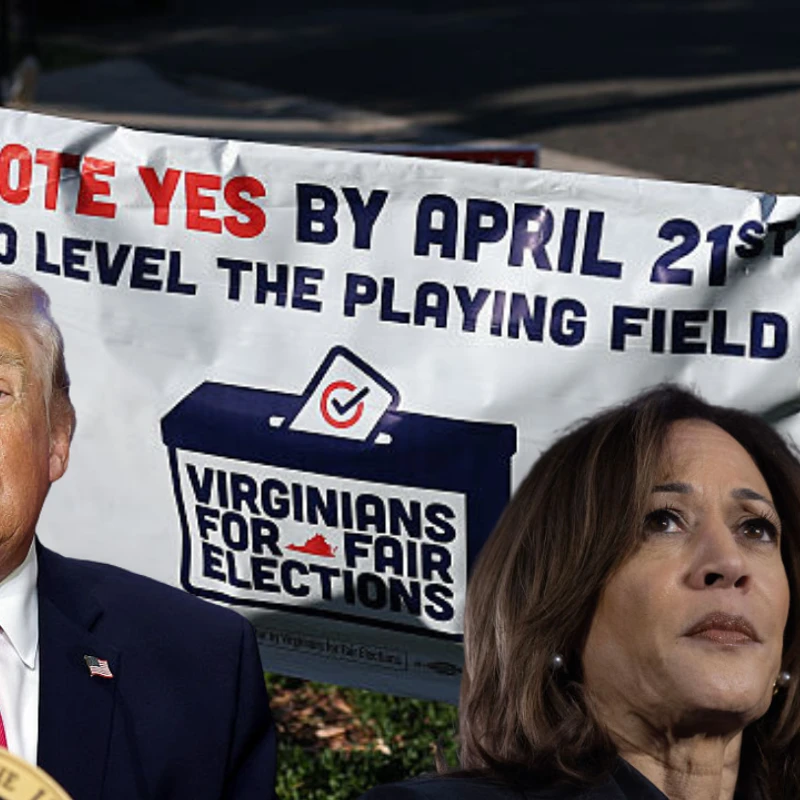
    Virginia voters have spoken, and the outcome is being hailed as a major win for Democrats and a clear rebuke of Republican efforts to manipulate electoral maps. The approval of a referendum allowing the General Assembly to redraw congressional districts is seen as a crucial step in leveling the playing field for the upcoming midterm elections.

    A Message Against Trump’s Strategy

    Prominent Democratic figures, including former Vice President Kamala Harris and former President Barack Obama, have celebrated the victory, framing it as a direct response to President Donald Trump’s alleged attempts to “rig” the 2026 midterms. Harris stated, “Donald Trump and Republicans have tried to rig the 2026 midterms. Today in Virginia, voters sent them a clear message: The power is with the people.”

    Obama, who actively campaigned for the referendum, echoed this sentiment, congratulating Virginia for standing up for democracy. He noted that despite Republican attempts to gain an advantage, voters demonstrated their power to fight back and ensure fair representation.

    Gerrymandering Schemes Thwarted

    U.S. Rep. Hakeem Jeffries, the Democratic leader in the House of Representatives, also weighed in, declaring that Democrats had defeated Trump’s gerrymandering scheme in Virginia. He expressed confidence in defeating similar tactics in other states, like Florida, and emphasized a strategy of “maximum warfare, everywhere, all the time” to counter Republican efforts to control Congress.

    Jeffries, who is poised to make history as the first Black Speaker of the House if Democrats regain the majority, highlighted the importance of this win in the broader fight against political manipulation. The victory in Virginia is seen as a crucial step in challenging what Democrats describe as Trump’s plot to gerrymander his way to a congressional majority.

    Voters’ Voices Heard Loud and Clear

    Former Obama U.S. Attorney General Eric Holder, who leads the National Democratic Redistricting Committee (NDRC), praised Virginia voters for showing up and proving that the people’s voice will ultimately prevail, even against unprecedented efforts to undermine democracy. He contrasted Virginia’s fair process with the gerrymandered maps imposed in states like Texas, Missouri, and North Carolina.

    Holder stressed that this win is a clear message to “MAGA Republicans and the White House” that attempts to silence voters will be met with organized resistance. He noted that voters across the country are likely to follow Virginia’s and California’s lead in rising up against such tactics.

    The Impact on Black Representation

    Advocates emphasize that the Republican Party’s attempts to retain power through gerrymandered maps, often accused of being racially motivated, pose a significant threat to Black Americans’ representation and the ability for their votes to be heard. Black voters in Virginia, known for their strong Democratic allegiance, were instrumental in this redistricting referendum victory. Nadine Smith, President and CEO of Color Of Change, highlighted how attempts to manipulate the election through dark money and disinformation failed, particularly targeting Black voters with deceptive mailers.

    Smith concluded, “These billionaires are so desperate because they know that when everyday people have a real voice and fair districts, corruption and extremism finally face consequences. They tried to drown voters in lies. Voters saw through it, stood together, and sent a clear message: if you try to rig our democracy, we will organize, we will vote, and we will win.”

    What are your thoughts on the Virginia redistricting results? Do you believe this sets a precedent for future elections? Share your opinions in the comments below!
  • Georgia Congressman David Scott Dies at 80

    It is with deep sadness that we report the passing of U.S. Representative David Scott, who represented Georgia’s 13th Congressional District. He died at the age of 80, while actively campaigning for re-election in the upcoming May 19th primary. His long career in public service leaves a significant mark on Georgia and the nation.

    A Lifetime of Public Service

    Scott’s journey in politics began in 1974 when he was first elected to the Georgia House of Representatives. He dedicated over a decade to the state House before transitioning to the Georgia State Senate in 1982. In 2003, he made history by being elected to represent Georgia’s newly created 13th Congressional District in the U.S. House of Representatives, a role he held until his passing.

    During his tenure in Congress, Scott achieved a notable milestone as the first Black chairman of the U.S. House Committee on Agriculture, later serving as its ranking member. His contributions to agricultural policy were substantial, though his later years in office were marked by concerns over his health.

    Health Concerns and Re-election Bid

    In recent years, Scott’s health had become a significant topic, with reports of his declining condition and missed votes leading to his removal from the chairmanship of the Agriculture Committee. Despite these challenges and facing competition in the Democratic primary from candidates like Everton Blair Jr. and Georgia State Rep. Jasmine Clark, Scott remained committed to his re-election campaign.

    Everton Blair Jr., a progressive candidate, expressed his condolences, stating, “For more than two decades, he answered the call to serve the people of Georgia’s 13th Congressional District with dedication and conviction, and his legacy of public service spans a lifetime of leadership.” He extended prayers to Scott’s wife, Alfredia Aaron Scott, and the entire family.

    Educational Background and Early Career

    Born in Aynor, South Carolina, in 1945, David Scott was an alumnus of Florida A&M University and The Wharton School at the University of Pennsylvania. He was also a proud member of Alpha Phi Alpha Fraternity, Inc., the nation’s first historically Black fraternity. Before entering public service, Scott founded and managed a family-owned advertising business.

    Following Scott’s death, Governor Brian Kemp is expected to call a special election to fill the vacancy for the remainder of his term. This process, along with the upcoming primary and general elections, will determine who will represent Georgia’s 13th District for the 2027-2029 term.

    What are your memories of Congressman David Scott’s service? Share your thoughts in the comments below.