Tag: college admissions

  • Newsom’s Mixed Signals on Reparations

    California Governor Gavin Newsom is navigating the complex issue of reparations, recently sending mixed signals with his decisions on key legislation. While he approved a $6 million study aimed at exploring reparations, he simultaneously vetoed a bill that would have allowed colleges and universities to grant preferential admission consideration to descendants of slaves.

    Vetoing College Preference for Slave Descendants

    The vetoed bill, supported by the California Legislative Black Caucus, was part of a broader effort to combat decades of systemic discrimination in areas like housing, education, and the justice system. Democratic Assemblymember Isaac Bryan, the bill’s author, expressed deep disappointment, calling Newsom’s decision “more than disappointing,” especially in contrast to the Trump administration’s actions against diversity and inclusion initiatives.

    Newsom cited the bill’s “unnecessary” nature as his reason for the veto. He argued that universities already possess the authority to implement admissions preferences. Furthermore, he considered potential legal challenges, noting that critics believe such a bill could violate Proposition 209, which prohibits race-based considerations in state university admissions, especially following the U.S. Supreme Court’s 2023 overturn of affirmative action.

    California’s Commitment to Reparations Study

    Despite the veto, Newsom’s approval of the $6 million study signals a continued commitment to addressing the legacy of slavery and discrimination. This study is expected to delve into the historical harms and potential forms of reparations California might consider.

    Pushback Against Anti-DEI Agendas

    Newsom’s actions also come amidst heightened scrutiny of diversity, equity, and inclusion (DEI) initiatives, particularly following the Trump administration’s call for universities to abandon such programs. Newsom firmly stated that California universities would not conform to Trump’s demands, threatening immediate loss of state funding for any that signed onto the proposed “compact.”

    Moving Forward with Descendant Identification

    Meanwhile, the California State University system will proceed with developing procedures to identify descendants of slavery, as mandated by a bill authored by Democratic state Sen. Akilah Weber Pierson. This initiative also includes establishing a Bureau for Descendants of American Slavery to administer reparations. Weber Pierson described the law as representing “hope, responsibility, and a commitment to make right what was wrong for far too long.”

    What are your thoughts on Governor Newsom’s decisions regarding reparations and college admissions? Share your perspective in the comments below!
  • Trump Silent on Legacy Admissions Amid Fairness Push

    As President Donald Trump champions a new era of fairness in college admissions, emphasizing merit and test scores while opposing race-based considerations, critics are questioning his silence on legacy admissions. This practice, which grants preferential treatment to children of alumni and donors, is seen by many as a significant instance of a “rigged” system that Trump frequently denounces.

    The Paradox of Trump’s Admissions Stance

    Trump has actively sought to remove any consideration of race in college admissions, reinforcing the Supreme Court’s 2023 decision against affirmative action. His administration has pursued settlements with universities like Brown and Columbia to ensure data sharing on admissions practices and has called on colleges nationwide to prove they do not consider race. However, he has conspicuously avoided addressing legacy preferences, a policy that provides an advantage based on family ties and wealth.

    Richard Kahlenberg, a researcher at the Progressive Policy Institute, described legacy preferences as a “more flagrant way in which the system is rigged,” highlighting the open practice of “hereditary privilege.” While some Republicans, like Senator Todd Young, applaud the administration’s focus on eliminating racial considerations, they also advocate for ending all preferences based on “arbitrary circumstances of ancestry.”

    Legacy Admissions Under Scrutiny

    Often referred to as “affirmative action for the rich,” legacy admissions continue to be a common practice at selective colleges, despite growing bipartisan opposition. States like Virginia, Colorado, and California have enacted measures to ban legacy preferences at public institutions. According to 2023 disclosures, approximately 500 universities consider legacy status, including over half of the nation’s 100 most selective schools. Stanford University, for instance, opted to forgo state financial aid rather than end its legacy admissions policy.

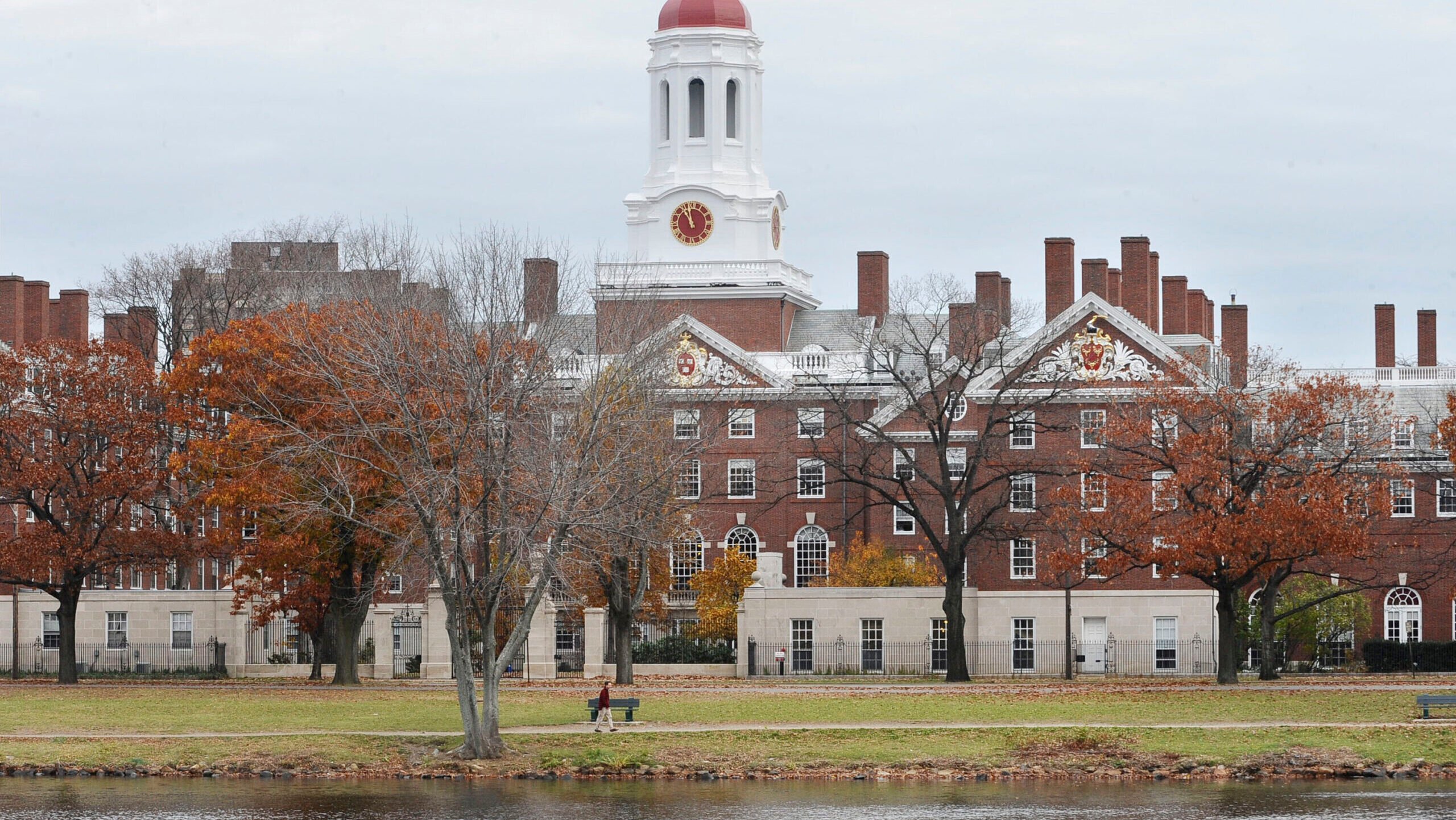
    Trump’s recent executive actions require universities to provide more data on applicants and accepted students, aiming to ensure compliance with the Supreme Court’s ruling and promote “merit-based” admissions. However, these actions, along with Justice Department memos clarifying illegal discrimination, do not mention legacy admissions. Lawyers for Civil Rights has filed a complaint alleging that Harvard’s use of donor and alumni preferences constitutes illegal racial discrimination, disproportionately benefiting white students.

    Differing Views on Preferences and Merit

    Universities often defend legacy admissions by citing their role in building community and encouraging donations. Some argue that as campuses diversify, these preferences increasingly benefit nonwhite students. President Biden has also urged colleges to reconsider legacy preferences, suggesting they expand privilege rather than opportunity. Georgetown University, after reviewing its policy, decided to retain legacy preferences, noting a similar demographic makeup among legacy applicants compared to the general applicant pool.

    Public opinion generally views legacy and donor preferences unfavorably, with few Americans believing they should play a significant role in admissions. While universities must disclose whether they consider legacy status, the extent to which it influences admissions decisions remains largely opaque. Trump’s emphasis on meritocracy in admissions, critics argue, could inadvertently send a message that minority students are presumed less capable, potentially intimidating colleges into limiting diversity to avoid government scrutiny.

    What are your thoughts on legacy admissions in college? Should they be abolished? Share your views in the comments below!