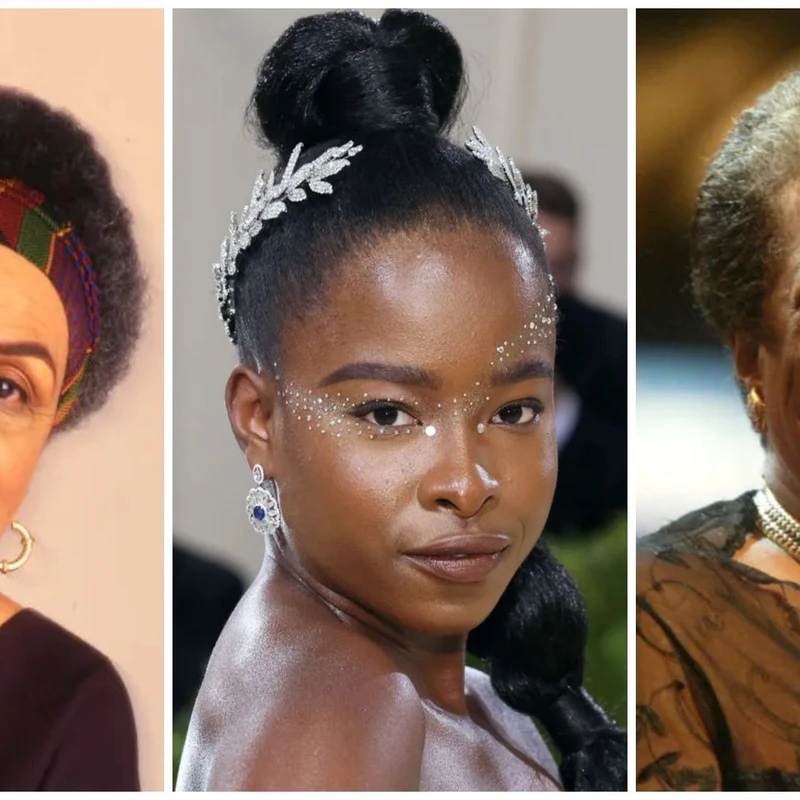
April is National Poetry Month, a perfect time to dive into the incredible world of Black poets whose words have not only defined generations but have also served as a powerful force for documenting history, celebrating culture, and challenging injustice. From the vibrant rhythms of the Harlem Renaissance to the compelling spoken word of today, these literary giants have gifted us with timeless works that continue to inspire and resonate.
Voices That Echo Through Time
Black poets have consistently used their craft to give voice to the Black experience in America and beyond. Their poems are often rich with musicality, profound emotion, and a deep connection to heritage. They explore themes of identity, resilience, love, struggle, and the unwavering pursuit of freedom and equality. Let’s honor this rich legacy by exploring 25 essential Black poets whose contributions have shaped our literary landscape.
1. Langston Hughes
A central figure of the Harlem Renaissance, Hughes masterfully captured the essence of everyday Black life with a musicality and pride that was revolutionary. His iconic poems like ‘The Negro Speaks of Rivers’ connect identity to a vast historical lineage, while ‘Harlem (Dream Deferred)’ vividly portrays the frustration and resilience born from postponed dreams. ‘I, Too’ remains a powerful assertion of belonging.
2. Maya Angelou
Dr. Maya Angelou’s poetry is a testament to strength, resilience, and self-worth, often drawn from her profound life experiences. ‘Still I Rise’ is an enduring anthem of empowerment against oppression. ‘Phenomenal Woman’ celebrates self-love, and ‘Caged Bird’ poignantly uses metaphor to explore themes of freedom and liberation.
3. Gwendolyn Brooks
The first Black recipient of the Pulitzer Prize, Gwendolyn Brooks offered vivid glimpses into urban Black life. Poems like ‘We Real Cool’ capture the voice and consequences of rebellious youth, ‘The Mother’ delves into the emotional complexities of abortion with empathy, and ‘Kitchenette Building’ speaks to dreams deferred by poverty.
4. James Baldwin
Though renowned for his prose, James Baldwin’s poetic voice was deeply lyrical and emotionally resonant. His poem ‘Staggerlee Wonders’ reimagines a folk figure to explore identity and violence, while ‘Jimmy’s Blues’ blends music and verse to convey loneliness and the search for meaning.
5. Audre Lorde
A self-proclaimed ‘warrior poet,’ Audre Lorde wielded her words as a tool for activism. ‘Power’ confronts racial injustice and systemic failures, ‘A Litany for Survival’ speaks directly to marginalized communities about the courage needed to speak out, and ‘Coal’ explores transformation and beauty forged under pressure.
6. Nikki Giovanni
Nikki Giovanni masterfully blended activism with personal reflection, focusing on love, family, and Black identity. Her bold poem ‘Ego Tripping’ celebrates Black greatness, ‘Nikki-Rosa’ challenges external perceptions of Black childhood, and ‘Knoxville, Tennessee’ offers a warm, nostalgic view of simple joys.
7. Amiri Baraka
A pivotal figure in the Black Arts Movement, Amiri Baraka’s poetry was known for its confrontational and revolutionary spirit. ‘Black Art’ is a powerful call for unapologetically political verse, while ‘Somebody Blew Up America’ provocatively questions power structures and systemic violence.
8. Rita Dove
As a former U.S. Poet Laureate, Rita Dove is celebrated for her elegant and historically rich poetry. ‘Daystar’ captures a mother’s quiet yearning for personal space, ‘Parsley’ recounts a historical massacre, and ‘Sonnet in Primary Colors’ vividly reimagines an artist’s life.
9. Claude McKay
A key figure of the Harlem Renaissance, Claude McKay infused traditional poetic forms with radical ideas. ‘If We Must Die’ is a stirring call for dignified resistance, ‘America’ explores a complex relationship with the nation, and ‘The Lynching’ confronts racial violence.
10. Paul Laurence Dunbar
One of the earliest influential Black poets, Paul Laurence Dunbar’s ‘We Wear the Mask’ explored the idea of hiding pain. His poem ‘Sympathy,’ which inspired Maya Angelou’s memoir title, uses the image of a caged bird to express a longing for freedom.
11. Sonia Sanchez
Sonia Sanchez is renowned for her experimental style, deeply rooted in Black culture and political struggle. Her work, like ‘Catch the Fire’ and ‘Homegirls & Handgrenades,’ encourages cultural pride, resistance, and explores personal and political themes with raw honesty.
12. Natasha Trethewey
Natasha Trethewey’s poetry delves into history, memory, and race, often with a focus on the American South. ‘Native Guard’ brings to light the overlooked stories of Black Civil War soldiers, while ‘Elegy for the Native Guards’ mourns forgotten histories.
13. Terrance Hayes
Known for his inventive forms and bold themes, Terrance Hayes’s ‘The Golden Shovel’ pays homage to Gwendolyn Brooks while tackling contemporary issues. His ‘American Sonnet for My Past and Future Assassin’ powerfully explores race, fear, and identity.
14. Tracy K. Smith
Tracy K. Smith’s poetry beautifully bridges the personal and the cosmic. ‘Life on Mars’ contemplates loss and the universe’s vastness, while ‘The Good Life’ examines societal inequality and privilege.
15. Warsan Shire
Somali-British poet Warsan Shire’s work powerfully addresses migration, womanhood, and trauma. Her poem ‘Home’ offers a poignant look at the refugee experience, and ‘For Women Who Are Difficult to Love’ delves into complex relationships and identity.
16. Danez Smith
Danez Smith merges spoken word energy with literary craft. ‘Dear White America’ confronts systemic racism, ‘Summer, Somewhere’ envisions an afterlife free from violence, and ‘Dinosaurs in the Hood’ critiques media stereotypes.
17. Jericho Brown
Pulitzer Prize winner Jericho Brown explores love, trauma, and identity with profound depth. ‘The Tradition’ contrasts natural beauty with violence against Black bodies, and ‘Bullet Points’ addresses police brutality and survival.
18. Claudia Rankine
Claudia Rankine masterfully blends poetry, essay, and visual art. Her influential work ‘Citizen’ examines everyday racism and microaggressions, while ‘Don’t Let Me Be Lonely’ reflects on isolation and disconnection.
19. Kevin Young
Kevin Young often draws inspiration from music, history, and memory. ‘Ode to Pork’ uses food as a lens for culture and identity, and ‘Satchmo’ celebrates the enduring influence of jazz legend Louis Armstrong.
20. Lucille Clifton
Lucille Clifton’s concise poems carry immense emotional weight. ‘won’t you celebrate with me’ speaks to survival and self-creation, while ‘homage to my hips’ is a powerful celebration of body confidence and freedom.
21. Phillis Wheatley
As the first published African American poet, Phillis Wheatley wrote during the 18th century while enslaved. Her poem ‘On Being Brought from Africa to America’ reflects on her journey and subtly critiques racism, demonstrating her profound literary skill.
22. Yusef Komunyakaa
Yusef Komunyakaa often draws from his experiences in the Vietnam War. ‘Facing It’ offers a moving reflection at the Vietnam Veterans Memorial, and ‘Camouflaging the Chimera’ captures the surreal realities of wartime.
23. Elizabeth Alexander
Elizabeth Alexander’s work thoughtfully examines culture, race, and identity. Her inaugural poem, ‘Praise Song for the Day,’ celebrated collective progress and hope, while ‘Ars Poetica #100’ reflects on the very essence and power of poetry.
24. Toi Derricotte
Toi Derricotte explores themes of trauma, healing, and racial identity. ‘The Telly Cycle’ examines media’s influence on our perception of violence, and ‘Blackbottom’ offers reflections on childhood and race with vulnerability and honesty.
25. Amanda Gorman
A prominent contemporary voice, Amanda Gorman focuses on hope, democracy, and youth empowerment. Her inaugural poem, ‘The Hill We Climb,’ called for unity and resilience, while ‘Earthrise’ addresses climate change and our collective responsibility.
These 25 poets represent more than just literary excellence; they are cultural torchbearers whose words have shaped history and continue to inspire us today. Their work is a powerful testament to resilience, identity, resistance, love, and hope. As you celebrate National Poetry Month, take the time to explore their verses – there’s always something new and profound to discover.
Which of these poets has impacted you the most? Share your favorite poems or poets in the comments below!