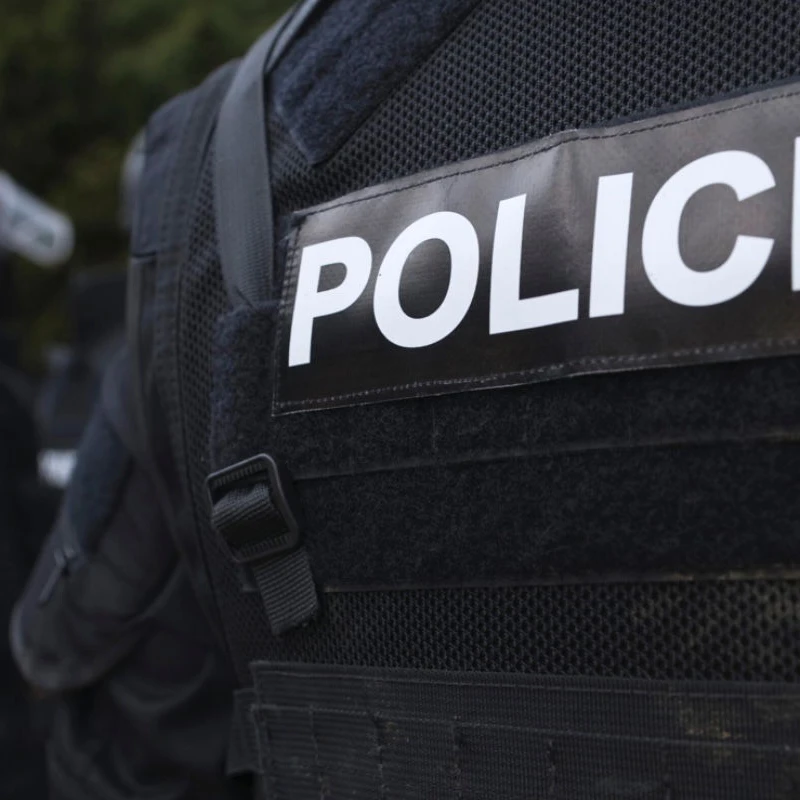
Tag: Chicago Police

  • Chicago Cop Suspended for Improper Search of Black Man

    It appears history is repeating itself for a Chicago police officer who has once again been suspended for violating the rights of a Black civilian. Officer Richard Rodriguez Jr. is facing repercussions for an improper stop and search, marking another instance of alleged misconduct against Black residents in the city.

    A Pattern of Policy Violations

    This latest ruling comes after Rodriguez Jr. already faced consequences for previous violations. A recent decision by a Chicago Police Board member will hold him accountable for this repeated offense, specifically targeting Black men in the downtown area. The officer is set to be suspended for at least 30 days.

    The incident in question occurred in September 2023. Rodriguez Jr. and two fellow officers from the Near North District tactical team were questioning three men sitting outside a business. When one of the men, identified as Jeremiah Blankenship, fled, the officers pursued and apprehended him. It was then that Rodriguez Jr. allegedly escalated the situation with an invasive search.

    The Invasive Search and Disputed Justification

    According to an investigation by the Civilian Office of Police Accountability (COPA), Rodriguez Jr. “searched the crotch area under the top layer of clothing, exposing (Blankenship’s) underwear.” When Blankenship questioned the search, Rodriguez Jr. was reportedly heard on body-worn camera footage responding, “’cause you got something in yo ass.”

    COPA recommended at least a 30-day suspension for violating civilian rights. However, Chicago Police Superintendent Larry Snelling initially defended Rodriguez Jr.’s actions, suggesting the man’s pants were in “very poor condition” and fell apart. Despite this, Rodriguez Jr. admitted to purposefully ripping the pants to check for contraband in the buttocks area, even in a public setting.

    The Final Decision

    With COPA and Snelling disagreeing, a randomly selected member of the Police Board, Justin Terry, had to make the final call. Terry cited Rodriguez Jr.’s own admission of ripping the jeans and exposing the man’s undergarment as justification for the suspension, finding the superintendent’s explanation unpersuasive.

    This ruling comes just months after Rodriguez Jr. received another suspension for a prior improper search. He has a history of dozens of complaints, with one incident even leading to the stripping of his police powers. Notably, he is the fifth member of that specific tactical team to lose his badge and gun due to unprofessional conduct against Black residents.

    What are your thoughts on Officer Rodriguez Jr.’s repeated suspensions? How can the Chicago Police Department ensure accountability and prevent future violations of citizens’ rights? Share your views in the comments below.
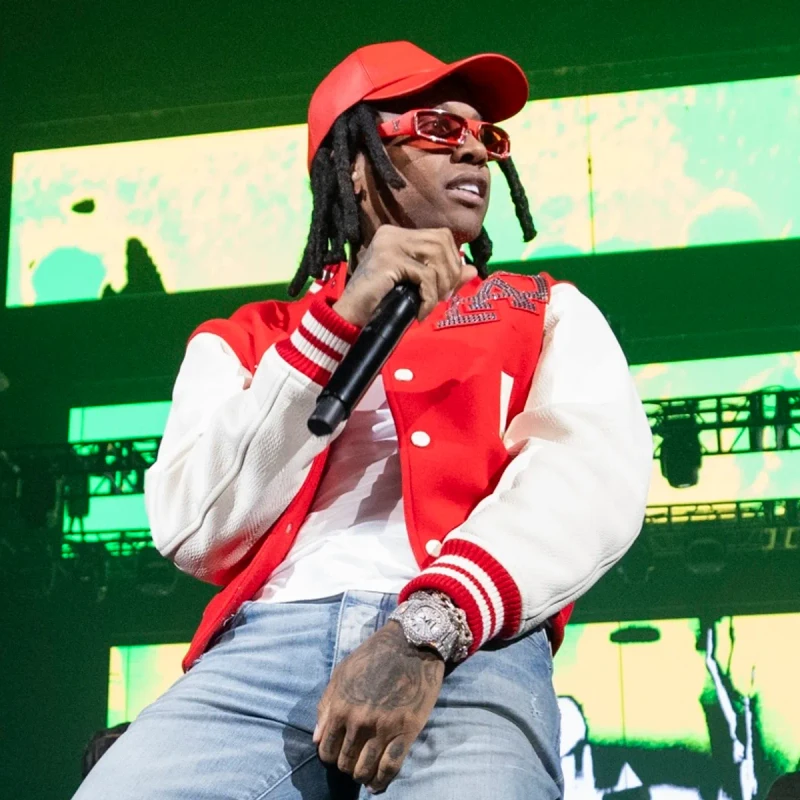
  • Lil Durk Faces New Murder-For-Hire Allegations

    Lil Durk remains in custody as he awaits trial for a murder-for-hire charge, but new developments could make his legal situation even more complicated. An exclusive report suggests that a jail informant claims one of the individuals arrested in connection with a 2022 murder has confessed to a murder-for-hire plot, potentially implicating the rapper.

    New Allegations Surface in Chicago Shooting Case

    The new accusations stem from the arrests of Preston Powell, also known as Marley, and his co-defendant Anthony Montgomery-Wilson, who are charged in the 2022 shooting death of Stephon Mack in Chicago. Prosecutors believe Mack was targeted because he was accused of aiding in the murder of Lil Durk’s brother, DThang, in 2021. Prosecutors plan to try Powell first and intend to use statements from Montgomery-Wilson that allegedly identify “Individual A” – whom they believe to be Lil Durk – as the one who offered a bounty for Mack’s death.

    Evidence and Informant Claims

    The report details text messages found between Montgomery-Wilson and Powell that reference collecting payment from “otf” (Only The Family, Lil Durk’s label) in early February 2022. Additionally, digital records reportedly place Montgomery-Wilson at a location where “Individual A” had previously recorded a podcast interview. Following his arrest, an FBI informant was allegedly placed in Montgomery-Wilson’s cell, where he reportedly confessed to murdering Mack with Powell and maintaining contact with a member of the Risky Road gang.

    This alleged gang member was reportedly present at the Youth Peace Center where Mack was murdered and had communicated with Montgomery-Wilson, according to phone records. Montgomery-Wilson also allegedly posted a Facebook Story displaying cash and playing an OTF song shortly after the murder, which prosecutors interpret as a boast about the crime.

    Impact on Current Trial

    It remains unclear how these new allegations will affect Lil Durk’s ongoing murder-for-hire trial. This current case is separate from the 2022 incident involving Lul Pab, Quando Rondo’s cousin, where authorities accuse Durk of arranging an attack on Rondo in Los Angeles, which resulted in Pab’s death. These developing accusations add another layer of complexity to an already challenging legal situation for the rapper.

    What are your thoughts on these new allegations against Lil Durk? Share your opinions in the comments below!

  • Chicago Police Face Federal Intervention Challenges

    As President Donald Trump signals a potential expansion of immigration raids and the deployment of federal forces, Chicago finds itself at the center of a national debate over federal overreach into local law enforcement. For the Chicago Police Department, this presents a significant challenge: maintaining public safety while avoiding actions that could undermine trust within the community, particularly in immigrant neighborhoods.

    The Delicate Balancing Act

    The situation in Chicago mirrors that of other major cities like Los Angeles and Washington D.C., where local police have been drawn into difficult collaborations with federal agencies. Experts warn that such arrangements can breed resident suspicion and erode public confidence in local law enforcement. With Illinois Governor JB Pritzker opposing any National Guard deployment, city officials are bracing for the potential impact of increased federal presence on the ground.

    Policing experts emphasize that the outcome of this standoff could significantly affect the Chicago police’s credibility within immigrant communities, which may become targets of federal enforcement actions. Nayna Gupta, policy director at the American Immigration Council, stated, “What the Trump administration is doing here is engaging in federal policing in a way that really rips at the seams of the relationships between state and local police and the federal government, between communities and law enforcement. Those kinds of standoffs and contentious practices is what erodes public safety.”

    Sanctuary City Policies Under Pressure

    Chicago has maintained its sanctuary city policies for four decades, which generally prohibit local law enforcement from inquiring about or detaining individuals based on immigration status, or from directly assisting Immigration and Customs Enforcement (ICE). Mayor Brandon Johnson recently signed an executive order reinforcing this stance, directing city police not to collaborate with federal immigration agents and requiring officers to be clearly identifiable to distinguish them from federal personnel.

    “We will not have our police officers who are working hard every single day to drive down crime deputized to do traffic stops and checkpoints for the president,” Johnson declared. Law professor Craig Futterman from the University of Chicago noted that any cooperation, even indirect, can blur agency lines and create practical difficulties, making sanctuary city policies complex in real-world application.

    Navigating Protests and Federal Actions

    Despite sanctuary policies, Chicago police may still need to coordinate with federal agencies, particularly in managing protests that arise from immigration enforcement actions. The city’s approach is reportedly similar to the strategy used during the 2024 Democratic National Convention, which incurred significant costs for officer overtime. Incidents where ICE detained individuals have already drawn protesters and local officials, sometimes leading to confusion about the role of Chicago officers.

    Similar tensions have played out in California, where federal immigration raids led to clashes between protesters and authorities, prompting federal troop deployments despite local objections. Experts like Rose Cuison-Villazor, a professor at Rutgers University Law School, clarify that sanctuary policies don’t necessarily mean obstructing federal officers but raise questions about the extent of local police intervention when they disagree with federal actions.

    Undefined Roles for the National Guard

    The role of the National Guard, if deployed for local policing duties, remains unclear. Chuck Wexler of the Police Executive Research Forum noted that while local police often collaborate with federal task forces, the National Guard’s traditional role involves assisting in natural disasters or large-scale disturbances, not day-to-day crime issues. The District of Columbia has already sued to block a federal deployment of the National Guard, indicating the legal complexities involved.

    In Philadelphia, District Attorney Larry Krasner expressed concerns that using the National Guard for law enforcement could jeopardize prosecutions due to their lack of training in evidence gathering, Miranda warnings, and Fourth Amendment procedures. Former NYPD chief Kenneth Corey warned that surges in resources like the National Guard provide only temporary crime reduction without addressing root causes, leading to a return of crime once they depart.

    What are your thoughts on the potential federal intervention in Chicago? How can local police maintain community trust amidst these challenges? Share your views in the comments below.
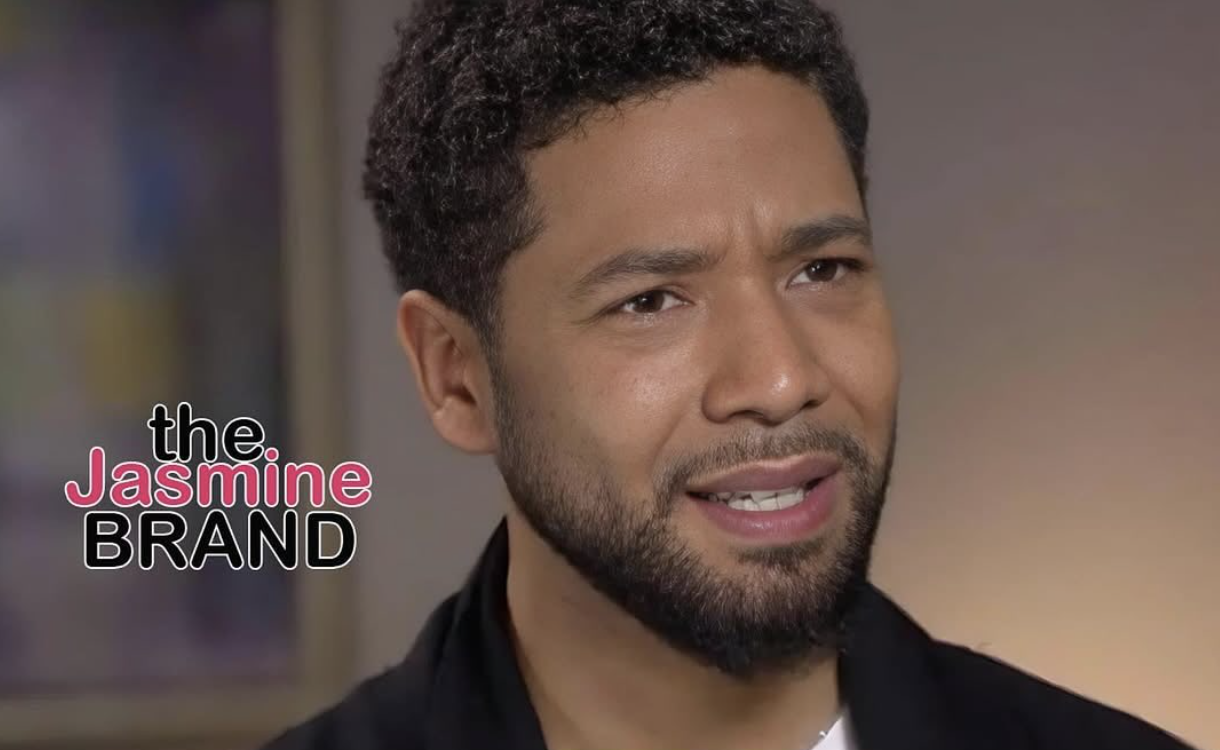
  • Jussie Smollett Calls Police ‘Villains’ Ahead of Netflix Doc

    Jussie Smollett is doubling down on his narrative surrounding the 2019 incident that significantly impacted his career. In a recent interview with Variety, Smollett referred to the “villains” in his story as the two individuals who allegedly assaulted him, the Chicago Police Department, and former Mayor Rahm Emanuel. He questioned the timing of certain events, suggesting potential cover-ups related to the Laquan McDonald case.

    Maintaining His Story Amidst Controversy

    Smollett firmly stated that his account of the events “has never” changed, contrasting it with what he perceives as shifting stories from others involved. “I have nothing to gain from this,” he asserted, emphasizing his commitment to his truth.

    As he prepares for the release of his Netflix documentary, “The Truth About Jussie Smollett?,” the former “Empire” star continues to maintain that he was attacked by two masked men who used racist and homophobic slurs, not by the Nigerian American brothers who testified against him. He offered a poignant, “All I can say is, God bless you, and I hope it was worth it,” seemingly directed at those who have doubted him.

    Looking Forward: Music and TV Comeback

    Beyond the documentary, Smollett is also working on his new album, “Break Out,” and preparing for his return to television. He acknowledged that public perception still affects him but expressed readiness to move forward and continue his career despite the ongoing controversy.

    His determination to share his perspective through new projects signals a desire to reclaim his narrative and re-establish his presence in the entertainment industry.

    Do you believe Jussie Smollett’s account of the incident? What are your thoughts on his upcoming Netflix documentary and music? Share your opinions in the comments below!