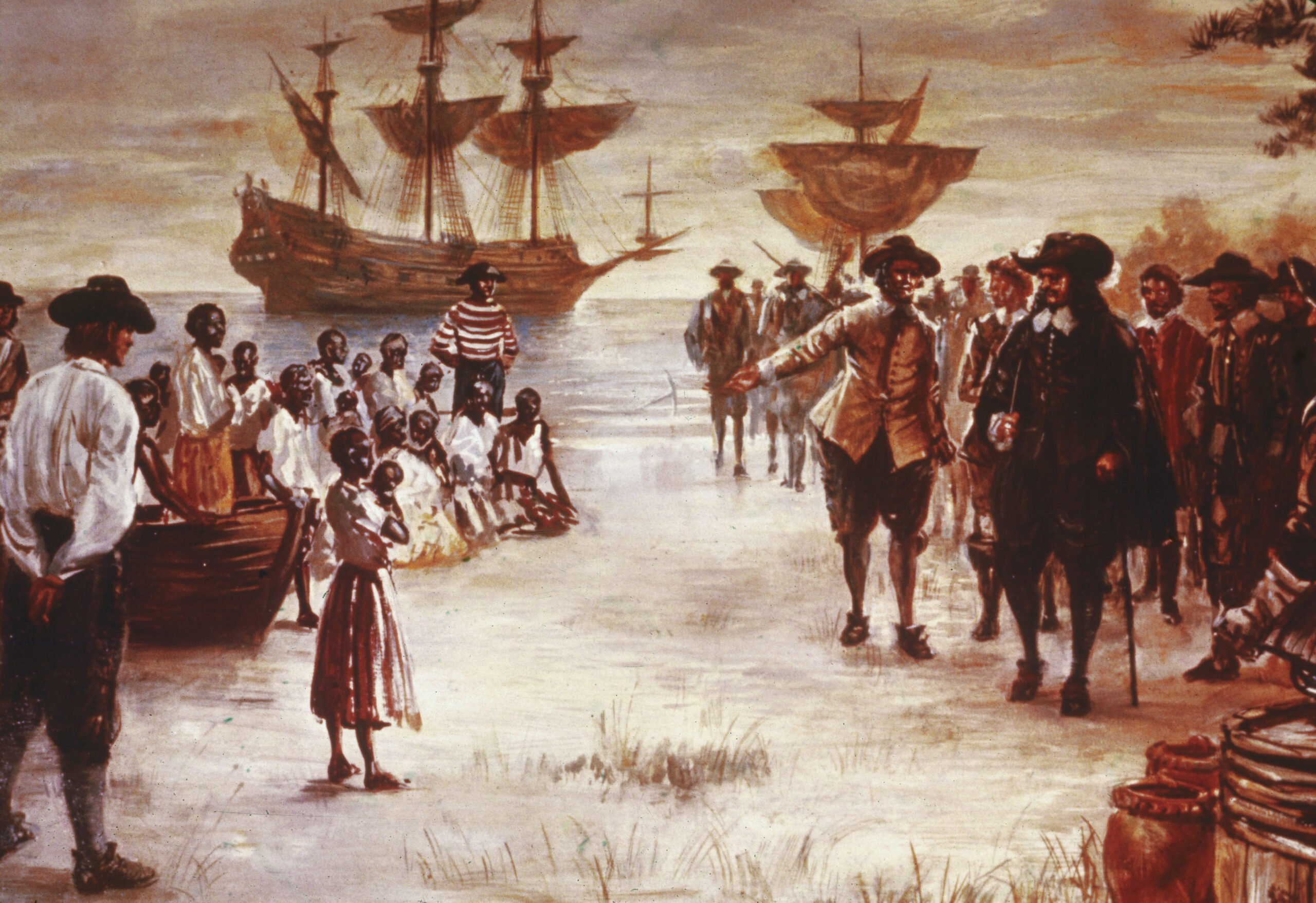
Slavery in the United States is often presented as a simple historical chapter, but the reality is far more complex and its impact continues to resonate today. In an era where historical narratives are sometimes softened or altered, understanding the stark truths about chattel slavery is crucial. Here are ten undeniable facts that shed light on this foundational aspect of American history.
The Immense Scale of the Transatlantic Slave Trade
Between the early 1500s and late 1800s, an estimated 12.5 million Africans were forcibly transported across the Atlantic. Tragically, only about 10.7 million survived the horrific Middle Passage. Shockingly, only about 5% of these enslaved Africans ended up in what is now the United States, with the majority sent to Brazil and the Caribbean. Unlike other forms of slavery, U.S. slavery was uniquely race-based and legally codified, treating enslaved people as property.
The Late and Uneven Legal End of Slavery
While the Emancipation Proclamation was issued in 1863, it only applied to Confederate states and couldn’t be enforced in areas still under Confederate control. Slavery legally persisted in Union border states like Kentucky and Delaware until the 13th Amendment was ratified in December 1865. This is why Juneteenth, celebrated on June 19th, marks the day enslaved people in Galveston, Texas, finally learned of their freedom, over two years after the Proclamation. This staggered end highlights the resistance to freedom and the subsequent implementation of Jim Crow laws and segregation.
Institutions Still Profiting from Slavery
Many contemporary companies and universities have direct links to the profits generated by slavery. Institutions like Lloyd’s of London insured slave ships, while companies such as Brooks Brothers sold “slave livery.” Major American banks and insurance giants like JPMorgan Chase, Bank of America, Aetna, and New York Life profited from slave-based collateral and policies. Elite universities, including Harvard and Yale, acknowledge their foundations were built on wealth derived from slavery.
The Unimaginable Brutality of the Middle Passage
The Middle Passage was a period of unimaginable horror. Captives were chained in suffocating, unsanitary conditions, facing rampant disease, abuse, and starvation. Mortality rates were as high as 15-25%, meaning millions died before reaching the Americas. Survivors carried deep physical and psychological trauma, impacting generations.
Enslaved People Built America’s Foundations
Beyond agricultural labor, enslaved individuals were instrumental in constructing iconic American landmarks, including the U.S. Capitol and the White House. They also fueled economies through the production of sugar, coffee, cotton, and tobacco, commodities that enriched global markets and financed American financial institutions. By the mid-19th century, cotton produced by enslaved labor constituted over half of U.S. exports.
Slavery Was a National Enterprise, Not Just Southern
While the South is often synonymous with slavery, Northern states were deeply involved. New York, Rhode Island, and Massachusetts had significant enslaved populations, and Rhode Island dominated the North American slave trade. Northern merchants financed voyages, insured ships, and processed slave-produced goods, demonstrating that slavery was a national economic engine, even after formal abolition in the North.
Skilled Innovators Despite Oppression
Enslaved Africans were not merely laborers; they were skilled artisans, innovators, and knowledge-bearers. Many were blacksmiths, carpenters, weavers, and woodworkers whose craftsmanship was vital to early America. They also brought crucial agricultural knowledge, particularly in rice cultivation, which significantly boosted plantation economies. These contributions highlight their ingenuity and the cultural imprints they left on American identity.
The ‘Happy Slave’ Narrative Was Deliberate Propaganda
The notion of “happy slaves” was a manufactured myth used to justify the brutality and dehumanization inherent in the system. Enslaved people faced routine rape, family separation through sale, and horrific medical exploitation. Despite this, they engaged in constant resistance, through escape, sabotage, and the preservation of African culture, acts that challenged the dehumanizing narrative.
Enslaved People Were the Nation’s Largest Financial Asset
On the eve of the Civil War, the estimated value of enslaved people in the U.S. was around $3 billion in 1860 dollars, making them the single largest financial asset in the country. This economic reality explains the fierce defense of slavery by wealthy elites. Even after emancipation, this wealth imbalance persisted, with governments sometimes compensating enslavers rather than the formerly enslaved.
The Enduring Legacy of Slavery
Emancipation did not end the impact of slavery; it evolved into systems like convict leasing, Jim Crow laws, redlining, and mass incarceration. The racial wealth gap, disproportionate incarceration rates for Black Americans, and ongoing systemic inequities are direct consequences of slavery’s institutional framework. Slavery is not merely a past event but the foundation upon which present-day challenges are built, a legacy from which Black people have continually survived and thrived.
Which of these facts about U.S. slavery surprised you the most? How do you think understanding these truths impacts our present? Share your thoughts in the comments below!