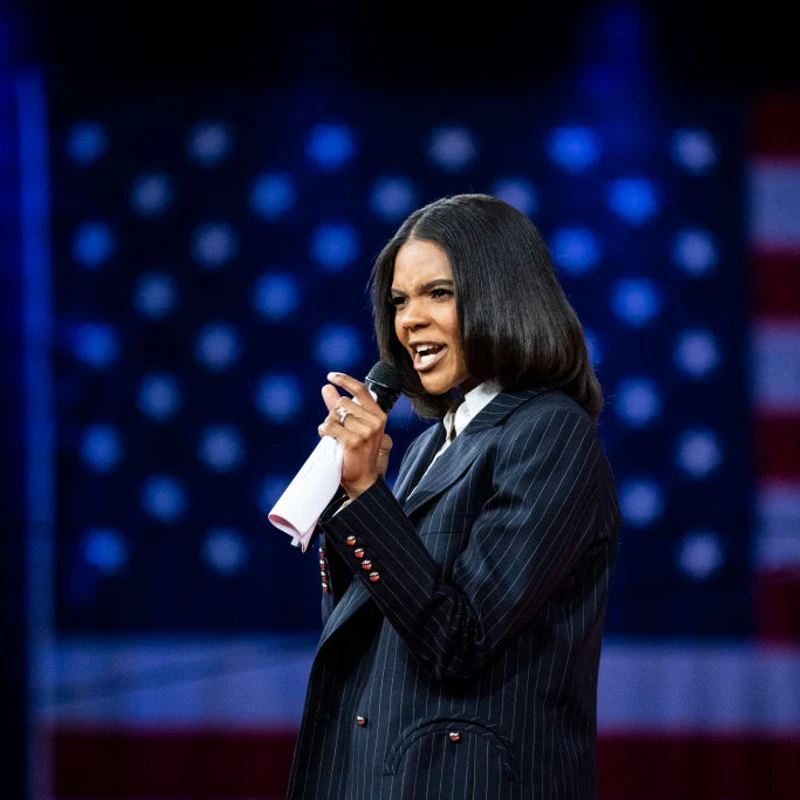
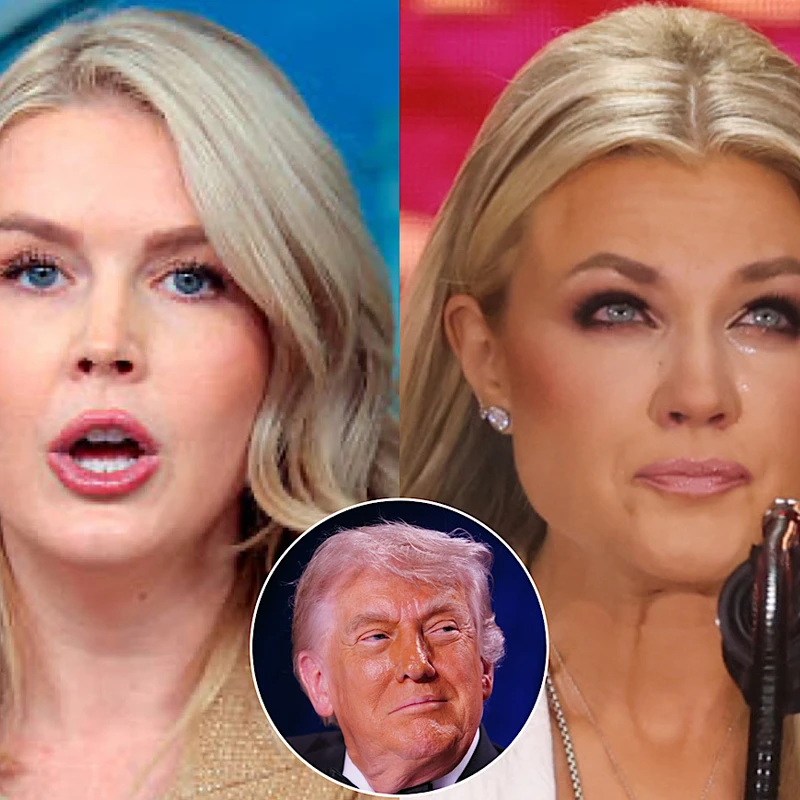
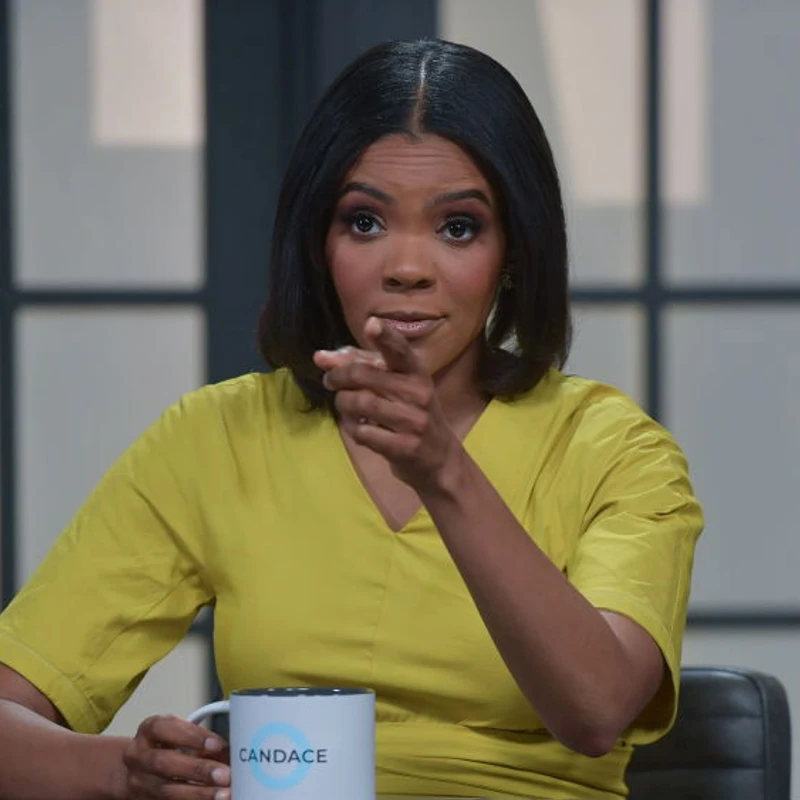
Recent events have seen Candace Owens facing harsh criticism, including racist remarks from figures like Laura Loomer and a doctored image from Donald Trump labeling her negatively. While the language used is undeniably ugly and racist, many in the Black community are finding it difficult to muster sympathy. This reaction stems not from condoning racism, but from a deeper reckoning with Owens’s own history of rhetoric that has often targeted and undermined Black life and struggles.
The Familiar Language of Racism
The term ‘nappy-headed,’ used by Loomer, is a tired and recycled racial slur historically used to degrade Black women. It echoes past controversies, like Don Imus’s comments in 2007. While such language is unacceptable, its application to Owens doesn’t evoke widespread empathy because of who she is and the platform she has built. The focus shifts from the racism itself to the target and the context.
Owens’s Brand: Contrarian Takes on Black Life
Candace Owens has cultivated a career by offering contrarian views on Black issues. She has frequently dismissed systemic inequality, suggested Black Americans are solely responsible for their outcomes, and even claimed Black communities have been ‘given permission to be unbelievably racist.’ Her comments following George Floyd’s murder, emphasizing his past record and stating the idea of him as a martyr ‘sickens’ her, were particularly jarring to many during a time of collective grief and protest.
Dismissing Black Movements and Minimizing Harm
Owens has been openly critical of Black political movements, labeling Black Lives Matter as divisive and rooted in ‘victim mentality.’ She described activists as ‘whiny toddlers.’ These statements, made during periods of intense national focus on police brutality and racial injustice—marked by events like the killings of Tamir Rice, Trayvon Martin, and Michael Brown—were perceived by many as dismissive and contemptuous of Black pain and demands for dignity.
When you dismiss systemic racism as a myth, you give cover to policies and institutions that refuse to address it. — Dr. Stacey Patton (Op-Ed)
Her rhetoric has provided cover for those who wish to avoid addressing systemic racism, as a Black voice making such claims can be weaponized as ‘proof’ or ‘permission’ to continue harmful narratives. This messaging extends beyond social media, influencing policy debates, school board decisions, and public perception.
Fractured Alliances and Shifting Loyalty
Owens’s political alignments have also drawn scrutiny. She built her platform within conservative and Trump-aligned media, often serving as a counterpoint to Black political consensus. More recently, her public questioning of Charlie Kirk’s death and promotion of conspiracy theories have even fractured relationships within those spaces. Her continued defense of white conservative figures who have historically degraded Black people is seen by many as a devotion that is not reciprocated, making her a ‘useful’ but ultimately disposable figure.
The Consequences of Alignment
The damage caused by Owens’s rhetoric is significant. By legitimizing narratives that downplay racism, mock police violence, and frame Black communities as dysfunctional, she provides cover for policies and institutions that perpetuate harm. This messaging reinforces stereotypes used for generations to justify neglect and punishment.
For many Black individuals, Owens’s consistent alignment against Black history, grief, and demands for dignity, in favor of narratives that diminish them, makes the expectation of solidarity unwarranted. The author argues that Owens is not a victim of the conservative ecosystem but a builder within it, and is now experiencing the consequences of that alignment. Her value was tied to her usefulness in reinforcing specific narratives; deviating from that can make her a liability.
Recalibration, Not Redemption
Owens is likely to recalibrate, framing the attacks as proof of her independence. Redemption, however, requires accountability and a reckoning with the harm caused by her rhetoric—a climb far steeper than a simple rebrand. Black audiences, particularly those she has antagonized, remember the ‘receipts.’ Her actions are seen as strategy, not growth. Ultimately, aligning with forces that diminish one’s own community proves to be a conditional relationship, leaving individuals vulnerable when that usefulness expires.
Do you believe Candace Owens has caused harm with her rhetoric? How should Black audiences respond when public figures from their community align with anti-Black sentiments? Share your thoughts in the comments.