Tag: CEO

  • Op-Ed: Fawn Weaver’s Public Persona vs. Business Acumen

    In today’s business landscape, CEOs often serve as the public face of their companies, a role that requires visibility on social media and engagement with consumers. While this public-facing presence can build trust and brand loyalty, it can also become a significant distraction from the core business operations. The recent controversy surrounding Fawn Weaver and Nearest Green Distillery serves as a potent example of this delicate balance.

    Nearest Green Distillery Faces Receivership

    A Tennessee federal judge recently ordered Nearest Green Distillery to be placed into receivership, granting a third party the authority to manage the company’s finances. This action was taken after Farm-Credit Mid America filed a lawsuit alleging the company defaulted on $108 million in loans. Phillip G. Young, Jr. has been appointed as the receiver.

    It’s a difficult situation for Weaver and the brand, especially given the strong resonance of its story within the Black community. The brand honors Nathan “Nearest” Green, recognized as the first Black master distiller, whose techniques, including the “Lincoln County Process,” were foundational to Tennessee Whiskey and even influenced Jack Daniel. Weaver discovered this history in a New York Times article, which sparked the idea for Uncle Nearest.

    The Challenge of Balancing Roles

    Weaver, a “serial entrepreneur” for 25 years prior to launching Uncle Nearest, is now navigating the complex terrain of being both a public personality and a business professional. Her recent self-reference as the “People’s CEO” raises concerns that her public persona might be overshadowing essential business responsibilities. This situation draws parallels to that of Kimberly Bryant, founder of Black Girls Code.

    Bryant, an electrical engineer, faced allegations of a fear-based leadership style, leading to her removal by the board in 2022. While she initially expressed shock and dismay, Bryant and the board eventually reached an amicable agreement. Both experiences underscore the challenges Black founders can face when increased visibility leads to a greater focus on public personality over professional management, particularly concerning financials.

    Focusing on Financial Security

    The author suggests that founders of color, like Weaver and Bryant, need to be mindful of not becoming so consumed with being the “face” of their companies that they neglect the critical aspect of financial management. Without a solid financial foundation, the business itself cannot thrive, regardless of how strong the public persona may be.

    What are your thoughts on the challenges faced by founders in balancing public image and business operations? Share your insights in the comments below!
  • Caroline Wanga Departs ESSENCE After Four Years

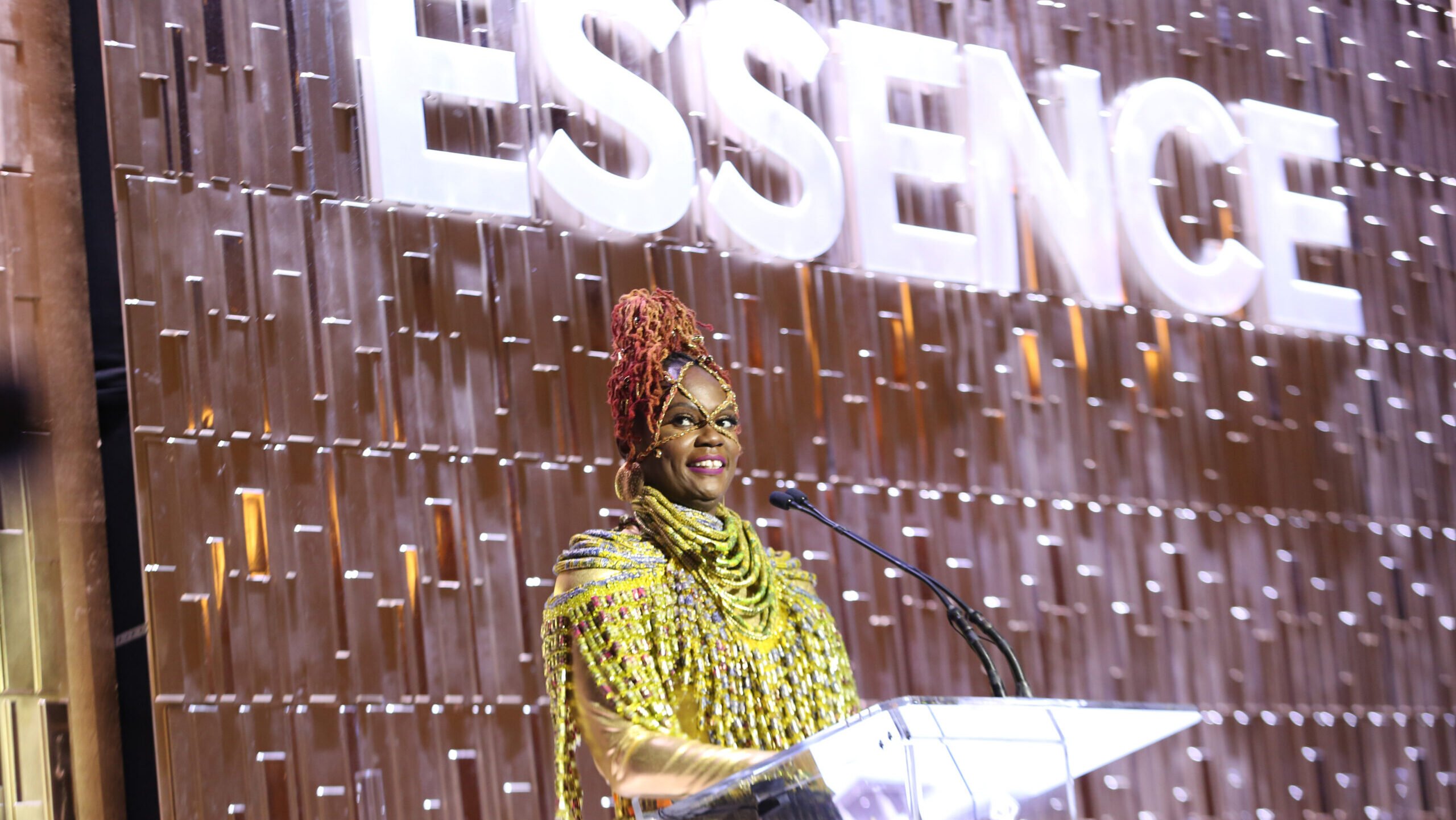
    Caroline Wanga, who has led ESSENCE Ventures as President and CEO for the past four years, has officially stepped down. The announcement came in a joint statement from Wanga and ESSENCE Ventures on Monday, August 25th, confirming she will be entering a new chapter in her career after being on health leave since September 2024.

    A Transformative Four-Year Tenure

    During her time at the helm, Wanga oversaw not only the iconic ESSENCE magazine but also brands like Afropunk, Beautycon, and ESSENCE Studios. Richelieu Dennis, Founder and Chairman of Sundial Technology & Media Group (ESSENCE Ventures’ parent company), expressed profound gratitude for Wanga’s leadership. “Her expertise in culture, equity, and organizational change has fueled progress across the ESSENCE Ventures portfolio,” Dennis stated, celebrating the “indelible mark” she left on the company and beyond.

    Wanga, a cultural architect and author with a background in diversity, equity, and inclusion, previously spent 15 years at Target, where she held the role of chief culture, diversity, and inclusion officer. She succeeded Dennis as CEO after his 2018 reacquisition of ESSENCE from Time Inc.

    Addressing Festival Backlash and Personal Reflections

    Wanga’s departure follows scrutiny surrounding the recent ESSENCE Festival of Culture in July. She had previously addressed online criticism that accused the festival of favoring influencers and exclusive events. Wanga emphasized the importance of using factual insights to drive change and defended her heritage and values, noting that some critiques touched on xenophobic themes.

    She also clarified that she was on health leave prior to the festival’s operational planning and execution. Wanga stated that her extensive career experiences have no proven role in the company’s current state, but she remains committed to answering questions with her known perspective and accountability. Her memoir, “#ImHighlyPercentSure,” was released in May.

    The opportunity to serve Black women as CEOs of home, culture, and community will forever represent pride, to do my best to serve will forever represent courage, and fulfilling my next purpose calling will forever represent conviction. — Caroline Wanga

    It remains unclear what Wanga’s next professional steps will be. Her tenure at ESSENCE marked a significant period of growth and cultural impact for the brand.

    What are your thoughts on Caroline Wanga’s departure from ESSENCE? Share your reflections in the comments below!

  • Lowe’s CEO Marvin Ellison Soars Under Black Leadership

    Marvin Ellison, CEO of Lowe’s, is celebrating a significant milestone: seven years at the helm of the home improvement giant. Under his leadership, Lowe’s has not only achieved strong performance on Wall Street but has also focused on employee growth and development, proving the immense value of Black leadership in the corporate world.

    A Trailblazing Career in Retail

    Ellison has made history as the first Black executive to serve as CEO of two Fortune 500 companies, first leading JCPenney before taking the reins at Lowe’s in 2018. His extensive leadership experience also includes roles at Target and The Home Depot. Celebrating his seven-year anniversary at Lowe’s, Ellison marked the occasion by spending time in the aisles with employees, recognizing their hard work and contributions.

    “I celebrated my 7-year anniversary at Lowe’s the same way I began – in the aisles of our stores,” Ellison shared on LinkedIn. “It was an honor to receive my service badge from the hard-working Associates at Store 2304 in Chicago… I thank God for his continued blessings & favor!”

    Investing in People and Performance

    Ellison has been vocal about Lowe’s commitment to employee growth, highlighting initiatives like a $50 million investment over five years to train 50,000 individuals in skilled trades. Recognizing the critical shortage of skilled workers in the U.S., Lowe’s aims to be part of the solution. This focus on workforce development not only benefits employees but also strengthens the company’s operational capabilities.

    His leadership has also translated into impressive financial results. Lowe’s stock saw a significant increase of 16.1% in just one month, rising from $215 to $249.7. The company generated $83.7 billion in revenue and approximately $7 billion in profits, underscoring Ellison’s strategic vision and effective management. He is recognized as one of the top Black CEOs leading Fortune 500 companies in 2025.

    Ellison often advises younger workers to stay close to the “cash register” and customer-facing roles, emphasizing the enduring value of hands-on experience and customer interaction, especially in the face of AI advancements. He believes these roles offer more stable employment opportunities for growth compared to solely focusing on corporate positions.

    What advice do you have for aspiring leaders in the business world? Share your insights in the comments below!
  • Target CEO Brian Cornell Steps Down Amid Sales Slump

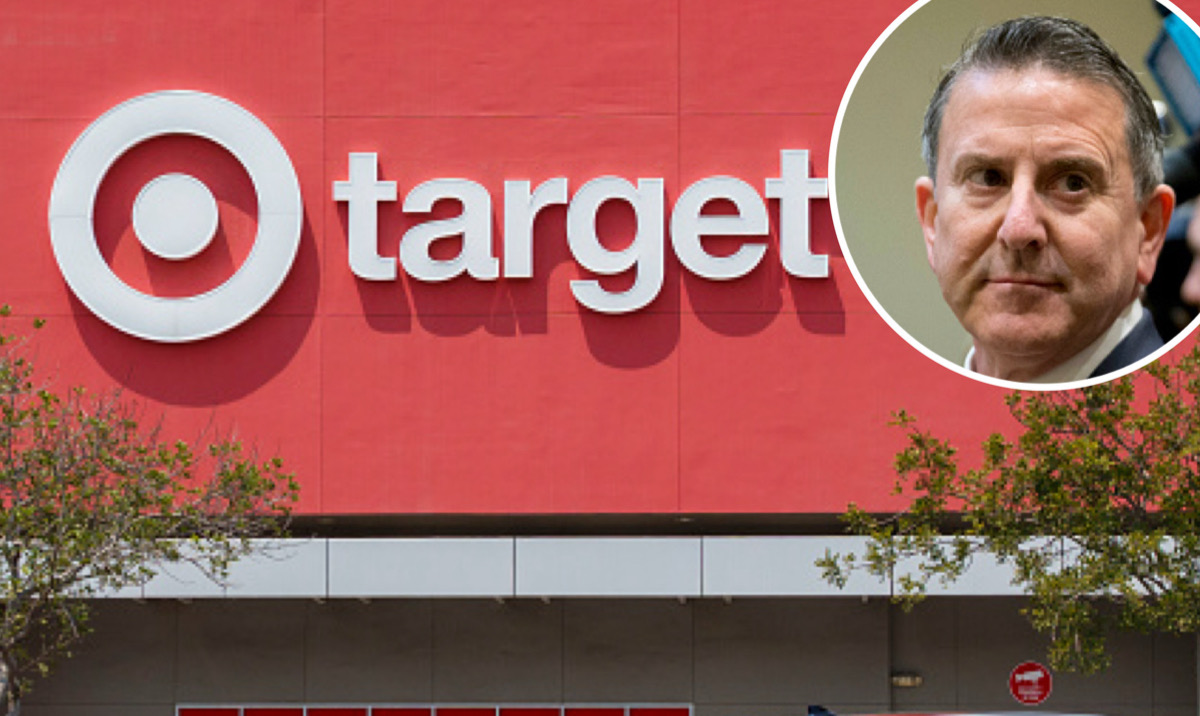
    In a significant leadership shift, Target CEO Brian Cornell has announced he will be stepping down from his role after more than 11 years. Cornell will transition to the position of executive chair of the Board of Directors starting February 1, 2026. This announcement comes at a challenging time for the retail giant, which has been grappling with slumping sales and public backlash concerning its Diversity, Equity, and Inclusion (DEI) initiatives.

    New Leadership Amidst Retail Challenges

    Taking the helm as Cornell’s successor will be current COO Michael Fiddelke, a 20-year veteran of Target. The company’s Board of Directors has unanimously selected Fiddelke, expressing confidence in his ability to steer the company back towards growth and strategic focus. Christine Leahy, lead independent director of Target’s Board, stated in a press release, “It is clear that Michael is the right leader to return Target to growth, refocus and accelerate the company’s strategy, and reestablish Target’s position as a leader in the highly dynamic and fast-moving retail environment.”

    Leahy further highlighted Fiddelke’s extensive experience and trust within the company, noting his ability to combine enterprise insight with a “fresh eyes” mindset to challenge the status quo and drive long-term value.

    Sales Decline and DEI Backlash

    The leadership change occurs as Target reported a sales fall for the third consecutive quarter, with shares dropping significantly in premarket trading. Target’s stock performance has been among the weakest in the S&P 500 this year. Many observers link this downward trend to the company’s decision to scale back its DEI programs, particularly after President Trump’s executive orders aimed at dismantling such initiatives.

    The backlash from consumers who felt the company abandoned its commitment to DEI has been substantial, leading to boycotts and a decline in customer loyalty. This has put immense pressure on the company to rebuild consumer trust and re-establish its reputation in a competitive retail landscape.

    With Brian Cornell stepping down and Michael Fiddelke stepping in, Target stands at a critical juncture. The success of this leadership transition will hinge on Fiddelke’s ability to navigate the current retail environment, address consumer concerns, and prove that Target can indeed thrive once more.

    What are your thoughts on Target’s recent challenges and the upcoming leadership change? Can Michael Fiddelke turn things around? Share your opinions in the comments below!