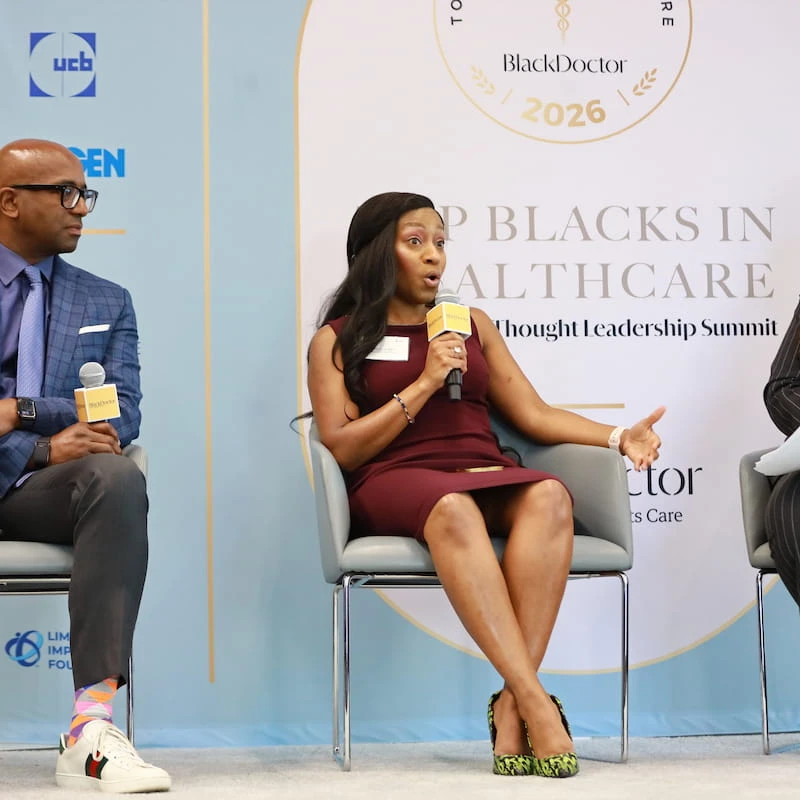
Cancer continues to disproportionately affect Black communities, leading to poorer outcomes in breast, prostate, and colorectal cancers. But why does this gap persist? It’s a complex issue rooted in barriers like limited access to specialized care, deep-seated medical mistrust, low participation in clinical trials, and systemic inequities. At BlackDoctor’s 10th Annual Thought Leadership Summit, experts dove deep into these challenges and explored pathways toward a more equitable future.
Understanding the Roots of Cancer Disparities
Black patients often face a tougher road when diagnosed with cancer. This can mean delayed diagnoses, less access to top-tier care, lower involvement in crucial clinical trials, and ultimately, worse survival rates. These aren’t individual failings; they’re often the result of social determinants of health (SDOH).
Think about it: factors like reliable transportation to appointments, economic stability, educational opportunities, the safety and resources of your neighborhood, and even just getting to a doctor can significantly impact cancer outcomes. As Rodney Gillespie from Novartis pointed out, “Your zip code should not determine how long you live.” Where you live truly affects your access to screenings, specialists, and treatment centers.
Building Bridges: Trust in Healthcare
Building trust between healthcare systems and Black communities is perhaps the biggest hurdle. Historical injustices, like the Tuskegee Syphilis Experiment, and ongoing experiences with bias and racism create a valid hesitancy among many Black patients to fully engage with health systems, treatments, or clinical trials. Kerri Gober from the American Cancer Society emphasized that the system needs to actively reach out.
“We have to come out of the lab and get into the community,” Gober stated. This means healthcare professionals and researchers need to actively partner with community leaders, churches, local events, and advocacy groups. Building genuine relationships and ensuring representation are vital steps in fostering trust and encouraging participation.
The Power of Early Conversations and Screening
Early detection is a game-changer, especially for cancers like breast, prostate, and colorectal. Normalizing conversations about screening within families and communities is essential. Gillespie shared a personal story about encouraging a friend to get his prostate-specific antigen (PSA) levels checked, highlighting how these simple conversations can prompt life-saving actions.
Gober added, “Please start talking to your children about screening — that’s our next generation.” Educating and empowering younger generations about health screenings is key to breaking cycles of disparity.
Access: Where Innovation Meets Reality
We often hear about groundbreaking medical innovations, but what good are they if communities can’t access them? Black individuals continue to face significant barriers to advanced treatments, specialist care, and clinical trials. Gillespie posed a critical question: “What if you have innovation, but can’t bring it to the community?” True equity means ensuring that medical progress benefits everyone, not just those with the most resources.
Collaborating for a Healthier Future
The path forward requires a collective effort. Healthcare professionals, advocates, and communities must work hand-in-hand. Through dedicated education, consistent trust-building, proactive screening, and ensuring equitable access to care, we can truly begin to rewrite the narrative for cancer outcomes in Black communities. As Gillespie concluded, “The system needs to change, but we can make that change.”
What steps do you believe are most crucial for achieving cancer care equity? Share your thoughts and experiences in the comments below!