Tag: Business Owners

  • Landscaping: Building Roots for Black Businesses

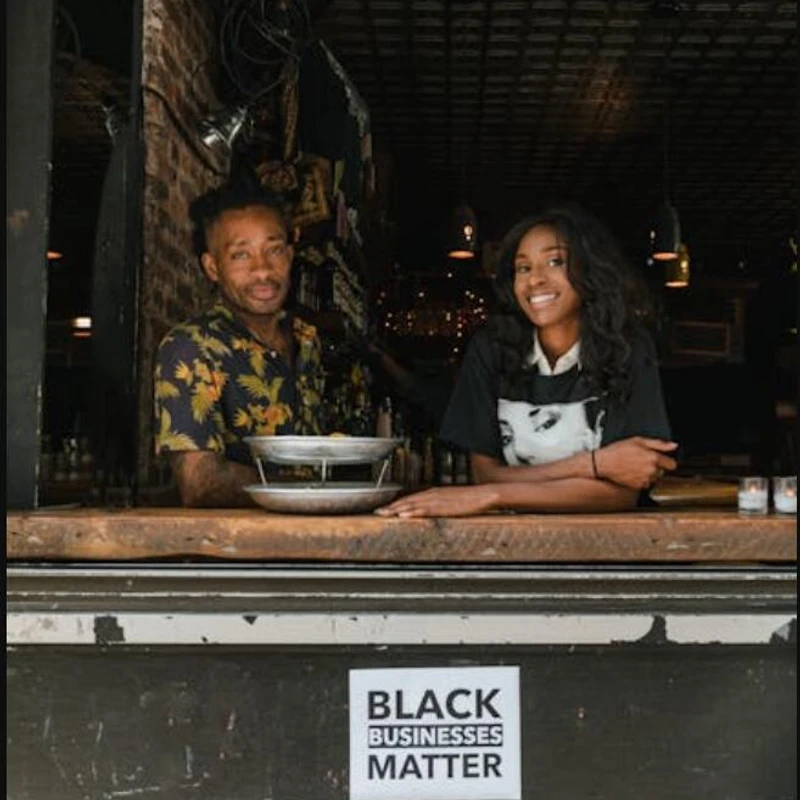
    For Black-owned businesses, a well-maintained exterior isn’t just about curb appeal; it’s about planting deep roots within the community. Investing in beautiful landscaping can significantly elevate a business’s image, increase property value, and foster a stronger connection with customers and employees alike.

    Creating a Polished First Impression

    Think about it: what’s the first thing a client or potential employee sees when they arrive at your business? A thoughtfully designed landscape, complete with colorful plants, inviting walkways, and perhaps even a water feature, creates an immediate sense of professionalism and care. This polished image can make a business stand out in a crowded marketplace.

    Beyond aesthetics, commercial landscaping can boost property value by up to 20%, according to Landscape Workshop. This investment can pay dividends whether you’re leasing space or planning to sell your property down the line. Plus, a more pleasant environment can lead to happier, healthier employees who are less likely to call out sick.

    Embracing Nature and Community Wellness

    Effective landscaping goes beyond just flowers. It involves strategic planning with a landscape architect to incorporate elements like patios, walkways, and lighting that enhance functionality and ambiance. Considering native plants is key, as they are better adapted to the local climate, requiring less water and fewer pesticides, which benefits both the environment and your maintenance budget.

    Incorporating elements like rain gardens can help manage property runoff while creating natural drainage and providing habitats for local wildlife, increasing biodiversity. Using organic mulch not only suppresses weeds but also enriches the soil, supporting the long-term growth and health of your business’s ‘roots’.

    Designing for Diverse Climates and Cultures

    Even in dry climates, beautiful landscaping is achievable through xeriscaping, utilizing drought-tolerant native plants like cacti and succulents, combined with elements like rock gardens and pavers. For Black-owned businesses looking to deepen their connection with the community, landscaping offers a unique opportunity to integrate cultural elements.

    This could involve selecting flora native to ancestral regions, creating gathering spaces that reflect traditional outdoor socialization, or incorporating public art that tells a story of heritage. Such intentional design choices can transform a business’s exterior into a cultural destination, strengthening bonds with the local customer base.

    • Enhance brand image and create a strong first impression.
    • Increase property value and potential for profit.
    • Improve employee well-being and reduce absenteeism.
    • Support local biodiversity with native plants and rain gardens.
    • Incorporate cultural elements to connect with the community.

    Ready to cultivate a more vibrant exterior for your Black-owned business? Explore more business and renovation tips on our website!

  • AI’s Impact: 1 in 4 Businesses Lose Clients

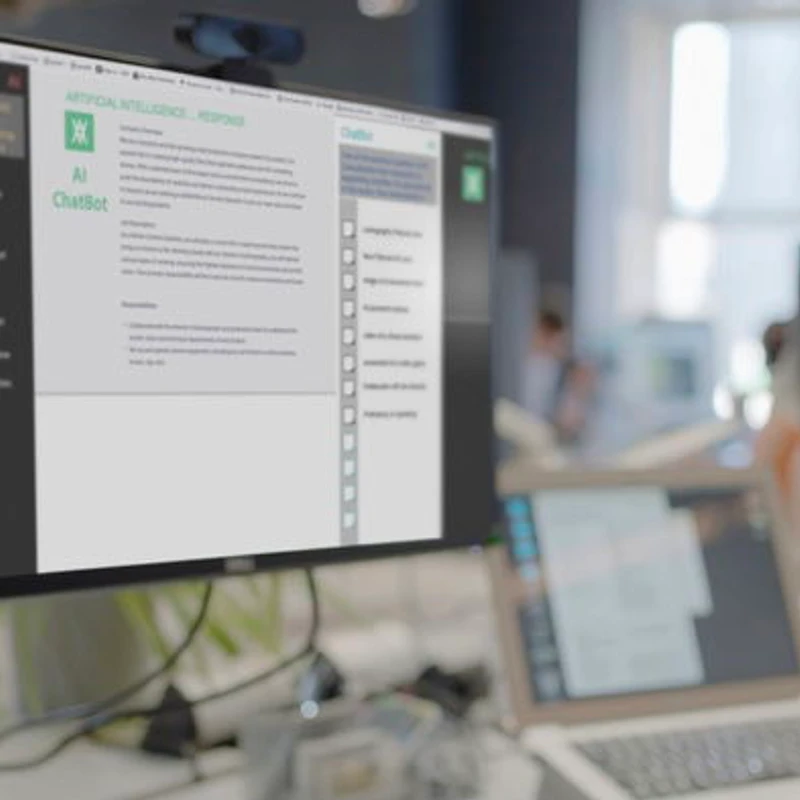
    It’s a wake-up call for entrepreneurs! A recent survey by UPrinting reveals that a significant quarter of business owners are feeling the pinch of artificial intelligence, with 1 in 4 reporting they’ve lost clients because customers are turning to AI tools instead of paying for their services. This isn’t just a trend; it’s a fundamental shift that business owners need to understand for 2026 and beyond.

    When AI Becomes the Competition

    Remember when DIY tutorials on YouTube were the go-to? Now, AI is powering that same do-it-yourself mindset, but on a whole new level. Instead of searching for how to design a logo, consumers are simply typing prompts into AI generators. This instant gratification and convenience often overshadow the value of human expertise, leading to lost revenue for many businesses.

    But here’s the good news: many entrepreneurs aren’t just seeing AI as a threat. They’re responding with creativity and resilience! The key is emphasizing the unique human elements – expertise, judgment, and genuine connection – that machines simply can’t replicate. Plus, many are finding ways to integrate AI into their own processes to stay competitive, turning disruption into an opportunity for innovation.

    Striking a Balance: Keeping AI Human

    As AI becomes more ingrained in daily operations, a major concern for 65.5% of business owners is that it might make their business feel less personal or authentic. For small and mid-sized businesses, this authenticity is their superpower! They’ve built loyal customer bases through relationships and genuine connection, something an algorithm can’t manufacture. In fact, many consumers are growing tired of generic AI-generated content and can spot it a mile away.

    The smart approach? Finding that sweet spot between automation and the human touch. This means using AI to enhance, not replace, your brand’s personality. Think customized communications, keeping real people in customer-facing roles, and leveraging AI for behind-the-scenes efficiency. The goal is to innovate without sacrificing the trust you’ve worked so hard to build.

    AI in Marketing: A Content Creation Boost

    When it comes to marketing, nearly half of small business owners (46%) see AI as a major help. From social media posts to blog articles and email campaigns, AI marketing tools are a game-changer for saving time and increasing visibility. Many entrepreneurs juggle multiple roles, and content creation often takes a backseat. Generative AI tools help bridge that gap, ensuring consistency and creativity without necessarily needing to hire an expensive agency.

    AI is becoming a valuable creative partner. Tasks that once took hours can now be done in minutes, freeing up business owners to focus on growth, strategy, and nurturing customer relationships. And let’s not forget tangible marketing assets! Business owners continue to invest in printed materials like signage and packaging to stand out in our increasingly digital world.

    Customer Service Revolution: AI for High Earners

    For businesses raking in $150,000 or more, AI’s biggest impact is seen in customer support. As businesses scale, the need for fast, consistent communication becomes critical. AI-powered chatbots and virtual assistants are enabling smaller teams to offer 24/7 responsiveness without a massive increase in staff. It’s about enhancing the customer experience, not replacing people.

    By automating frequently asked questions and streamlining routine requests, businesses can free up their human support staff to tackle more complex, high-touch issues. The result? Quicker responses, happier customers, and a support system that scales intelligently.

    Gen Z’s Caution: AI and Misinformation Concerns

    Not everyone is jumping on the AI bandwagon with full enthusiasm. One in five Gen Z entrepreneurs are particularly worried about AI-driven misinformation and its potential to harm their customers and brand reputation. Having grown up online amidst fake news and deepfakes, they understand how quickly misinformation can spread and how damaging it can be.

    This generation is prioritizing authenticity and transparency, taking a more measured approach to AI. They recognize that being mistrusted is far worse than being out-marketed. Their focus is on building brands that earn belief, not just clicks, and they lean into the human elements that AI can’t automate, like unique packaging and memorable brand experiences.

    Leaders Draw the Line: Human Judgment in Hiring

    When it comes to crucial decisions like hiring and performance reviews, human judgment remains paramount. Half of senior managers are firmly against handing these responsibilities over to AI. They’ve seen the pitfalls of biased algorithms and are wary of letting automation dictate who gets hired or promoted. For them, people management requires empathy and context, not just data points.

    These leaders aren’t anti-AI; they’re pro-accountability. As automation advances, they’re choosing to keep the final say with humans to ensure fairness, maintain trust, and protect company culture.

    The Path Forward: Human Resilience and Heart

    The UPrinting study clearly shows that business owners are thinking critically and creatively about how to leverage AI without losing their unique identity. While AI presents challenges, it also unlocks exciting opportunities to connect, grow, and serve customers in smarter, more meaningful ways. The future of business isn’t just about AI; it’s about human resilience, adaptability, and heart.

    How are you navigating the rise of AI in your business? Share your strategies and insights in the comments below!

  • Texas Scraps HUB Program for Veteran Focus

    In a significant and sudden shift, Texas has completely overhauled its state contracting system, effectively dismantling support for women and minority-owned businesses. A decades-old program designed to level the playing field has been rebranded and restricted, now exclusively benefiting service-disabled veterans. This move has left thousands of entrepreneurs scrambling to understand the new landscape.

    The End of the HUB Program

    The Texas Comptroller’s office announced on December 2nd that the Historically Underutilized Business (HUB) program is no more. Created by lawmakers to provide a crucial boost to disadvantaged businesses seeking state contracts, the program will no longer consider race, ethnicity, or sex as qualifying factors. This marks a dramatic departure from a system that has been in place for decades.

    The initiative is being replaced by a new program called Veteran Heroes United in Business (VetHUB). This new program will be exclusively for veterans who have at least a 20% service-connected disability. The changes took effect immediately through emergency rules, meaning the impact was felt overnight by many business owners who relied on the HUB certification.

    Impact on Certified Businesses

    Under the new VetHUB rules, any existing HUB certifications tied to an owner’s gender, race, or ethnicity have been revoked. Vendors received emails confirming the cancellation of their certifications and their removal from the state’s HUB directory. While ongoing contracts will remain unaffected, securing new or renewed certifications based on these previous criteria is now impossible.

    This drastic change narrows the scope of a program that, while never setting quotas, did establish participation goals that many state agencies strived to meet. These goals provided vital visibility and competitive opportunities for certified businesses. Now, thousands of entrepreneurs are losing that established foothold.

    Comptroller’s Justification

    Comptroller Kelly Hancock defended the decision, framing it as both a constitutional correction and a way to honor veterans. ‘Our nation’s veterans have always stepped up for us. VetHUB is Texas’ way of stepping up for them — cutting red tape, restoring constitutional integrity and opening doors for the men and women who wore our nation’s uniform,’ Hancock stated. He added that the emergency rules aim to ensure Texas’ state contracting is ‘free from gender or race discrimination.’

    This overhaul follows a freeze on new and renewed HUB certifications that began in late October. At that time, officials cited a need to review compliance with executive orders from President Donald Trump and Governor Greg Abbott, which prohibited diversity, equity, and inclusion (DEI) efforts in government. Hancock had previously indicated the pause was intended to end ‘race or sex quotas’ in state procurement.

    Legal Questions Remain

    The unilateral nature of this overhaul raises questions about its legal standing. The original HUB program was established by state statute, typically meaning significant policy changes require legislative action or a court ruling. The agency has not publicly detailed the authority it is using to bypass this standard process. As thousands of entrepreneurs navigate this sudden shift, the legal implications of Texas’s new contracting landscape are likely just beginning to unfold.

    What are your thoughts on Texas’s decision to replace the HUB program with VetHUB? How do you think this will impact small businesses in the state? Share your views in the comments below!