Tag: Black Youth

  • UK Police Strip-Search Black Youth 8x More Than White Peers

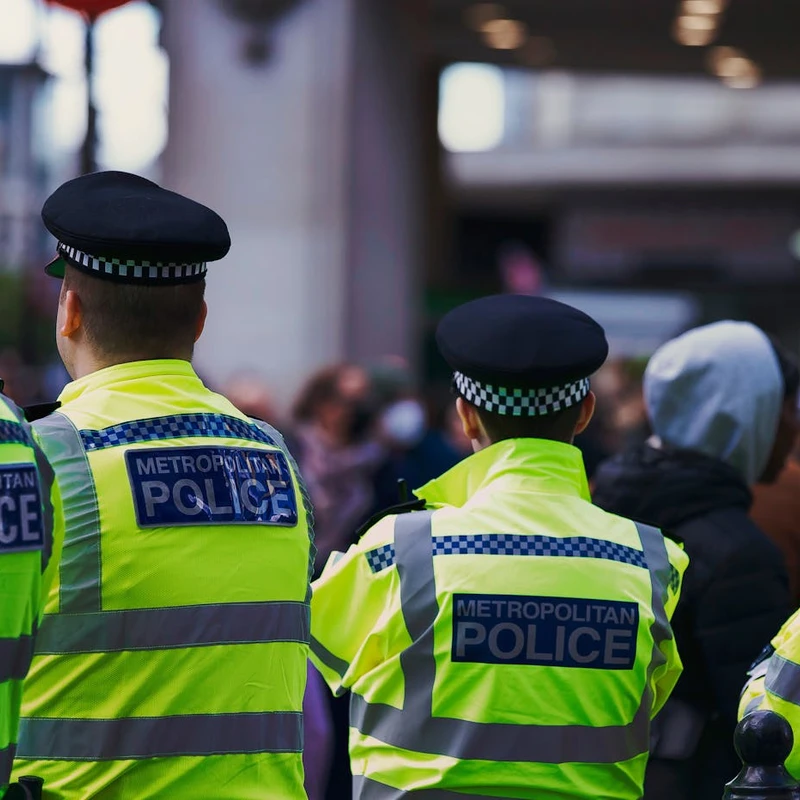
    A deeply concerning report from the Children’s Commissioner in the UK has brought to light a stark racial disparity in how police conduct strip searches on young people. The findings indicate that Black children are eight times more likely to be subjected to these invasive procedures compared to their white peers.

    This new data is prompting urgent calls for policy reform from state leadership, aiming to address what appears to be systemic bias within law enforcement practices. While the overall number of strip searches on children has decreased, the disproportionate targeting of Black youth remains a critical issue.

    Staggering Statistics on Disproportionate Searches

    The report, spearheaded by Dame Rachel de Souza, revealed that despite Black children making up only 6% of the UK’s 10-17 year old population (based on the 2021 census), they accounted for a staggering 35% of all children subjected to strip searches. This means over a third of these searches involved Black children.

    Furthermore, the report highlighted that Black children were also five times more likely to experience the use of force during these encounters. In some disturbing instances, children as young as 11 were subjected to these searches, often conducted in public settings without an adult present, a practice condemned by the Commissioner.

    Perceptions and Use of Force

    Dame Rachel de Souza pointed out a troubling difference in the justifications provided for using force. While white children were more likely to be described as having a mental health need, the reason cited for using force on Black children was often simply their size or build. “We cannot accept that black children are subjected to the use of force because of the way they are perceived,” she stated emphatically.

    This suggests that racial bias may be influencing officers’ perceptions and actions during stop-and-search encounters, leading to more aggressive treatment of Black youth. The findings underscore a deep-seated issue that requires immediate attention and systemic change.

    Police Response and Ongoing Concerns

    In response to the report and ongoing public pressure, the National Police Chiefs’ Council (NPCC) has announced updates to its stop-and-search procedures, promising a more “child-centered approach.” These changes follow a previous report on child strip searches from 2022.

    Deputy Chief Constable Andy Mariner assured that new policies are being implemented to combat the disproportionate use of stop and search, acknowledging that such practices can erode trust between the police and communities. However, high-profile incidents, like the forceful search of a Black teenage girl in 2022, continue to fuel public outcry and demands for greater police accountability.

    What are your thoughts on these findings? How can the UK effectively address racial disparities in policing? Share your views in the comments below.

  • Black Juveniles Face Higher Fines in Allegheny County

    New data from Allegheny County, Pennsylvania, is shedding light on concerning racial disparities within the juvenile justice system. Research indicates that Black juvenile defendants are being fined nearly twice as much as their white counterparts for similar citations issued by magisterial district judges between 2023 and 2024. This disparity affects children aged 5 to 17, who were ordered to pay over $190,000 in citation fines during that period.

    Disparities in School Citations

    An investigation into court proceedings across nearly a dozen Allegheny County jurisdictions revealed overcrowded waiting rooms disproportionately filled with students and families of color, even in predominantly white districts. Judge Bruce Boni acknowledged the “baked-in” racial disparities within the criminal justice system, suggesting that solutions must begin with examining how schools and police issue citations. “There’s only so much a court can do because, again, we are responsive [in nature],” Boni stated.

    While Pennsylvania judges can fine students up to $300, Magisterial District Judge Leah Williams Duncan, one of the few Black women in the county’s judiciary, noted she rarely imposes the maximum penalty. She questioned the logic of monetary fines for students already facing behavioral or mental health challenges, stating, “And the resources that are at my disposal to assess a monetary fine — just to me, it makes absolutely no sense.”

    Broader Trends and Calls for Unity

    A deeper analysis of records from 20 Allegheny County school districts showed that nearly one in five student citations were issued to Black girls, despite them comprising only one in 20 students in those districts. Olivia, a Highlands High School graduate fined $482.60 for fighting, shared her experience of feeling targeted: “It feels like being Black at a white school district, you feel targeted about a lot of things. They point you out for everything. And every little thing, every little mess up you do, it’s like you’re targeted.”

    This issue extends beyond Allegheny County. A 2023 U.S. Government Accountability Office report found that Black girls were referred to law enforcement at schools at three times the rate of white girls. Pennsylvania’s Juvenile Justice and Delinquency Plan for the same year revealed that while Black youth constitute only one in seven of the state’s youth population, they account for nearly a third of all youth arrests. Olivia’s mother, Pauline McKnight, is working to pay off her daughter’s fines and hopes to foster unity among young Black women to navigate and resist a flawed justice system.

    What are your thoughts on these findings? How can communities work towards creating a more equitable justice system for young people? Share your perspectives in the comments below!