
Tag: Black Women Unemployment

  • Black Women Lead Entrepreneurial Growth

    Black women are emerging as the fastest-growing demographic of entrepreneurs in the nation. A recent report from Wells Fargo, “The Impact of Women Businesses,” highlights this significant trend, revealing a substantial increase in both the number of Black women-owned businesses and their revenue between 2024 and 2025.

    Record Growth Driven by Ambition and Necessity

    The Wells Fargo report indicates that Black women-owned employer businesses saw a 13% growth, with revenue increasing by nearly 6%. For Black women-owned businesses without employees, revenue also grew by 8%, with the businesses themselves expanding by 13%. This growth significantly outpaces that of female-owned businesses overall, which grew at a rate of 4.4% during the same period.

    However, the narrative behind this impressive growth is complex. It’s not solely driven by ambition but also by necessity. The American workforce experienced significant disruption last year due to mass layoffs across various sectors, cuts to diversity, equity, and inclusion (DEI) initiatives, and the increasing adoption of artificial intelligence (AI), all contributing to workforce reductions.

    Disproportionate Impact on Black Women in the Workforce

    It’s evident that Black women were among the most affected by these workforce changes. Unemployment rates for Black women climbed from 5.4% to 7.3% by December 2025, largely due to federal job cuts that disproportionately impacted them. U.S. Bureau of Labor Statistics data indicates that over 300,000 Black women lost their jobs, compelling many to seek alternative means of financial support and entrepreneurship.

    Labor economist Valerie Wilson noted the unique severity of this decline for Black women, stating to the New York Times, “You don’t see that same loss with Black men, you don’t see that same loss with other groups of women. It was a sharp and unique decline in employment for Black women.” Rep. Ayana Pressley echoed these concerns, calling the situation “discriminate harm” and emphasizing its targeted nature: “None of this is by accident… This is discriminate harm. It is precise and it is targeted.”

    Betting on Themselves: The Rise of Black Women Entrepreneurs

    The report highlights that Black/African American, Asian American, and younger women are driving the future of entrepreneurship. In 2024, businesses owned by Black/African American and Asian American women were more likely to be started by women than men. Millennial and Gen Z startup entrepreneurs are also noted as being younger on average. This trend underscores a powerful movement of Black women taking control of their economic destinies, often out of necessity but also fueled by strong entrepreneurial ambition.

    What are your thoughts on the rise of Black women entrepreneurs? How can we better support these businesses and address the systemic issues contributing to job loss? Share your insights in the comments below!
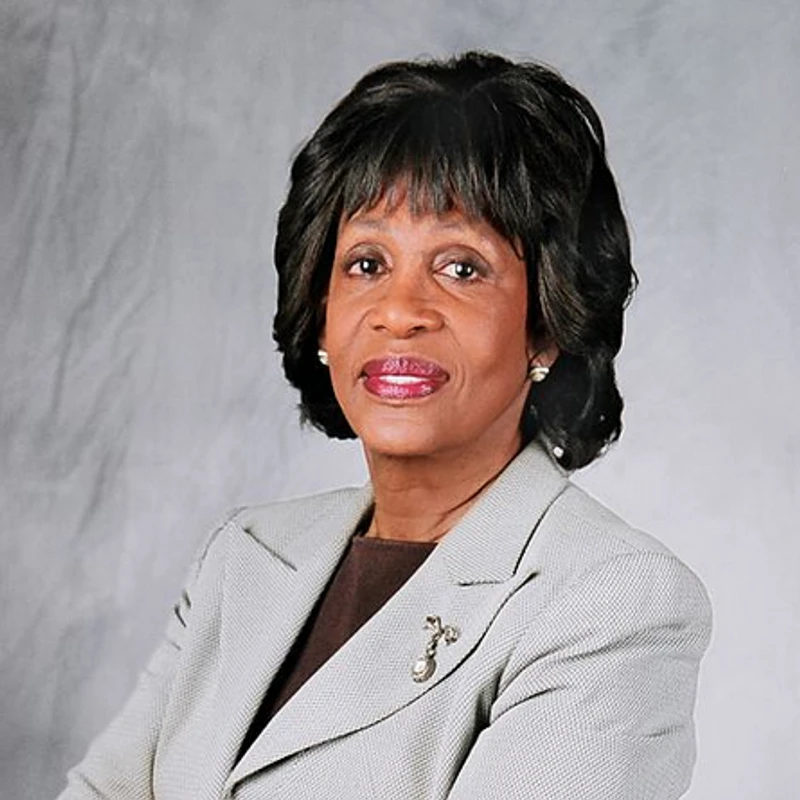
  • NCNW Celebrates 90 Years, Honors Maxine Waters

    The National Council of Negro Women (NCNW), a historic nonprofit coalition founded by Mary McLeod Bethune in 1935, is celebrating a major milestone: 90 years of dedicated service. To mark this significant anniversary, the organization is hosting its 19th Biennial Uncommon Height Honors Gala, an event dedicated to celebrating Black excellence.

    Honoring Black Excellence Amidst Challenges

    This year’s gala, themed around the “Black family and Black America being under attack,” will present multiple awards for the first time in its history, recognizing outstanding achievements across various fields. NCNW President and CEO Shavon Arline-Bradley emphasized the importance of these celebrations, especially in the current climate where Black institutions and protections are facing threats.

    The gala aims to highlight and celebrate individuals who embody resilience, innovation, and creativity, particularly in the face of challenges to Diversity, Equity, and Inclusion (DEI) programs. Bradley noted, “In this moment, we have realized that the Black community, Black women particularly, are a threat to society. Our excellence has exposed the mediocrity of our system in this country.”

    Maxine Waters Receives Top Honor

    The highest honor of the evening, the Crystal Chair Award, will be presented to Congresswoman Maxine Waters. This prestigious award is bestowed upon individuals who have demonstrated a lifetime commitment to freedom, career excellence, and dedication to humanity, mirroring the legacy of Dr. Dorothy Irene Height, who led the NCNW for 40 years. Waters, a long-serving U.S. Representative since 1991, is recognized for her unwavering advocacy.

    The gala will also present other awards, including the Change Maker Award for young women under 30 and the Uncommon Journalist Award, recognizing journalists who have faced attacks. These awards reflect the NCNW’s commitment to honoring diverse forms of excellence and resilience within the Black community.

    A Network of Support and Impact

    The NCNW is described as an “organization of organizations,” boasting nearly 400 campus and community-based sections and 37 national women’s organizations. This extensive network connects over 2,000,000 women and men, working to enlighten, inspire, and unite. Funding raised from the Uncommon Height Honors Gala directly supports the NCNW’s programming, direct services, and scholarship initiatives.

    Emmy Award-winning anchor Linsey Davis and legendary entertainer DJ D-Nice are set to host and emcee the event, adding star power to the celebration. This marks the second gala under the leadership of Bradley and NCNW Chair Dr. A. Lois Keith, with event co-chairs Dr. Johnnetta Betsch Cole and Carla Harris.

    What does the legacy of the National Council of Negro Women mean to you? How important is it to celebrate Black excellence, especially in challenging times? Share your thoughts in the comments below!

  • Pressley to Powell: Address Black Women’s Unemployment

    Are you keeping an eye on the job market? Because if you are, you might have noticed some concerning trends, especially for Black women. Congresswoman Ayanna Pressley is sounding the alarm, urging Federal Reserve Chair Jerome Powell to take immediate action as the unemployment rate for Black women continues to climb at a disproportionate rate.

    The Alarming Numbers

    In a letter sent on September 8, 2025, Pressley highlighted that in August, a staggering 6.7% of Black women were unemployed. To put that in perspective, it’s significantly higher than the national average of 4.3%, according to the Bureau of Labor Statistics. This isn’t just a blip; it’s a continuation of a worrying trend.

    As AFROTECH™ reported previously, Black women have faced elevated unemployment rates for months. The numbers have steadily increased, from 5.1% in March to a peak of 6.2% in May, before a slight dip in June. Pressley emphasizes that this disparity is a critical indicator of the overall health of the U.S. economy.

    Why This Matters

    Pressley points out that Black women are not only highly represented in higher education and entrepreneurship but also disproportionately serve as the primary breadwinners for their families. When this key demographic faces significant job losses, it sends shockwaves through households and the broader economy.

    She warns that with overall job openings and hires decreasing since July 2024, the current economic outlook should be viewed as a serious red flag for the entire country. This isn’t just about individual job losses; it’s about economic stability for many families.

    Contributing Factors

    Several factors are contributing to this crisis, according to Pressley. She cites mass federal workforce layoffs and ongoing attacks on diversity, equity, and inclusion (DEI) initiatives, particularly those escalated under the Trump administration. Black women are overrepresented in the federal workforce, making them particularly vulnerable to these cuts.

    The numbers are stark: between February and March, Black women experienced the largest job loss since mid-2020. Over the past year, their representation in federal jobs has declined by an estimated 33%, a much steeper drop than the overall federal workforce. This suggests a targeted impact on this demographic.

    A Call for Federal Reserve Action

    Pressley argues that these policies are harming the economy by removing the valuable contributions of Black women. She insists that the Federal Reserve must adjust its approach to ensure a fair economy, especially in light of what she calls “fiscally irresponsible policies from the White House.”

    She has formally requested a detailed plan from Chair Powell by September 30, 2025, outlining how the Fed intends to address the rising unemployment rate among Black women. It’s a clear demand for accountability and proactive measures.

    What do you think the Federal Reserve should do to address the rising unemployment rate among Black women? Share your thoughts in the comments below!