Tag: Black Wall Street

  • Georgia’s Black Wall Street Market to Close Doors

    It’s a tough blow for the entrepreneurial community in Georgia. The New Black Wall Street Market, a venture aimed at supporting Black-owned businesses, is set to close its doors on April 30th after nearly five years of operation. Located in Stonecrest, a suburb of Atlanta, the market was a hub for artists, restaurateurs, designers, and other Black entrepreneurs seeking a dedicated space to showcase their talents and products.

    Financial and Facility Woes Lead to Closure

    Onethia Flowers, the general manager of the market, confirmed the news, citing a combination of factors that ultimately led to the shutdown. “The overall business, operation, facility and financial factors contributed to the closing,” she explained to the Atlanta Journal-Constitution. These challenges ultimately proved too significant to overcome.

    The market was the brainchild of philanthropist and entrepreneur Lecester “Bill” Allen, who envisioned revitalizing a former Target store into a space that honored the legacy of Tulsa’s historic Black Wall Street. Allen also aimed for the New Black Wall Street to be a cornerstone of a larger $700 million development project in DeKalb County.

    Initial Promise and Declining Momentum

    The opening weekend in October 2021 saw significant public support, with over 10,000 patrons visiting the market, which housed more than 100 merchants. Beyond just a shopping plaza, the New Black Wall Street aimed to foster the growth of emerging Black entrepreneurs by providing resources and knowledge to scale their operations. However, the reality of running such a large-scale venture began to take its toll.

    Infrastructural issues and declining customer traffic hampered the market’s ability to maintain its initial momentum. Furthermore, disagreements surrounding the broader development projects in the area reportedly stifled its growth potential. These combined pressures created an unsustainable environment for the market’s leadership.

    A Legacy and Hope for the Future

    The closure leaves many vendors and customers wondering about the future of their businesses and the broader concept of a New Black Wall Street in Georgia. Some vendors are choosing to celebrate the market’s run, with the Pink Lion Jazz Club planning farewell concerts. The spirit of Black Wall Street, however, continues to inspire similar initiatives across the U.S.

    Despite the setback, there’s a lingering hope that the market might be reestablished. “I just wish and pray that something comes along to reestablish the market,” expressed Jaquatte Williams, one of the original vendors, “as well as something that will give new entrepreneurs like I was and younger people an opportunity to have something in place to help them to launch their visions.”

    What are your thoughts on the closure of Georgia’s New Black Wall Street Market? Do you believe similar ventures can succeed in the long term? Share your opinions in the comments below!

  • How Black Icons Made Canes a Status Symbol

    In Black culture, a walking cane is rarely just about needing assistance to walk. More often, it’s a powerful symbol of status, exuding confidence and importance before a word is even spoken. Think of Usher and Teyana Taylor anchoring their Met Gala looks with elegant canes, or the swagger of Biggie Smalls. This isn’t new; the cane has a long history as an accessory signifying power and pride.

    From Ancient Roots to Modern Swagger

    The significance of the walking stick dates back to ancient African civilizations, where pharaohs and tribal leaders used them to display rank and authority. Even King Tut was buried with numerous walking sticks! This tradition of using canes to signify status continued through history, evolving with cultural movements.

    During the era of slavery, enslaved people ingeniously repurposed ornate clothing and accessories, including canes, from their wealthy owners. This was a way to reclaim dignity and assert presence in oppressive circumstances. After emancipation, this evolved into a powerful statement of reclaimed identity and pride, seen in the sharp suits and personalized canes of communities like Black Wall Street and during the Harlem Renaissance.

    The Cane in Film and Music

    The Blaxploitation film era of the 1970s saw characters, often with a “pimp” persona, utilize canes as a crucial part of their look, symbolizing power and authority. Think of the iconic “pimp cane” paired with colorful suits and fur coats. In films like ‘Coming to America,’ James Earl Jones’ King Jaffe Joffer commanded attention with his regal presence, amplified by his high-status cane.

    Later, rappers embraced the cane as a signature accessory. Snoop Dogg incorporated it into his pimp/gangsta rap persona, while The Notorious B.I.G. famously made his gold-top cane part of his iconic fashion, even using it for practical support after an accident. Boyz II Men also popularized their own cane styles during their R&B performances.

    Fraternity Stepping and Cultural Pride

    Within Black fraternities, the cane is a significant prop in their energetic and synchronized “stepping” routines. Groups like Kappa Alpha Psi have incorporated canes and rhythm sticks into their performances since the early 20th century, further cementing the cane’s association with pride, discipline, and cultural expression.

    More Than Just an Accessory

    The walking cane, in the context of Black American culture, transcends its practical function. It embodies a rich history of resistance, self-expression, and the assertion of power. Whether it’s the meticulous fashion of Black Dandyism, the swagger of a hip-hop icon, or the synchronized precision of fraternity stepping, the cane remains a potent symbol of coolness, authority, and undeniable style.

    What are your favorite examples of icons using canes to make a statement? Share your thoughts in the comments below!

  • Tulsa Massacre Survivor Viola Ford Fletcher Dies at 111

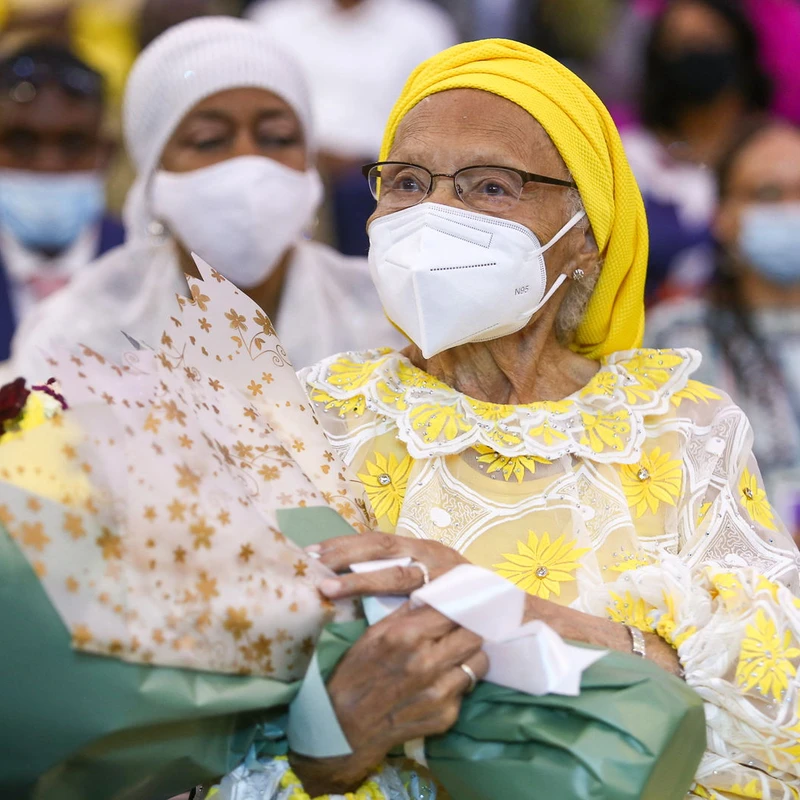
    The community is mourning the loss of Viola Ford Fletcher, who has died at the age of 111. Fletcher was the oldest known survivor of the horrific 1921 Tulsa Race Massacre, a brutal white supremacist attack that devastated the prosperous Black community known as “Black Wall Street.” Her passing marks the end of an era, leaving behind a legacy of resilience and a powerful call for justice.

    A Life of Truth and Resilience

    Tulsa’s current Mayor, Monroe Nichols, who is also the city’s first Black mayor, announced Fletcher’s death on November 24. He described her as a “mother figure” and a symbol of resilience through dark times. “Mother Fletcher carried 111 years of truth, resilience, and grace and was a reminder of how far we’ve come and how far we must still go,” Nichols stated, emphasizing her enduring spirit.

    Born in 1914, Fletcher was a young girl when she witnessed the horrific violence that destroyed her hometown’s thriving Black district. Fueled by racial hatred, a mob burned down businesses and killed an estimated 300 Black Tulsans. This event remains one of the darkest chapters in U.S. history, officially recognized by the Justice Department as a “Coordinated, Military-Style Attack.”

    Advocating for Justice

    Beyond being a survivor, Fletcher dedicated her life to seeking justice for the victims and descendants of the massacre. Even in her later years, she actively participated in efforts to secure reparations for those affected by the attack. Although a lawsuit was dismissed by the Oklahoma Supreme Court in 2024, her persistent advocacy made her a trailblazer for truth and bravery.

    Mayor Nichols commended her unwavering commitment, stating, “She never stopped advocating for justice for the survivors and descendants of the 1921 Tulsa Race Massacre.” He urged the community to carry forward her legacy with the same courage and conviction she embodied.

    Preserving Her Story

    A year before the lawsuit’s dismissal, Fletcher, with the help of her grandson Ike Howard, released her memoir, “Don’t Let Them Bury My Story: The Oldest Living Survivor of the Tulsa Massacre In Her Own Words.” This book serves as a vital testament to her life and the enduring impact of the massacre, ensuring that the experiences of those who perished and survived are never forgotten.

    How can we best honor the legacy of Viola Ford Fletcher and the survivors of the Tulsa Race Massacre? Share your thoughts and reflections in the comments below.

  • Tulsa Tech Week: Rebuilding Black Wall Street

    Tulsa, Oklahoma, is gearing up for its second annual Tulsa Tech Week, a citywide festival dedicated to fostering innovation and rebuilding the historic legacy of Black Wall Street. Founded by Tariqua “Tai” Nehisi, this six-day event, running from September 22-27, aims to bring together a diverse community of tech enthusiasts, founders, engineers, students, and investors, all free of charge.

    A Vision for Rebuilding Through Technology

    Nehisi, originally from New York, felt drawn to Tulsa by the city’s concerted efforts to support Black and brown-focused tech companies and rebuild the Black Wall Street community through a technological lens. After participating in a business accelerator, her vision began to take shape, leading to the creation of Tulsa Tech Week.

    The event promises over 50 partners hosting a variety of sessions, panels, and networking opportunities. Organizers describe it as an accessible platform designed to connect key players in the tech ecosystem, offering tailored programming through “attendee paths” for founders, hackers, STEAM scholars, and investors. This focus on specific career paths allows for deeper industry knowledge and targeted networking.

    Community Engagement and Inclusivity

    Community engagement is a cornerstone of Tulsa Tech Week. Events like the “Walk & Talk” networking session at Gathering Place Park, hosted by Startup Grind Tulsa, will not only facilitate connections but also provide visibility for local vendors at an open market. The Oklahoma Small Business Exchange will host a State of Technology Roundtable, bringing together local and national voices to discuss the challenges and opportunities facing small businesses in the evolving tech landscape.

    The festival is intentionally framed as an inclusive space, designed to attract diverse communities and highlight underrepresented entrepreneurs. As Tulsa continues to grow as a hub for remote workers and startups, Tulsa Tech Week serves as a vibrant showcase of how technology and culture intersect in Oklahoma, aiming to expand and rebuild the city’s economic foundation.

    Are you planning to attend Tulsa Tech Week? What are you most excited about? Share your thoughts in the comments below!

  • InvestFest 2025: Bilal & Millings Detail Bigger Event

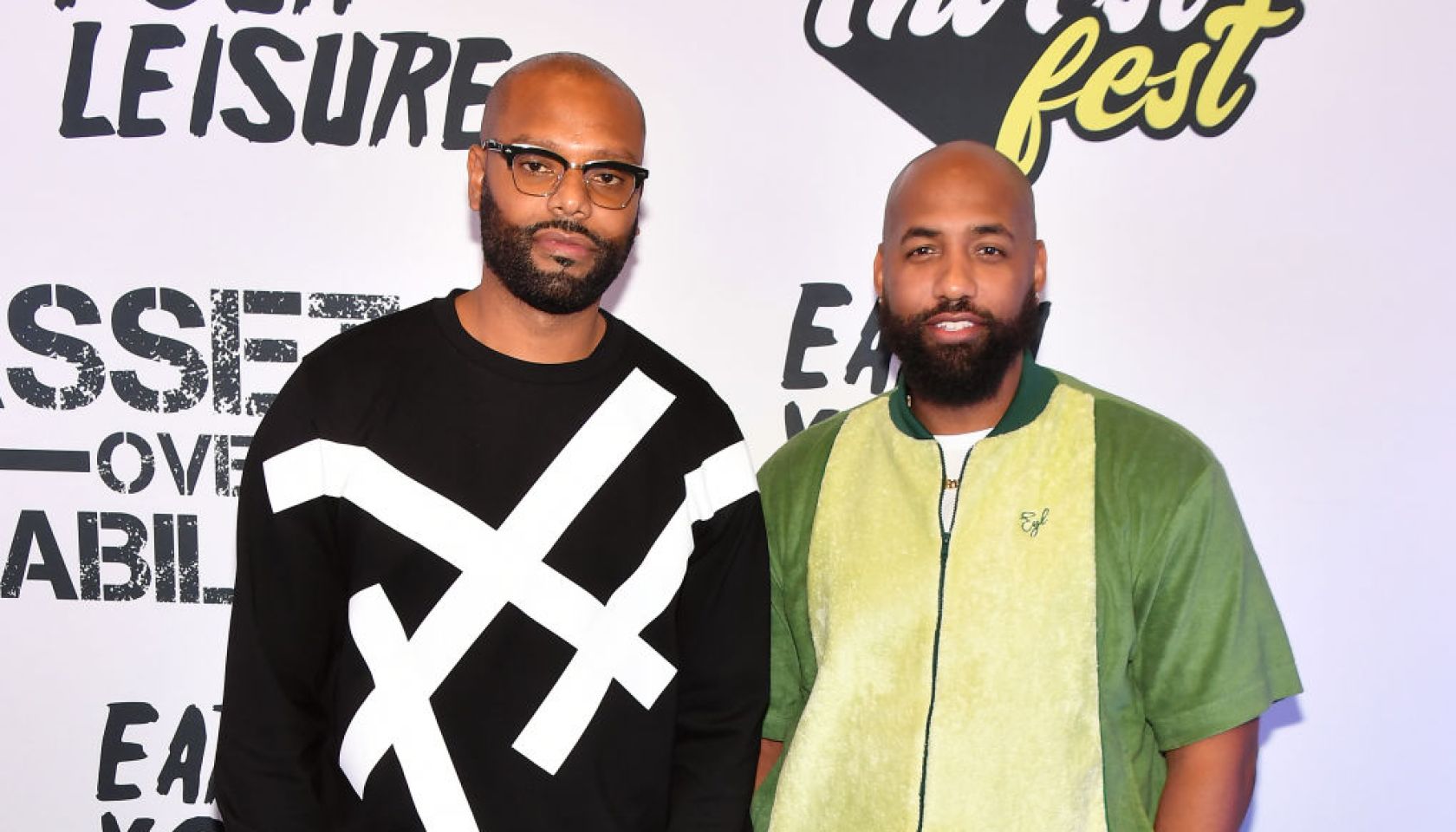
    Get ready for InvestFest 2025! The powerhouse financial literacy event, hosted by Earn Your Leisure creators Rashad Bilal and Troy Millings, is set to return to Atlanta with an even more impactful experience. This year promises bigger stages, more opportunities for lucrative deals, and a significant $125,000 pitch competition, solidifying its reputation as a premier destination for financial empowerment.

    A Year of Planning for Three Days of Impact

    Bilal and Millings are meticulously planning InvestFest 2025, taking place August 22-24 at the Georgia World Congress Center. Millings described the process as “12 months for three days,” emphasizing their dedication to creating an event that is “super concentrated on what we feel like the community needs to know.” This focus ensures attendees receive direct insights from experts on crucial topics like AI, real estate, and cryptocurrency.

    Beyond the main panels, InvestFest features a vibrant marketplace showcasing over 400 businesses. This unique space fosters networking and cultivates new business ideas, aiming to create a dynamic environment where partnerships flourish and like-minded individuals can explore ventures. Millings highlighted this concentrated approach as key to delivering valuable information and real-world connections.

    Introducing the Deal Room and $125K Pitch Competition

    This year’s InvestFest introduces game-changing additions: the Deal Room and a live Open Pitch competition with a substantial $125,000 prize. Bilal explained that the Deal Room, which debuted last year, is being expanded to connect founders directly with active investors and business leaders. “Funding is real hard to get in our community. So we have a platform, we have resources that we want to use, give opportunity to entrepreneurs,” Bilal stated.

    The pitch competition will feature notable judges, including Atlanta native and NBA star Jaylen Brown, as well as Angela Simmons. Millings emphasized the Deal Room’s significance, calling it a unique opportunity to bring together concentrated audiences interested in investing in startups, rather than keeping such opportunities exclusive.

    Challenging Perceptions and Building Community

    Bilal and Millings are keen to change the narrative around investing, countering the misconception that it’s akin to gambling. “Investing is [often thought of as] gambling, and we try to change the narrative on that. InvestFest is built on education, so as long as you have education, you’re not gambling. If you’re trying to invest, you’re just doing a calculation,” Bilal clarified.

    For those who might find the scale of InvestFest overwhelming, Millings recommended utilizing the event’s app to plan their schedule and identify key sessions and speakers. He also pointed to the powerful sense of community, where novices can find support and friendships, with attendees often helping each other navigate the festival.

    Vision for a ‘New Black Wall Street’

    The duo envisions InvestFest as a key component of a “new Black Wall Street,” which they describe not as a physical location but as a “financial ecosystem” and an online network. The InvestFest marketplace serves as a tangible example of this, fostering economic empowerment within the Black community. Millings stated, “Black Wall Street for 2025 is not a physical location, but an idea, an online network.”

    Looking ahead, Bilal mentioned the success of a previous international InvestFest in London and expressed interest in expanding the event globally, particularly to Africa. Their ultimate goal, they shared, is to impact lives by helping people change their thinking, make money, shape their families, and avoid trouble.

    Are you planning to attend InvestFest 2025? What are you most excited about? Share your thoughts and plans in the comments below!