Tag: Black Republicans

  • Rep. Wesley Hunt Downplays Importance of Black Representation

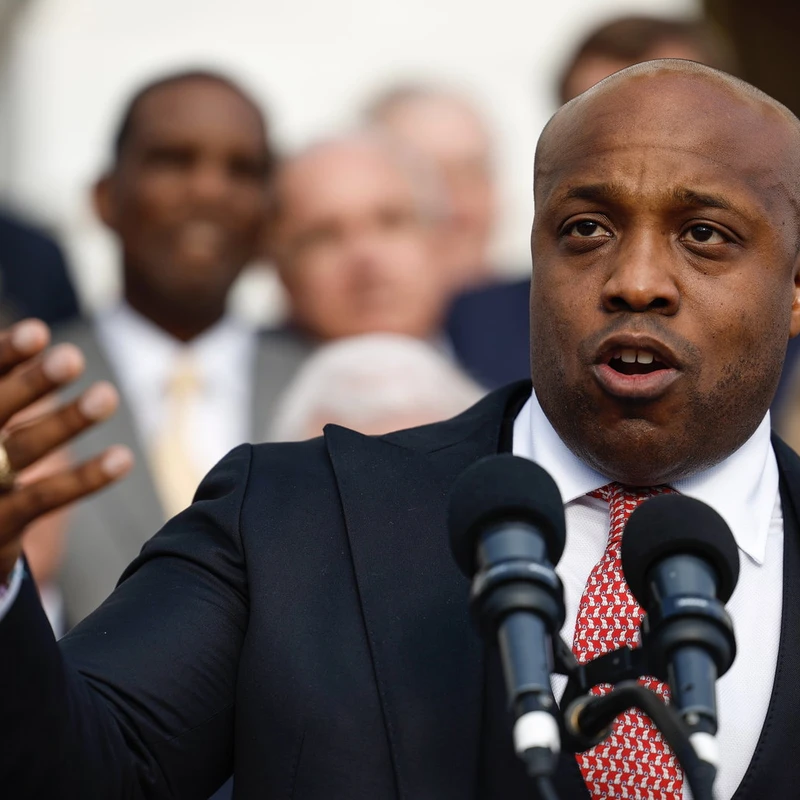
    Texas Republican Representative Wesley Hunt has ignited controversy with his recent remarks regarding the significance of Black representation in Congress. When questioned about the departure of all four Black GOP members from the House of Representatives at the end of the current session, Hunt stated, “It’s not relevant. I’m not here because I’m Black.”

    Merit Over Identity

    Hunt elaborated on his stance, asserting that his position in Congress is a result of being a “qualified representative for Congressional District 38,” rather than his racial identity. He argued that electoral outcomes should reflect voter preference and that representation should not be primarily measured by identity politics. “The American people choose who they want to choose. I don’t want to get into this game of RACE BAIT all day, every day,” Hunt stated.

    He further quoted the late civil rights leader Dr. Martin Luther King Jr., suggesting that the number of Black Republicans in Congress should not be the central metric for representation. Hunt, who represents a predominantly white district that strongly favored President Trump, emphasized that he is “being judged not by the color of my skin, but the content of my character.”

    The Importance of Representation

    Hunt’s comments come at a time when representation is a critical issue, particularly following the Supreme Court’s decision in ‘Louisiana v. Callais,’ which restricted Black representation in congressional redistricting. Despite Hunt’s assertion that race is “not relevant,” recent data and events underscore the importance of diverse voices in government.

    Hunt himself gave up his congressional seat to run for the Senate earlier this year but failed to advance, receiving only 13.5% of the vote in a distant third place. While Hunt is part of a group he calls “Democrats’ worst nightmare in one room,” this group is shrinking, with Senator Tim Scott currently standing as the sole Black Republican in the Senate. Meanwhile, other Black Republican representatives like Byron Donalds face challenges, and John James was reportedly booed by his own party.

    A Contrasting Viewpoint

    Hunt’s perspective contrasts sharply with the ongoing discussions about ensuring diverse representation in political bodies. While he champions a colorblind approach based on individual merit, critics argue that overlooking racial identity ignores systemic barriers and the unique perspectives that diverse representatives bring to policy-making.

    What are your thoughts on Rep. Wesley Hunt’s statements about Black representation in Congress? Do you believe identity is relevant in politics, or should merit alone be the deciding factor? Share your views in the comments below!

  • Rep. Hunt on Black GOP Exodus: ‘I Don’t Care’

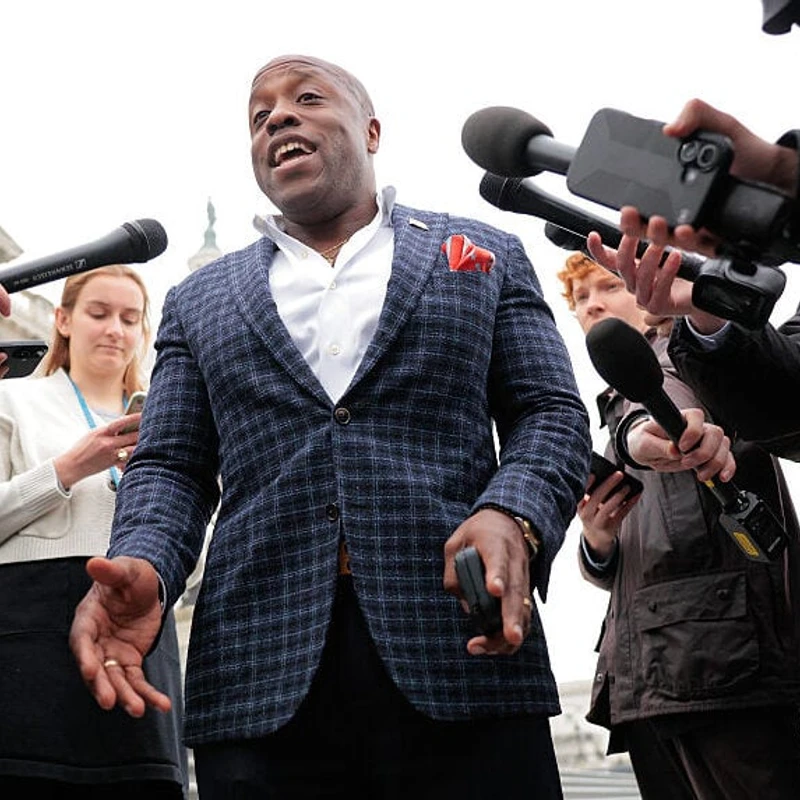
    As the political landscape shifts, a notable trend is emerging: all four Black Republican members of the U.S. House of Representatives are set to leave Congress by January 2027. When pressed on this significant exodus, Texas Congressman Wesley Hunt offered a candid and provocative response, stating that the racial makeup of the congressional body is irrelevant to him.

    Focus on Qualifications, Not Color

    Hunt, who opted not to seek re-election to the House in favor of an unsuccessful Senate bid, told MediaTouch, “I don’t understand how that’s relevant.” He emphasized his belief that representation should be based on merit, not race. “I’m not here because I’m Black. I am here because I’m [a] qualified representative for Congress with District 38 and the American people choose who they want to choose,” Hunt stated.

    He further elaborated, expressing a desire to move beyond what he termed “race bait all day, every day.” Hunt believes the focus should always be on finding the most qualified individuals for office, regardless of their background. “If there’s four, if there’s 10, if there’s none, we are talking about who is the best person that is best qualified to fill a seat, regardless of the way that they look.”

    Character Over Color

    Drawing a parallel to the famous words of civil rights icon Dr. Martin Luther King Jr., Hunt declared, “I’m being addressed not by the color of my skin but by the content of my character.” He reiterated his stance, saying, “I don’t care how many Black people are here. I want the most qualified people that are here.”

    Hunt, an Army veteran representing a district that President Trump won by a significant margin, highlighted his own electoral success, winning his district by 25 points. His perspective comes as the Republican Party faces ongoing criticism for its lack of diversity, despite efforts to recruit more minority candidates. The departure of Black Republican representatives, including Byron Donalds, John James, and Burgess Owens, leaves Senator Tim Scott as the sole Black Republican in Congress.

    Shifting Political Dynamics

    This shift occurs as the Republican Party, under President Trump, has intensified its focus on policies and rhetoric that often challenge diversity, equity, and inclusion initiatives. While Black voters overwhelmingly support Democratic candidates, recent data suggests modest, generational gains for the Republican Party within this demographic. The role of these departing Black Republican representatives in reaching Black voters, particularly in support of Trump’s campaigns, remains a point of discussion as the party navigates its future representation.

    What are your thoughts on prioritizing qualifications over racial representation in politics? Share your views in the comments below!
  • Young Black Conservative Resigns From GA GOP

    Ja’Quon Stembridge, who was a rising voice in the conservative movement and served as the Assistant Secretary for the Georgia Republican Party, has abruptly resigned from his position. The surprising departure has led to speculation and questions within political circles.

    A Swift Departure from the GOP

    Georgia GOP Chairman Josh McKoon announced Stembridge’s resignation via social media on November 29, 2025. The statement was brief, noting that the party would move quickly to fill the vacancy according to its bylaws. This official announcement offered little insight into the reasons behind Stembridge’s sudden exit.

    Following the announcement, Stembridge reportedly removed his social media pages, further fueling public curiosity. He had assumed the role earlier in 2025, having gained traction for his conservative views, particularly among younger demographics. Stembridge, a native of Greene County, had been actively working to engage young voters with the conservative movement.

    Allegations Surface Amidst Resignation

    While neither Stembridge nor the Georgia Republican Party has issued a direct statement addressing the reasons for his resignation, social media accounts have circulated allegations. Some reports suggest Stembridge was involved in a child sex predator sting operation, allegedly attempting to meet a 14-year-old boy. These claims have not yet been officially confirmed by local news outlets.

    Stembridge, who also chairs the Georgia Teen Republicans and is a member of the Georgia Young Republicans, had ambitious plans to increase the party’s outreach. His tenure, however, was cut short before these goals could be fully realized, leaving many to wonder about the full story behind his departure.

    Looking Ahead

    The situation surrounding Ja’Quon Stembridge’s resignation remains unclear, with unconfirmed allegations circulating online. The Georgia Republican Party is expected to address the vacancy soon, but the impact of this event on the party’s youth outreach efforts remains to be seen.

    What are your thoughts on Ja’Quon Stembridge’s resignation and the surrounding allegations? Share your perspective in the comments below.

  • From Obama Critic to Trump Advocate: CJ Pearson’s Political Journey

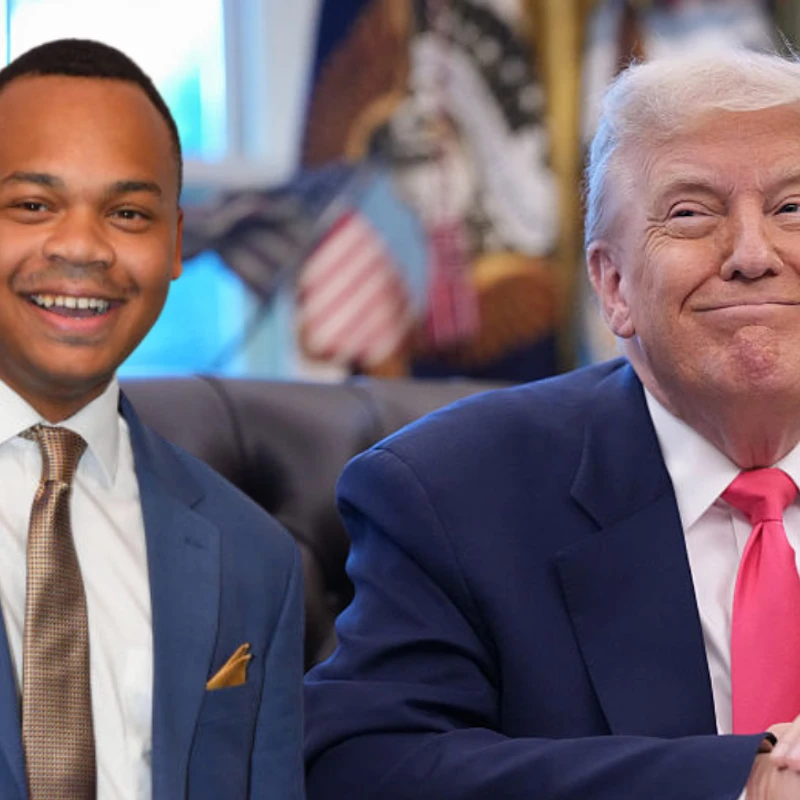
    Remember CJ Pearson? The young influencer who went viral a decade ago for his fiery rebuke of then-President Barack Obama? Well, Pearson has evolved, and he’s now a prominent figure in the MAGA movement, actively working to sway Black voters toward supporting Donald Trump. His journey from a teenage critic to a leading voice in the conservative online space is quite a story.

    From Obama’s Critic to Trump’s Advocate

    Pearson first gained national attention in 2015 with a YouTube video criticizing President Obama’s invitation to Ahmed Mohamed, a Muslim student who was falsely accused of bringing a bomb to school after bringing a homemade clock to class. A 13-year-old Pearson argued that Obama’s priorities were misplaced, even bringing up the tragic death of Kate Steinle. “Mr. President…what are your priorities, because in all honesty, I think you’re being ignorant. I think you’re incompetent, and I think you don’t understand reality,” he stated.

    Fast forward ten years, and Pearson is now a significant online influencer with over a million followers across TikTok, Instagram, and X. He hosts the “Family Matters” podcast, adopting a confrontational style reminiscent of Charlie Kirk. In one controversial episode, he questioned the romantic relationships of Black liberals with white people, using the provocative title “Woke In The Streets, White in The Sheets.”

    The Face of the Next Generation of Black Conservatives

    USA Today has profiled Pearson, describing him as the “face of the Black conservative movement’s next generation.” His focus is clear: “Right now, my priority is simply doing all I can to win young people over to our side and help us win the culture war because politics is downstream from culture,” he told the publication.

    Since Donald Trump’s second inauguration in January, Pearson has reportedly seen a surge in both name recognition and income. He’s also signed with the Hollywood talent agency UTA and was recognized on the Time 100 list. However, the broader Black MAGA movement hasn’t achieved significant electoral success. High-profile campaigns like Herschel Walker’s Senate run and Mark Robinson’s gubernatorial bid faced controversy and ultimately defeat.

    Challenges and Hopes for Conversion

    Pearson acknowledges the difficulty, stating, “Being a Black Republican is not enough to win an election, so you’ve got to actually have a few other things going for you as well.” He emphasizes the need for strong fundraising and effective messaging. Despite Trump’s improved performance with Black voters in recent cycles, the majority still overwhelmingly voted for Kamala Harris in 2025 (83%). Furthermore, Republican gains with Black voters seemed to regress in the 2025 general election, suggesting that policies on DEI and economic handling aren’t resonating.

    Nevertheless, Pearson remains optimistic about using his platform to attract more young and Black voters to the political right. He even harbors ambitions of running for office himself one day, wanting to give back to a country he feels has given him so much. Whether that path leads to elected office or another form of public service remains to be seen.

    What do you think about CJ Pearson’s political evolution and his efforts to convert Black voters? Do you believe his message resonates? Share your thoughts in the comments below!