Tag: Black-Owned Businesses

  • Black Women Entrepreneurs: Growth Driven by Necessity

    Black women are emerging as the fastest-growing demographic of entrepreneurs in the nation. A recent report from Wells Fargo highlights this significant trend, revealing a substantial increase in both the number of Black women-owned businesses and their revenue between 2024 and 2025.

    Record Growth Driven by Ambition and Necessity

    The Wells Fargo report indicates that Black women-owned employer businesses saw a 13% growth, with revenue increasing by nearly 6%. For businesses without employees, the growth was even more pronounced, with a 13% rise in number and an 8% surge in revenue. This growth significantly outpaces that of female-owned businesses overall, which grew at a rate of 4.4% during the same period.

    However, the narrative behind this impressive growth is complex. It’s not solely driven by ambition but also by necessity. The American workforce experienced significant disruption last year due to mass layoffs across various sectors, cuts to diversity, equity, and inclusion (DEI) initiatives, and the increasing adoption of artificial intelligence (AI), all contributing to workforce reductions.

    Disproportionate Impact on Black Women in the Workforce

    It’s no secret that Black women were among the most affected by these workforce changes. Unemployment rates for Black women climbed from 5.4% to 7.3% by December 2025, largely due to federal job cuts that disproportionately impacted them. U.S. Bureau of Labor Statistics data indicates that over 300,000 Black women lost their jobs, compelling many to seek alternative means of financial support.

    Labor economist Valerie Wilson noted the unique severity of this decline for Black women, stating to the New York Times, “You don’t see that same loss with Black men, you don’t see that same loss with other groups of women. It was a sharp and unique decline in employment for Black women.” Rep. Ayana Pressley echoed these concerns in September, calling the situation “discriminate harm” and emphasizing its targeted nature: “None of this is by accident… This is discriminate harm. It is precise and it is targeted.”

    What are your thoughts on the rise of Black women entrepreneurs? How can we better support these businesses and address the systemic issues that contribute to job loss? Share your insights in the comments below!

  • Spice Up Holidays with Black-Owned Seasoning Brands

    As families gather to prepare their favorite holiday meals, the secret to an unforgettable feast often lies in the perfect blend of spices. This year, why not add a dash of cultural richness and support Black entrepreneurship by exploring the vibrant world of Black-owned seasoning brands? These creators are transforming home cooking with bold, culturally inspired flavors that bring both taste and meaning to your holiday table.

    Flavorful Foundations for Your Feast

    From traditional soul food to exciting new taste combinations, these seasoning brands offer unique flavor profiles that can elevate any dish. Whether you’re aiming for authentic family recipes or experimenting with new culinary creations, these seasonings provide the perfect foundation. Supporting these businesses means not only enhancing your cooking but also investing in the dreams of Black entrepreneurs.

    Featured Black-Owned Seasoning Brands:

    • **BB’s Season All:** Founded by former medical engineer Billy Brown, this brand offers health-conscious, low-sodium, carb-free, and calorie-free all-purpose seasonings. Available in nearly 500 retail locations, including H-E-B stores, BB’s Season All delivers bold taste experiences suitable for keto, vegan, and gluten-free diets.
    • **Feisty Spices:** Erica Gillespie created this brand using organic, low-sodium blends inspired by her Southern cooking traditions and Ghanaian heritage. Their offerings include unique mixes like Collard Greens Spice and Sassy Sazon, available at Walmart, Amazon, and their website.
    • **Station 1923:** This husband-and-wife team from South L.A. crafts small-batch, all-in-one rubs and seasonings with no preservatives, dairy, or gluten. Their lineup features blends like Black People Spaghetti Seasoning and Creole Smoke, delivered nationwide.
    • **John Henry’s Food Products:** A family-owned business in North Houston, Texas, John Henry’s offers a variety of seasonings, including blackening rub, jerk chicken seasoning, and gumbo mix. They combine traditional values with quality products, representing Southern and Creole culinary traditions.
    • **A.L.L. Seasoning, LLC (A Little Love Seasoning):** Based in North Carolina, this brand produces West Indian-fusion spice blends designed to enhance natural flavors with straightforward, bold combinations. Their Caribbean-inspired products are primarily available through their website.
    • **Dooky Chase’s Spices:** Inspired by the historic New Orleans restaurant, this spice line includes Gumbo, Fried Chicken, Seafood, and Meat seasonings. Home cooks can now bring the soul food flavors of Leah Chase’s iconic restaurant into their own kitchens.
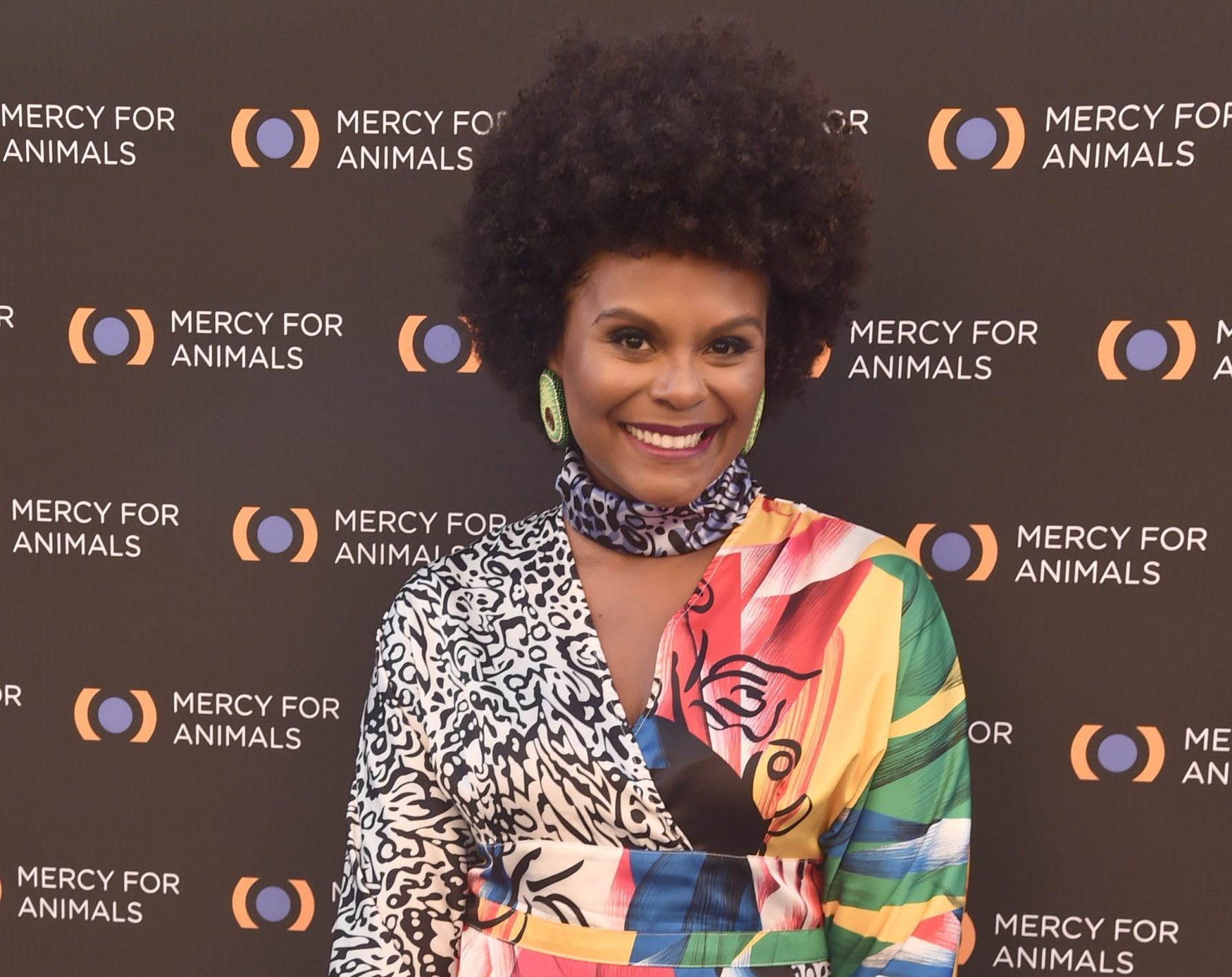
    • **Tabitha Brown × McCormick:** Actress Tabitha Brown collaborated with McCormick to create a line of salt-free, vegan seasoning blends. The collection, featuring flavors like Sunshine All-Purpose and Taco Business, offers colorful, plant-based options for home cooks and is available at major retailers.
    • **Rodney Scott BBQ Seasonings:** Legendary pitmaster Rodney Scott partnered with Good & Gather to bring his signature whole-hog barbecue flavor home. The collection includes Smoky Sweet Chile Hickory and Carolina Fire Chile, available at The Spice House, Rodney Scott’s website, and his restaurants.

    These brands are more than just spice providers; they are cultural ambassadors, infusing their products with heritage, passion, and a commitment to quality. By incorporating these seasonings into your holiday cooking, you’re not only adding incredible flavor but also celebrating the rich culinary landscape shaped by Black innovators.

    Which of these Black-owned seasoning brands are you excited to try this holiday season? Share your favorites in the comments below!

  • Black-Owned Bank Launches AI Tool for Wealth Building

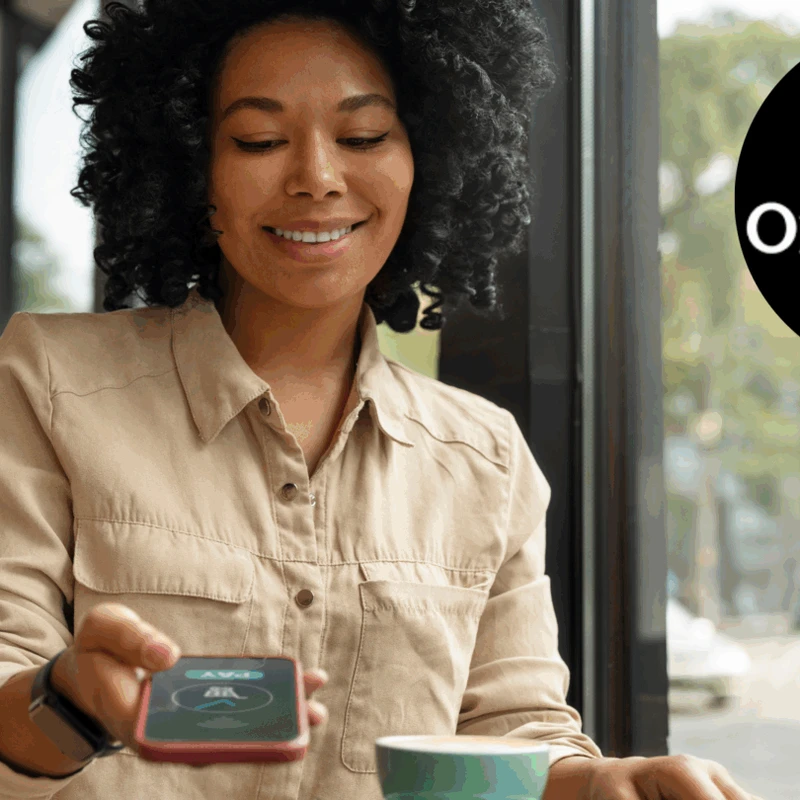
    In a significant move to empower Black consumers, America’s largest Black-owned bank, OneUnited, has launched an innovative AI-powered tool called WiseOne. This new platform is designed to provide personalized financial guidance, aiming to help users build wealth and improve their financial literacy. Terri Williams, President and COO of OneUnited, believes this technology is a game-changer for the community.

    WiseOne: Your AI Financial Navigator

    WiseOne offers custom insights into spending, saving, and financial progress, acting much like a GPS for your financial goals. Whether you want to save more or pay off debt, the tool provides direction and resources. “The idea of it is to use AI for good, to help our community build wealth and become more financially literate,” Williams stated in an interview with theGrio.

    While major financial institutions like Goldman Sachs and Citigroup are also adopting AI, Williams emphasizes the massive potential for AI to address the specific financial challenges faced by Black communities. She pushes back against the stereotype that Black consumers mismanage money, asserting, “We are very good with money. We just have had a lot of hurdles in our history that have stopped us from being as wealthy.”

    Leveling the Playing Field with AI

    Williams sees AI as a tool that can disrupt historical inequalities. “We are starting at an even playing field with everybody else,” she explained. “The reality is Black folks don’t know how to use AI, white folks don’t know how to use AI. And so by us running into this with speed and with our ingenuity, with our creativity, the sky is the limit in terms of how we can use it to benefit our community and to build wealth.”

    OneUnited is partnering with Google to offer WiseOne to 10,000 new users. Those who join the waitlist by December 31, 2025, will receive the first year of the service, normally priced at $9.95 per month, for free. The tool is accessible to both OneUnited customers and non-members alike.

    Embracing the Fourth Industrial Revolution

    Williams is confident that the Black community will embrace AI, citing their history as early adopters of new technologies like social media and smartphones. This proactive approach aligns with the vision of tech leaders like Robert F. Smith, who has called technological disruption the “fourth industrial revolution” and emphasized the need for African Americans to be beneficiaries of these advancements.

    Despite economic challenges, OneUnited remains committed to serving its community, having issued over a billion dollars in loans with minimal losses. The bank aims to empower individuals by helping them understand their financial value, fostering a mindset shift away from negative historical narratives. “Our community pays us back. So, I think we gotta flip the switch and say, ‘Okay, let’s not let’s not believe what they’re saying about us.’”

    OneUnited’s WiseOne tool represents a significant step forward in financial empowerment. Are you excited about the potential of AI in personal finance? Sign up for the WiseOne waitlist and share your thoughts on how technology can help build wealth in our communities in the comments below!

  • Black Americans Boycott Big-Box Stores Over DEI Rollbacks

    A growing number of African Americans are making a conscious decision to stop shopping at major big-box retail stores like Target, Amazon, and Walmart. This shift in consumer behavior is largely a response to these corporations rolling back their Diversity, Equity, and Inclusion (DEI) programs. Instead, they are choosing to redirect their spending towards small, minority- and women-owned businesses that they believe better align with their values and community support.

    The Target Boycott and Its Impact

    The movement gained significant traction in February when Pastor Jamal Bryant of New Birth Baptist Church initiated a 40-day “Target Fast.” This call to action, signed by over 250,000 people, evolved into a nationwide social media and community movement aimed at rejecting systems that do not value the African American community. The boycott has already shown a tangible impact, with Target reporting a $500 million loss in year-over-year sales in the first quarter, citing the boycott and reduced foot traffic as contributing factors.

    Rebecca Renard-Wilson, a 49-year-old mother of two, exemplifies this trend. She has stopped shopping at big-box retailers, opting instead for farmers’ markets, local mom-and-pop stores, or direct purchases from brand websites. “I have options of where I put my money,” Renard-Wilson stated. “Yes, Target’s convenient. Yes, Amazon Fresh is on my drive to my kids’ school… I’m able to now use my money not only to resist places that don’t align with my values, but I’m able to now support places that do align with my values. To me, that’s a win-win.”

    The Role of DEI and Political Shifts

    The rollback of DEI programs by major retailers followed a trend initiated in January when Donald Trump eliminated DEI programs across federal government offices. This move coincided with a broader sentiment of “racial justice fatigue” and the re-election of Trump, leading many companies to scale back their diversity initiatives. In 2020, following the killings of George Floyd, Breonna Taylor, and Ahmaud Arbery, many corporations pledged significant investments in diversity practices, with Target committing to invest $2 billion in Black-owned businesses.

    Pastor Bryant criticized Target’s decision to drop DEI programs, viewing it as a reneging on their financial commitment to the Black community. He partnered with the U.S. Black Chamber of Commerce to create a directory of over 150,000 Black-owned businesses, encouraging consumers to support them directly. Bryant has also called for boycotts of other companies like Dollar General and McDonald’s.

    Navigating Boycotts and Financial Realities

    The decision to boycott is not always easy, especially when friends’ products are stocked on the shelves of targeted retailers. Renard-Wilson expressed her initial conflict, noting concerns about “crippling those Black, queer, or Latino creatives” who invested heavily to get their products onto store shelves. However, she ultimately felt the retailers’ decisions demonstrated a lack of genuine care for minority communities.

    Renard-Wilson found alternatives at Costco, which has reinforced its DEI commitments. While acknowledging that boycotting can sometimes mean paying slightly more for products or dealing with less convenient shopping options, she finds the financial impact minimal. In fact, her credit card bills have decreased since she stopped shopping at big-box retailers. However, she recognizes that this choice is a privilege, as not everyone has the same retail options or financial flexibility, particularly those in rural areas or facing food deserts.

    Karmen Jones, whose grandmother lives in a rural area with limited shopping options, highlighted this disparity. “It’s a privilege to be able to protest,” Jones said, noting her grandmother’s reliance on the nearest Walmart due to lack of transportation and online shopping access. Jones herself has shifted to shopping at Kroger or Costco, and when in rural areas, relies on corner stores. She acknowledges that protesting sometimes comes with a “price to pay.”

    What are your thoughts on the boycott of big-box retailers due to DEI rollbacks? Do you prioritize supporting businesses that align with your values? Share your perspective in the comments below!

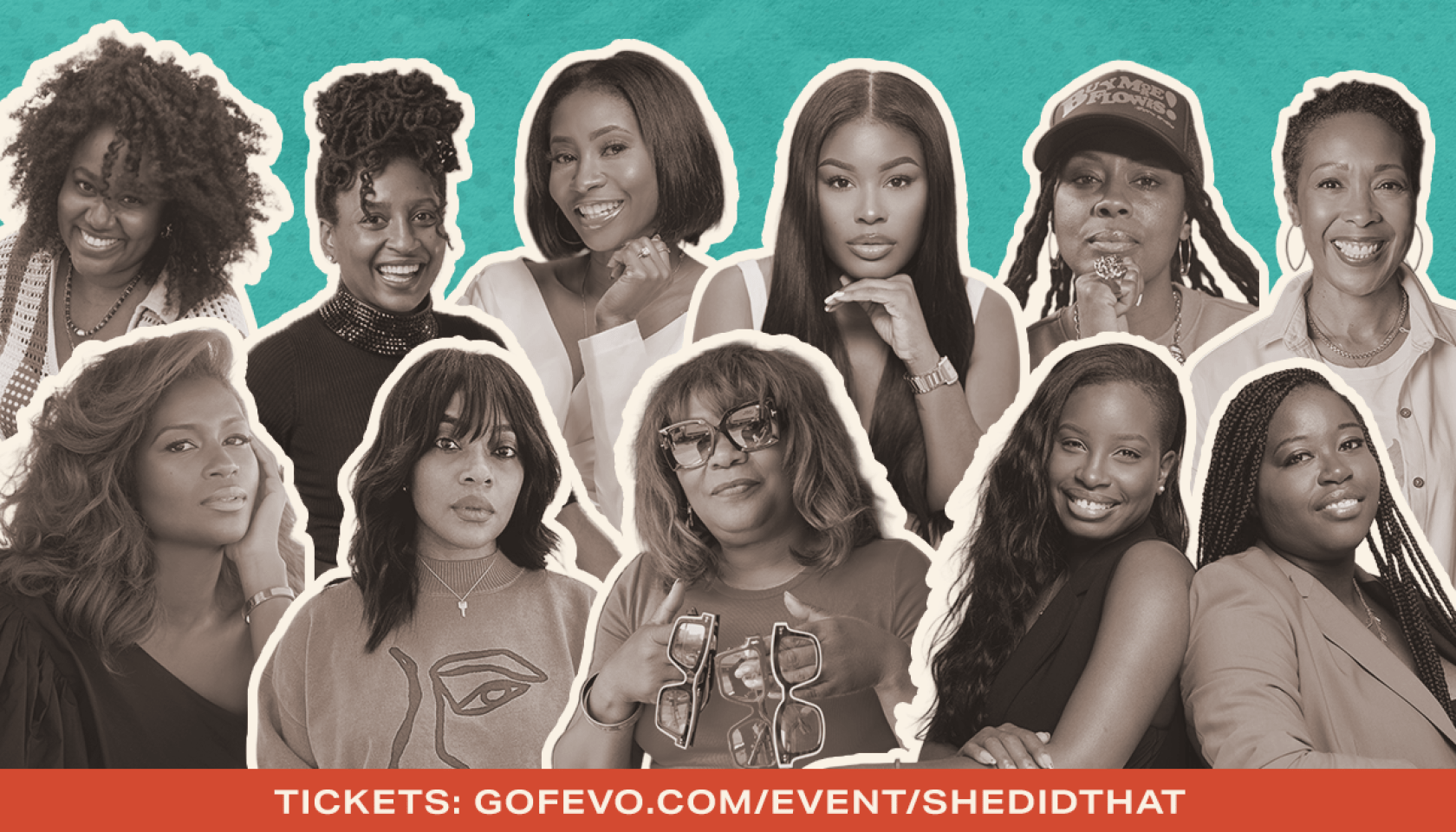
  • She Did That. x NY Liberty Caribbean Market

    Get ready, Brooklyn! Something special is happening at Barclays Center on Thursday, August 28th. “She Did That.” is teaming up with the New York Liberty for the “Caribbean Market,” a unique cultural experience that beautifully merges community, creativity, and the electrifying energy of Liberty basketball.

    Meet the Visionary Vendors

    Following the vision shared over the past few weeks, it’s time to meet the incredible lineup of vendors who are bringing this Caribbean Market to life. These women entrepreneurs are showcasing the richness of Caribbean culture through their diverse offerings.

    • Jam + Rico
    • Fe Noel
    • Little Caribbean
    • Brooklyn Tea
    • Create the Culture
    • Embroidery Spice Theory
    • Style Eyes Optical
    • Hey Girl Hey
    • The Salty Heifer
    • Aunts et Uncles
    • Dollhouse
    • Pretty

    From handcrafted jewelry and fashion to artisanal teas, savory bites, unique spices, and beauty products, each brand represents the ingenuity and spirit of the Caribbean diaspora. This event is more than just a shopping opportunity; it’s a celebration of traditions, flavors, and the entrepreneurial drive of women in one of the world’s most iconic arenas.

    An Unforgettable Night of Culture and Basketball

    Join the celebration at Barclays Center for the Caribbean Market from 5:30 PM to 8:30 PM. After you’ve explored the vibrant stalls and supported these amazing women-owned businesses, stick around to cheer on the New York Liberty as they take on the Washington Wizards. It’s set to be an unforgettable night filled with culture, community, and thrilling basketball action.

    Tickets are available now, so don’t miss out on this unique fusion of Caribbean culture and WNBA excitement. It’s a fantastic way to support local businesses and enjoy a night of top-tier entertainment.

    Will you be attending the She Did That. x New York Liberty Caribbean Market? Let us know which vendors you’re most excited to check out in the comments below!

  • Tabitha Brown on Target Boycott’s Impact on Black Brands

    Beloved vegan influencer and entrepreneur Tabitha Brown is speaking out about the recent Target boycott and its unintended consequences. In a candid discussion on Earn Your Leisure’s Market Monday, Brown didn’t hold back her feelings about how the situation blindsided her and many other Black-owned businesses that have partnerships with the retail giant.

    The Uphill Battle for Shelf Space

    Brown, who has her own hair-care brand featured at Target, emphasized the immense effort required to get products onto those coveted shelves. She explained that these partnerships are not simple arrangements; they involve significant time and financial investment. “It takes a long time to get on those shelves and a lot of money,” she shared.

    This context makes the fallout from the boycott even more poignant. Brown revealed the gut-wrenching moment she realized the potential impact, questioning if the situation was designed to push Black businesses out. She voiced her concern that when sales numbers inevitably drop due to a boycott, it’s often the minority-owned brands that face the consequences and potential removal.

    Concerns Over DEI Rollbacks

    The boycott itself was initiated in response to Target’s decision to roll back some of its Diversity, Equity, and Inclusion (DEI) measures. Brown directly addressed this, stating, “I still think that Target was very wrong and they have a lot of work to do.” Her comments highlight the broader conversation about corporate responsibility and the importance of sustained commitment to DEI initiatives.

    Brown’s perspective offers a crucial insight into the real-world impact of boycotts on small business owners, particularly those from marginalized communities. It raises important questions about how consumers can support their values without inadvertently harming the very businesses they aim to uplift.

    What are your thoughts on the Target boycott and its impact on Black-owned businesses? Do you think Tabitha Brown’s concerns are valid? Share your opinions in the comments below!