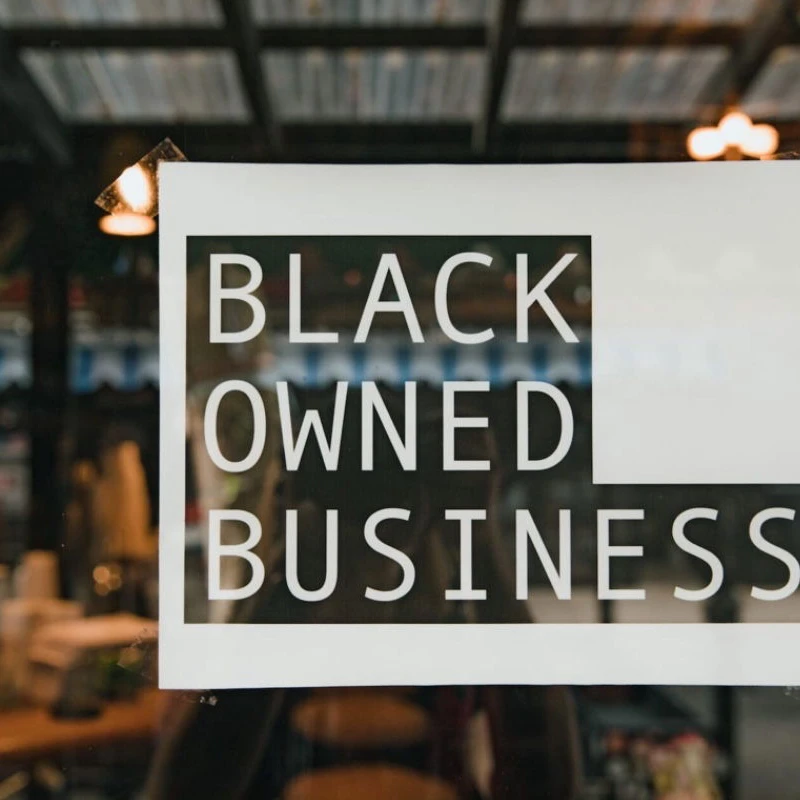
Tag: black-owned business

  • Detroit’s Nice’s Tea House Reopens, Partners for Community

    Get ready to experience a revitalized community hub in Detroit! Nice’s Tea House, a beloved Black-owned business, has officially reopened its doors in a new, exciting location. This isn’t just about serving delicious specialty teas; it’s about fostering connection, promoting wellness, and investing in the heart of the city’s West Side.

    A New Home, A Renewed Mission

    Founded in 2022, Nice’s Tea House has found its permanent home inside the Howard Family Bookstore, another Black-owned establishment. This strategic partnership, which celebrated its grand opening on April 15th, has transformed a revamped building on Puritan Avenue into a vibrant new beacon for Detroit’s evolving culture. Locals have already been flocking to the area, eager to support this community-focused initiative.

    Antonice Strickland, the owner of Nice’s Tea House, envisioned a business model that was deeply rooted in Detroit. While pop-ups and previous partnerships were successful, Strickland recognized that a stable, central location was key to fulfilling her vision. ‘Nice’s Tea House has always been rooted in intention, creating space for people to slow down, connect, and take care of themselves,’ she explained.

    Partnership for Community Building

    The new chapter for Nice’s Tea House is all about ‘partnership, presence, and building something that truly lives in community,’ Strickland added. By establishing the tea house within the Howard Family Bookstore, the initiative aims to not only serve customers but also to actively contribute to the redevelopment and upliftment of the surrounding neighborhood.

    This collaboration directly combats the urban decay that has impacted parts of Detroit. It’s a testament to the power of homegrown initiatives and the impact Black-owned businesses can have when they work together. Strickland also aims to redefine the wellness movement, emphasizing accessibility and a communal approach.

    ‘Wellness isn’t new to us,’ Strickland noted. ‘It’s in how we gather, how we care for ourselves, how we pause. Tea is just one way to reconnect to that.’ Now, residents can enjoy unique blends like the ‘Audacious Detroit Chai’ while supporting a business that’s deeply invested in its community’s well-being and future.

    What do you think of this inspiring partnership between Nice’s Tea House and Howard Family Bookstore? Share your thoughts in the comments below!
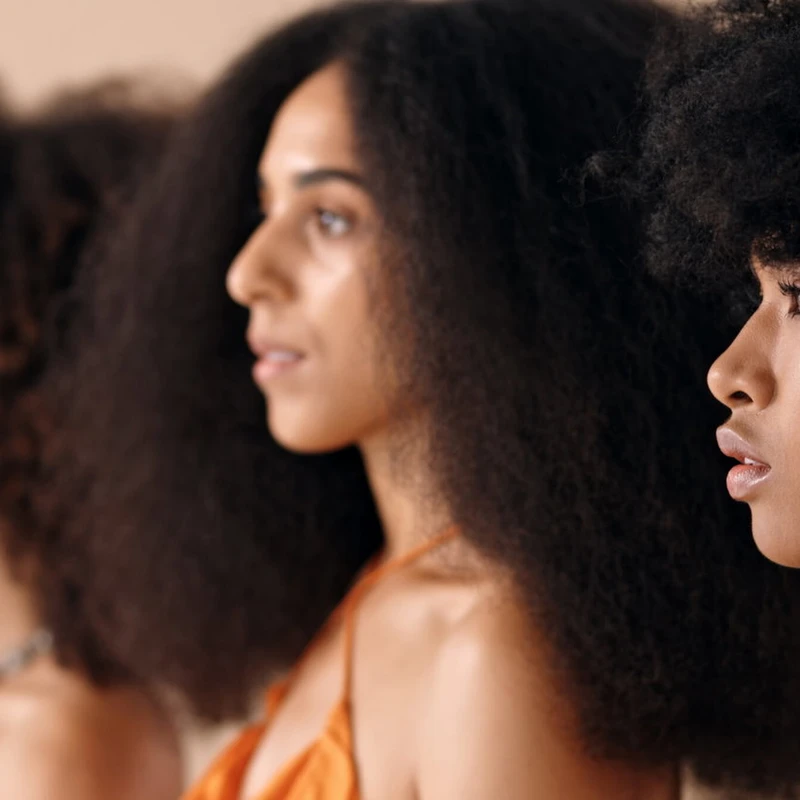

  • The Doux Secures Investment for Growth

    Exciting news for natural haircare enthusiasts! The Doux, a brand founded by husband-and-wife team Maya and Brian Smith, has just secured a significant minority investment from VMG Partners. This strategic move is set to fuel the company’s growth and expand its presence in the competitive beauty industry.

    From Salon to National Retailer

    The Doux’s journey is truly inspiring. What started as a single salon in Germany, founded by licensed cosmetologist Maya Smith to cater to the lack of services for textured and curly hair overseas, has blossomed into a multimillion-dollar business. The brand officially launched its product line in 2012 after initial formulations began in 2010.

    Upon returning to the U.S., The Doux saw rapid expansion in retail. Their popular styling foams, curl enhancers, and other products are now available at major retailers like Target, Walmart, CVS, Walgreens, and Sally Beauty, with an international presence in the United Kingdom as well. This impressive growth trajectory is a testament to the brand’s quality and market appeal.

    Financial Success and Strategic Partnership

    The company reported a strong financial performance in 2025, with $38 million in revenue and $7.3 million in earnings. Maya Smith described this as a period of ‘steady and accelerating momentum,’ noting that the business has remained profitable while scaling exponentially. This financial stability made them an attractive prospect for investors.

    For the Smiths, choosing the right investment partner was crucial. They emphasized the importance of maintaining their brand’s identity and creative vision. Smith stated that VMG Partners allows them to ‘be founders. They let us be us. They don’t touch our brand,’ highlighting their commitment to preserving the company’s core values.

    Focus on Community and Thoughtful Growth

    This investment reflects a growing trend of investor interest in culturally driven beauty brands that serve underserved markets. With the additional capital and infrastructure from VMG Partners, The Doux plans to broaden its reach even further, all while staying true to the community that inspired its creation.

    Looking ahead, the focus remains on ‘thoughtful growth.’ Smith underscored that the brand has always prioritized smart decision-making for its future. In an increasingly crowded industry, The Doux’s commitment to its roots and strategic expansion positions it for continued success.

    What are your favorite The Doux products? How important is it to you that brands maintain their core values while growing? Share your thoughts in the comments below!
  • Washletics: Black Student’s Detergent Tackles Activewear Odors

    Tired of that lingering gym smell that just won’t quit? A Black business student at Duke University has developed a game-changing solution. Adrian Abrams, a first-year MBA student, has launched Washletics, a specialized detergent designed to tackle the deep-set sweat odors found in activewear.

    From Problem to Product: The Washletics Story

    Abrams’ entrepreneurial journey led him back to school with a clear vision: to innovate in everyday essentials. He recognized a common problem – activewear that holds onto odors even after washing – and decided to create a product that truly solves it. Washletics uses a unique odor-targeting enzyme blend, moving beyond traditional scent beads and deodorizers.

    Unlike many conventional detergents that can leave behind sweat residue, Washletics’ enzymes work to eliminate the oil and bacteria responsible for those stubborn smells. This results in truly fresh activewear, ready for the next workout. The formula also avoids the heavy dyes found in many popular brands, offering a more natural solution.

    Innovation and Future Vision

    Abrams’ innovative approach didn’t go unnoticed. His business plan for Washletics secured him a top prize at the Duke Venture Capital (DVG) Pitch Competition this semester. Now, he’s focused on scaling operations to bring Washletics to households nationwide.

    Looking ahead, Abrams is excited about the potential of integrating emerging technologies. “I want to be part of a generation of Black founders that uses emerging technologies like AI to rethink and innovate in categories that have been overlooked for decades,” he told BLACK ENTERPRISE. “My goal is to build in that space and show what’s possible when you apply new tools to ‘boring’ problems.”

    Pre-Orders Available Now

    With his MBA studies shaping the future vision for Washletics, Abrams is poised to make a significant impact on the clothing care industry. The foundational formula is currently available for pre-order, marking the first step in revolutionizing how we care for our activewear and tackle those persistent odors.

    Are you excited to try Washletics? What are your biggest laundry challenges with activewear? Let us know in the comments below!

  • Forty Acres Fresh Market: A Chicago Dream Realized

    Imagine a promise made generations ago, finally coming to life in a vibrant, modern way. That’s exactly what entrepreneur Liz Abunaw has achieved with her groundbreaking grocery store, Forty Acres Fresh Market, right in the heart of Chicago’s Austin neighborhood. This isn’t just any store; it’s a powerful symbol of economic ownership and community investment, breathing new life into a historic pledge.

    Reclaiming the ‘Forty Acres’ Promise

    The name ‘Forty Acres Fresh Market’ itself is a nod to the unfulfilled post-Civil War commitment by the U.S. government to provide land and opportunity to formerly enslaved people. Abunaw is reframing this historical promise, asking, “What would it look like if we actually got our 40 acres?” For her, the answer is a thriving, Black woman-owned supermarket that directly serves its neighbors.

    Opening its doors in September 2025, the market fills a critical gap for the Austin community, which previously lacked convenient access to a full-service grocery store. Residents often had to travel to surrounding areas just to pick up everyday essentials. As Abunaw pointed out, even those living just blocks away from amenities had to make significant trips for groceries.

    A Welcoming Space for the Community

    The transformation of the store’s physical space is as remarkable as its mission. Abunaw envisioned a stark contrast to the previous building, which she described as feeling “closed off and uninviting,” almost like a “prison.” She focused on creating an atmosphere of light and openness, deliberately designing a contemporary general store feel.

    Drawing inspiration from mid-century soda fountains, the interior blends nostalgic charm with modern aesthetics. The goal was to create a space that felt both familiar and fresh, a true community hub where people could gather and shop with ease. It’s a place designed to feel welcoming from the moment you step inside.

    Navigating the Complexities of Grocery

    Abunaw brings valuable experience from her time at General Mills, understanding that while the concept of running a grocery store might seem straightforward, the execution is incredibly complex. Success hinges on meticulously managing countless small details, from inventory to customer service.

    The impact on the community is already palpable. Local resident Samuel Correa highlighted the newfound convenience for quick shopping trips, eliminating the need for long drives. Another community member, Haniyyah King, praised both the store’s powerful symbolism and the quality of its products.

    Commitment to Sustainability and Legacy

    For Forty Acres Fresh Market to be truly sustainable, Abunaw believes in offering competitive pricing. “If we’re charging the same prices as other grocery stores, that means we’re doing it right,” she stated. This commitment ensures that fresh, quality food is accessible without a premium price tag.

    Abunaw is also deeply aware that she’s building on the shoulders of giants. She proudly acknowledges the legacy of Black-owned grocers in Chicago who paved the way, continuing a story that stretches back generations. Her market is a testament to resilience, entrepreneurship, and the enduring power of community.

    What do you think about Liz Abunaw’s vision for Forty Acres Fresh Market? Share your thoughts on bringing historical promises to life in your community in the comments below!

  • Celebrate National Chocolate Day with Black-Owned Brands

    Chocolate is more than just a sweet treat; it’s a canvas for creativity and innovation. For Black entrepreneurs, it’s also a way to blend passion with business, offering unique products that range from decadent desserts to luxurious skincare. This National Chocolate Day, Tuesday, October 28th, let’s explore some standout chocolate-infused delights from Black-owned companies that are redefining how we savor this beloved indulgence.

    From Wine and Spirits to Confections

    Leading the pack is BLAQUE Chocolate, founded by entrepreneur Marsau Scott. Their “Chocolate in a Bottle” is a gourmet white wine, crafted from Chardonnay grapes and infused with cacao and hazelnut extracts. This flavorful spirit, available nationwide, offers a unique blend of wine and chocolate, perfect for a sophisticated indulgence.

    For those who prefer something a bit stronger, Matugga Rum offers a delightful fusion of cocoa and coffee. This Black-owned, family-run distillery in Scotland, led by Paul and Jacine Rutasikwa, launched their Mocha Rum in 2024. It’s a testament to how a hint of chocolate can elevate a premium spirit while celebrating Black distilling excellence.

    Indulgent Treats and National Reach

    Dr. Tabatha Carr, a wellness advocate from Oklahoma City, founded Good Girl Chocolate with a focus on health and indulgence. Her brand offers dairy-free, refined-sugar-free chocolate treats, including truffles, bars, and bite-size options. Impressively, Good Girl Chocolate has expanded its reach to over 150 Whole Foods Market stores across 20 states, proving that conscious indulgence can scale nationally.

    Sisters Kimberly and Priscilla Addison, based in Accra, Ghana, are the creative force behind ’57 Chocolate. Since its inception in 2016, the company has been transforming sourced cocoa beans into a variety of exquisite chocolate bars and confections. Named in honor of Ghana’s independence year, ’57 Chocolate represents African ownership of the entire cocoa-to-chocolate process.

    Chocolate for Your Skincare Routine

    The indulgence doesn’t stop at consumables. Keli Smith, the visionary behind Kaike, fuses the luxury of chocolate with clean beauty principles. Her Crumb Coat Chocolate Mask, available online, is a blend of clay and cocoa powder designed to purify and gently exfoliate the skin. Kaike transforms a skincare routine into a wholesome, delightful ritual.

    These Black-owned businesses are not only celebrating National Chocolate Day but also showcasing the innovation, quality, and entrepreneurial spirit within the community. Whether you’re looking for a delightful drink, a sweet treat, or a luxurious skincare experience, there’s a chocolate-infused product waiting to be savored.

    Which of these Black-owned chocolate products are you most excited to try? Let us know your favorites in the comments below, and happy National Chocolate Day!

  • Black Woman CEO to Lead $120M Airport Concessionaire

    Get ready for a new era in airport concessions! Nikki Tinsley Harland, a seasoned leader with a proven track record in the travel retail industry, is set to become the next CEO of Concessions International (CI). This marks a significant moment as CI is one of America’s largest Black-owned airport concessionaires, and Harland will be breaking barriers as its new top executive.

    A Legacy of Growth and Innovation

    Harland will be taking the reins from Donata Russell Ross, who is retiring next month after an impressive 12 years as CEO and 42 years with the company. Under Ross’s leadership, CI has grown into a powerhouse with an annual revenue of $120 million and employs 1,100 people. During her tenure, the firm expanded its airport presence, integrated popular national brands, and championed opportunities for women and minority business participation.

    CI currently serves over 30 brands across nearly 40 locations in eight airports. Ross will continue to support the transition as the board chair of H.J. Russell & Co., assisting Tinsley Harland until late Q1 2026. Ross expressed full confidence in her successor, calling Tinsley Harland the “ideal person to lead CI into the future.”

    A New Leader with Deep Industry Roots

    Tinsley Harland brings 12 years of leadership experience in the travel retail sector, most recently serving as Chief Operating Officer at Paradies Lagardère, another prominent Atlanta-based airport concessionaire. CI specifically cited Harland’s ability to drive growth, foster innovation, and lead with integrity as key reasons for her selection.

    She was chosen by a CEO search committee comprised of Russell Ross’s brothers, Michael B. Russell and H. Jerome Russell. These siblings are the children of the late Herman J. Russell, the legendary Atlanta businessman who founded H.J. Russell & Co. in 1952. Today, led by CEO Michael Russell, H.J. Russell & Co. stands as one of the nation’s largest Black-owned construction firms and is a consistent presence on BLACK ENTERPRISE’s Top 100 list.

    Building on a Strong Foundation

    Concessions International itself was founded 46 years ago by H.J. Russell and two partners. Russell eventually bought out his partners in 1999, making CI a fully family-owned enterprise. Tinsley Harland expressed her excitement to join CI, stating, “I am excited to join Concessions International as CEO and build upon the incredible foundation and legacy established by those who came before me, and particularly by Donata, who has served as an industry role model for so many of us.”

    What are your thoughts on Nikki Tinsley Harland taking the helm at Concessions International? Do you think her leadership will bring new innovations to airport concessions? Share your insights in the comments below!

  • Dr. J’s $100M Coca-Cola Deal & Business Empire

    When you think of NBA legends, Julius Erving’s name is sure to come up. Known for his gravity-defying dunks and smooth style of play, ‘Dr. J’ wasn’t just a force on the court; he was also building an impressive business empire off it. Long before his retirement, Erving was strategically investing and making history, proving that athletic prowess can translate into serious business success.

    From the Court to the Boardroom

    Julius Erving’s journey to basketball stardom began at the University of Massachusetts Amherst. His talent was undeniable, leading him to sign a significant contract with the ABA’s Virginia Squires even before finishing college. Soon after, he was drafted into the NBA, embarking on a career that would see him earn nicknames like ‘The Claw’ and, of course, ‘The Doctor’.

    He captivated audiences with his aerial artistry, famously winning the first All-Star Game Slam-Dunk Championship in January 1976. As Pete Axthelm of Newsweek once put it, Erving ‘controlled and conquered the air above pro basketball,’ transforming the game into a ‘graceful ballet’ with his incredible leaps and hang time.

    A Historic Investment in Coca-Cola

    But Erving’s vision extended far beyond the hardwood. A year before retiring from the NBA in 1987, he achieved a monumental business feat. He acquired a majority stake in the Philadelphia Coca-Cola Bottling Company, making history as the first Black-owned franchise of its kind in the world.

    This groundbreaking deal was valued at an astonishing $100 million, showcasing Erving’s sharp business acumen and his commitment to creating opportunities. It’s a testament to his foresight that he was already securing his financial future while still an active player.

    He believed earning a degree would help him ‘speak with more credibility to young people in general and to my own children in particular.’ — Julius Erving (via The New York Times)

    Diversifying the Portfolio

    Erving’s business ventures didn’t stop with Coca-Cola. After retiring, he founded The Erving Group in 1990, a firm dedicated to providing valuable consultations to startups and established companies. He also strategically invested in both commercial and residential real estate across the country.

    His forward-thinking approach even led him to invest in the cryptocurrency company MobileCoin. This diverse portfolio highlights Erving’s continuous drive to innovate and explore new frontiers in the business world, long after his legendary basketball career concluded.

    Julius Erving’s story is a powerful reminder that success can be multifaceted. His ability to excel in sports and then build a substantial business empire is truly inspiring. It shows the importance of planning, strategic investment, and seizing opportunities.

    What do you think about Julius Erving’s business success? Share your thoughts in the comments below!

  • Hampton Grads Launch Luxury Travel Brand

    Ever dreamed of planning the ultimate group getaway without the usual hassle? Imagine a place where luxury meets community, and every detail is handled. Well, a group of Hampton University grads has turned that dream into a reality, creating a Black-owned luxury vacation home brand that’s all about connection and unforgettable memories. Get ready to meet Getaway Society!

    From Ski Trips to a National Brand

    It all started with a simple idea back in the early 2010s. A group of Hampton alumni had a tradition: an annual ski trip to the Poconos. When it was Carrington Carter’s turn to organize, he found the perfect house, managed the payments, and then had a brilliant thought – why not own a place like this themselves?

    That spark ignited Getaway Society in 2014. Inspired by Hampton’s motto, ‘Dream No Small Dreams,’ the founders set out to build and curate stunning vacation homes designed for effortless, welcoming group experiences. They’ve since grown from one home to hosting thousands of guests across the U.S.

    What Makes Getaway Society Stand Out?

    Getaway Society isn’t just about beautiful homes; it’s about hospitality with a purpose. Their properties are stylish, packed with resort-style amenities like private pools and chef’s kitchens, and often clustered together. This makes them ideal for large family reunions, corporate retreats, weddings, and major celebrations.

    As a Black-owned business, they intentionally design spaces where guests feel truly accepted and at home. They describe it as ‘luxury with open arms.’ Plus, they’ve expanded the experience beyond the house with offerings like yacht charters and car rentals in places like Martha’s Vineyard, ensuring every aspect of your trip is elevated.

    Tailored for the HBCU & Black Travel Community

    The founders deeply understand the unique needs of the HBCU and Black travel community. They’ve lived the homecoming rhythms, Greek life traditions, and alumni events. That’s why Getaway Society is perfect for multi-generational families and young Black professionals seeking sophisticated spaces that truly resonate.

    They even partner with HBCU alumni chapters, Greek organizations, and affinity groups to offer custom packages and exclusive discounts. It’s a fantastic way to keep dollars circulating within the community while providing top-tier travel experiences.

    Flagship Property: The Grove in Orlando

    If you’re looking for the ultimate group destination, you have to hear about ‘The Grove’ in Orlando. This massive 12-bedroom, 14,000 sq. ft. home is like an adult playground! Imagine a bowling alley, indoor basketball court, multiple game rooms, and a stunning resort-style pool.

    It’s the perfect example of their ‘mini-resort’ concept – everything you could possibly want for an epic group trip, all under one roof. It truly redefines what a vacation home can be for large gatherings.

    The Vision for the Future

    Getaway Society is just getting started. This all-Hampton University team is expanding their portfolio of homes and experiences to new destinations. They’re also growing their premium services, like yacht charters, and have a major hospitality project planned for the Southeast.

    Future plans include a custom beach house on the Texas Gulf Coast and enhancing guest services on Martha’s Vineyard. Their commitment to growth and community impact is clear.

    Why Representation Matters in Travel

    Representation in travel is more than just a trend; it leads to a richer, more authentic experience for everyone. By creating luxury spaces that are culturally sensitive and genuinely welcoming, Getaway Society is setting a new standard for group travel.

    They’re not just building beautiful homes; they’re creating jobs, fostering economic opportunities, and investing in a hospitality ecosystem rooted in HBCU excellence. When you book with Getaway Society, you’re supporting a powerful vision.

    Ready to plan your next unforgettable group trip? Visit Getaway Society’s website or follow them on Instagram to explore their incredible properties! What are your must-have amenities for a group vacation? Share your thoughts below!

  • Hush Harbor: DC’s New Black-Owned Bar Bans Phones

    Imagine stepping into a bar where the focus is on genuine connection, not endless scrolling. That’s the vision behind Hush Harbor, a new Black-owned establishment in Washington D.C. that’s making waves with its unique no-phone policy. Opened by former ‘Hell’s Kitchen’ chef Rock Harper, this pub invites you to raise a glass and truly be present.

    Reconnecting the Old-Fashioned Way

    Hush Harbor officially opened its doors on September 5th, but with a catch: patrons must commit to leaving their phones tucked away. This policy is inspired by Chef Harper’s own journey to reduce his technology usage. He previously hosted phone-free events at his earlier venture, Hill Prince, and wanted to bring that philosophy to his reimagined restaurant in the H Street corridor.

    Harper explained his intention: “All we’re doing is giving people a little nudge to be supremely present and intentional about this hospitality experience,” he told The Washingtonian. “It’s not going to be preachy or punitive. I just know in my life and in others, if you put [your phone] away, you can really have a wonderful, different time that we’re not really used to having right now.”

    The ‘Yondr’ Solution: Keeping Phones Secure

    To facilitate this offline experience, Harper partnered with Danny Hogenkamp, a local advocate for the anti-phone movement. Instead of confiscating devices, Hush Harbor uses Yondr pouches. These pouches have magnetic locks that keep phones inaccessible during a patron’s visit, but allow guests to keep their devices with them. This innovative approach is a significant step towards creating more phone-free public spaces.

    Harper is firm about the policy: compliance is mandatory. “There’s no negotiation on you using your phone inside,” he stated. “Barring an emergency, that ain’t happening.” This strict adherence ensures that the intended atmosphere of presence and connection is maintained for everyone.

    A Nod to Black History and Community

    The name ‘Hush Harbor’ itself carries a significant historical meaning within Black culture. The term refers to a lesser-known practice where enslaved Black people would gather in secluded wooded areas to speak or pray privately. Harper aims to reclaim this term, transforming his bar into a modern-day sanctuary for community and safe gathering, especially relevant amidst D.C.’s current political climate.

    Harper believes that the pervasive use of social media has contributed to a decline in genuine human interaction. By creating a space where phones are put away, he hopes to encourage patrons to engage with each other, fostering a stronger sense of community. Despite initial concerns about whether customers would stay without their phones, Harper reports that many have willingly complied, finding the experience more engaging and less stressful.

    What do you think about Hush Harbor’s no-phone policy? Would you visit a bar that requires you to put your phone away? Share your thoughts in the comments below!

  • Southern Soul Fest Celebrates 5 Years of Breakfast at Barney’s

    Atlanta knows how to turn an anniversary into a movement, and Breakfast at Barney’s certainly did just that for its 5-year milestone. Instead of a typical celebration, the city’s beloved brunch and culture hub hosted the Southern Soul Festival on Saturday, August 30th. This all-day affair beautifully blended food, music, art, and Black-owned businesses in the heart of downtown Atlanta.

    A Cultural Celebration Rooted in Community

    From the early morning buzz at 8 a.m., the area around 349 Decatur St. was alive with tents, music, and the enticing aroma of delicious food. Guests enjoyed shopping from local vendors, sipping mimosas, and dancing to live DJs, embodying the festive, community-driven, and deeply Southern spirit of Atlanta. Co-owner Barney Lee Berry Jr. expressed his honor in extending his platform to fellow entrepreneurs, stating, “I feel great. I feel blessed, and I feel honored to be able to extend my platform to other entrepreneurs in the city of Atlanta.”

    Berry, who has been hustling in business since he was 18, saw the festival as a way to mentor aspiring entrepreneurs, offering them the support he wished he had earlier in his career. “Had I had guidance and somebody to allow me to share their platform, maybe I wouldn’t have made so many mistakes in entrepreneurship coming up,” he reflected. “So I wanted to extend my hand to up-and-coming entrepreneurs…to come celebrate with me for my five years, but also share the platform and tell people about what you got going on.”

    Faith, Family, and Southern Roots

    Opening Breakfast at Barney’s in August 2020, amidst the pandemic, was a testament to Berry’s faith and vision. He acknowledged the challenges of the restaurant industry but attributed his success to divine guidance. This faith is reflected in the restaurant’s design, particularly the floral motifs that honor his great-grandmother, Marietta Berry. “That’s why you see florals throughout Breakfast at Barney’s—on the murals outside, the planters out front, and on the inside too. It means a lot to me because it represents my Granny,” he shared.

    The festival’s name, “Southern Soul Fest,” draws from Berry’s country roots in Glennville, Georgia. His pride in his heritage, even after living in Atlanta since age 17, was evident. This pride extended to the festival’s décor, curated by Nesie of Brand Therapy, which aimed to give back to the community and ensure every brand had a chance to shine, not just Breakfast at Barney’s.

    Music, Movement, and Community Spotlight

    The festival’s heartbeat was its music and movement. DJ KC kept the crowd energized with a mix of hip-hop, R&B, and southern hits. Dance instructor and performer King brought high-energy line dances, blending instruction with performance and creating a vibrant atmosphere where strangers danced together like family. This embodiment of “soul” in Southern Soul Fest transformed the event into more than just a marketplace; it felt like a family reunion.

    The event also spotlighted numerous Black-owned vendors, hand-picked for their excellence and community spirit. Attendees shopped from brands like Just Jai Wear (sporty apparel), Hi Sa’Weetness (desserts), Keep Smiling (mental health brand by former WNBA player Ezinne Kalu), Fly Waves (streetwear), and August Sol Naturals (plant-based skincare). Each vendor shared their passion and story, contributing to the festival’s rich tapestry.

    A Celebration of Unity and Black Entrepreneurship

    Amidst the live music, dance sessions, and vendor browsing, guests enjoyed flavored mimosas, perfectly complementing the sweet, refreshing, and unapologetically southern mood. For Barney Lee Berry Jr., the day captured his core message: “Let’s stop the hate. Let’s stop the competing…We are not each other’s enemy. We need to come together because we’re stronger as one, and we can go a lot further.”

    After five years, Breakfast at Barney’s has solidified its status as a landmark, and the Southern Soul Fest serves as a powerful love letter to Atlanta—celebrating soulful food, southern flair, and the brilliance of Black entrepreneurship.

    What was your favorite part of the Southern Soul Fest, or what Black-owned business are you inspired by? Share your thoughts in the comments below!