Tag: Black Maternal Health Week

  • Can We Solve Black Maternal Health Without Saying ‘Black’?

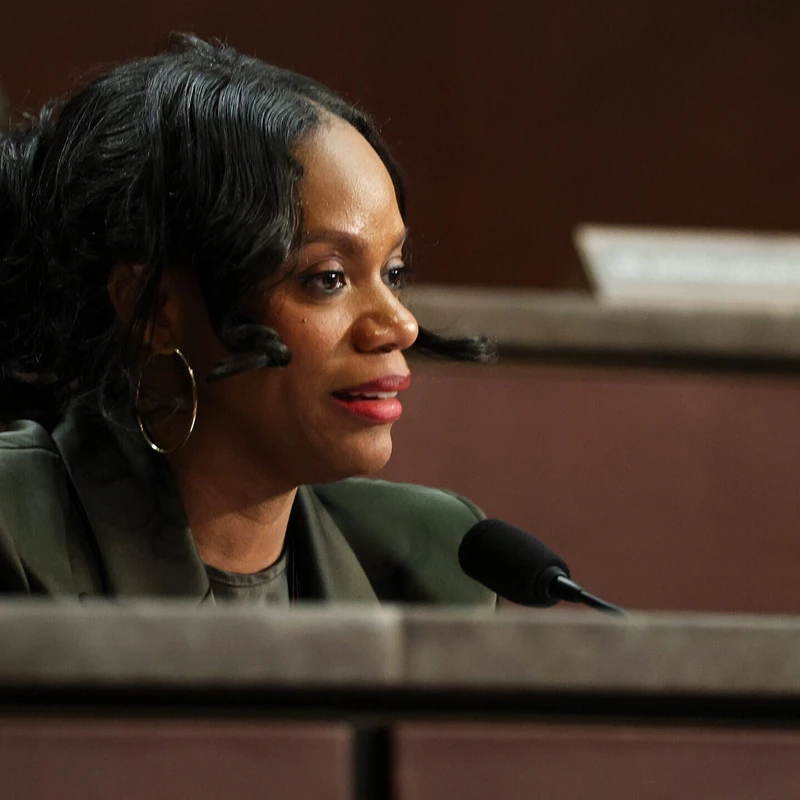
    How can we possibly tackle the Black maternal health crisis if we’re forbidden from even saying the word ‘Black’? This isn’t just a rhetorical question; it became a stark reality during a recent committee hearing where U.S. Representative Summer Lee directly challenged Health and Human Services Secretary Robert F. Kennedy Jr. on this very issue.

    The Word ‘Black’ Removed from Funding Applications

    Rep. Lee revealed a concerning directive from the agency: programs were instructed to remove nearly 200 words and phrases from their funding applications, and astonishingly, ‘Black’ was on that list. She pressed Secretary Kennedy, asking how his agency expects to address the Black maternal mortality crisis when the very identity of the affected population is being erased from the application process.

    This intense exchange occurred at the close of Black Maternal Health Week, highlighting the urgency of the situation. Rep. Lee didn’t mince words, laying out the grim statistics: Black women are at least three times more likely to die from pregnancy-related causes than white women, and tragically, most of these deaths are preventable. She also sounded the alarm on proposed cuts to vital maternal health programs and the detrimental impact of rolling back diversity, equity, and inclusion (DEI) efforts.

    Pivoting Away from Disparities

    Secretary Kennedy attempted to counter Rep. Lee’s points, but when directly questioned about disparities, he largely shifted the conversation to general maternal health improvements. He claimed the administration had made significant strides and downplayed his controversial past remarks about Tylenol during pregnancy, suggesting it wouldn’t substantially impact Black maternal deaths.

    Systemic Inequities and Mounting Challenges

    The challenges facing Black women are profound. Beyond mortality rates that are three to four times higher than any other demographic, they experience disproportionately high rates of complications like preeclampsia and emergency C-sections. These disparities stem from deep-rooted issues: gaps in access to care, pervasive medical bias, and systemic inequities.

    The situation has become even more precarious in recent years. The overturning of Roe v. Wade in 2022 has complicated pregnancy care nationwide, while the rollback of DEI initiatives puts crucial funding for targeted programs at risk. Even essential support systems like doulas are facing increasingly restrictive policies, further hindering access to quality care.

    Targeted Solutions Benefit Everyone

    Rep. Lee’s powerful remarks have resonated widely, with many emphasizing that addressing the needs of the most vulnerable populations ultimately improves health outcomes for everyone. The idea that targeted solutions are somehow exclusionary fundamentally misunderstands public health principles. As Lee eloquently put it during the hearing, ‘We can improve healthcare for everybody at the same time as helping the people who are most likely to die.’

    What are your thoughts on the removal of the word ‘Black’ from funding applications? How can we ensure targeted solutions for Black maternal health are prioritized? Share your views in the comments below!
  • Young Black Moms Need a Voice in Maternal Health

    We’ve all heard the heartbreaking statistic: Black women are significantly more likely to die from pregnancy-related causes than white women. For years, during Black Maternal Health Week, we’ve shared the posts, mourned the losses, and discussed these disparities. But are we forgetting a crucial group within this conversation? Young Black mothers, often navigating medical racism and societal stigmas, are frequently left out of the loop.

    A Wake-Up Call from Monaleo

    Recently, 24-year-old rapper Monaleo shared her harrowing experience, bringing this issue to the forefront. She recounted how severe abdominal pain was initially dismissed, nearly leading to a life-threatening medical emergency. It took her persistence for doctors to discover a softball-sized cyst that had cut off blood flow, causing internal bleeding.

    Monaleo’s story is a stark reminder of the medical gaslighting Black women can face. This type of dismissal, unfortunately, contributes to the alarming maternal mortality rates. Reports show Black women often undergo more invasive surgeries because their pain isn’t taken seriously from the start.

    Amplified Risks for Young Mothers

    Dr. Aisha Mays, a physician specializing in family and adolescent medicine, emphasizes that these risks are even greater for young mothers. Due to their age, they are already considered a vulnerable group, and societal stigmas only add to their challenges.

    Dr. Mays founded the Dream Youth Clinic, which offers free medical and mental health services to young people. This year, her organization launched the ‘Young Black Moms To The Front’ campaign to ensure young mothers are central to Black Maternal Health Week discussions. ‘It is so important for young Black mothers to be at the center of this conversation because they’re even more… some of the most vulnerable Black mothers in our community,’ she stated.

    The Weight of Societal Stigma

    The stigma surrounding young motherhood can push these women to the margins. Society often focuses on negative stereotypes – that they won’t finish school or will have poor outcomes. However, Dr. Mays points out that these outcomes are often a result of systemic issues, like being pushed out of school or facing discrimination from healthcare providers.

    This discrimination can lead to delayed prenatal care and increased stress during pregnancy, contributing to higher rates of preterm birth and low birth weight babies. Furthermore, young mothers are disproportionately targeted by social services, leading to increased surveillance rather than support.

    Centering Young Voices for Better Outcomes

    Research, like the Black Adolescent Mother (B.A.M.) study, highlights the need for consistent, wraparound community support. Programs that celebrate and empower young mothers, rather than just tolerate them, are essential. This includes tailored postpartum support, similar to what is offered to older mothers, but designed for the unique experiences of adolescent mothers.

    Dr. Mays envisions a future where young Black mothers are no longer in the shadows. ‘What I wish to see for our 20-year [celebration of Black Maternal Health week] is young people at the center,’ she shared. ‘Having a child at a young age does not mean your life is over. It has been detrimental for young people because of how they’ve been treated for that choice. So imagine if we change the treatment from punishment to celebration, support, and resources. It would change 100%.’

    What are your thoughts on ensuring young Black mothers are heard in maternal health discussions? Share your insights in the comments below!

  • Dr. Lisa Saul on Fighting the Black Maternal Health Crisis

    Even with the ongoing challenges to reproductive rights and the persistent Black maternal health crisis, Dr. Lisa Saul remains a beacon of hope and motivation. As the chief medical officer of women’s health for United Healthcare, she’s deeply committed to fighting for better outcomes for Black mothers, a mission that fuels her work despite the slow pace of change.

    Staying Motivated Amidst Challenges

    Dr. Saul, a seasoned neonatologist and former maternal-fetal medicine specialist, shared her insights during Black Maternal Health Week. She acknowledged the stark reality: Black women are still more than three times as likely to die from childbirth-related causes compared to their white counterparts. Yet, she finds encouragement in the possibility of reducing preventable harm and the progress being made, however incremental.

    Her extensive experience, including leading maternity care initiatives in Minneapolis, now informs her national efforts to shape policy, improve access to care, and ultimately enhance health outcomes for women across the country. She believes that progress is possible and that continued advocacy is crucial.

    The Power of Doula Support

    One significant cultural shift Dr. Saul highlighted is the growing recognition of the vital role doulas play, particularly for Black women. She noted that many pregnant individuals feel unsupported, often relying solely on partners. Doulas offer crucial support not just during labor and delivery, but throughout the entire pregnancy journey.

    “Doulas provide a tremendous amount of support throughout the entire pregnancy journey,” Dr. Saul explained. “They provide another set of eyes and ears, but most importantly, they allow our members to feel seen and heard when they have questions, fears, or insecurities that are part of any pregnancy.”

    Addressing Preventable Complications

    Reflecting on the 10th Black Maternal Health Week, Dr. Saul identified the most urgent issue: the continued occurrence of preventable complications among Black women. She pointed out that these disparities persist even for those who are insured, educated, and actively engaged with the healthcare system. This suggests the problem extends beyond mere access to care, encompassing the cumulative effects of ‘weathering’—the physiological impact of chronic stress—and unconscious bias.

    Progress and Future Needs

    Despite the challenges, Dr. Saul acknowledged progress in obstetric care, including improved protocols for hemorrhage, hypertension, and sepsis. The increasing value placed on continuous, nonclinical support like doulas is also a positive step. However, she stressed that lasting change requires addressing the underlying societal conditions that impact health long before pregnancy even begins.

    • Black women are over three times more likely to die from childbirth-related causes.
    • Preventable complications remain a critical issue.
    • Doula support is increasingly recognized as life-saving.
    • Addressing cumulative stress (‘weathering’) and bias is essential.
    • Maternal health requires a whole-person, lifelong approach.

    Dr. Saul emphasized the need to view maternal health through a holistic lens, considering the body’s condition entering pregnancy and the support available afterward. She believes that understanding vulnerabilities tied to mental health, chronic conditions, and cumulative stress is key to truly transforming outcomes for Black women.

    What are your thoughts on the fight against the Black maternal health crisis? Share your perspectives in the comments below!

  • White Woman Sues Over Black Infant Health Program

    In a surprising turn of events, a white woman in California is suing a public health program specifically designed for Black mothers and infants, alleging racial discrimination. Erica Jimenez claims she was denied entry into the Pasadena Black Infant Health (BIH) Program solely because of her race, sparking a debate about targeted support programs.

    The Lawsuit’s Core Allegations

    Jimenez, 33, filed a federal class action lawsuit against the Pasadena Public Health Department, its director, and other state health agencies. Her attorneys from the Pacific Legal Foundation assert that she was informed she didn’t meet the racial requirements for the program just weeks before giving birth to her son in March. The lawsuit argues that basing enrollment on race violates the Equal Protection Clause of the Fourteenth Amendment and Title VI of the Civil Rights Act of 1964.

    “California’s program treats race as a stand-in for need — assuming that only mothers of one race deserve or require the help this program offers,” stated Andrew Quinio, an attorney with the Pacific Legal Foundation. “Drawing a line around a public benefit program and saying only certain races may enter is precisely the kind of discrimination the Equal Protection Clause forbids.”

    The Program’s Purpose and Necessity

    However, the BIH program was established in 1989 with a clear mission: to address the alarmingly high infant mortality rates among Black families. For over three decades, Black infants have consistently faced higher rates of mortality, low birth weight, and prematurity compared to other racial groups. The program aims to empower Black and African American women by connecting them with essential resources and support to promote healthy pregnancies and positive birth outcomes.

    Official data from the Centers for Disease Control and Prevention shows that Black babies have a mortality rate of 10.93 deaths per 1,000 live births. These disparities are often linked to systemic issues like unequal access to quality prenatal care, racial bias in healthcare settings, chronic stress from racism, and environmental factors impacting maternal health. Programs like BIH are designed to help close these gaps and provide a more equitable foundation for Black infants, not to give them an unfair advantage.

    Broader Context of DEI Challenges

    Jimenez’s lawsuit comes at a time when diversity, equity, and inclusion (DEI) initiatives are facing increased scrutiny and legal challenges across various sectors. Following shifts in political and corporate landscapes, there has been a rise in lawsuits aimed at dismantling or gaining access to programs originally created to support marginalized communities. This includes efforts to roll back educational guidance for Black students and the cancellation of grants specifically for Black farmers and entrepreneurs.

    The lawsuit seeks to end the BIH program’s racial eligibility requirements, advocating for enrollment to be opened to all mothers based on need. However, critics point out that the program’s existence is precisely because need, as defined by racial disparities, is demonstrably higher within the Black community. The outcome of this case could have significant implications for how race-conscious support programs are viewed and maintained.

    What are your thoughts on this lawsuit and the purpose of targeted health programs? Share your perspective in the comments below!

  • New Grants Target Preeclampsia in Black Women

    For too long, Black and Indigenous women in North America have faced a higher risk of developing serious pregnancy complications like preeclampsia. But a new initiative is aiming to change that narrative. The Preeclampsia Foundation and Preeclampsia Foundation Canada have announced a significant partnership to fund research specifically focused on improving outcomes for these highly affected populations.

    Targeting Health Inequities

    This crucial funding, announced just before Black Maternal Health Week, establishes four grants designed to tackle the root causes and consequences of preeclampsia. “Black and Indigenous women in North America are more likely to develop hypertensive disorders of pregnancy and to have adverse outcomes,” explained Eleni Tsigas, CEO of the Preeclampsia Foundation. “By focusing this year’s funding on research that includes and centers these highly affected populations, we hope to add to the body of research to better understand those connections, increase representation in our patient registry, and ultimately improve their outcomes.”

    Three of the grants will prioritize health equity, ensuring that research directly addresses the systemic factors contributing to disparities. The fourth grant will specifically focus on HELLP syndrome, a rare but extremely severe form of preeclampsia.

    Grant Details and Focus Areas

    In the United States, the Preeclampsia Foundation is offering two Scientific Research Vision Grants, each up to $20,000. These grants are dedicated to studying preeclampsia and related hypertensive disorders, with a strong emphasis on health inequities. Meanwhile, Preeclampsia Foundation Canada will award two additional Vision Grants. The Maya B. Dash Vision Grant, funded by the Doane Grant Thornton Foundation, offers up to $20,000 CAD for research on preeclampsia and health inequities affecting Black Canadians, exclusively for Canadian-based researchers.

    The second Canadian award, supported by the Cara HELLPs Research Fund (created in honor of Cara Kernohan, who tragically died from HELLP syndrome), provides up to $25,000 CAD for research on HELLP syndrome and is open to all qualified researchers. This focused approach acknowledges the severity and unique challenges associated with this condition.

    Understanding Preeclampsia and Its Impact

    Preeclampsia is a serious pregnancy complication, typically developing after 20 weeks of gestation, characterized by high blood pressure, protein in the urine, and signs of organ damage. While it affects about 5-8% of pregnancies globally, these numbers surge for Black and Indigenous women. Data from the CDC indicates Black women are about 60% more likely to develop the condition than white women, with research from Johns Hopkins suggesting factors beyond race alone contribute to these higher rates. Alarmingly, the incidence of preeclampsia has been rising, nearly doubling since 2007.

    High-Profile Experiences and Tragic Outcomes

    Several high-profile women, including Beyoncé, Allyson Felix, and Meghan Markle, have publicly shared their experiences with preeclampsia, highlighting its prevalence. Beyoncé’s battle contributed to an emergency C-section, while Felix and ‘Real Housewives of Atlanta’ alum Kenya Moore delivered their babies early due to the complication. Tragically, the condition can be fatal. Snoop Dogg’s daughter, Cori Broadus, lost her baby due to premature birth complications from preeclampsia, and Olympic gold medalist Tori Bowie died in 2023 from complications related to hypertensive disorders of pregnancy, with her daughter stillborn.

    Researchers are still working to pinpoint the exact reasons for the disproportionate impact on Black women. However, it’s clear that underlying hypertension plays a significant role. Black women, pregnant or not, experience higher rates of hypertension than other groups, a critical factor in the broader Black maternal health crisis.

    Future Research and Eligibility

    These new grants are designed to provide essential seed funding for “novel, innovative research led by promising young investigators.” The goal is to begin answering the critical question of why preeclampsia is more prevalent in certain populations. Eligibility is limited to postdoctoral researchers, clinical fellows, and early-stage investigators. Applications are due May 27, 2026, with award notifications expected in September. More information can be found at preeclampsia.org/research-funding for U.S. applicants and preeclampsiacanada.ca for those in Canada.

    What are your thoughts on these new grants aimed at tackling preeclampsia disparities? Share your perspective in the comments below!

  • Black Maternal Health Week: Justice & Joy

    The 10th annual Black Maternal Health Week (BMHW) has officially begun, and this year’s theme, ‘rooted in justice and joy,’ perfectly captures the spirit of the movement. After a powerful kickoff walk in Atlanta and an energetic virtual pep rally, the week is dedicated to confronting the ongoing Black maternal health crisis with a blend of unwavering advocacy and uplifting celebration.

    A Decade of Advocacy: Justice and Joy

    For ten years, BMHW has served as a crucial call to action, highlighting the alarming maternal mortality rates among Black women and demanding equitable maternity care. The virtual pep rally, filled with upbeat music and heartfelt greetings from midwives, organizers, and advocates across the country, set a tone of palpable energy and familial connection. Despite minor technical hiccups, the message was clear: the movement is strong and growing.

    This year’s theme, ‘rooted in justice and joy,’ is particularly poignant. It acknowledges the deep systemic inequities that Black mothers face, especially in the wake of the overturning of Roe v. Wade and the subsequent rise in reproductive healthcare restrictions. Black women continue to be disproportionately affected, facing higher rates of preventable pregnancy-related deaths – a statistic that has remained stubbornly high despite increased awareness.

    Community-Driven Solutions Taking Root

    Elizabeth Dawes, co-founder of the Black Mamas Matter Alliance, emphasized the critical juncture we’re at, noting that policies are often intentionally harmful or simply ignore the needs of Black women and families. However, the overwhelming sentiment from rally participants was one of empowerment: ‘We are here. We are the solution.’ This powerful declaration underscores a growing movement of self-determination and community-led initiatives.

    Across the nation, innovative solutions are blossoming. In North Miami, a mobile midwife clinic offers free care, including midwife and doula services, mental health support, and nutrition assistance, directly to families in need. Philadelphia hosted a maternal mental health conference alongside a community baby shower, while Nebraska has trained dozens of community members as doulas to build a pipeline of culturally competent care.

    Building Infrastructure, Demanding Justice

    The message is clear: communities are building their own infrastructures of care, no longer waiting for institutions that have historically failed them. Federal policy advocates are pushing for systemic change, while local organizations are filling critical gaps through mutual aid, education, and direct services. As Dawes stated, ‘This is the time where we stand strong, where we demand justice from the current system, while creating our own infrastructure of care.’

    Get Involved: A Week of Action and Awareness

    There are numerous opportunities to participate throughout the week. In Washington, D.C., Mamatoto Village is hosting a range of events, including a 5K walk, a maternal health fair at Howard University Hospital, and a cultural soiree. Los Angeles is holding community baby showers and resource fairs, while Austin features a weeklong summit covering mental health, physical health, advocacy, and fatherhood.

    Black Maternal Health Week runs through Friday, April 17th, but the work doesn’t stop there. As organizers emphasized, ‘Black maternal health week is more than a moment. It is a declaration that Black mamas deserve to thrive.’

    How are you supporting Black maternal health in your community? Share your thoughts and local initiatives in the comments below!

  • 8 Black Maternal Health Week Events Nationwide

    Black Maternal Health Week, observed annually from April 11 to April 15, marks its 10th anniversary in 2026 with the powerful theme, ‘Rooted in Justice & Joy.’ This movement is more than just a health campaign; it’s a radical effort to reclaim the birthing experience for Black mothers. This milestone year emphasizes that awareness must translate into action, shifting the narrative from ‘at-risk’ statistics to demanding systemic accountability.

    Shifting Focus to Black-Led Care

    Led by the Black Mamas Matter Alliance (BMMA), the initiative firmly argues that the maternal health crisis stems from medical negligence and structural racism, not Black biology. Organizers stress that true equity requires moving beyond hospital-centric models and embracing solutions already thriving within Black communities, such as the vital work of doulas and midwives. The call is for the healthcare system to listen, fund, and step aside for these community-based approaches.

    This year’s Black Maternal Health Week features a range of community-based, grassroots activities designed to raise awareness, provide resources, and foster joy and justice in the birthing journey. Here are some of the key events happening nationwide:

    Featured Events Across the Nation

    1. **The South (Georgia & Florida):**
      * **2026 Black Maternal Health Walk & Community Fair** (Atlanta, GA, April 11): Hosted by Black Mamas Matter Alliance, featuring a guided walk, yoga, and access to maternal health resources.
      * **ATL Black Maternal Health Week Block Party** (Atlanta, GA, April 11): Hosted by 4Kira4Moms, a family-friendly event with health screenings, ‘dad games,’ and food trucks focused on preventing maternal mortality.
      * **MOMMA Fest & Race for Black Mommas** (Tampa, FL, April 11–12): A two-day event by USF Health combining physical activity and advocacy to address regional maternal health disparities.
    2. **The West (California):**
      * **5th Annual Community Baby Shower & Resource Fair** (Los Angeles, CA, April 11): Hosted by Black Infants and Families Los Angeles, offering practical support and somatic grounding for Black families.
      * **Black Mamas Birthing Tour** (Los Angeles, CA, April 12): Hosted by Black Women for Wellness, an educational tour on birthing options and culturally appropriate care.
    3. **The Southwest (Texas):**
      * **Black Mamas ATX Summit Launch** (Austin, TX, April 11): Hosted by Black Mamas ATX & Austin Public Health, a leadership summit focused on health system reform and fair healthcare access.
    4. **The Midwest (Missouri & Illinois):**
      * **3rd Annual Centering Joy in the Black Birthing Experience Conference** (St. Louis Metro Area, April 11): A conference discussing birth equity and culturally competent care solutions.
    5. **The Northeast (New York):**
      * **Walking for Our Mothers** (Brooklyn, NY, April 11): A community solidarity walk in Prospect Park honoring Black mothers and advocating for improved maternal health outcomes.

    A Movement Rooted in Justice and Joy

    These events represent a powerful collective effort to shift the paradigm of Black maternal health. By centering community leadership, advocating for systemic change, and celebrating the joy and resilience inherent in the birthing experience, Black Maternal Health Week continues to be a vital force for progress.

    Which of these Black Maternal Health Week events are you most excited about? How can we continue to support Black mothers and birthing people? Share your thoughts in the comments below!

  • Black Mamas Matter Launches 10th Maternal Health Week

    The Black Mamas Matter Alliance (BMMA) is launching its 10th annual Maternal Health Week, commencing on April 11th – a significant date also recognized as International Day for Maternal Health and Rights and Black Doula Day. This year’s campaign, themed “Rooted In Justice and Joy,” aims to foster crucial conversations and advocate for the well-being of Black mothers through a series of digital and in-person events.

    A Week Focused on Justice and Joy

    The week-long initiative is designed to highlight the critical issues surrounding Black maternal health while celebrating the resilience and joy found within the community. BMMA’s commitment to justice in the reproductive fight is central to their mission, seeking to reclaim the positive aspects of motherhood amidst ongoing challenges.

    The campaign kicks off in Atlanta with a Black Maternal Health Walk and Community Fair, providing an opportunity for Black mothers and their supporters to connect and engage in wellness activities. Globally, the week will feature a virtual webinar on birth justice, aiming to connect advocates on an international scale.

    Community Upliftment and Advocacy

    Further virtual events include a neighborhood pep rally designed to inspire and promote Black maternal health organizations nationwide. This will be followed by a networking event for Atlanta’s professionals, fostering collaboration among industry leaders to advance the movement’s goals. These activities coincide with BMMA’s 10th anniversary of the Global Black Maternal Health Movement.

    Angela D. Aina, co-founder of BMMA, shared the profound significance of this year’s launch: “As we launch our 9th annual Black Maternal Health Week, we do so rooted in both the weight of this moment and the joy of this movement,” she stated. “We are witnessing unprecedented attacks on Black families, on reproductive rights, and on the very institutions meant to protect our health and dignity. And yet, we remain rooted.”

    Inclusivity and Remembrance

    BMMA is also expanding its programming to be inclusive of diverse family structures, opening discussions to trans parents and gender-expansive families navigating the healthcare system. The week will conclude with a Community Remembrance and Healing vigil on April 17th, honoring lives lost to maternal mortality and recognizing the ongoing fight in their memory.

    Aina emphasized the interconnectedness of justice and joy: “Justice and joy are not separate — they are the foundation of everything we do. BMHW26 is a time for community-rooted action in addressing maternal health inequities and ensuring that everyone, especially Black Mamas, receives the resources needed to thrive.” Advocates can find more information and sign up for events on the BMMA website.

    BMMA’s work is incredibly important. How can we all contribute to addressing Black maternal health inequities? Share your thoughts and ways to get involved in the comments below!