Tag: Black Journalists

  • Kimberly Adams: First Black Woman to Host Marketplace Morning Report

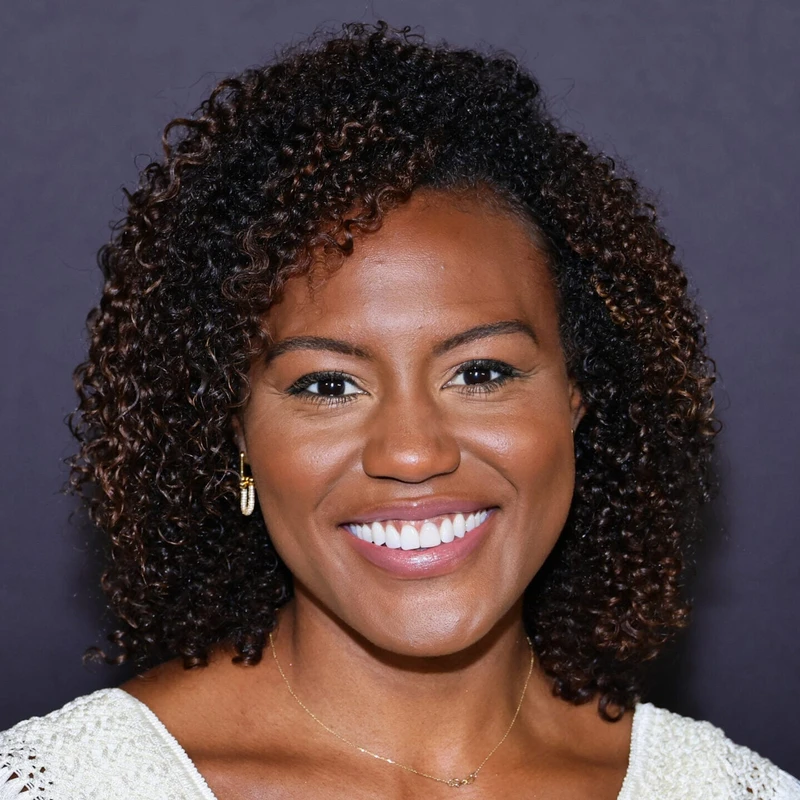
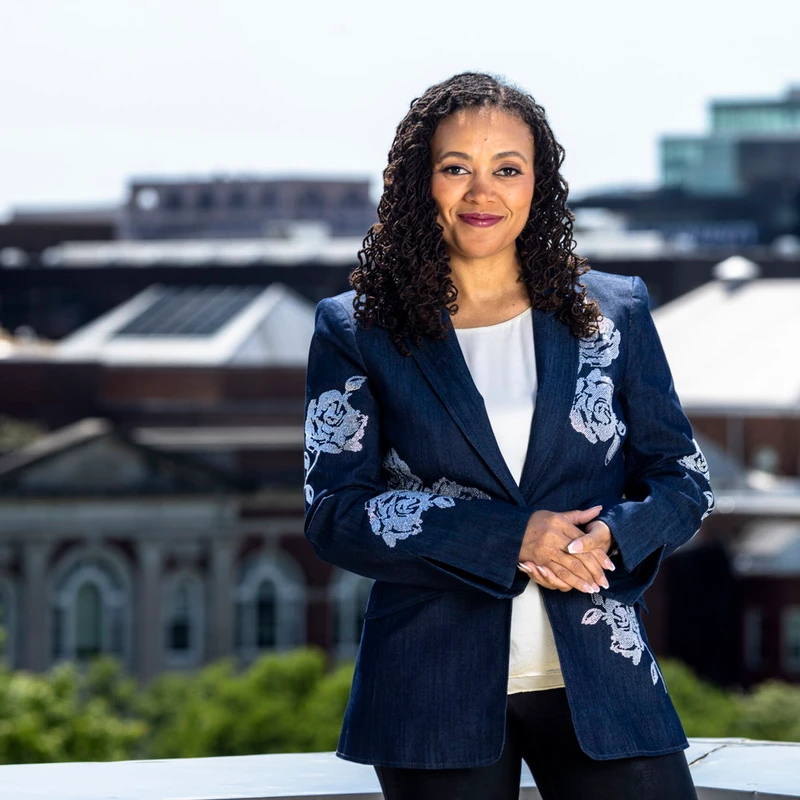
    Big news in the world of public radio! American Public Media has announced that Kimberly Adams will be the next host of its flagship weekday program, Marketplace Morning Report. This appointment marks a significant milestone, as Adams becomes the first Black woman to lead one of Marketplace’s core shows, bringing her insightful economic analysis to millions of listeners nationwide.

    A Voice for the People

    Adams, currently serving as senior Washington correspondent and host of the popular podcast Make Me Smart, will officially step into her new role on June 8th. Her decades of experience as a journalist, particularly her focus on translating complex economic policy into everyday impacts, make her a natural fit for this prominent position.

    Reflecting on her journey, Adams shared with BLACK ENTERPRISE, ‘I grew up in St. Louis, where the economic divides across race, class, and geography were always present and visible. Those lessons have informed my decades of work as a journalist.’ She emphasizes that business and economics news often circles back to fundamental questions of money, power, and access.

    Expanding the Conversation

    Adams is eager to broaden the scope of economic reporting. ‘I’m looking forward to expanding that remit to include not just what policymakers are doing in Washington, but also what company leaders are doing in boardrooms, what consumers are doing at the grocery store, and what living in this economy means for all kinds of people,’ she explained. This inclusive approach promises to connect with a wider audience.

    Before her role as a D.C. correspondent, Adams honed her skills as a freelance journalist, earning accolades from organizations like the National Association of Black Journalists. Her versatility is further demonstrated by her experience as a fill-in host for C-SPAN’s Washington Journal and her board service with the International Women’s Media Foundation.

    A Trusted Voice for Economic Understanding

    Neal Scarbrough, vice president and general manager at Marketplace, praised Adams’s qualifications, noting her ‘diligent reporting’ and how listeners have embraced her ‘leadership and versatility.’ He highlighted her ability to build an ‘unwavering connection with our audience’ through her sharp economic analysis.

    Adams is excited to help listeners navigate the current economic landscape. ‘In this moment of economic transition, it’s vital our community has access to the best journalism about how money is moving in our society,’ she stated. ‘I feel incredibly honored to step into this role at this time to help bring timely and relevant information to the folks who need it most.’

    What are your favorite segments or topics covered by Marketplace Morning Report? Let us know in the comments below!
  • Speedy Morman’s Exit: A Trend in Media?

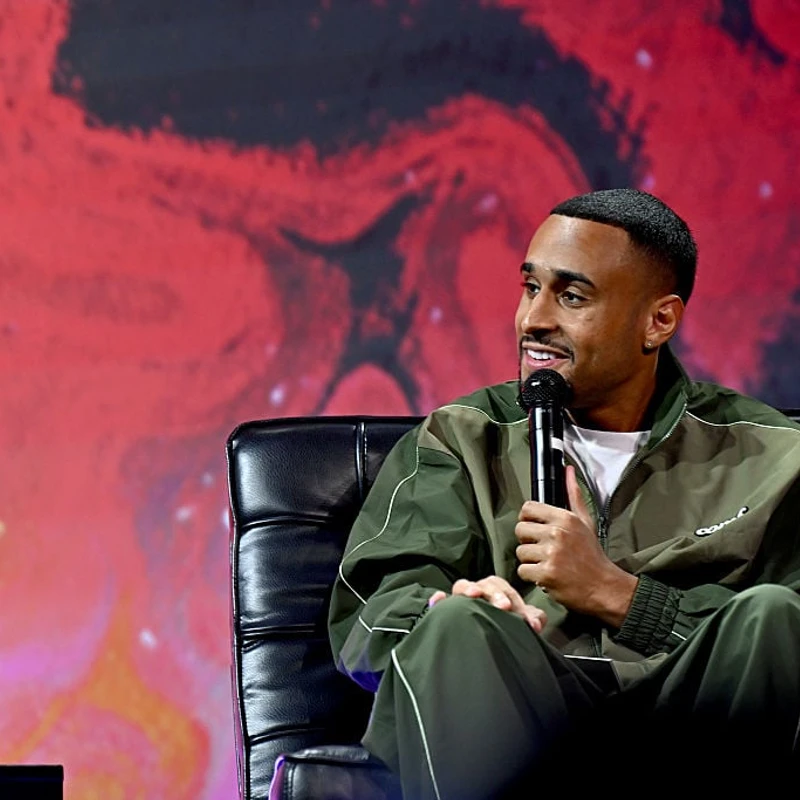
    After more than a decade with Complex, Speedy Morman has announced his departure, marking the end of an incredible era. He’s not just leaving a job; he’s stepping into the growing movement of Black journalists and media personalities who are choosing to bet on themselves and go independent. This shift reflects significant changes happening across the media landscape.

    A Decade at Complex and a Leap to Independence

    Morman, who hosted the show ‘360 with Speedy,’ described his time at Complex as an “incredible era.” He’s excited to continue his passion for interviewing and connecting with people on a deeper level, but now with new partners and audiences. “I can’t wait to see what the next 10 years have in store,” he shared, signaling a bright future ahead.

    His decision to go independent places him alongside a growing number of Black journalists who are leaving traditional media outlets. Factors like media acquisitions, widespread layoffs, and evolving consumption habits are forcing many to find new, creative ways to pursue their love for storytelling.

    Why Journalists Are Choosing Independence

    Former beauty editor and journalist Kayla Greaves points to several key reasons for this trend. “People don’t read anymore. It’s a harsh reality, but it’s reality and we see a lot of traditional media outlets crumbling because of it,” she explains. The shift towards digital content consumed on phones, through videos and audio, means traditional outlets are struggling to adapt.

    Greaves also notes that many newsrooms were initially resistant to allowing their editors to become front-facing digital talent. Philip Lewis, president of the Washington Association of Black Journalists, echoes this sentiment, highlighting a “growing number of journalists who have become increasingly disillusioned with the state of our industry.” Many feel news outlets are unwilling to pay a living wage or are afraid to report truthfully on critical issues.

    Building Your Own Platform: Autonomy and Control

    The desire for autonomy is a major driving force. Entertainment journalist Gia Peppers noticed the precariousness of traditional media early on, leading her to freelance and build her own brand. “I decided then that I would become my own brand and lend my voice to stories and projects that felt aligned with what I wanted to contribute to the world,” she shared.

    The acquisition of platforms like Twitter by billionaires has further underscored the importance of owning your audience. Lewis emphasizes the need for a “direct-to-consumer model” through newsletters, websites, or blogs, where content isn’t subject to algorithm changes. This autonomy allows journalists to share stories on their own terms, without layers of approval or the fear of ideas being co-opted.

    The Future of Journalism: Independent or Cooperative?

    While independent media offers exciting possibilities, it’s not without its challenges. Greaves and Lewis agree that while “journalist-led” platforms could be the future, they require significant funding and experienced leadership. They caution that a million Substack newsletters can’t replace the robust teams of reporters, editors, and fact-checkers needed for in-depth investigative journalism.

    Lewis suggests that “worker-owned journalism cooperatives” might be the most sustainable path forward, emphasizing that while one journalist can’t do everything, a team can. The rise of independent creators like Morman signifies a powerful shift, but the industry as a whole is still navigating how to best support and fund impactful journalism in this new era.

    • Speedy Morman is leaving Complex after 10 years to pursue independent ventures.
    • His departure reflects a larger trend of Black journalists leaving traditional media.
    • Reasons include changing media consumption, layoffs, and a desire for autonomy.
    • Journalists are building their own platforms via newsletters, podcasts, and more.
    • The future may lie in well-funded, journalist-led platforms or worker-owned cooperatives.

    What do you think about the trend of journalists going independent? Do you follow any independent media creators? Share your thoughts in the comments below!

  • Stephanie Elam Departs CNN, Joins Trend of Black Journalists Leaving TV

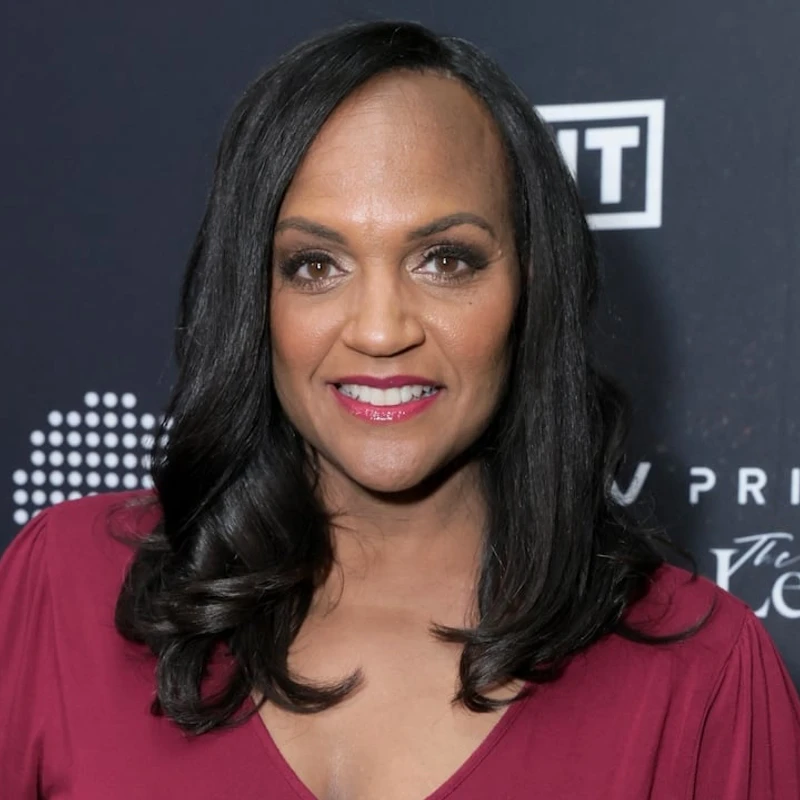
    After an impressive two-decade run, Stephanie Elam is saying goodbye to CNN. Her departure, announced on April 18th, is more than just the end of a long tenure; it’s part of a larger narrative unfolding in television news.

    A Career of Covering History

    As a proud Howard University alum, Elam covered a vast spectrum of significant events during her time at CNN. From the cultural impact of Michael Jackson and Prince’s deaths to the complexities of the stock market and the devastating Eaton fire that affected communities like Altadena, she was a consistent presence delivering crucial information.

    Reflecting on her career, Elam shared, “For more than 20 years I’ve been in the CNN orbit developing and delivering news stories on everything from the environment and entertainment to business and breaking news of all kinds. I’m so proud of my CNN career. Live or taped, writing packages or doing a show-and-tell, I’ve done it all — and having a front row seat to document history has been a gift.”

    A Growing Trend Among Black Journalists

    Elam’s exit, though voluntary, highlights a noticeable trend: Black journalists are increasingly leaving the world of network television news. This isn’t always by choice; recent mass layoffs at networks like NBC and CBS have also contributed to this shift.

    Just last month, Shawna Thomas, a producer for “CBS Mornings,” announced her departure, citing exhaustion. She described her decision not as a final goodbye, but as the beginning of a countdown to a less demanding schedule, expressing gratitude for the growth and storytelling experiences gained during her five years at the show.

    Moments of Heart and Sisterhood

    One of Elam’s most memorable on-air moments occurred in 2025 when she delivered a heartfelt eulogy for her friend, former MTV VJ Ananda Lewis, who passed away from breast cancer. Elam, alongside CNN anchor Sara Sidner (who was also battling cancer at the time), shared a deeply personal conversation that showcased Elam’s role as a supportive friend and advocate for sisterhood.

    CNN acknowledged Elam’s significant contributions, stating, “Stephanie brought clarity, credibility, and heart to every story she touched over her two decades at CNN. Her versatility and natural ability to connect with audiences made her a trusted voice and a valued colleague.”

    The departure of experienced journalists like Elam, Maurice DuBois (from “CBS Evening News”), and Michelle Miller (from “CBS Saturday Morning”) signals a potential shift in the media landscape. While Elam hasn’t revealed her next steps, her absence from the screen is already being felt.

    What are your thoughts on Stephanie Elam’s departure from CNN and the broader trend of Black journalists leaving network TV? Share your insights in the comments below!

  • Janai Norman Departs GMA: ‘Hoped for More Time’

    Well, it’s official. Janai Norman has confirmed her departure from ‘Good Morning America,’ and it sounds like it was a bit of a surprise to her too. In an emotional Instagram video posted on April 4th, the 36-year-old journalist shared that she had truly hoped for more time on the beloved morning show.

    She expressed how difficult it was to have their time together cut short, but also shared her gratitude for the opportunity to connect with colleagues and viewers. “It has been a joy… to help keep you informed and entertained, and to create this community,” Norman stated, reflecting on her tenure.

    Why the Abrupt Exit?

    Reports suggest Norman’s exit comes after her contract with ABC News was not renewed. While she reportedly knew about the decision in early March, she continued to work professionally on air. However, once the news became public, she was taken off broadcasts before her contract was set to end in early May.

    This marks the end of a significant 15-year journey with ABC News, a place where Norman started as an intern back in 2011. She steadily climbed the ranks, contributing to programs like “World News Now” and “America This Morning,” and even played a role in launching the weekend edition of GMA in 2019.

    A Shift in Priorities

    Despite the bittersweet nature of her departure, Norman is looking forward to a major life change: spending more quality time with her family. She candidly mentioned that working weekend shifts meant missing out on precious moments with her three children. This shift in focus, she emphasized, is “worth everything.”

    Her announcement was met with a wave of support from her colleagues. Former co-anchor Kenneth Moton, for instance, took to social media to praise her career and express his excitement for what’s next for her. While Norman hasn’t revealed specific future plans, she hinted that more updates are on the way.

    Gratitude and Looking Ahead

    For now, Norman’s message to her loyal viewers is one of deep gratitude. She thanked them for their unwavering support throughout her time on the show, especially during this period of transition. It’s clear that while this chapter is closing, Janai Norman is ready for whatever comes next.

    What are your thoughts on Janai Norman’s departure from GMA? Share your reactions in the comments below!

  • Trump’s Attacks on Black Female Journalists

    It’s a familiar pattern: President Donald Trump launching personal attacks on journalists, particularly Black female reporters. His recent outburst against Yamiche Alcindor of PBS NewsHour, calling her “second-rate,” is just the latest example in a history of targeting women of color who dare to ask tough questions.

    Escalation Over Chicago Comments

    The incident occurred as Alcindor questioned Trump about a jarring social media post where he seemed to threaten “war” in Chicago. Trump had renamed his Cabinet-level department for the U.S. Armed Forces to the “Department of WAR” and posted, “Chicago is going to learn why it’s called the Department of WAR.” This came after weeks of Trump criticizing crime in majority Black and brown cities and threatening to deploy the National Guard.

    When Alcindor pressed him for an explanation, Trump fired back, “When you say that, darling, that’s fake news.” When she persisted, asking why he’d use the Department of Defense, Trump retorted, “Listen. Be quiet. Listen. You don’t listen. You never listen. That’s why you’re second-rate.”

    A Pattern of Attacks

    This isn’t the first time Trump has clashed with Alcindor. In 2018, he dismissed her question about his use of the term “nationalist” and its connection to white supremacists as “racist.” In 2019, he called her “untruthful” regarding reports about his administration’s transparency. And in 2020, when she questioned his administration’s slow response to the COVID-19 pandemic, he called it a “nasty” and “snarky” question, urging her to “be nice.”

    Civil rights attorney Sherrilyn Ifill suggested Trump’s reaction stemmed from Alcindor hitting a nerve. “He screwed up and has been trying to walk it back. She embarrassed him by being an actual reporter and raising what he wanted to avoid. Coward!” Ifill wrote on social media.

    Targeting Black Female Journalists

    The attacks extend beyond Alcindor. Longtime White House reporter April Ryan was called a “loser” by Trump in 2018 and told she “doesn’t know what the hell she is doing.” He infamously asked her to “set up” a meeting with the Congressional Black Caucus in 2017. More recently, he criticized CNN’s Abby Phillip, calling her a “3rd rate” talent with “no idea what she is talking about” regarding tariffs.

    These repeated personal insults against Black female journalists have drawn condemnation from organizations like the National Association of Black Journalists (NABJ). NABJ President Errin Haines emphasized the importance of respecting journalists, stating, “When journalists show up to do their jobs, they should not be personally attacked and impounded by subjects they cover.”

    • Trump recently called reporter Yamiche Alcindor “second-rate” during a press scrum.
    • The exchange occurred after Alcindor questioned Trump’s use of the term “Department of WAR” regarding Chicago.
    • This incident is part of a pattern of Trump attacking Black female journalists.
    • Previous targets include April Ryan and Abby Phillip.
    • The NABJ has vowed to defend Black journalists and the freedom of the press.

    Defending the Press

    Haines affirmed NABJ’s commitment to supporting journalists like Alcindor, who was named their 2020 Journalist of the Year. “NABJ will continue to champion Black journalists… who show up every day with integrity, rigor, and clarity,” she stated. The association stresses that protecting the press is essential for protecting the people and upholding democracy.

    What are your thoughts on President Trump’s interactions with journalists, particularly Black female reporters? Share your perspective in the comments below!