Tag: Black Health and Wellness

  • Cheyenne Bryant: Doctor or Guru? The Credential Debate

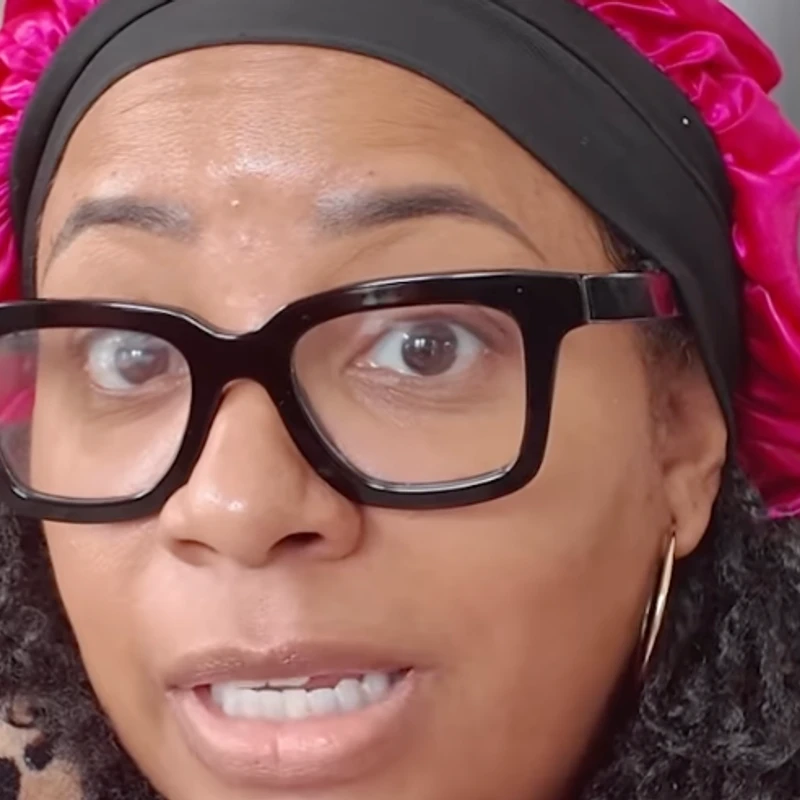
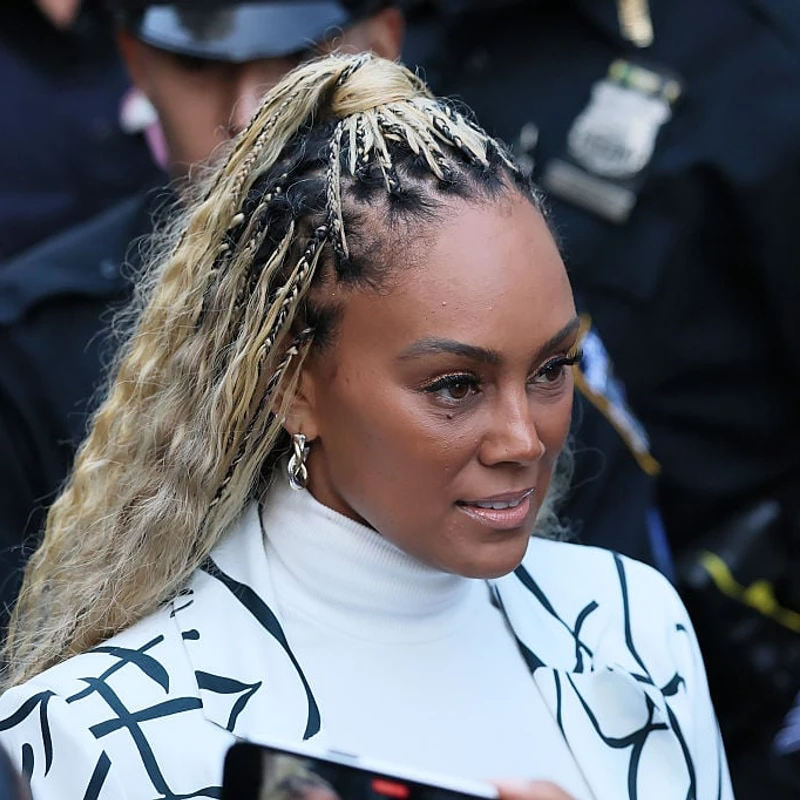
    Ever wondered if your favorite wellness guru truly has the credentials to back up their advice? Well, the conversation is heating up around Cheyenne Bryant, a well-known life coach and author who’s facing some serious questions about her professional title. Despite the controversy, Bryant is standing firm, asserting her right to be called a doctor.

    Defending the ‘Doctor’ Title

    Bryant, who has worked with high-profile clients like Nick Cannon and Shannon Sharpe, isn’t backing down. She explained in a recent interview that her extensive education and proven effectiveness are her proof. “My proof isn’t something that I have to prove to individuals. My proof is already within my credentials, my degrees,” she stated, emphasizing that her success speaks for itself.

    She believes that her ability to create her own unique path in the wellness industry sometimes sparks envy. “When people see that you created something that maybe they couldn’t, admiration turns into envy, and you’ve got to be okay with that,” Bryant shared, suggesting that skepticism often stems from admiration for her innovative approach.

    The Therapy License Question

    The controversy kicked off when Bryant revealed in an interview that she doesn’t hold a license to practice therapy. She explained that a license is primarily for billing insurance and that she prefers not to be constrained by the typical ethical and regulatory standards of licensed therapists. This clarification, however, has only fueled further questions about her qualifications.

    While she clarifies she’s not a therapist but a “psychology expert and life coach,” the core questions remain: Did she earn her doctoral degree, and is she qualified for her current practice? Her online bio indicates a dual degree in Psychology and Pan African studies from Cal State University, Northridge, and that she pursued a doctorate in Counseling Psychology from Argosy University.

    Argosy University’s Accreditation Status

    It’s worth noting that Argosy University, where Bryant pursued her doctorate, lost its accreditation in 2019 and subsequently closed its doors permanently. This detail adds another layer to the ongoing discussion about the validity of her doctoral credentials.

    Despite these concerns, Bryant remains resolute. When asked about her title, she firmly stated, “I’ve earned the title. I have multiple degrees, and I’m not going to prove anything to anybody.” Her stance is clear: she will continue to refer to herself as a doctor based on her educational achievements.

    What Does This Mean for Wellness Consumers?

    This situation highlights a broader trend and raises important questions for anyone seeking guidance from online wellness experts. It underscores the importance of looking beyond titles and understanding the specific services and qualifications offered by coaches and consultants. Are you someone who prioritizes formal licensing, or do you focus more on the results and perceived effectiveness of a wellness professional?

    What are your thoughts on Cheyenne Bryant’s credentials and her defense of the ‘doctor’ title? Share your perspective in the comments below!


  • Wellness Gurus: Credentials or Charisma?

    In today’s digital age, finding advice on everything from mental health to self-improvement is just a scroll away. But with so many online ‘wellness gurus’ and ‘experts’ popping up, how do you know if they’re truly qualified to offer guidance? This question has become a major point of discussion, especially after recent comments from Dr. Cheyenne Bryant.

    The Credential Conundrum

    Dr. Bryant, promoting her new book, revealed she doesn’t hold a therapy license, explaining it allows her to avoid insurance company entanglements and operate more privately. She stated she’s a ‘Psychology Expert and Life Coach,’ not a therapist, and therefore not bound by ethics boards or regulations. This stance has sparked significant backlash, with many questioning the credibility of advice given without traditional oversight.

    The debate highlights a broader issue: the blurring lines between genuine expertise and online influence. Dr. Raquel Martin, a vocal critic of Bryant’s comments, emphasizes that social capital and follower counts shouldn’t be mistaken for true expertise. While celebrity and expertise can sometimes overlap, they aren’t always the same thing.

    Trusting the ‘Experts’

    Former First Lady Michelle Obama has also expressed confusion about current standards, a sentiment that resonates across many fields, including wellness. Audiences increasingly trust charismatic personalities with unverified backgrounds, sometimes overlooking the value of formal training and accountability.

    Dr. Martin points out that while bad professionals exist in every field, the distinction between therapy and coaching is crucial. She notes that having a license doesn’t guarantee helpfulness, just as not having one doesn’t automatically mean someone can’t help. However, the lack of regulation in coaching can leave individuals vulnerable.

    Navigating the Wellness Landscape

    The wellness and self-help industries are flooded with influencers, AI-generated advice, and self-proclaimed experts. This confusion is so widespread that even celebrities have mistaken life coaches for therapists. Practices like psychology and spirituality have long histories, professional standards, and trained practitioners for a reason.

    Licenses, certifications, and degrees exist to ensure a level of competence and accountability. It’s not about gatekeeping, but about recognizing that mental health and healing require more than casual trust. Supporting unqualified figures can lead to wasted time, exploited vulnerabilities, and compromised care.

    How to Spot a Credible Source

    Dr. Martin advises consumers to use critical thinking. Legitimate professionals can often be verified through licensing boards, educational institutions, or professional directories. Be wary of overly simplistic answers to complex human issues – wellness advice should rarely be presented as a simple fix. Approach online wellness content with the same discernment you use for any other sensitive information online.

    Dr. Martin stresses that her criticism is about accountability and ensuring Black communities have access to credible care. “My Black love is also accountability,” she stated, emphasizing that challenging inaccuracies doesn’t make one anti-Black, but rather committed to deserving credible care.

    How do you vet online wellness advice? Share your tips for discerning credible information in the comments below!

  • Youth Suicide Rates Decline, But Concerns Remain

    There’s some encouraging news on the mental health front: suicide rates among young people in the United States have seen a decline since the 988 Suicide & Crisis Lifeline was introduced in 2022. This positive trend includes a decrease among Black youth, offering a much-needed sign of progress in addressing a critical issue.

    The Impact of the 988 Lifeline

    New research published in JAMA suggests a strong link between the rollout of the 988 hotline and this reduction in suicides. The study found that between 2022 and 2024, suicide rates for young people aged 15 to 34 dropped by approximately 11% overall. This translates to over 4,000 fewer deaths, with the program showing a more significant impact in areas where a higher volume of calls were answered.

    Dr. Vishal Patel, one of the study’s authors, highlighted that the program’s benefit extends to the population level, indicating that ‘suicide mortality is lower than it would have been without the program’ among young people. This reinforces earlier findings from the CDC that also pointed to declines in suicide-related issues among youth, including teens of color.

    Progress and Persistent Challenges

    The data from the JED Foundation shows notable declines across various racial and ethnic groups, including non-Hispanic American Indian and Alaska Native, white, and Asian youth (ages 10-24), as well as Black teens (ages 15-19). This is particularly significant given previous data that linked the pandemic era to sharp increases in suicide-related burdens, especially among younger children, Black youth, and gender-diverse young people.

    However, despite this hopeful news, the overall mental health crisis in the U.S. remains complex, and national suicide rates are still alarmingly high. While rates are highest for Indigenous and white men, the increase in suicides among Black Americans in recent years is narrowing long-standing racial gaps at a concerning pace. Suicide is now the third leading cause of death for Black youth aged 10-24, with a rate of 11.2 per 100,000, and the rapid increase is a major concern.

    Understanding Risk Factors

    Leading risk factors for suicide, according to Nationwide Children’s Hospital, include a history of mental health conditions like depression, prior self-harm, recent psychiatric care, exposure to violence, family conflict, and living in socioeconomically vulnerable environments. High-profile cases, such as the deaths of Ian Alexander Jr. (son of Regina King), former Miss USA Cheslie Kryst, and young Isabella “Izzy” Tichenor, tragically underscore that suicide can affect anyone.

    Experts believe the recent decline offers valuable insights. Expanded access to crisis support through 988, increased mental health awareness, and a rise in help-seeking behaviors, including therapy among young people, are all playing a role. The JED Foundation emphasizes that sustained progress requires culturally competent care, early intervention in schools and communities, and targeted outreach for high-risk groups like Black youth.

    The Path Forward

    Strengthening community-based mental health systems that address trauma, violence exposure, and structural inequities is also crucial. Furthermore, reducing access to lethal means, particularly firearms which are involved in about half of all youth suicides, remains a critical focus. The early success of 988 demonstrates that accessible, responsive, and culturally aware crisis care can make a tangible difference.

    If you or someone you know is struggling with thoughts of suicide, please reach out. Call or text 988, the Suicide and Crisis Lifeline, or chat via 988lifeline.org. For non-urgent mental health support, resources like TherapyForBlackGirls.com can provide culturally competent assistance. What steps do you think are most important for continuing to reduce youth suicide rates? Share your thoughts below.

  • The Silent Health Crisis Affecting Black Men Over 40

    For many Black men over 40, the demands of work, family, and daily life often take precedence over their own well-being. This can lead to a silent health crisis, where warning signs—both subtle and obvious—are ignored until a major medical event forces them to the forefront. Unfortunately, factors like mistrust in the healthcare system, experiences with racism, and the high cost of insurance often contribute to delayed screenings and diagnoses.

    Barriers to Early Detection

    Studies show that Black men are more likely to delay crucial health screenings compared to their white counterparts. This delay is often linked to a higher level of medical mistrust, increased exposure to everyday racism, and perceptions of racism within healthcare settings. These factors can make men hesitant to schedule routine checkups or address concerning symptoms promptly.

    When health issues are finally addressed, they are often more advanced, leading to poorer health outcomes. This is particularly concerning given the disproportionate rates at which Black men experience serious health conditions.

    Major Health Risks for Black Men Over 40

    Several serious health conditions pose significant threats to Black men in this age group. Cardiovascular and heart disease remain leading causes of death in the U.S., with Black Americans facing worse health outcomes. A staggering 57.5% of Black men have high blood pressure, and VCU Health reports they are 70% more likely to experience heart failure than white men.

    Diabetes is another growing concern. Type 2 diabetes, often linked to diet and lifestyle, is particularly prevalent in Black and Brown communities, with 90-95% of cases being this type. Dr. Kimbra A. Bell of Northwestern Medicine highlights that limited access to quality medical care and affordable prescription medications are major barriers, leading to conditions like diabetes being poorly managed and resulting in severe complications such as kidney disease, neuropathy, and hearing loss.

    The Impact of Prostate Cancer

    Prostate cancer presents a particularly high risk for Black men. They are 73% more likely to be diagnosed than white men and often experience earlier presentation, more aggressive disease, and higher mortality rates. Factors like racial bias, cultural norms, economic status, and fear contribute to delayed diagnoses, which unfortunately lowers survival rates.

    The mental health toll is also significant, with depression, anxiety, and chronic stress impacting Black men dealing with these conditions. Studies consistently show that cardiovascular disease, diabetes, and prostate cancer disproportionately affect Black men, both at diagnosis and long after treatment.

    Finding Solutions: Community and Early Intervention

    Fortunately, effective strategies are emerging. Community-based interventions, such as engaging barbershops and churches, along with culturally tailored health programs, have shown success in helping Black men navigate health challenges. Research also suggests that Black men are more likely to seek preventative care when seen by Black doctors, indicating the importance of representation in healthcare.

    Early intervention is key. Managing risk factors like high blood pressure, high cholesterol, smoking, and diabetes can help prevent heart disease. For prostate cancer, doctors recommend starting screenings as early as age 40 for Black men, with specific guidelines developed to aid in early detection and reduce morbidity and mortality in this high-risk population.

    • Prioritize regular checkups and screenings.
    • Understand your personal health numbers (blood pressure, cholesterol, blood sugar).
    • Adopt a healthy diet and lifestyle.
    • Seek culturally competent healthcare providers.
    • Engage with community health programs.

    What steps are you or the Black men in your life taking to prioritize health? Share your insights and experiences in the comments below to help others!

  • HBCU Attendance Linked to Better Brain Health

    Did you know your college choice could impact your brain health decades down the line? A fascinating new study suggests that attending a Historically Black College or University (HBCU) might offer significant, long-term cognitive benefits for Black Americans. It turns out, the environment where you learn can be just as crucial as the education itself!

    The Study’s Findings: HBCUs and Cognitive Health

    Published in JAMA Network Open, this research looked at data from nearly 2,000 Black adults who attended college between 1940 and 1980. The results were compelling: individuals who attended HBCUs showed better memory and overall cognitive performance around age 62 compared to those who attended predominantly white institutions (PWIs).

    Lead researcher Dr. Marilyn Thomas, an assistant professor at the University of California, San Francisco, highlighted that these cognitive advantages were observed across different time periods, even those shaped by major civil rights advancements. This suggests a consistent positive impact stemming from the HBCU experience.

    The Power of Culturally Affirming Environments

    So, what’s the secret sauce? The study proposes that the culturally affirming environments often found at HBCUs play a key role. These spaces can foster a sense of belonging and support, which may act as a protective factor for long-term brain health. Dr. Thomas emphasized that these environments can actively promote and safeguard cognitive well-being.

    Furthermore, HBCU attendees in the study were more likely to report positive early-life experiences, such as strong encouragement for education and supportive caregivers. This aligns with broader research linking exposure to racism with poorer health outcomes, including accelerated aging. The findings suggest that HBCUs can serve as vital sources of resilience against such stressors.

    Context Matters in Education

    Even a brief immersion in an HBCU environment seemed to have a measurable impact, according to the research. While considered exploratory, this study adds significant weight to the idea that the context and quality of one’s educational experience are incredibly important, especially for marginalized communities.

    In a time when discussions around diversity, equity, and inclusion are prominent, these findings underscore the profound, lasting value of institutions dedicated to supporting historically underserved populations. It’s a powerful reminder that education is about more than just academics; it’s about holistic well-being.

    What are your thoughts on the connection between culturally affirming spaces and long-term health? Share your experiences or opinions in the comments below!

  • Melani Sanders: From ‘We Do Not Care’ to Creator of the Year

    Talk about an unexpected journey! Melani Sanders, the brilliant mind behind the viral “We Do Not Care” club, has just been honored as People magazine’s “Creator of the Year.” What started as a moment of vulnerability has blossomed into a powerful movement, resonating with millions of women navigating perimenopause, menopause, and postmenopause.

    From Accidental Founder to Viral Sensation

    It’s hard to believe that just over six months ago, Melani Sanders, a mother of three from West Palm Beach, Florida, was simply sharing a “vulnerable” video about wearing a too-small bra and deciding she “did not care.” This simple act of self-acceptance struck a chord. She invited other women to join her in shedding the weight of emotional labor, perfectionism, and people-pleasing – whether that meant ordering takeout instead of cooking or running errands in their bonnets.

    The response was immediate and overwhelming. Her video went viral, sparking headlines and interviews. “It resonated with so many women,” Sanders shared, noting that the movement “has taken on a life of its own.” With a following now boasting 2.1 million people, including celebrities like Halle Berry and Sharon Stone, it’s clear this message of radical self-acceptance is exactly what many needed to hear.

    Celebrating Sisterhood and Shared Experiences

    Sanders’ movement goes beyond just acknowledging the physical changes during “the change.” It highlights the profound shifts in a woman’s body and identity during this life stage. What’s particularly powerful is the diversity within the “We Do Not Care” community, demonstrating that the challenges and triumphs of menopause are felt universally, regardless of race or social standing.

    “It has made me realize that women are so much more alike than different,” Sanders reflected. The shared experiences of navigating perimenopause, menopause, and postmenopause create a strong sense of connection and relatability among women, fostering a true sisterhood.

    What’s Next for the Movement?

    The momentum is undeniable! Sanders is channeling this energy into new ventures. She’s writing a book, “The Official We Do Not Care Club Handbook,” set to be released on January 16th. She’s also partnered with Midi Health, a virtual care clinic focused on perimenopause and menopause, and envisions expanding the platform further, perhaps even with in-person meetups for her growing community.

    In the meantime, Sanders continues to deliver her signature weekly “WDNC” videos, often sporting multiple pairs of glasses with her characteristic deadpan humor. She told People that she’s energized by this unexpected turn of events, realizing that this path was meant for her. Her message is simple yet profound: embrace vulnerability, be yourself, and see what amazing things can happen.

    Have you joined the ‘We Do Not Care’ movement or found inspiration in Melani Sanders’ story? Share your thoughts and experiences in the comments below!

  • Colon Cancer Rising in Young Adults: Prevention is Key

    Alarming statistics show that colon cancer is on the rise among younger adults, and experts predict it could become the deadliest cancer for those under 50 by 2030. This trend is particularly concerning within the Black community, which faces higher diagnosis and mortality rates. But there’s hope: understanding the risks and prioritizing early detection can make a life-saving difference.

    The Growing Concern for Younger Generations

    Katreena Davis, Senior Program Manager at Georgia CORE (Georgia Center for Oncology Research and Education), highlights that this isn’t just an American issue; it’s a global one. Researchers are still working to pinpoint the exact reasons for the surge in cases among young individuals worldwide. Davis, who has personal experience with colon cancer, emphasizes the urgency of spreading awareness and improving access to screenings.

    Colon cancer, which starts in the large intestine or rectum, often begins as noncancerous polyps. While the five-year survival rate for localized colorectal cancer can be as high as 91% when caught early, this number significantly drops with later diagnoses. This underscores why early detection is absolutely critical.

    Disparities in the Black Community

    The statistics for Black Americans are particularly stark. They are about 20% more likely to be diagnosed with colorectal cancer and face a 40% higher mortality rate compared to other racial groups. Davis points to several contributing factors, including lifestyle choices, diet, environmental influences, alcohol and tobacco use, genetics, and family history.

    She advises limiting red and processed meats, alcohol, and increasing physical activity. Importantly, Davis encourages people to become more aware of their own bodies. “I know no one likes to look at the stool or their poop,” she admitted with a laugh, “But getting to know what normal is for them… helps.” Paying attention to the frequency, consistency, shape, and color of stool can be vital clues.

    Recognizing the Warning Signs

    • Changes in bowel habits (frequency, consistency, shape).
    • Unexplained weight loss.
    • Persistent fatigue.
    • Blood in the stool.

    Davis acknowledges that not everyone experiences symptoms, but knowing these potential warning signs can lead to earlier action and intervention. The challenge is compounded by the fact that younger individuals are often diagnosed at later stages, even as the disease appears earlier in life. This delay in diagnosis, often exacerbated by historical medical mistrust and disparities in healthcare access within the Black community, leads to worse outcomes.

    Overcoming Barriers to Screening

    The cost of screenings, like colonoscopies, can be a significant barrier for many. However, Davis stresses that resources are available. “There are several programs that can help people get these screenings covered at no cost or at a reduced rate,” she assured. It’s crucial for individuals, especially within the Black community, to prioritize their health and seek medical attention for anything that seems out of the ordinary.

    Are you aware of the risks associated with colon cancer, especially if you’re under 50 or part of the Black community? What steps are you taking to prioritize your health and get screened? Share your thoughts and experiences in the comments below!