Tag: Black Culture

  • Bhad Bhabie Responds to Blackfishing Claims

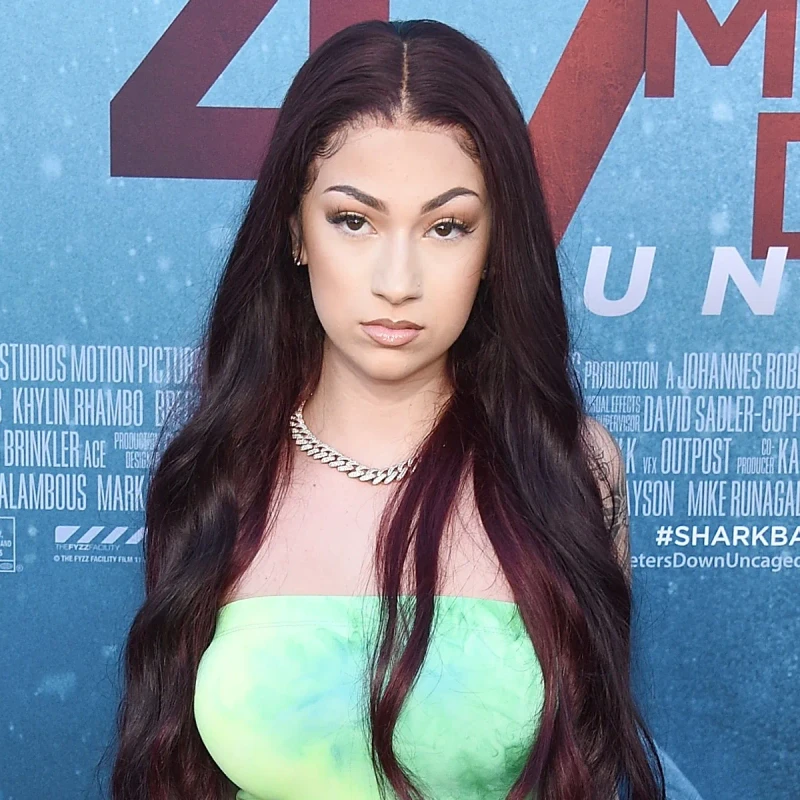
    Ever since her viral “catch me outside” moment, Bhad Bhabie, whose real name is Danielle Bregoli, has been under a microscope. While she’s faced scrutiny on various fronts, one persistent criticism revolves around ‘Blackfishing’ – the act of a non-Black person adopting Black aesthetics for personal gain. Recently, Bregoli took to social media to strongly refute these claims, asserting her own identity.

    Addressing the Accusations

    In a series of now-deleted Instagram Stories, Bregoli addressed resurfaced photos that compare her past appearance to her current look. She attributed the differences primarily to aging, explaining that she’s grown, changed her hair color, spent time in the sun, and undergone cosmetic procedures like lip fillers. She questioned why others haven’t experienced similar changes, highlighting the natural evolution of one’s appearance.

    Bregoli also pointed fingers at her former management, claiming they limited her creative control over her look in the past. She stated they allegedly ‘forced [her] to wear that red ponytail for 5 years,’ suggesting that her earlier style wasn’t entirely her own choice. This lack of control, she implies, contributed to the visual discrepancies that fuel the current accusations.

    Affirming Her Heritage

    The 23-year-old artist made it clear that she has never intended to present herself as anything other than her actual race. ‘I have never a day in my life said I wanted to be any other race but the race that I am which is white,’ she declared. Bregoli firmly stated her Italian and Jewish heritage, noting her father is Jewish, her mother is Italian, and she was raised Catholic Italian.

    It is a mental illness to think you can magically know what someone else wants for themselves. Especially when they’ve never said that and they have denied it but you keep forcing it on them that is sick. — Bhad Bhabie

    She went on to express frustration, calling it ‘sick’ and a sign of ‘mental illness’ for people to insist they know her desires better than she does, especially when she has repeatedly denied such intentions. Bregoli even shared that she once had her makeup artist use a foundation three shades lighter and wore a blonde wig, yet critics still accused her of trying to be Black, making her feel like her actions are constantly misinterpreted.

    The Ongoing Debate

    Despite Bregoli’s detailed explanation and assertion of her identity, many listeners felt her response came across as tone-deaf, failing to fully grasp the sensitivity of the Blackfishing accusations. The situation highlights the ongoing discussions surrounding cultural appropriation and the intense public scrutiny celebrities face regarding their image and identity. Whether this clarification will quell the criticism remains to be seen.

    What are your thoughts on Bhad Bhabie’s response to the Blackfishing accusations? Do you think her explanation addresses the concerns effectively? Share your perspective in the comments below!
  • Dr. Sha Battle: 10 Years of Black Women’s History Month

    While International Women’s Month often takes center stage, Dr. Sha Battle noticed a glaring omission: the lack of focus on Black women. Instead of accepting this oversight, she took initiative, creating International Black Women’s History Month in April 2016. Now celebrating its 10th anniversary, her creation has become a vital platform for recognizing and honoring the often-unsung achievements of Black women worldwide.

    From Identified Gap to Global Movement

    Dr. Battle’s journey began with a simple, yet profound realization: “I thought we already had a Black Women’s History Month, but found quickly that we didn’t, so I proceeded to do so.” This direct approach, identifying a need and filling it, embodies the “main character energy” that has propelled her initiative forward. When it launched, the concept wasn’t immediately understood by everyone, but its core mission resonated deeply with many.

    The inspiration stemmed from Dr. Battle’s research into Black women’s history. She consistently encountered stories of incredible women whose contributions had been overlooked or erased from mainstream narratives. “I kept coming across Black women that have done incredible things, none of which I had learned about in school,” she shared, fueling her determination to create a space for their recognition.

    Radical Inclusivity: Beyond the Famous

    At the heart of International Black Women’s History Month is the annual Black Women’s History Month Awards. However, Dr. Battle’s vision extends far beyond celebrating only well-known figures. Her approach is radically inclusive, aiming to recognize women making significant impacts in their communities through quiet, world-changing work – not just those with public platforms or bestselling books.

    “This initiative impacts each and every of us,” she states. “It’s not just for those who have made grandiose contributions, but those who have been a mentor, or are committed to taking care of their family and community. They are to be celebrated and supported as well.”

    Expanding Reach and Investing in the Future

    Over the past decade, Dr. Battle’s mission has grown significantly. The initiative has been embraced by Afro-Caribbean islands and officially adopted by the NAACP in Vancouver, demonstrating its expansion across the diaspora. This growth signifies that the movement has become a shared claim of heritage and recognition.

    As she marks this milestone, Dr. Battle is focused on the future, particularly on empowering the next generation. Plans are underway to launch scholarships and grants, providing tangible resources for young Black women leaders. “Representation without investment is just aesthetics,” she emphasizes, highlighting her commitment to substantive support.

    What does International Black Women’s History Month mean to you? Share your thoughts on Dr. Sha Battle’s impactful initiative in the comments below!

  • 20 Slang Words Born From Hit Songs

    Slang words are fascinating windows into culture, and the music industry, particularly hip-hop, has been a major engine for popularizing new terms. Many of the informal words and phrases we use daily have roots in song lyrics, often drawing from African American Vernacular English (AAVE). Let’s dive into 20 slang words that owe their widespread recognition to the power of hit songs.

    From Hip-Hop’s Vocabulary

    • **Beef:** Having a conflict or feud. Popularized by The Notorious B.I.G.’s 1997 song “What’s Beef?”
    • **Bling:** Refers to shiny, ostentatious jewelry. Popularized by B.G.’s 1999 track “Bling Bling.”
    • **Boo:** Used affectionately for a significant other. Popularized by Method Man & Mary J. Blige’s 1995 song “I’ll Be There For You/You’re All I Need To Get By” and Usher & Alicia Keys’ 2004 duet “My Boo.”
    • **Cake:** Primarily refers to a woman’s buttocks, often used as “caked up.” Popularized by Flo Rida & 99 Percent’s 2017 track “Cake” and reclaimed by Megan Thee Stallion and Nicki Minaj.
    • **Diss:** To insult or disrespect someone. Popularized during the “Roxanne Wars” of the 1980s, with artists like Roxanne Shanté and Sparky D trading “disses.”
    • **Dope:** Meaning “cool” or excellent. Popularized by Black hip-hop artists as an act of reclamation, notably in LL Cool J’s 1989 song “Why Do You Think They Call It Dope?”
    • **Ghost:** To suddenly disappear from someone’s life without explanation. Helped mainstream thanks to 3rd Bass and Nice & Smooth’s 1991 song “Microphone Techniques.”
    • **Jiggy:** Describes uninhibited, excited dancing or activity. Most famously associated with Will Smith’s 1998 hit “Gettin’ Jiggy Wit It.”
    • **Lit:** Meaning exciting or excellent, though it originally meant drunk. Used by rappers like Nas in his 1996 song “The Message.”
    • **Mic drop:** The act of dropping a microphone after a successful performance. Referenced in Eric B. and Rakim’s 1987 track “I Ain’t No Joke.”
    • **No cap:** Meaning “no lie” or “no exaggeration.” Popularized in Southern hip-hop, notably by Future and Young Thug’s 2017 track “No Cap.”
    • **Shizzle:** A playful suffix replacing word endings, often “fo shizzle” for “for sure.” Made popular by Nas’s 2001 “Stillmatic Freestyle” and associated with Snoop Dogg.
    • **Stan:** Refers to an obsessive superfan. Originates from Eminem’s 2000 song “Stan.”
    • **Turn up:** To party and let loose. Popularized by Rocko’s 2007 album “Swag Season” and gained further attention through 2 Chainz’s 2011 song “Turn Up.”
    • **Twerk:** A dance involving hip thrusts in a squatting position. Modern usage popularized by DJ Jubilee’s 1993 hit “Do the Jubilee All” and Yin Yang Twins’ 2000 song “Whistle While You Twurk.”
    • **Wildin’:** Refers to wild, uninhibited behavior. Used by Ice-T in his 1988 track “Radio Suckers” and reclaimed by artists like A$AP Rocky in his 2013 track “Wild for the Night.”
    • **Woke:** Originally meant being aware of social justice issues. Gained widespread popularity after Erykah Badu used the phrase “I stay woke” in her 2008 song “Master Teacher.”
    • **YOLO:** An acronym for “You Only Live Once,” often used to justify reckless decisions. Popularized by Drake’s 2011 song “The Motto.”

    Beyond Hip-Hop: Pop Culture’s Influence

    While hip-hop dominates this list, other genres have contributed too. “Frenemy,” a portmanteau of friend and enemy, describing a rival disguised as a friend, was popularized by the pop band New Radicals in their 1998 song “You Get What You Give.”

    The term “Hot Girl Summer,” signifying unapologetic self-expression and being the life of the party, was brought to the mainstream by Megan Thee Stallion’s 2019 song of the same name. These examples show how music across genres influences our everyday vocabulary, reflecting cultural shifts and artistic expression.

    Which of these slang words do you use most often? Did any of these origins surprise you? Let us know your thoughts in the comments below!

  • Monica Weighs In on Sleepover Debate

    The age-old question of whether sleepovers are a rite of passage or a risk is back in the spotlight, and this time, R&B superstar Monica is weighing in with a definitive answer. A recent viral video featuring a single father expressing his sadness over not being able to host a sleepover for his daughter sparked a conversation that Monica felt compelled to join.

    Monica’s Strict Stance: ‘We Don’t Do Sleepovers’

    The TikTok user, @markdjangocrazy, shared his disappointment after some parents declined to let their daughters attend his daughter’s sleepover, citing concerns about a single dad hosting. While he shared a personal experience of being taken advantage of as a child, he couldn’t understand the current apprehension. Monica’s response in the comments was clear and unwavering: “We don’t do sleepovers.”

    She elaborated, stating that neither she nor her mother ever hosted sleepovers, and this rule applied to both her sons and daughter. Even the suggestion of having mothers chaperone overnight wasn’t enough to sway her; it would still be a “no” for her household. This firm position reignited a long-standing debate, particularly within the Black community, about the safety and necessity of sleepovers.

    Modern Parenting in the Age of Information

    The conversation around sleepovers feels different today, largely due to the pervasive influence of social media. Parents now have unprecedented access to glimpses into how other families live, parent, and manage their homes. This visibility, while informative, can also breed concern.

    Unsecured firearms, accessible substances, differing household values, or lax rules — these details, once unseen, can erode parental trust. It’s less about paranoia and more about being informed, making it harder for parents to simply dismiss potential risks when they have access to so much information.

    The Erosion of ‘The Village’

    Furthermore, the traditional sense of community, often referred to as “the village,” where parents knew and trusted each other implicitly, has weakened. Increased mobility, feelings of isolation, and demanding schedules make it harder to cultivate the deep-seated trust that once made a child spending the night elsewhere feel safe and secure.

    This erosion of community support is a significant factor in why parents might feel more hesitant. The debate over sleepovers, therefore, points to a deeper issue: parents aren’t necessarily being overprotective; they’re often feeling under-supported in navigating the complexities of raising children in today’s world.

    Rethinking Childhood Bonding

    While banning sleepovers might be one approach, some parents are exploring alternatives. Concepts like “sleepunders” — essentially late-night hangouts that conclude before bedtime — or family-only overnights offer ways to maintain the spirit of childhood bonding and social connection without the perceived risks.

    Ultimately, the sleepover debate highlights the need for intentional community building. Whether through family, faith-based groups, or shared activities, fostering trusted connections seems to be the real solution for ensuring children have both safety and the freedom to experience childhood joys in an increasingly uncertain world.

    What’s your take on the sleepover debate? Do you have a strict rule, or do you embrace them? Share your thoughts and experiences in the comments below!

  • Drake Defends Himself Against ‘Culture Vulture’ Label

    Drake is addressing the persistent label of “culture vulture” that has followed him throughout his career. In a candid interview with Bobbi Althoff, the Toronto rapper expressed how sensitive he is to this criticism, feeling that his genre-bending musical explorations are often misunderstood and unfairly judged.

    Feeling Misunderstood

    Drake has a history of incorporating sounds from various genres, including dancehall, UK rap, and pop, into his music. While some fans celebrate his versatility, others accuse him of appropriating Black culture without proper respect for its roots. Drake shared his vulnerability on the matter, admitting, “I think I get real sensitive about that.” He noted a perceived double standard where other artists are praised for crossing genres, while he often faces backlash.

    He elaborated on the “guilt tripping” he experiences, where his intentions are often misconstrued. “People will describe the collaborative efforts that I have put forth and the artists that I’ve picked up or shined a light on as me taking,” he explained. “They’ll put a negative spin on it and try and tell me it’s a self-serving thing, and I think I get real sensitive about that.”

    Collaboration vs. Appropriation

    Drake views his musical endeavors as collaborations and efforts to build platforms for emerging artists, rather than exploitation. He highlighted his *More Life* project, which featured numerous UK artists and dancehall influences, as an example of his intention to give shine rather than take it away. Despite these arguments, critics have previously questioned his borrowing from genres like grime and dancehall.

    This conversation touches on broader issues of how Black culture is consumed and remixed in the mainstream. Drake finds himself at the center of this debate due to his significant influence and his deep engagement with global Black sounds. His defense centers on the idea that he provides credit and creates opportunities, acting as a bridge for smaller artists to gain wider recognition.

    A Viral Reunion and Making Amends

    The interview with Bobbi Althoff was also a significant reunion, as the two first went viral in 2023 with a deleted “bedside interview.” Althoff, launching her new podcast *Not This Again*, chose Drake as her debut guest. She revealed that Drake flew her to Europe to film the episode and “make amends,” ensuring this conversation would remain public, unlike their previous one.

    This reunion added another layer to Drake’s candid remarks, framing the interview not just as a discussion but as a moment of reconciliation and a reaffirmation of their connection.

    Do you agree with Drake’s perspective on collaboration versus cultural appropriation? How do you feel about artists borrowing from different genres? Share your thoughts in the comments below!

  • House in the Park: Atlanta’s Global Dance Celebration

    Every Labor Day weekend, Atlanta transforms into a vibrant hub of sound, spirit, and community as House in the Park takes over Grant Park. What began as a modest gathering of house music enthusiasts in 2004 has blossomed into a cherished annual ritual, drawing thousands from across the nation and even internationally. More than just a party, it’s a cultural phenomenon celebrating the enduring power of house music.

    The Beat That Connects Us All

    House music, with its roots in Chicago’s underground clubs and its nurturing by Black and queer communities, has always been a language of freedom, inclusivity, and release. In Atlanta, House in the Park amplifies this message, bringing it into the daylight. The event features four resident DJs—Kai Alce, DJ Ramon Rawsoul, DJ Salah Ananse, and Kemit—who curate a soundscape that compels everyone to move.

    This isn’t merely a dance floor; it’s described as a “circle of liberation.” Here, parents dance with toddlers, elders groove alongside Gen Z, and strangers connect through the shared rhythm. The park becomes a space where hierarchies dissolve, and the unifying power of the bassline levels everyone.

    A Celebration of Black Culture and Community

    Atlanta has long been a crucible for innovation in Black culture, influencing everything from music genres like trap to advancements in technology and civil rights. House in the Park embodies this spirit of convening, showcasing Black excellence in motion. It highlights creative expression, supports economic empowerment through local vendors, and intentionally cultivates joy.

    The park buzzes with diverse culinary offerings, from soul food to vegan smoothies, and local artisans display their crafts, demonstrating the synergy between music and commerce. Crucially, in a society that sometimes seeks to police Black joy in public spaces, House in the Park stands as a bold reclamation of the right to gather freely, celebrate loudly, and dance without apology.

    From Local Gathering to Global Pilgrimage

    What truly sets House in the Park apart is its international reach. What started as an Atlanta-based event has evolved into a pilgrimage for house music lovers worldwide. Attendees travel from cities like New York, Detroit, London, and even South Africa, all drawn by the allure of experiencing this unique celebration under the Southern sun.

    This global connection solidifies Atlanta’s reputation not just as a hip-hop mecca but as a vital crossroads for genres that continue to shape global culture. By hosting this annual reunion, the city reinforces its status as a dynamic cultural center with a diverse soundtrack.

    The Intersection of Culture, Technology, and Politics

    To view House in the Park as merely a fun event would overlook its deeper significance. The gathering reflects how technology and politics intertwine with culture. Social media platforms broadcast the event in real-time, effectively turning Grant Park into a global livestream. Drones capture aerial footage, documenting the historical scale of the celebration.

    Furthermore, the act of gathering itself carries a political undertone. In an era where public spaces are increasingly commodified and surveilled, creating a free, accessible, and joyous environment is a radical act. The park becomes a powerful space where culture, resistance, and community converge on a single, resonant frequency.

    The Enduring Importance of Celebration

    At its heart, House in the Park serves as compelling evidence of what happens when music, culture, and community are given the space to flourish. It’s a story that resonates beyond Atlanta, offering a universal message: celebration is not frivolous; it is essential. Dancing together can be as healing as it is exhilarating, and protected joy can become a form of quiet revolution.

    As the sun sets on Labor Day weekend and the final track fades, the echoes of bass in the trees are accompanied by lasting memories, strengthened connections, and the promise of an even bigger reunion next year. It’s a testament to the enduring power of shared experience and the vibrant pulse of Atlanta’s cultural heart.

    What does House in the Park mean to you? Share your favorite memories or what you love most about this Atlanta tradition in the comments below!

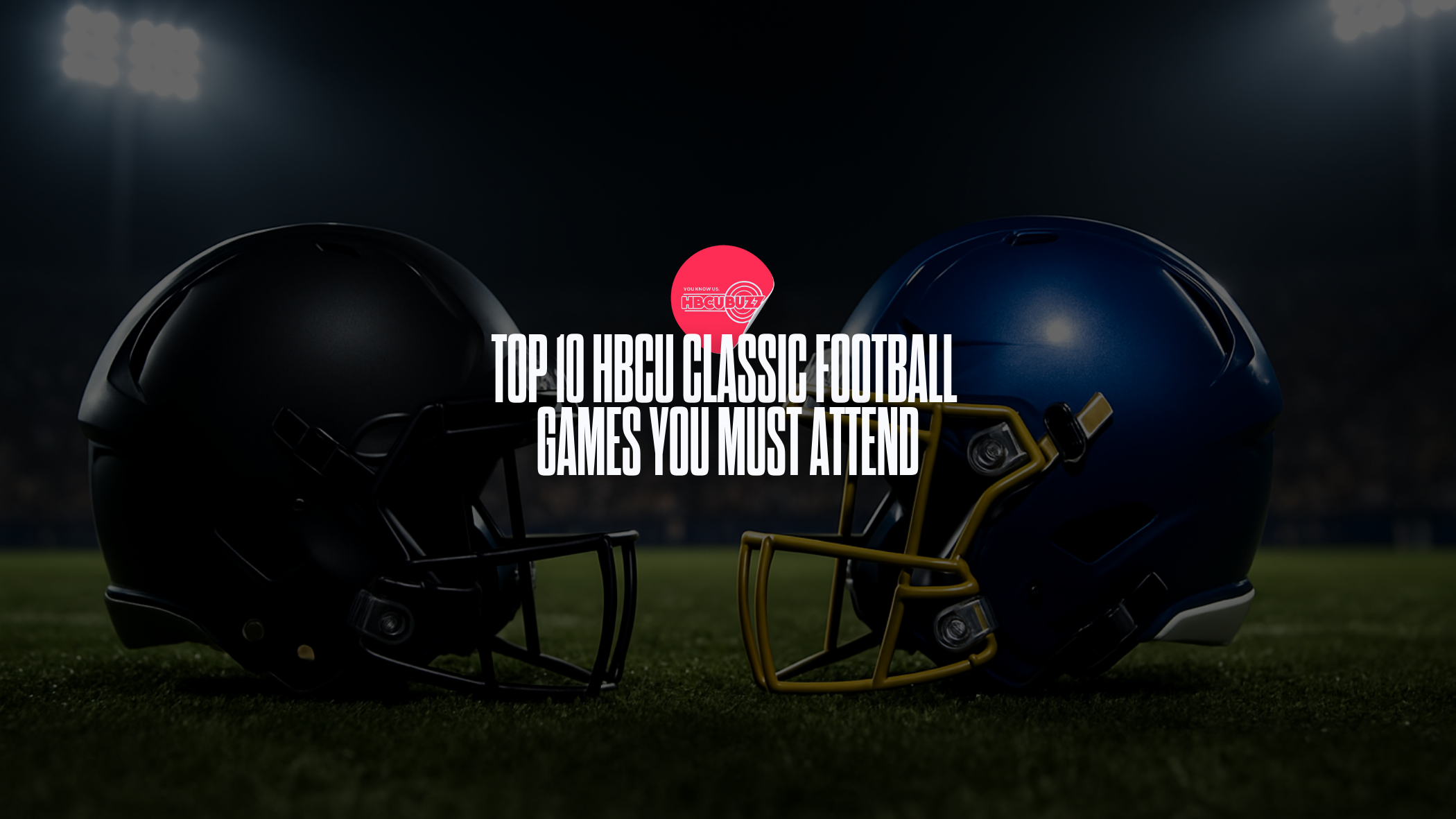
  • Top 10 HBCU Football Classics to Experience

    HBCU classic football games are legendary events that go far beyond the gridiron. They’re vibrant cultural festivals, family reunions, and showcases of Black excellence all rolled into one unforgettable weekend. If you’re looking to immerse yourself in a truly unique experience, attending one of these iconic matchups is a must.

    Why HBCU Classics Are Essential Experiences

    These games are deeply ingrained in the fabric of HBCU culture. Alumni plan their year around them, students create lifelong memories, and entire cities buzz with activity, from parades and step shows to concerts and college fairs. The atmosphere is electric, filled with the tantalizing aroma of tailgate grills, the proud display of line jackets and stoles, and the precise artistry of drum majors and marching bands.

    Attending an HBCU classic isn’t just about watching a game; it’s about committing to the experience. This means arriving early for pre-game festivities, where some of the most intricate band performances take place. It means staying put through halftime, a spectacular music showcase in itself, and never missing the “fifth quarter,” when the bands transform the stadium into an open-air concert.

    Making the Most of Your Classic Weekend

    To truly embrace the classic experience, remember to engage with the community. Find your school’s alumni tent, or simply introduce yourself to fellow fans who look like they’re having the best time. Respect the space, show appreciation for the grill masters, and join in when the music moves everyone to dance. It’s all about connection and shared celebration.

    Logistics are key for these popular events. Dates and venues can change, and ticket packages often sell out months in advance. It’s wise to book your travel and accommodation about 60-90 days ahead of time. Opt for walkable neighborhoods if possible, and factor in extra time for Friday night events and Sunday farewell brunches.

    • Stay hydrated, especially in early-season heat.
    • Wear comfortable shoes – you’ll be doing a lot of standing and dancing!
    • Pack a portable charger to keep your group chat connected from tailgate to post-game.

    The Bayou Classic: A Tradition of Excellence

    While many classics deserve a spot on your bucket list, the Bayou Classic stands out as a true standard-bearer. Held annually on Thanksgiving weekend in New Orleans, it’s a multi-day summit of HBCU culture. The highlight is the epic showdown between Southern University’s Human Jukebox and Grambling State University’s World Famed Marching Band, battling it out under the stadium lights.

    New Orleans itself becomes a co-star, with brass bands filling the streets, beignets for breakfast, and gumbo for dinner. The weekend is packed with signature moments, including the Friday Greek Show & Battle of the Bands, the infectious second-line energy outside the stadium, and a powerful “fifth quarter” performance that leaves everyone energized.

    If you remember nothing else, remember this—arrive for pregame, never move during halftime, and stay for the fifth. That’s not extra credit; that’s the assignment. — HBCU Buzz

    Pro tip for the Bayou Classic: Book your flights and hotels early, and consider arriving on Thursday to fully immerse yourself in the weekend’s festivities and secure dinner reservations.

    Which HBCU classic are you most excited to attend? Share your favorites and tips in the comments below!

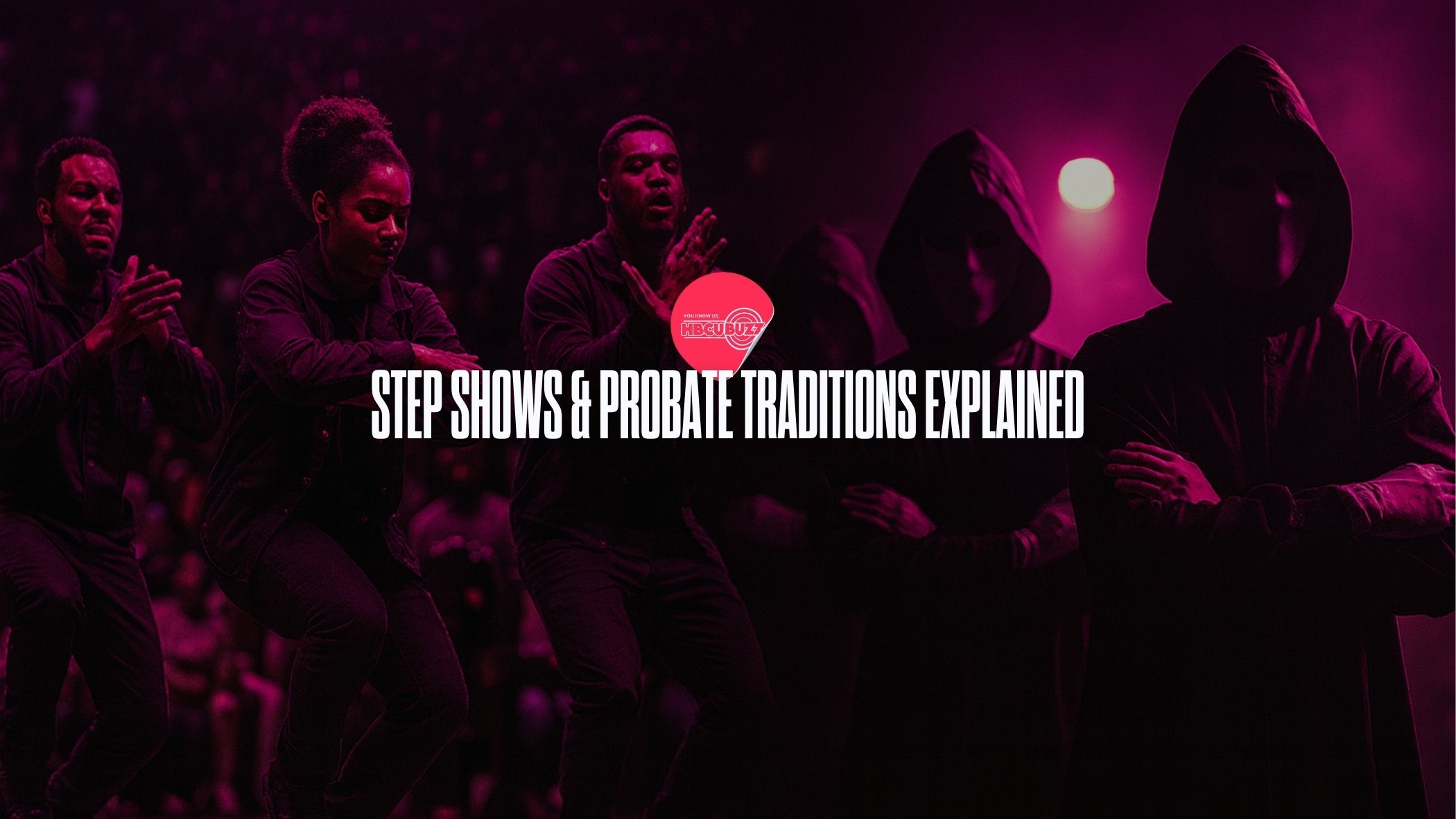
  • Understanding HBCU Step Shows & Probate Traditions

    Ever wondered what goes on during those electrifying step shows and formal probate ceremonies at HBCU campuses? These events are more than just performances; they are deeply rooted expressions of art, pride, and history, showcasing the vibrant culture of Black Greek-letter organizations (Divine Nine/NPHC).

    What Exactly is Stepping?

    Step shows are high-energy, rhythmic performances where participants use their bodies—hands, feet, and voices—to create a percussive soundscape, much like a drumline. Crews showcase incredible precision, clean formations, creative themes (ranging from movie tributes to comic book universes), and seamless transitions. The performances often incorporate chants, call-and-response elements, and engaging crowd work, turning the audience into an active participant.

    These events are judged on rhythm, difficulty, creativity, formations, crowd engagement, and overall precision. Expect elaborate production elements like lighting cues, props, and custom music mixes, as teams often rehearse for weeks to perfect their routines. Beyond the competition and bragging rights, step shows frequently serve as fundraisers for scholarships and community service initiatives.

    Understanding Probate Traditions

    Probates, also known as “New Member Presentations,” are distinct from step shows. They are formal, ceremonial introductions of newly initiated members into a Black Greek-letter organization. Think of it as an official rollout to the campus and wider community, steeped in order and symbolism.

    These presentations typically include chants, recitations of organizational history, unique calls and signs, and salutes. The climax is the reveal, where new members remove masks, hoodies, or shades to share their names and faces, marking the end of a rigorous initiation process and the beginning of a lifelong commitment to service and scholarship. The emotional weight of this moment is often palpable for members, alumni, and families alike.

    Etiquette and Respect

    Both stepping and probates are rooted in the rich legacy of the Divine Nine, drawing influence from African diasporic rhythms, military drill traditions, and the unique creativity fostered within HBCUs. These are community events that serve multiple purposes: fundraising, recruitment, and cultural education.

    • **Step Shows:** Arrive early, cheer enthusiastically, record responsibly, and always give performers adequate space. Do not block aisles or the stage area, imitate calls or signs not belonging to your organization, or rush the stage.
    • **Probates:** Stand when asked, make space for families and new members, and keep the center aisle clear. Avoid interrupting chants, inquiring about private membership processes, or sharing unapproved visual cues. Remember that while public parts are often filmed, respecting privacy is paramount.

    It’s crucial to remember that all NPHC organizations strictly prohibit hazing, and campuses enforce rigorous Membership Intake guidelines. While celebrating this rich culture, it’s important not to romanticize harmful myths. Understand the difference between public performance and private tradition; some aspects of membership are intentionally kept private.

    Key Terms to Know

    • **Step/Stepping:** A percussive performance using the body and voice.
    • **Stroll:** A social line dance performed by members of the same organization.
    • **Line:** The group of new members initiating together.
    • **Ace/Deuce/Tail:** The first, second, and last positions in a line.
    • **Prophyte/Neophyte:** An experienced member versus a newly initiated member.
    • **Crossing:** The act of completing initiation and becoming a member.
    • **Call/Response:** A unique vocal signature and crowd reply specific to each organization.
    • **Shares/Sands:** Members who crossed around the same time at different schools.
    • **Plot:** A designated outdoor space honoring a chapter or organization; do not stand on it.

    Have you ever attended an HBCU step show or probate? What was your experience like? Share your thoughts and favorite moments in the comments below!

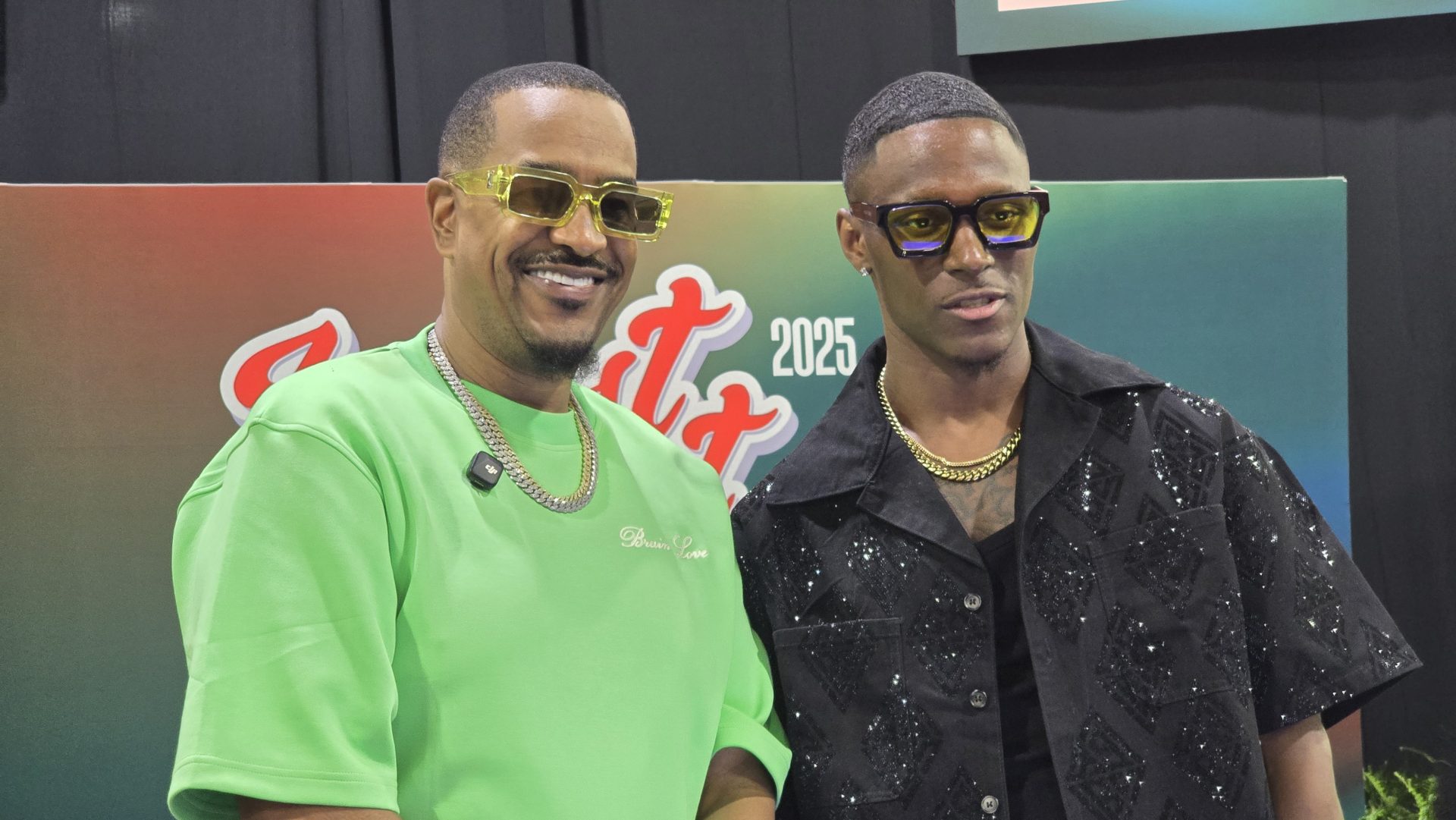
  • Ray Daniels at Invest Fest: Who Owns Black Culture?

    At the recent Invest Fest, a vibrant gathering for creative entrepreneurs, artists, and influencers, music executive and culture critic Ray Daniels dropped a powerful question that resonated deeply: “Who owns the culture?” His conversation with the Jay Hill Podcast highlighted a critical issue facing Black creators today – the gap between cultural influence and actual ownership.

    From Talent to Owner: The Ownership Question

    Daniels pointed out that while Black culture is the driving force behind music, fashion, podcasts, and global trends, the creators often receive applause while others reap the financial rewards. He challenged the audience, many of whom are talented creators, to consider why they are still primarily seen as talent rather than owners. Gatekeeping, unfavorable contracts, and misplaced trust, he argued, have kept too many creators from fully benefiting from their own success.

    His core message was clear: “Who owns the IP? Who owns the likeness? Who owns the bag?” Daniels stressed that until creators shift from being employees to employers, and from being hired to being the ones doing the hiring, this cycle of limited ownership will persist. This fundamental shift is crucial for building sustainable success and true financial independence.

    Faith, Accountability, and Facing Truths

    Daniels’ philosophy is grounded in faith and a commitment to accountability. He shared a personal promise made in 2004 to help others who looked like him navigate the industry if he achieved success. This commitment fuels his transparent approach, as he encourages creators to confront uncomfortable truths about ownership and exploitation, rather than waiting for external validation or rescue.

    Using “The Wizard of Oz” as an analogy, Daniels suggested that the power creators seek from external sources like labels or corporations is already within them. He urged the audience to recognize their inherent strength, wisdom, and courage, emphasizing that external validation is not the path to true success. He also touched on the Virgo trait of perfectionism, acknowledging how it can be both a hindrance and a tool for honing one’s craft.

    The Power of Self-Belief and Aligned Energy

    Daniels concluded with a powerful message about the synergy of self-belief and faith. When you trust your God-given gifts, he explained, the right opportunities and people are naturally drawn to you, while negative influences fade away. It’s about aligning your energy, being intentional with your work, and refusing to let exploitation dictate your legacy. This mindset empowers creators to build their own systems and secure the financial rewards for the culture they create.

    What are your thoughts on Ray Daniels’ message about ownership in the creative economy? Share your insights in the comments below!

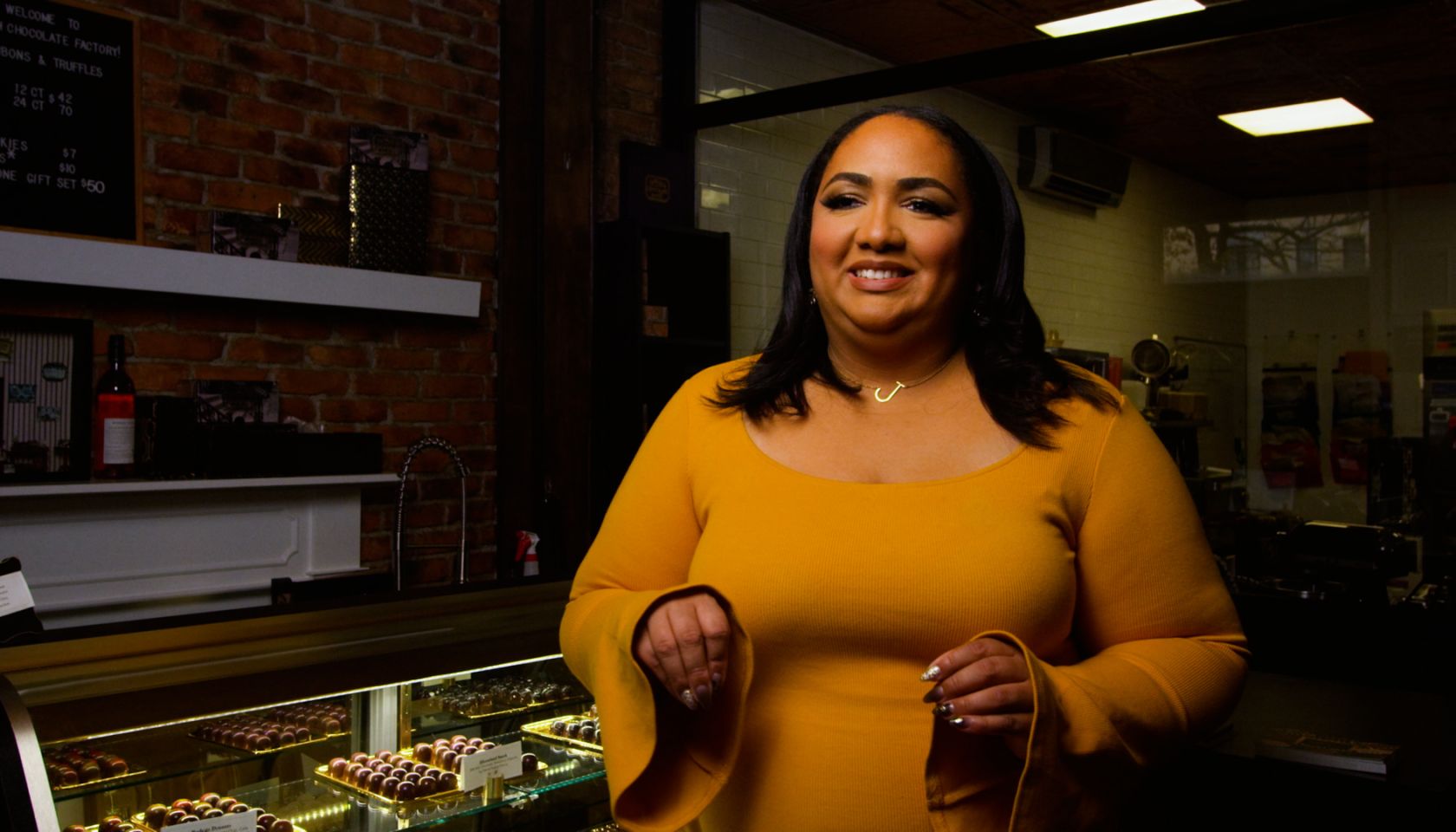
  • Harlem Chocolate Factory Blends Flavor & Soul

    Jessica Spaulding’s childhood dream of owning a chocolate factory has blossomed into a vibrant reality with Harlem Chocolate Factory. This artisan brand isn’t just about crafting delicious sweets; it’s a celebration of Harlem and the rich flavors of Black culture, infused into every meticulously made treat.

    From Childhood Dreams to Culinary Creations

    Spaulding’s inspiration struck during childhood visits to chocolate shows with her mother. While surrounded by global flavors, she noticed a distinct lack of representation reflecting her own culture. This realization sparked a passion to create chocolates that honored her heritage, leading her to experiment in the kitchen and develop unique flavor profiles.

    The result is a delectable array of treats that distinctly embody Harlem. Imagine savoring Sweet Potato Pie Truffles, made with roasted sweet potato pie ganache and rolled in pecans, or the playful ‘Bodega Dreams’ – a mix of milk chocolate, potato chips, and cola caramel. Even the Banana Pudding Truffles, featuring white chocolate, banana vanilla bean ganache, and a vanilla wafer crunch, pay homage to beloved cultural flavors.

    From Business Plan to Brick-and-Mortar

    Spaulding’s entrepreneurial journey wasn’t without its early challenges. Her first venture, Choco Soul, at Spelman College, was short-lived due to a lack of business acumen. However, her passion for chocolate never waned. A pivotal moment came when a business plan competition offered a $15,000 prize. With encouragement from her Spelman sister, Asha Dixon, Spaulding refined her business plan and ultimately won, securing the seed money to launch Harlem Chocolate Factory.

    By 2015, Harlem Chocolate Factory was officially born, and by 2018, Spaulding and Dixon, who serves as COO, opened their flagship storefront and kitchen in Harlem’s historic Striver’s Row. Spaulding credits Dixon’s unwavering belief and support as instrumental to their success, emphasizing the vital role of Black women in their journey.

    For Spaulding, Harlem Chocolate Factory is more than just a business; it’s a platform for storytelling. “The thing that makes Harlem Chocolate Factory special is the fact that we entrench ourselves in telling this Black cultural story,” she explained. “The other part is that the chocolate is just real good. So yes, you come for the culture, but right after, you’re getting some good chocolate.”

    What unique cultural flavors would you love to see infused into chocolate? Share your ideas in the comments below!