Tag: black boys

  • Marker Honors Black Boys at Maryland Reform School

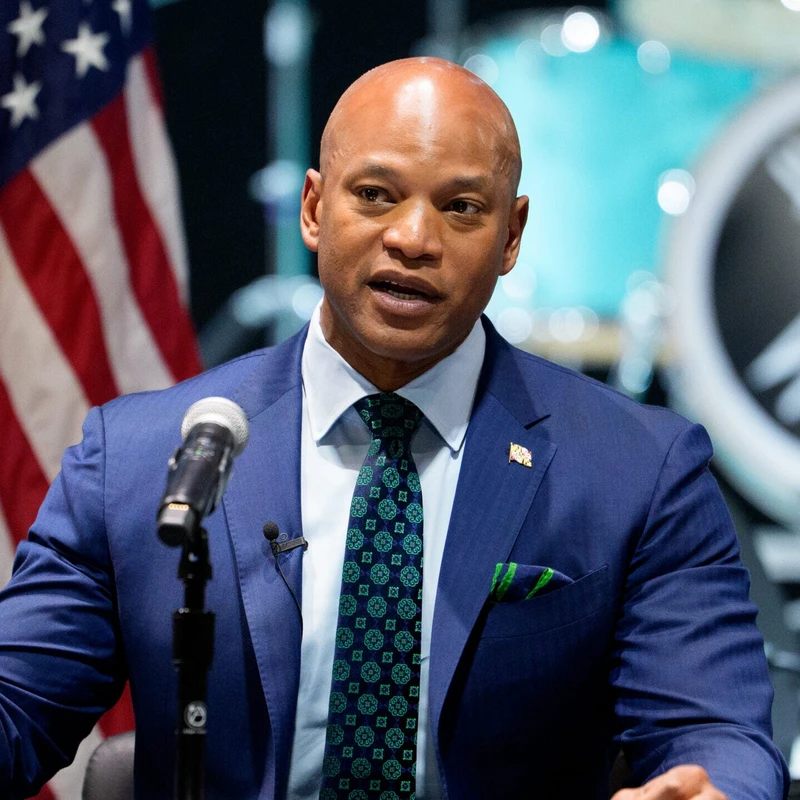
    Imagine a place where young lives were lost, their stories silenced, and their final resting places unmarked. That’s the somber reality of the House of Reformation and Instruction for Colored Children in Maryland. But on May 7, 2026, a significant step was taken to change that narrative when Governor Wes Moore unveiled a historical marker to honor the Black boys who were buried near this former segregated juvenile detention facility.

    This isn’t just about a marker; it’s about confronting a painful chapter of Maryland’s racial history. The House of Reformation, which operated in the late 19th and early 20th centuries, is now recognized as a site where many children endured abuse, neglect, and harsh conditions. Recent investigations have brought to light the disturbing evidence of unmarked graves connected to the institution, making this memorial a crucial act of remembrance.

    Uncovering Forgotten Stories

    Governor Moore, Maryland’s first Black governor, has consistently championed the effort to acknowledge and address the state’s difficult past. During the unveiling ceremony, he stressed the importance of remembrance and accountability, ensuring these young lives are no longer forgotten. This initiative is part of a larger movement across Maryland to document and publicly acknowledge the state’s history of racial injustice.

    The House of Reformation was established during the Jim Crow era as a segregated institution. Shockingly, many of the boys sent there weren’t convicted of serious crimes. Instead, they were institutionalized for minor offenses or social infractions, highlighting a systemic issue of disproportionate punishment.

    A Step Towards Healing and Transparency

    Researchers believe that over 200 children may have tragically died while in the custody of this facility. The unveiling of the historical marker is a powerful public acknowledgment of this long-overlooked tragedy. It reflects a growing national conversation about preserving Black history and ensuring that the experiences of historically marginalized communities are recognized and included in our collective memory.

    Maryland lawmakers are also actively involved, proposing legislation to further investigate the site and support memorialization efforts. Advocates see this marker as a vital step towards healing and a testament to the resilience of communities seeking truth and justice.

    Why This Matters

    This event is more than just historical commemoration; it’s a vital part of understanding how systemic racism has impacted lives for generations. By bringing these stories to light, Maryland is setting an example for how to confront uncomfortable truths and work towards a more equitable future. It’s a reminder that every life has value and deserves to be remembered.

    What are your thoughts on this important historical marker and the ongoing efforts to uncover and preserve Black history? Share your perspective in the comments below!
  • Black Superhero Bootcamp Empowers Brooklyn Boys

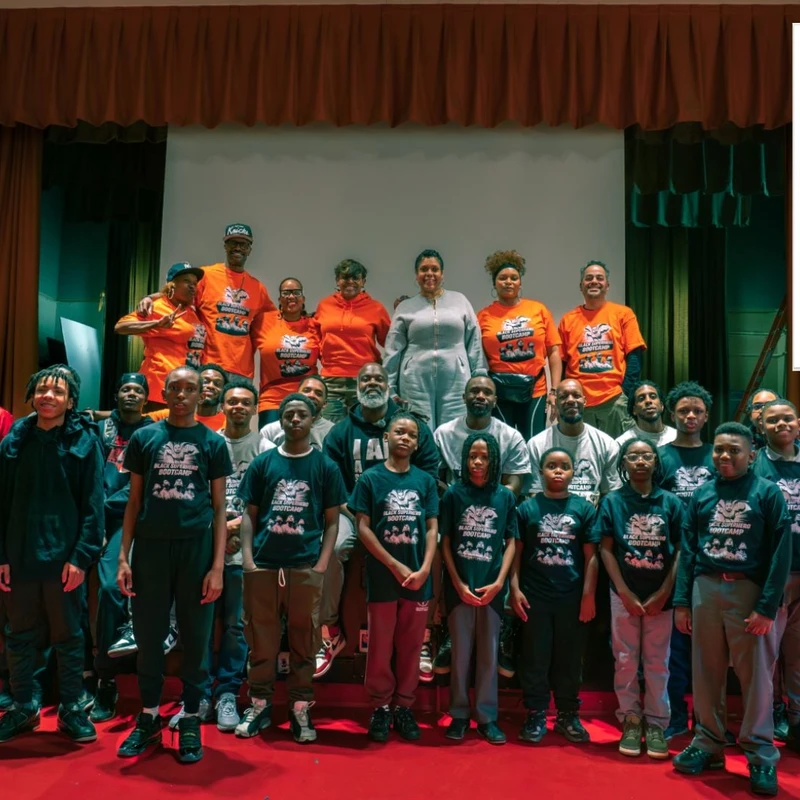
    Imagine a space where middle school boys aren’t just learning academics, but are actively building confidence, mastering emotional regulation, exploring career paths, and discovering their inner strength. That’s exactly what the Black Superhero Bootcamp is creating in Brooklyn.

    A Blueprint for Success

    Recently, about three dozen middle schoolers from Brooklyn’s District 23 gathered at Brownsville Community Middle School for an empowering day. Founded by civil rights attorney Charles Coleman Jr., the Black Superhero Bootcamp is more than just a program; it’s a blueprint for success, designed specifically for Black middle school boys as they navigate crucial developmental years.

    Sponsored by the nonprofit CFC40 and supported by the New York City Department of Education, the event focused on providing a supportive environment. “Black Superhero Bootcamp is about showing our young people that leadership, resilience, and self-care are skills they can practice every day,” Coleman Jr. explained. “We created a space where students could build confidence, learn tools to manage their emotions, and see themselves as problem-solvers and leaders in their communities.”

    Building Superpowers Within

    Coleman Jr. brings a wealth of experience to this initiative, having previously founded EDGE Movement NYC and the Black Superhero Project. The Bootcamp builds upon this foundation, transforming mentorship into actionable programs. The day was packed with activities, starting with breakfast and moving into dynamic workshops.

    • Leadership and voice-building exercises to identify strengths and practice public speaking.
    • Life skills sessions covering decision-making, goal-setting, and conflict resolution.
    • Career exploration workshops, including insights into filmmaking and becoming a professional DJ.
    • Physical fitness training and yoga sessions focused on emotional regulation and mindfulness.

    Inspiring the Next Generation

    Mentors like Malcolm Walker, a film studies graduate student at NYU, led sessions aimed at helping students see themselves differently in media. “I think it’s a beautiful way to join together as a collective in uplifting these young men and teaching them about themselves before they have to go out into the real world and experience it on their own,” Walker shared.

    Other mentors, like Columbia University junior Jason Bostic and life-fitness coach Gardier Yepimu Dromas Christian, shared their personal “superpowers” – perseverance, the unique perspective of being Black, and a drive to help the younger generation not just survive, but excel. Their passion underscored the program’s mission to inspire and empower.

    Expanding the Mission

    Looking ahead, Coleman Jr. hopes to expand the Black Superhero Bootcamp’s reach. “What we did today is hopefully just the beginning,” he stated. “As exciting as it was, we know that there’s still a lot of need to support the young superheroes in our communities everywhere.”

    What are your thoughts on programs like the Black Superhero Bootcamp? How important is it to provide targeted support for young men in our communities? Share your insights in the comments below!

  • Social Media Distorts Masculinity for Boys: Report

    The digital landscape is profoundly influencing how young people develop their identities, and a recent report from Common Sense Media highlights a concerning trend: social media content is often presenting a distorted view of masculinity to teenage boys. The study indicates that a significant portion of adolescent males are regularly exposed to material that equates masculinity with dominance, wealth, and physical power, potentially impacting their emotional well-being and sense of self.

    Problematic Gender Roles on Social Media

    The report found that nearly three out of every four teenage boys (ages 11-17) encounter social media content that links masculinity to controlling others, or views romantic attention as a measure of status. More than two-thirds of respondents reported coming across posts that promote problematic gender roles. Michael Robb, director of research at Common Sense Media and the study’s lead author, explained the significance of these findings.

    Robb noted the crucial role of algorithms in shaping adolescent identity during this formative period. He expressed particular concern about the potential link between digital misogyny and real-world violence, suggesting that the normalization of negative messages about women and girls online could contribute to offline aggression. While the study didn’t establish a direct causal link, Robb acknowledged that the impact might be underestimated, as individuals holding these views might be less likely to admit to emotional struggles or vulnerability in surveys.

    Parental Guidance and Media Literacy

    Clinical psychologist Melissa Greenberg, who was not involved in the research, advised parents to anticipate their children’s exposure to such content, even with monitoring efforts. “Even if we monitor and limit what our kids see at home, they will be exposed to content we are not aware of in other settings, and through friends and peers,” Greenberg told CNN. This underscores the importance of open communication.

    Experts recommend that parents engage in open, non-judgmental conversations with their teenage sons about their online experiences. Robb suggests a simple yet effective approach: asking boys directly about their media consumption. “One secret tip is that kids are actually quite excited to talk about their media use,” he added. Furthermore, Common Sense Media advocates for enhanced media literacy education to equip young people with the skills to identify bias and critically evaluate online content.

    How can parents and educators better guide young boys in navigating social media’s influence on masculinity? Share your strategies and thoughts in the comments below!