Tag: Black artists

  • Black Artists Shine at the 2026 Met Gala

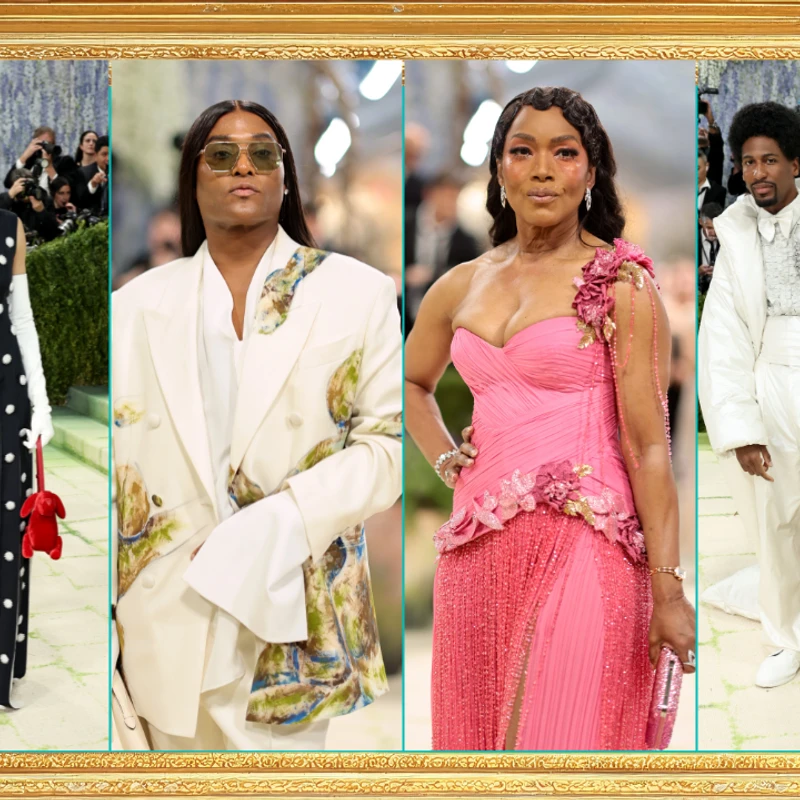
    The 2026 Met Gala, fashion’s biggest night, wasn’t just about stunning gowns and celebrity appearances; it was a vibrant celebration of art, with many stars drawing inspiration from the rich legacy of Black artists. This year’s theme, ‘Costume Art’ and the dress code ‘Fashion is Art,’ prompted attendees to delve into artistic archives, bringing the creativity of figures like Laura Wheeler Waring, Amy Sherald, and Barkley L. Hendricks to the iconic steps of the Metropolitan Museum of Art.

    Angela Bassett Honors Laura Wheeler Waring

    Actress Angela Bassett looked radiant in a custom Prabal Gurung gown, a beautiful homage to Laura Wheeler Waring’s 1927 painting, ‘Girl in the Pink Dress.’ This Harlem Renaissance piece, part of the Met’s collection, features an unidentified young Black girl. Bassett’s gown echoed the painting’s floral details and vines, with the actress noting it was a “soft nod to the aging body” in contrast to the painting’s youthful subject.

    Amy Sherald Recreates Her Own Artistry

    Artist Amy Sherald herself graced the Met Gala steps in a stunning interpretation of her own 2013 painting, ‘Miss Everything (Unsuppressed Deliverance).’ Collaborating with designer Thom Browne, Sherald highlighted the intrinsic connection between fashion and art. “I feel like I’ve always resisted a hierarchy between the two,” Sherald shared, emphasizing that fashion is indeed art, often expressed through the human form.

    Law Roach Showcases Naïla Opiangah’s Vision

    Hollywood’s go-to image architect, Law Roach, partnered with Gabonese artist Naïla Opiangah and Ami Paris for his Met Gala look. Roach’s tailored white suit featured Opiangah’s distinctive artwork, which celebrates Black women and their beauty through a blend of abstraction and figuration. The art was directly applied to the fabric of his suit jacket, creating a powerful fusion of fashion and visual art.

    Jon Batiste Channels Barkley L. Hendricks

    Musician Jon Batiste stunned in an all-white ensemble inspired by Barkley L. Hendricks’ 1976 painting, ‘Steve.’ Working with designer Eli Russell Linnetz and stylist Corey Stokes, Batiste aimed to capture the essence of art and dandyism. He explained that Hendricks’ work highlights the “everyday, casual majesty of black people,” a concept Batiste echoes in his own musical portraits.

    Venus Williams: Art Inspired by Herself

    Met Gala co-chair Venus Williams made a powerful statement by wearing a gown inspired by Robert Pruitt’s 2022 painting, ‘Venus Williams, Double Portrait.’ The tennis legend’s Swarovski crystal mesh gown incorporated intricate details honoring her legacy, including elements from the Venus Rosewater Dish trophy and symbols from her West African heritage and Southern California roots. It was a unique moment where the muse became the art.

    Which 2026 Met Gala look inspired by Black artists was your favorite? Share your thoughts in the comments below!
  • Black Hair: A Teen’s ‘Superpower’ in Doodle for Google

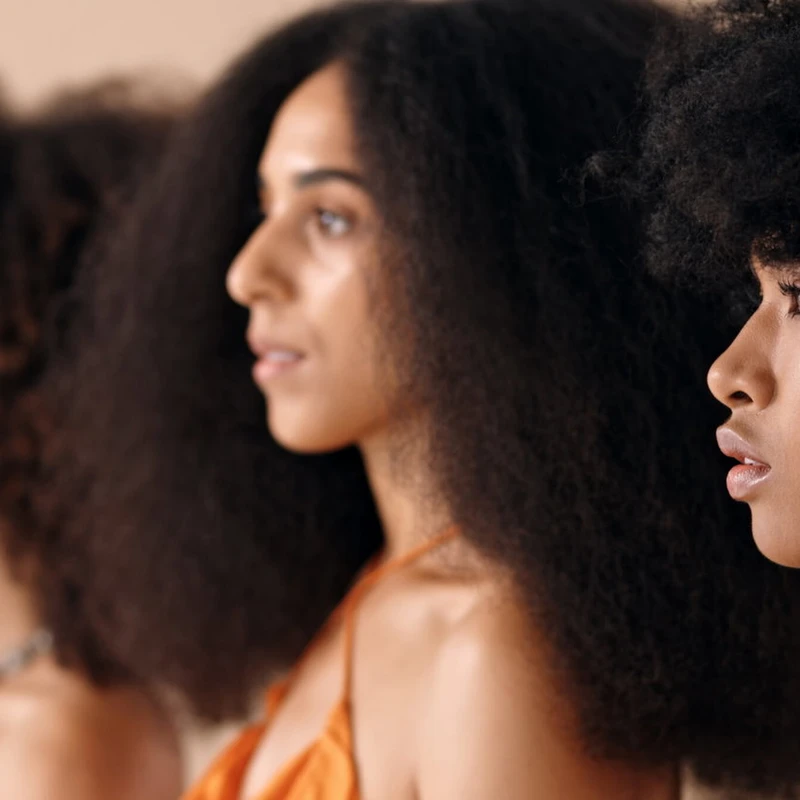
    Imagine your hair not just as something you wear, but as a superpower. That’s exactly the message a talented Washington state high schooler is bringing to the Doodle for Google competition! Kameirah Johnson has captured hearts and minds with her incredible artwork, which shines a spotlight on the profound significance of Black hair.

    A Crown of Culture and Resilience

    Kameirah’s submission, titled “Hair Power: The Crown that Grows From Us,” isn’t just a drawing; it’s a powerful statement about identity, heritage, and the enduring legacy of Black hair. She’s one of just five finalists chosen from thousands of young artists across the country, a truly remarkable achievement!

    Her artwork beautifully symbolizes the deep, unbreakable connection she feels to her own tresses. It’s a celebration of every texture and style, recognizing that they carry stories of culture, care, and survival passed down through generations.

    More Than Just a Doodle

    The Doodle for Google contest challenges students from kindergarten through 12th grade to interpret a theme, and this year’s was “My Superpower is…” Kameirah chose to highlight her hair, seeing it as a symbol of Black pride and a way to reclaim natural styles. She beautifully articulated that her hair ‘refuses conformity’ and makes individuals uniquely different.

    My superpower is my hair and the family history it carries. Each texture and style holds culture, care, and survival passed down without words. — Kameirah Johnson

    This isn’t just about personal expression; Kameirah’s art also raises awareness for important social movements. By championing natural hairstyles, she’s adding her voice to the ongoing fight against hair discrimination and supporting initiatives like the CROWN Act.

    Your Chance to Support a Star!

    Kameirah’s inspiring work is a testament to the power of art and self-expression. Her dedication to celebrating Black hair as a source of strength and identity is truly commendable. The contest is open for voting until April 29th, so there’s still time to show your support!

    If Kameirah takes home the grand prize, she’ll receive a $55,000 scholarship and her school will get a $50,000 tech package. It’s a win-win that could significantly impact her future and her school’s resources.

    What do you think about Kameirah’s powerful message? Share your thoughts on celebrating Black hair as a superpower in the comments below!

  • Enslaved Potter’s Work Returned to Descendants

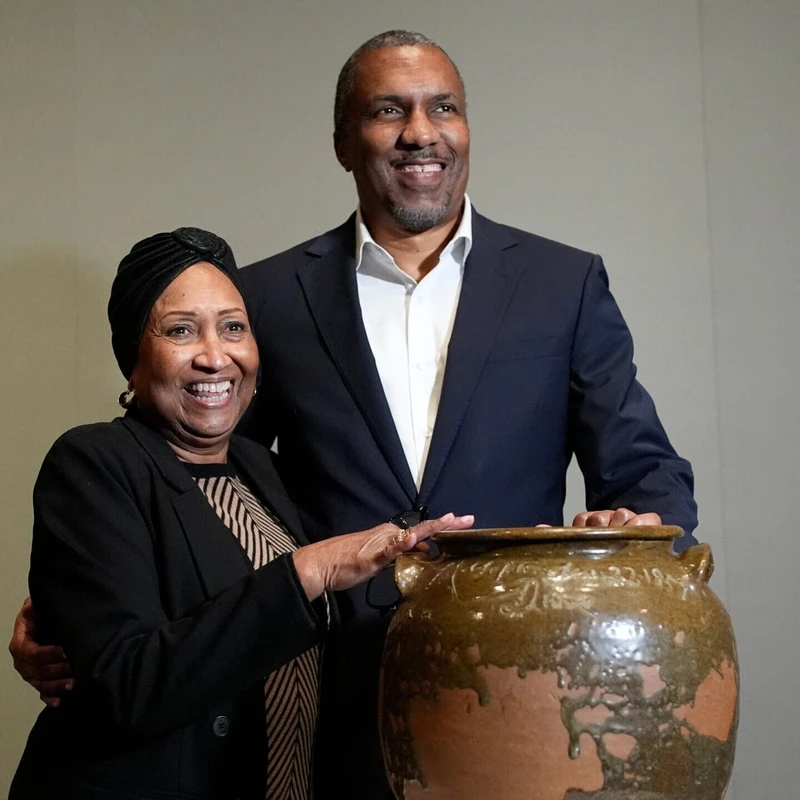
    Imagine touching a piece of pottery crafted nearly 175 years ago by your enslaved ancestor, feeling the echoes of his labor and humanity. This profound connection became a reality for Daisy Whitner and her family thanks to a groundbreaking restitution deal, returning works by the renowned enslaved potter David Drake to his descendants.

    A Historic Restoration of Lineage

    The Museum of Fine Arts in Boston, one of the institutions holding Drake’s creations, has returned two stoneware jars to his family. These vessels are part of the hundreds of surviving works by “Dave the Potter,” an enslaved man who defied the brutal conditions of his time in Edgefield, South Carolina. What makes Drake’s work so extraordinary is that he signed many of his pieces and even inscribed them with rhyming couplets – a powerful assertion of identity and authorship when literacy for enslaved people was criminalized.

    This agreement marks a significant moment, believed to be the first major art restitution case in the U.S. involving works by an enslaved person. Traditionally, restitution cases focus on art looted during events like World War II. Tracing the ownership or lineage of works by enslaved individuals is often incredibly difficult due to the denial of legal personhood and documentation.

    Pride, Grief, and Spiritual Restoration

    Yaba Baker, Drake’s fourth-generation grandson and a children’s book author, described the return as a “spiritual restoration.” He noted the dual sense of pride and grief the family experiences. For many Black families, tracing ancestry beyond a few generations is a challenge, making the recovery of Drake’s work a way to reclaim a lost piece of themselves. The family has chosen to sell one pot back to the museum so the public can continue to learn from Drake’s legacy, while the other is on temporary lease.

    Baker shared his desire for others to be inspired, emphasizing Drake’s humanity: “We want people to know that this person, Dave the Potter, who was told he was nothing but a tool to be used, realized he had humanity. He deserved his own name on his pots. He deserved to write poetry. He deserved to know who he was.”

    Words Etched in Clay

    Drake’s inscriptions often touched on themes of faith, enslavement, and his longing for connection. One poignant couplet from 1857 reads: “I wonder where is all my relation / friendship to all – and every nation.” For his descendants, this question felt answered by the restitution, symbolizing a completion of a circle broken by slavery. The MFA acquired the pots in 1997, believing they survived due to their size and difficulty in transport, often overlooked in South Carolina.

    I made this Jar = cash – / though its called = lucre Trash — David Drake

    Ethan Lasser, Chair of MFA Boston’s Art of the Americas, highlighted the power of Drake’s first-person claims of authorship, such as “I made this Jar = cash.” This was a radical act for an enslaved person. Researchers believe Drake died in the 1870s after gaining his freedom post-Civil War. His last known jar, from 1862, bears a warning: “I made this Jar, all of cross / If you don’t repent, you will be lost.”

    For the Baker family, encountering Drake’s work is a profound experience, blending pride in his artistry with sorrow for the brutal conditions he endured. Yaba Baker emphasized the importance of this connection: “I was able to turn to my son and say, ‘This is your lineage.’ Dave the Potter was not only a great artist — he resisted oppressive laws, even though he could have been killed for it.” This provides a tangible link to their past that many Black families strive to find.

    What does this landmark restitution mean to you? Share your thoughts on the importance of reclaiming ancestral legacies in the comments below!

  • Tyler, The Creator Likes Tweet on White Fans & Black Art

    It seems like Tyler, The Creator’s relationship with his fanbase is always a hot topic, and this week is no exception! Known for his deep appreciation of Black art and music, Tyler recently liked a tweet that really dives into the complexities of how his predominantly white fanbase engages with it. This isn’t the first time his fans have been a subject of discussion, but this particular instance has definitely stirred the pot.

    The Tweet That Sparked Debate

    The tweet in question, which Tyler, The Creator gave a ‘like’ to, pointed out a perceived disconnect. It read, “tyler’s fanbase hates black music despite tyler himself having a very deep love and appreciation for it. n***a has charlie wilson, erykah badu, dj drama etc. collaborations and they still refuse to engage with black art on any meaningful level. very cannibalistic.”

    This sentiment emerged around the same time Tyler posted a tribute to the legendary D’Angelo, who had recently passed away. It’s speculated that the tweet Tyler liked might have been a reaction to some of the less-than-informed comments he received regarding D’Angelo’s impact.

    Fanbase Dynamics and Past Controversies

    This seemingly simple ‘like’ has opened up a wider conversation on platforms like Twitter. Some users have brought up past statements and actions from Tyler and his early Odd Future days, interpreting them as potentially problematic or even anti-Black. Things like edgy content from the past and controversial merch designs have been brought back into the discussion.

    It’s worth noting that Tyler himself hasn’t publicly addressed this specific tweet or the ensuing debate at the time of this writing. However, these kinds of discussions about his fanbase and their relationship with Black art seem to be a recurring theme, regardless of what Tyler is currently working on, whether it’s his conceptual albums like ‘CHROMAKOPIA’ or other ventures.

    A Recurring Conversation

    This isn’t the first time Tyler has publicly addressed or indirectly commented on online narratives surrounding him. He recently called out DJ Akademiks for spreading rumors about his personal life. While some debates are lighter, this particular conversation about artistic appreciation and fanbase engagement carries significant weight.

    It’s a complex issue, and one that continues to evolve. We’ll have to wait and see if this latest instance leads to any different outcomes or further dialogue within the music community.

    What are your thoughts on this discussion about Tyler, The Creator’s fanbase and their engagement with Black art? Let us know in the comments below!

  • Kane Brown: From Rejection to Stadium Stardom

    Imagine going from mixing paint at Lowe’s and working late retail shifts to headlining stadiums and earning platinum plaques. That’s the incredible journey of Kane Brown, who has become one of country music’s most prominent stars. But his path to success wasn’t just about hard work; it was also a deeply personal journey of identity and overcoming rejection.

    A Journey of Identity and Rejection

    Growing up in Chattanooga, Tennessee, Kane Brown navigated a complex racial identity. Raised primarily by his white mother and grandmother, he didn’t initially connect with his Black heritage, especially since his Black father was incarcerated from a young age. It wasn’t until his younger brother pointed it out that he truly understood he was biracial.

    This dual identity, however, brought its own set of challenges. Brown recalls facing discrimination in middle school, being called racial slurs he didn’t understand at the time. The pain of his identity was compounded by instability; he and his mother even lived in a car for a period because, as he puts it, “nobody in our family would take me in because of that reason.”

    Music as an Escape and a Dream

    Amidst physical abuse from stepfathers, frequent school changes, and housing instability, music became Brown’s sanctuary. It offered an escape and a glimmer of hope. By age seventeen, working multiple jobs, he took a chance that would change everything: uploading a cover of George Strait’s “Check Yes or No” online.

    The response was immediate and overwhelming, garnering 60,000 followers overnight and leading to a record deal. While the music industry tried to mold him into a specific image, Brown eventually found his authentic voice, both as an artist and as a biracial man.

    Inspiring a New Generation

    Today, Kane Brown is not only a stadium-headliner but also a source of inspiration. He’s been told by many that his story has saved their lives, particularly women raising biracial children who use his journey to explain identity struggles to their kids. He empathizes deeply, especially as he raises his own three children, one of whom has already faced questions about her appearance.

    Brown is also building a relationship with his father and draws inspiration from other Black country artists like Shaboozey and historical figures like Charley Pride, whose success defied expectations. He hopes his own story will resonate similarly, proving that background doesn’t define destiny.

    What does Kane Brown’s story mean to you? Share your thoughts on his journey and impact in the comments below!

  • Artist Melissa Mitchell Opens First Gallery at Bloomingdale’s Atlanta

    Internationally acclaimed artist and designer Melissa Mitchell has achieved a significant milestone, opening her first permanent gallery installation at Bloomingdale’s Lenox Square in Atlanta. This innovative space marks a new approach to showcasing art within retail environments, seamlessly merging traditional gallery elements with commercial accessibility and creating a unique cultural destination.

    An Immersive Blend of Art and Retail

    The inaugural installation features an immersive experience that includes Mitchell’s original abstract works alongside limited-edition merchandise. Visitors can explore wearable art, such as scarves and headbands, as well as tumblers and home décor items, all inspired by her distinctive artistic style. This integration allows patrons to engage with art on multiple levels – appreciating it in a curated gallery setting while also having the opportunity to purchase products that bring artistic expression into their daily lives.

    Strategically located on the first floor near the customer service area, the gallery commands a prominent position within the shopping environment. This placement reflects a broader trend in the retail industry, where department stores are increasingly seeking to differentiate themselves by incorporating cultural experiences, thereby attracting customers who might not typically visit traditional art galleries.

    A Design House Transforming Art into Lifestyle

    Mitchell operates Abeille Creations, a design house dedicated to transforming her paintings into a wide array of lifestyle products, including apparel, accessories, and home furnishings. This approach exemplifies how contemporary artists are expanding their reach beyond traditional fine art sales into fashion and lifestyle markets. Her diverse portfolio, which includes appearances in celebrity wardrobes, fashion runways, gallery exhibitions, and public murals, showcases a modern artistic career that spans multiple industries and distribution channels.

    The retail gallery concept not only exposes art to new audiences but also fosters a deeper connection between the artist and her patrons. By creating ongoing engagement opportunities, rather than relying solely on single exhibitions, Mitchell builds lasting relationships with her audience, benefiting both her artistic expression and the commercial sustainability of her brand.

    A Cultural Hub in Atlanta’s Vibrant Scene

    Mitchell views the department store location as more than just a retail space; she positions it as a cultural destination where art, fashion, and lifestyle converge. This strategic framing aligns with the retail industry’s shift towards creating experiential shopping environments. The permanent installation allows for continuous interaction, enabling customers to discover new works or seasonal merchandise changes, fostering repeat engagement.

    The choice of Atlanta as the location for her gallery is significant, tapping into the city’s growing reputation as a cultural hub, particularly for Black artists and creators. Establishing the gallery in a prominent shopping center ensures high visibility for both local residents and visitors, potentially introducing Mitchell’s work to a wider audience.

    Building Community Through Creativity

    Mitchell’s mission extends beyond aesthetics; she aims to use color and creativity to educate, empower, and elevate communities. This social component adds a meaningful layer to her commercial ventures, linking artistic expression to community engagement and cultural impact. The opening reception, targeting local cultural influencers, collectors, and art enthusiasts, further solidifies the gallery’s role in Atlanta’s cultural landscape, offering direct artist interaction and insights into her creative process.

    What do you think of Melissa Mitchell’s innovative approach to blending art and retail? Have you visited her gallery space yet? Share your thoughts in the comments below!

  • Alicia Keys & Swizz Beatz ‘Giants’ Exhibit Comes to VMFA

    Get ready, art lovers! The acclaimed traveling exhibition curated by music power couple Alicia Keys and Swizz Beatz, titled ‘Giants: Art from the Dean Collection of Swizz Beatz and Alicia Keys,’ is making its next stop at the Virginia Museum of Fine Arts (VMFA). Following successful runs in Atlanta, Brooklyn, and Minneapolis, the exhibit will be open to the public from November 22, 2025, to March 1, 2026.

    A Celebration of Black Artistic Excellence

    Organized by the Brooklyn Museum, the ‘Giants’ exhibit showcases an impressive collection of over 130 works by 40 Black artists from across the diaspora. Launched in 2024, the exhibition is a testament to Keys and Beatz’s passion for art and their commitment to honoring the influential figures they call “giants.”

    Alicia Keys shared her vision for the collection, stating, “We need to be our most giant selves: to think our most giant thoughts, express ourselves in the biggest way possible, and give ourselves permission to be giants.” The exhibit features a diverse range of artistic mediums and styles, celebrating both legendary figures and emerging talents.

    Diverse Works and Inspiring Artists

    The collection includes works from celebrated artists such as Derrick Adams, Jean-Michel Basquiat, Kwame Brathwaite, Nick Cave, Barkley Hendricks, Arthur Jafa, Titus Kaphar, Esther Mahlangu, Meleko Mokgosi, Odili Donald Odita, Toyin Ojih Odutola, Gordon Parks, Ebony G. Patterson, Deborah Roberts, Jamel Shabazz, Amy Sherald, Mickalene Thomas, and Kehinde Wiley. Beyond paintings, photographs, and sculptures, the exhibit also features albums, musical instruments, BMX bikes, and large-scale conceptual pieces that offer insight into the couple’s artistic inspirations.

    Keys and Beatz curated the collection with the aim of spotlighting and supporting Black and Brown artists, embodying their mission to “collect, protect and respect.” Swizz Beatz, who gifted Keys a painting on their third date, views ‘Giants’ as a platform to elevate more artists in the future, calling it “a big, big blessing.”

    Visit the ‘Giants’ Exhibit

    The ‘Giants’ exhibition will be on view at the VMFA from November 22, 2025, through March 1, 2026. VMFA members will have access to presale tickets, with general public sales commencing on September 8. This is a must-see event for anyone interested in contemporary art, cultural influence, and the powerful legacy of Black artists.

    Will you be visiting the ‘Giants’ exhibit at the VMFA? Let us know in the comments below!