Tag: Black Art

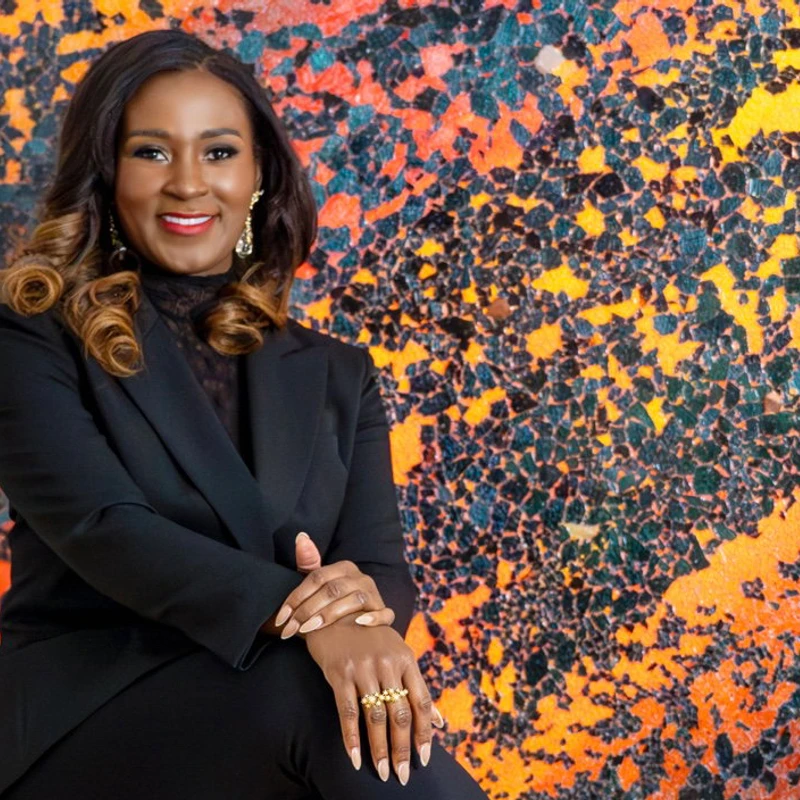
  • Charlotte Newman: Championing Black Art & Wealth

    Charlotte Newman, a distinguished fine art collector, is on a mission to democratize the art world. Drawing inspiration from her upbringing, her extensive education, and a career spanning politics, entrepreneurship, and technology, Newman is leveraging her passion and expertise to expand access to art by Black artists and those from the African diaspora. She sees fine art not just as aesthetic beauty, but as a powerful vehicle for wealth creation and cultural legacy.

    Bridging the Gap in Art Ownership

    Newman, who holds degrees from Wellesley College and Harvard Business School, recognizes the significant underrepresentation of Black collectors and artists in the fine art industry. With white men dominating the collector landscape and Black artists historically undervalued, Newman aims to shift this paradigm. She believes fine art is ‘culture’ and should be engaged with through ‘seeing’ rather than solely through acquisition, making it less intimidating.

    Her commitment extends beyond her personal collection. Newman founded the Scott Newman Collection to support artists of African descent, continuing a family tradition of arts appreciation. This collection focuses on diverse works, including figurative and abstract pieces that explore themes of politics, race, gender, and sexuality, serving as a ‘vehicle for legacy’ and a means to ‘contribute to generational wealth.’

    Beyond Affordability: Information, Proximity, and Confidence

    Newman acknowledges that the high cost of fine art can be a barrier for many in the Black community. However, she emphasizes that increasing access involves more than just affordability. ‘It is also about information, proximity and confidence,’ she stated. The art world can often feel inaccessible due to a lack of knowledge about where to start, what questions to ask, or how to trust one’s own perspective.

    To address this, Newman actively uses platforms like online viewing rooms, art fairs, and the Clubhouse app to share insights into art history and foster appreciation. Through her Substack column, ‘Crown and Capital,’ she provides valuable perspectives on the art world, demystifying the process for aspiring collectors and enthusiasts.

    Building Cultural Legacy and Community Support

    Artists like Lindsay Adams, whose piece ‘The Source of Self Regard’ is in Newman’s collection, highlight the importance of Black collectors. ‘It helps to further ground our cultural legacy and voice… and the role that we play in the art historical canon,’ Adams noted. Newman’s support ensures that the work of Black artists is not only preserved but also celebrated within the broader art historical narrative.

    Her collection includes significant pieces, such as an 1880s work by Edward Mitchell Bannister, the first Black artist to win a national art award. Newman also experienced a full-circle moment winning a Gordon Parks photograph at a foundation gala, having previously helped draft a Congressional Resolution commemorating Parks’ life and legacy.

    Connecting Through Art and Shared Values

    Newman’s approach goes beyond mere acquisition; she seeks deep connections with artists. She is intrigued by their inspirations, their reading materials, and how they weave literature, science, and culture into their work. This led her to become an executive producer on Alteronce Gumby’s upcoming film, ‘Color In Nature,’ showcasing her commitment to supporting artists holistically.

    Her diverse background, influenced by her godmother, renowned artist Tina Dunkley, provides a unique perspective. Newman understands that value extends beyond the financial, encompassing culture, relationships, reputation, and trust. She applies this holistic view to her collecting, recently purchasing Candice Tavares’s intricate piece, ‘Wade In The Water,’ appreciating the artist’s unique techniques and the story behind the work.

    What does art mean to you as a form of cultural expression or wealth building? Share your thoughts in the comments below!
  • Black Artists Shine at the 2026 Met Gala

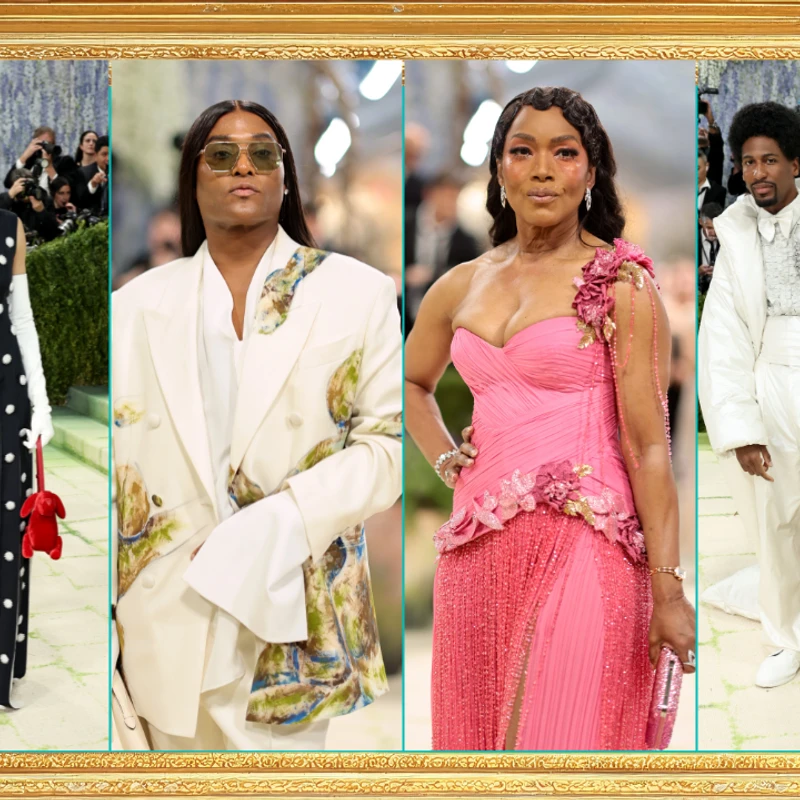
    The 2026 Met Gala, fashion’s biggest night, wasn’t just about stunning gowns and celebrity appearances; it was a vibrant celebration of art, with many stars drawing inspiration from the rich legacy of Black artists. This year’s theme, ‘Costume Art’ and the dress code ‘Fashion is Art,’ prompted attendees to delve into artistic archives, bringing the creativity of figures like Laura Wheeler Waring, Amy Sherald, and Barkley L. Hendricks to the iconic steps of the Metropolitan Museum of Art.

    Angela Bassett Honors Laura Wheeler Waring

    Actress Angela Bassett looked radiant in a custom Prabal Gurung gown, a beautiful homage to Laura Wheeler Waring’s 1927 painting, ‘Girl in the Pink Dress.’ This Harlem Renaissance piece, part of the Met’s collection, features an unidentified young Black girl. Bassett’s gown echoed the painting’s floral details and vines, with the actress noting it was a “soft nod to the aging body” in contrast to the painting’s youthful subject.

    Amy Sherald Recreates Her Own Artistry

    Artist Amy Sherald herself graced the Met Gala steps in a stunning interpretation of her own 2013 painting, ‘Miss Everything (Unsuppressed Deliverance).’ Collaborating with designer Thom Browne, Sherald highlighted the intrinsic connection between fashion and art. “I feel like I’ve always resisted a hierarchy between the two,” Sherald shared, emphasizing that fashion is indeed art, often expressed through the human form.

    Law Roach Showcases Naïla Opiangah’s Vision

    Hollywood’s go-to image architect, Law Roach, partnered with Gabonese artist Naïla Opiangah and Ami Paris for his Met Gala look. Roach’s tailored white suit featured Opiangah’s distinctive artwork, which celebrates Black women and their beauty through a blend of abstraction and figuration. The art was directly applied to the fabric of his suit jacket, creating a powerful fusion of fashion and visual art.

    Jon Batiste Channels Barkley L. Hendricks

    Musician Jon Batiste stunned in an all-white ensemble inspired by Barkley L. Hendricks’ 1976 painting, ‘Steve.’ Working with designer Eli Russell Linnetz and stylist Corey Stokes, Batiste aimed to capture the essence of art and dandyism. He explained that Hendricks’ work highlights the “everyday, casual majesty of black people,” a concept Batiste echoes in his own musical portraits.

    Venus Williams: Art Inspired by Herself

    Met Gala co-chair Venus Williams made a powerful statement by wearing a gown inspired by Robert Pruitt’s 2022 painting, ‘Venus Williams, Double Portrait.’ The tennis legend’s Swarovski crystal mesh gown incorporated intricate details honoring her legacy, including elements from the Venus Rosewater Dish trophy and symbols from her West African heritage and Southern California roots. It was a unique moment where the muse became the art.

    Which 2026 Met Gala look inspired by Black artists was your favorite? Share your thoughts in the comments below!
  • Zucot Gallery’s ‘Little’ Show Makes Big Impact

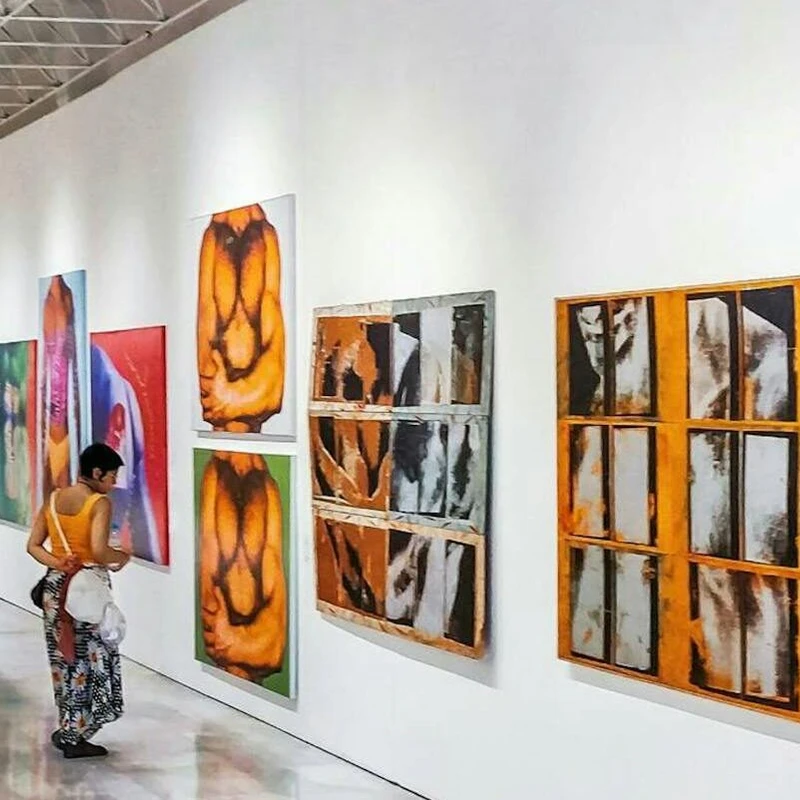
    Atlanta’s Zucot Gallery, a leading space for African American art, has opened its doors for ‘Little,’ an exhibition that proves great things truly come in small packages. This group show features 12 artists presenting a curated selection of smaller works, challenging the notion that impact is solely tied to size—or price tag.

    Big Impact from Small Canvases

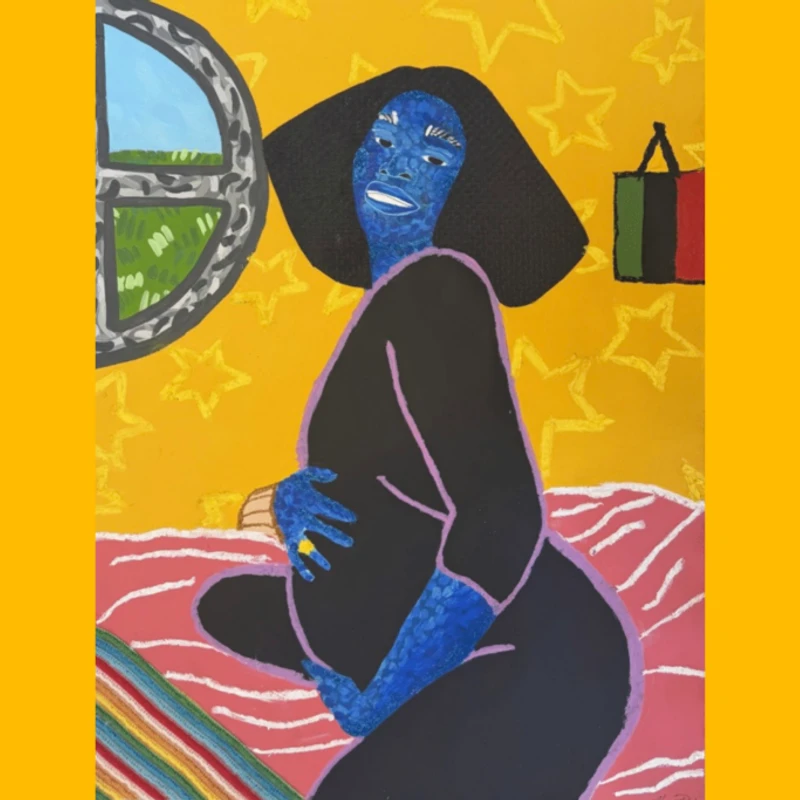
    The exhibition intentionally highlights artists who typically create much larger, and often more expensive, pieces. Think Jamaal Barber, known for prints that can stretch to four feet, or Honey Pierre, whose mixed-media art often towers at seven to eight feet. Even Pierre’s featured piece, ‘Big Mama,’ while smaller than her usual scale, is still a substantial mixed-media work composed of acrylic paint, oil pastel, and glitter on paper.

    The ‘Little’ exhibition is ambitious, especially considering the current economic climate. With Black Americans facing a 7.7 percent unemployment rate, art can feel like a luxury. Zucot Gallery aims to counter this by emphasizing the ‘impact and presence’ of smaller works, making art more accessible for first-time buyers, seasoned collectors looking for a new addition, and anyone seeking affordable artwork.

    A Curated Collection for All Buyers

    Onaje Henderson, co-owner of Zucot Gallery, shared that the show ‘fills the gap for a lot of interest’ and demonstrates resilience: ‘I think that it is a way to say, ‘no matter what’s thrown at us, we’re going to create a way, figure out a way, to make things relevant for the times.’

    The opening night saw an exceptional turnout, with collectors engaging with over 50 ‘Little’ artworks from 12 talented artists. These include Charly Palmer, Georgette Baker, Richard Clark, Aaron F. Henderson, Shanneil Clarke, Honey Pierre, Jordan Toombs, George Gailbreath, Marryam Moma, Jamaal Barber, Petie Parker, and Nathan Addley.

    Spotlight on Featured Artists

    Charly Palmer, perhaps the most recognized name in the exhibition, presents 11 acrylic on canvas pieces showcasing his signature style. His works, often featuring deeply pigmented Black figures with bold text, explore themes of Black joy and identity in spaces where Black people can simply ‘live their Black lives, unbothered.’ Standouts include pieces from his Martha’s Vineyard series, like ‘Masterpiece on the Bluff’ and ‘Mama and We,’ which evoke a sense of Black whimsy and relatable nostalgia.

    E. Richard Clark, an 82-year-old painter, offers a contrasting, pastoral vibe with his watercolor pieces. His ‘Quiltmaker Series’ and ‘Work Clothes’ evoke a sense of time, hardship, and resilience, reminiscent of the women quilters of Gee’s Bend. His work redeems the depicted hopelessness through the vitality of the embedded quilt imagery.

    Aaron Henderson brings vibrant energy with his Moko Jumbie paintings, using gouache on paper to depict these stilt dancers as symbols of liberation, resistance, and good vibes. His use of bright colors like lime, yellow, and magenta brings a spirited, performative, and restorative quality to his work, including his ‘Jazz’ series.

    Collagist Marryam Moma adds a touch of whimsy with her ‘Wunderland Noir’ series, featuring ink drawings on porcelain plates. Pieces like ‘Not Like Us’ and ‘La Vie En Rose’ showcase intricate details and prompt viewers to ponder the narratives within the art.

    Petie Parker’s negative paintings, like ‘Butter-Fly’ and ‘Vantage Point,’ offer a unique perspective. These works highlight young Black children and their environments in greyscale, effectively telling stories of resilience and hope, much like Deniece Williams’ song ‘Black Butterfly.’ Parker’s signature style, which elevates Blackness through dark hues, has already led to six sales before opening night.

    Have you visited Zucot Gallery’s ‘Little’ exhibition? Which artist’s work resonated with you the most? Share your thoughts in the comments below!
  • Black Women Artists Transforming the Art World

    Black women artists are consistently reshaping the modern art landscape, leaving their indelible mark in museums, galleries, and public spaces. Their artistic production not only celebrates Black existence but also works to restore forgotten histories, all while transforming institutional perspectives on Black representation. Through portraiture, sculpture, photography, collage, and large-scale installations, these artists are creating culturally significant works that demand attention.

    Trailblazers in Contemporary Art

    The following selection highlights Black American women artists whose work has garnered both critical acclaim and institutional acknowledgment. Their distinct approaches challenge conventional art norms and offer powerful narratives about Black womanhood, labor, and identity. Keep an eye on these influential figures whose art is making waves in the contemporary art world.

    **Amy Sherald: Michelle LaVaughn Robinson Obama (2018)** Sherald’s powerful oil portrait of former First Lady Michelle Obama, commissioned by the Smithsonian’s National Portrait Gallery, became an official presidential collection piece. Her distinctive style, featuring grayscale skin tones against vibrant backdrops, breaks portraiture conventions. The portrait’s debut drew unprecedented crowds, becoming the museum’s most popular exhibition.

    Sculpting Narratives of Black Womanhood

    **Simone Leigh: Brick House (2019)** Leigh’s monumental bronze sculpture, “Brick House,” debuted as the first public art installation for the High Line Plinth program. Standing 16 feet tall, it merges a Black woman’s bust with architectural elements referencing African and African American building heritage. This work continues Leigh’s exploration of Black womanhood, labor, and public representation.

    **Phyllis Stephens: The Movement of Material (2023)** Atlanta-based quilt artist Phyllis Stephens showcased her large-scale textile series, “The Movement of Material,” featuring hand-painted fabric quilts honoring dance rhythms and storytelling. Her work unites African American quilting traditions with dance movements, exploring how rhythm, memory, and community shape Black cultural identity. Stephens, a fifth-generation quiltmaker, creates vibrant textile narratives that bridge fine art and Black storytelling.

    Documenting Resilience and Redefining Representation

    **LaToya Ruby Frazier: Flint Is Family (2016)** Frazier’s documentary photography project “Flint Is Family” captured the human side of the water crisis in Flint, Michigan. Commissioned by Elle magazine, her work focused on poet and activist Shea Cobb and her family, depicting their everyday routines and activism amidst the environmental disaster, highlighting the impact of water contamination on the predominantly Black community.

    **Mickalene Thomas: Resist (2016)** Thomas’s mixed-media painting “Resist” features a Black woman adorned with colorful fabrics and rhinestones, hallmarks of her style. The artwork exemplifies her ongoing effort to redefine art history and promote Black feminine representation in contemporary visual arts.

    **Deborah Roberts: Let Them Be Children (2018)** Roberts, an Austin-based mixed-media artist, created “Let Them Be Children,” a collage of Black children using photographic fragments and painted elements. This artwork, now in institutional collections, highlights Roberts’s examination of race, identity, and childhood in America through collage.

    **Jordan Casteel: The Baayfalls (2017)** Casteel’s large-scale portrait “The Baayfalls” depicts two Senegalese street vendors in Harlem. Displayed as a mural installation on NYC’s High Line, her work aims to bring attention to ordinary people who form the backbone of communities, capturing Black urban life with dignity and individuality.

    **Bisa Butler: I Know Why the Caged Bird Sings (2019)** Inspired by Maya Angelou’s autobiography, Butler’s quilted portrait uses layered African wax fabrics and textiles. This work showcases her dedication to advancing quilting as contemporary fine art while honoring its Black American cultural heritage. Her quilts have been displayed at prestigious institutions like The Art Institute of Chicago and the Smithsonian American Art Museum.

    • Black women artists are making significant contributions through various mediums, including portraiture, sculpture, photography, collage, and installations.
    • Amy Sherald’s portrait of Michelle Obama gained widespread acclaim and attracted unprecedented museum crowds.
    • Simone Leigh’s ‘Brick House’ sculpture explores Black womanhood and public art representation.
    • Phyllis Stephens uses quilting to explore dance rhythms, memory, and Black cultural identity.
    • LaToya Ruby Frazier’s photography documents the human impact of the Flint water crisis.
    • Mickalene Thomas redefines art history by promoting Black feminine representation.
    • Deborah Roberts examines race, identity, and childhood through mixed-media collage.
    • Jordan Casteel captures Black urban life with dignity and individuality in her large-scale portraits.
    • Bisa Butler honors Black American cultural heritage by advancing quilting as contemporary fine art.

    Which of these Black women artists’ work resonates most with you? Share your thoughts and any other artists you believe deserve recognition in the comments below!

  • Studio Museum Harlem Reopens with Basquiat Masterpiece

    Get ready, art lovers! The Studio Museum in Harlem is officially reopening its doors on November 15th, and it’s not just a new building – it’s a celebration of Black artistry with a major new acquisition. After years of renovations, the museum is set to unveil its stunning new space and a landmark piece that’s already making waves: Jean-Michel Basquiat’s painting, ‘Bayou’.

    A Historic Addition to the Collection

    ‘Bayou,’ a significant 1984 work by the iconic Jean-Michel Basquiat, is the first Basquiat painting to ever be added to the Studio Museum’s permanent collection. This incredible acquisition was made possible by a generous gift from longtime supporters Joseph and Amy Perella in 2023. Joseph Perella, a mentor to Studio Museum board chair Raymond J. McGuire, played a crucial role in facilitating this donation.

    It’s surprising to note how few of Basquiat’s works are held in major U.S. museum collections. Institutions like MoMA have often relied on loans, highlighting a gap that donors are now helping to fill. The Studio Museum’s acquisition is a monumental step, especially for an institution dedicated to celebrating Black artists and their profound impact on culture.

    Basquiat’s ‘Bayou’: A Harlem Homecoming

    Basquiat’s 1984 painting, ‘Bayou,’ is a prime example of his distinctive style. The artwork features layered imagery, including fragments of a multiplication table, a delicate hand, and evocative words like ‘WASTEWATER’ and ‘SOUTH.’ These elements likely nod to the artist’s time spent in New Orleans and his deep reflections on geography, race, and history.

    The painting was likely first exhibited in 1985 at Galerie Bruno Bischofberger in Zurich, a key gallery that helped launch Basquiat’s international career. Now, decades later, ‘Bayou’ has found its way back to Harlem, the very neighborhood where Basquiat’s artistic journey began. This homecoming is incredibly fitting.

    A Renewed Hub for Black Artistry

    With its grand reopening, the Studio Museum in Harlem is reclaiming its vital role as a central hub for Black artistry. The addition of ‘Bayou’ ensures that Basquiat’s powerful voice, which truly redefined American art, has a permanent and significant home in the city that profoundly shaped him. It’s a beacon for artists and a treasure for the community.

    Are you excited about the Studio Museum in Harlem’s reopening and the new Basquiat acquisition? Let us know your thoughts in the comments below!

  • Hammonds House Museum Hosts Atlanta Arts Legacy Discussion

    Hammonds House Museum, a vital institution dedicated to celebrating cultural diversity and the legacy of artists of African descent, is set to host an insightful panel discussion on September 20th at 1 PM. This free public event, which requires advance registration, will bring together leading figures in Black art scholarship and curation to explore the intricate networks of mentorship, scholarship, and activism that have nurtured generations of artists, while highlighting Atlanta’s significant role as a hub for Black visual arts and culture.

    Expert Perspectives on Atlanta’s Art Scene

    The panel will feature two distinguished experts with extensive experience in art history, curation, and education. One panelist is a recognized professor and visual artist known for thought leadership in African American art, offering a unique blend of creative practice and scholarly analysis. The other panelist brings a wealth of curatorial experience from both academic settings and major museum institutions, providing diverse perspectives on presenting and preserving Black artistic heritage. The discussion will be moderated by Hammonds House’s artistic director, who will guide the conversation toward understanding how collaborative efforts and community partnerships continue to shape Atlanta’s dynamic arts ecosystem.

    The panelists will also reflect on their collaborative work for the “Black Zeitgeist” exhibition, examining how such partnerships foster artistic innovation and contribute to the development of creative communities. This focus on collaboration underscores the museum’s commitment to showcasing not only individual artistic achievements but also the collective efforts that sustain artistic movements.

    A Museum Rooted in Community and Cultural Dialogue

    Located in a historic Victorian home once owned by a prominent Atlanta physician and arts patron, Hammonds House Museum remains dedicated to community engagement. Its 2025 programming includes workshops, public events, and civic activities designed to foster deeper connections between the community and the art on display. The museum’s operational model, supported by county and city cultural departments, national arts organizations, and private foundations, highlights a strong public and private commitment to preserving and promoting Black artistic achievement.

    The panel discussion aims to illuminate Atlanta’s rise as a national center for Black visual arts and culture, exploring the historical factors and ongoing initiatives that contribute to its influence. The conversation is expected to touch upon the challenges and opportunities facing contemporary artists and cultural institutions in the region, with a particular emphasis on mentorship networks that support emerging talent and sustain creative communities.

    Ensuring Accessibility for Public Engagement

    Hammonds House Museum’s commitment to public accessibility is evident in its decision to offer this panel discussion free of charge. While advance registration is required, removing financial barriers ensures broader community participation. The Saturday afternoon timing is also strategic, accommodating working professionals and community members who may not be available during weekday hours. The intimate setting of the historic venue is expected to encourage personal interaction and community building among attendees passionate about Black artistic heritage.

    What aspects of Atlanta’s Black arts legacy are you most interested in learning about? Share your thoughts and questions for the panelists in the comments below!